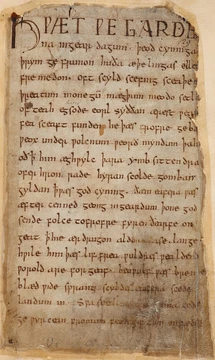
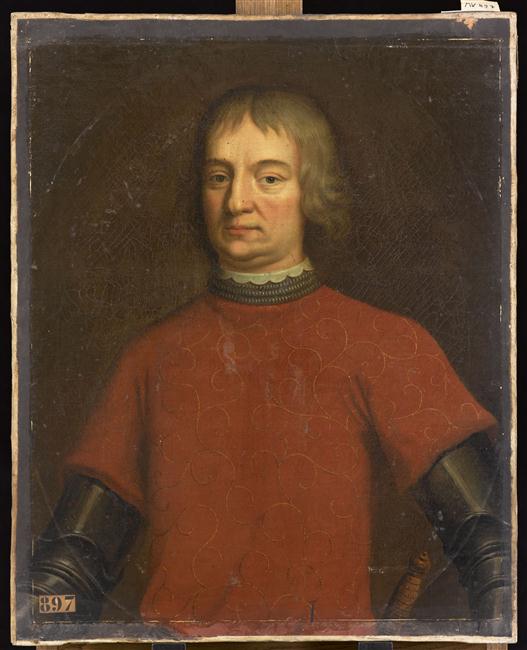
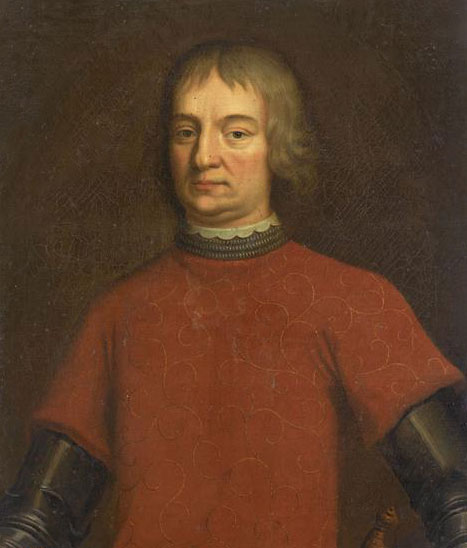
Aymeri de Narbonne
Legendary knight of Charlemagne's era, conqueror of Narbonne.

Anonymous Unknown author · Public domain
Aymeri de Narbonne is a legendary hero of Old French chansons de geste and the Matter of France. He appears in several medieval poems as a knight in the time of Charlemagne's wars with the Saracens after the Battle of Roncevaux Pass. He is the son of Hernaut, grandson of Garin de Monglane, and is known for conquering the city of Narbonne, marrying Princess Hermengarde, and fathering seven sons, the most famous being Guillaume d'Orange.
- Field
- Medieval French epic poetry (chansons de geste)
- Nationality
- French (legendary)
- Known for
- Hero of the chanson de geste Aymeri de Narbonne and related poems; conqueror of Narbonne; father of Guillaume d'Orange
Lore & Background
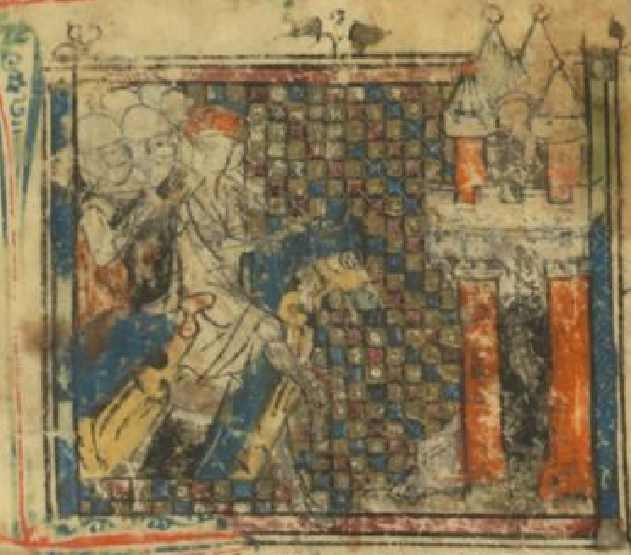
Aymeri de Narbonne is the hero of an eponymic early 13th century chanson de geste (c.1205-1225) attributed to Bertrand de Bar-sur-Aube. The poem comprises 4,708 verses grouped into 122 rhymed laisses; the verses are all decasyllables except for a short six syllable line at the end of each laisse. In the poem, Charlemagne, returning home from Spain after the tragic events of The Song of Roland, comes upon the city of Narbonne and offers it as a fief to whichever of his knights will conquer it, but all refuse except the young Aymeri. Once lord of the city, Aymeri seeks the hand of Hermengarde, daughter of Didier, king of the Lombards in Pavia, and sister of Boniface. After various adventures, including difficulties with a German lord named Savari and attacks from the Saracens, the marriage occurs. The poem ends with a prediction about their future children, seven boys and five girls.
Aymeri also appears in the chanson de geste Girart de Vienne, also by Bertrand de Bar-sur-Aube, where he plays a role in the complex instigation of his four uncles to war against the Emperor. The hero also appears in the chanson de geste entitled Narbonnais (c.1210) by an anonymous author from the Brie region. In the part on the departure of Aymeri's children, Aymeri sends six of his sons out to seek their own fiefs, while keeping the youngest son Guibert. In the part on the Siege of Narbonne, taking advantage of the departure of the sons, the Saracens attack Narbonne and nail Guibert to a cross. The youngest son is saved and races to the court to seek help, but learns that Charlemagne has died, leaving his son Louis emperor. The seven sons and Louis' army eventually defeat the Saracens.
Aymeri de Narbonne is also the hero of a probable 13th century chanson de geste entitled Mort Aymeri (de Narbonne). In this poem, at the end of his life, Aymeri battles to retake his city and is eventually mortally wounded along with two of his sons, and they are buried in Narbonne.
Reader's Guide
Aymeri de Narbonne is a central figure in the Old French chansons de geste, particularly within the Narbonnais Cycle, which is itself often grouped with the Cycle of Guillaume d'Orange and the greater Geste of Garin de Monglane. His significance lies in his role as a legendary hero of the Matter of France, embodying the ideals of knighthood and Christian warfare against the Saracens in the time of Charlemagne. The character may be conflated with a later historic figure, Aimery II of Narbonne, Viscount of Narbonne from around 1106 to 1134, suggesting a blending of legend and history. The poems featuring Aymeri—Aymeri de Narbonne, Narbonnais, and Mort Aymeri—were reworked into prose versions in the 15th century and adapted by the Italian Andrea da Barberino around 1410 for his prose version Storie Nerbonesi. The Venice 4 manuscript of The Song of Roland also contains the taking of Narbonne and Aymeri receiving it at his father's behest. These texts preserve the epic tradition of the chansons de geste and contribute to the broader literary legacy of medieval French heroic poetry.
Gallery


Frequently Asked Questions
Who is Aymeri de Narbonne?
Aymeri de Narbonne is a legendary knight from the Old French chansons de geste, active during Charlemagne's campaigns against the Saracens following the Battle of Roncevaux Pass. He is the son of Hernaut and grandson of Garin de Monglane, and he appears across several medieval poems in the Matter of France cycle.
What does Aymeri de Narbonne accomplish in the poems?
His defining feats include conquering the city of Narbonne and winning the hand of Princess Hermengarde in marriage. He is portrayed as a valiant warrior who fights alongside Charlemagne's knights against Saracen foes.
Why is Aymeri de Narbonne important to the Matter of France?
He serves as the crucial generational link between Garin de Monglane's adventures and the Guillaume d'Orange cycle, making him a structural pillar of the broader epic tradition. Without his conquest of Narbonne and his marriage to Hermengarde, the lineage that produces one of the cycle's greatest heroes would not exist.
What is Aymeri de Narbonne's connection to Guillaume d'Orange?
Aymeri is Guillaume d'Orange's father, one of seven sons he sired with Princess Hermengarde. Guillaume goes on to become arguably the most famous knight in the entire chansons de geste tradition, and his stories are deeply rooted in the legacy Aymeri established.
More in Characters in epic poems 1-18
Spotted an error? Know more?
Reader corrections go straight into our review queue. Suggest an edit · How this site is sourced