Atra-Hasis (mythological character)
Wise ruler of Shuruppak and hero of the flood epic.

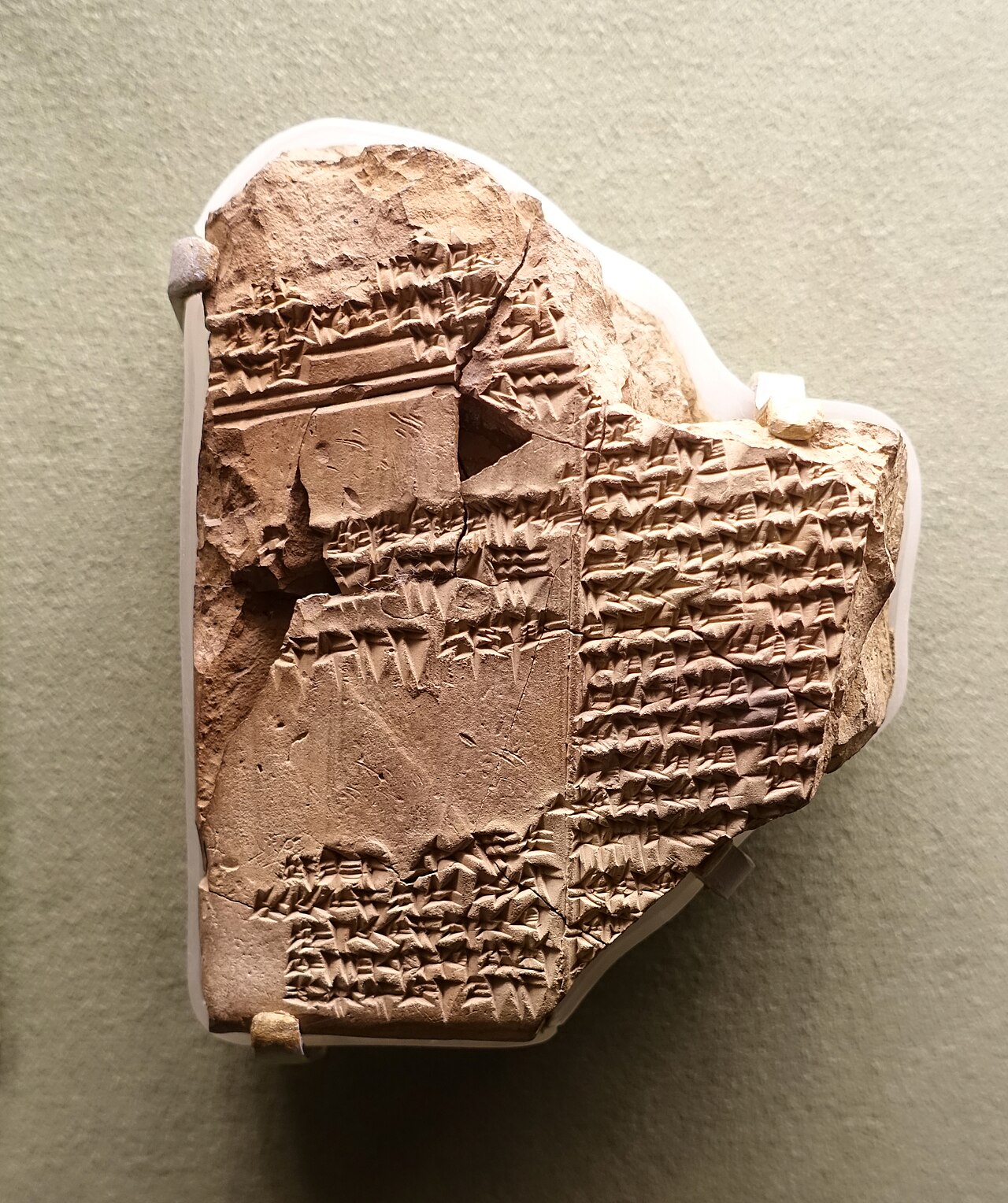
Daderot · Public domain
Atra-Hasis is a figure from Mesopotamian mythology, best known as the protagonist of the 18th-century BC Akkadian epic named after him, which recounts the creation of humans to serve the gods, their overpopulation, and a devastating flood. The name Atra-Hasis means 'exceedingly wise.'
- Field
- Mesopotamian mythology, kingship
- Nationality
- Sumerian / Akkadian
- Known for
- Protagonist of the Atra-Hasis flood epic; wise ruler of Shuruppak before the deluge
Lore & Background
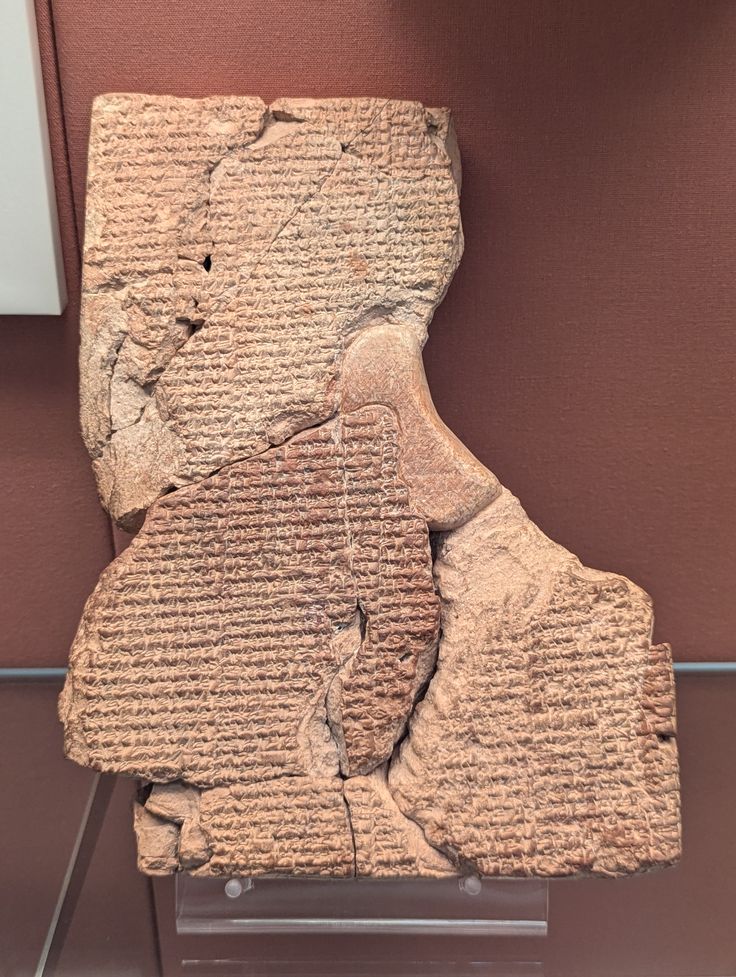
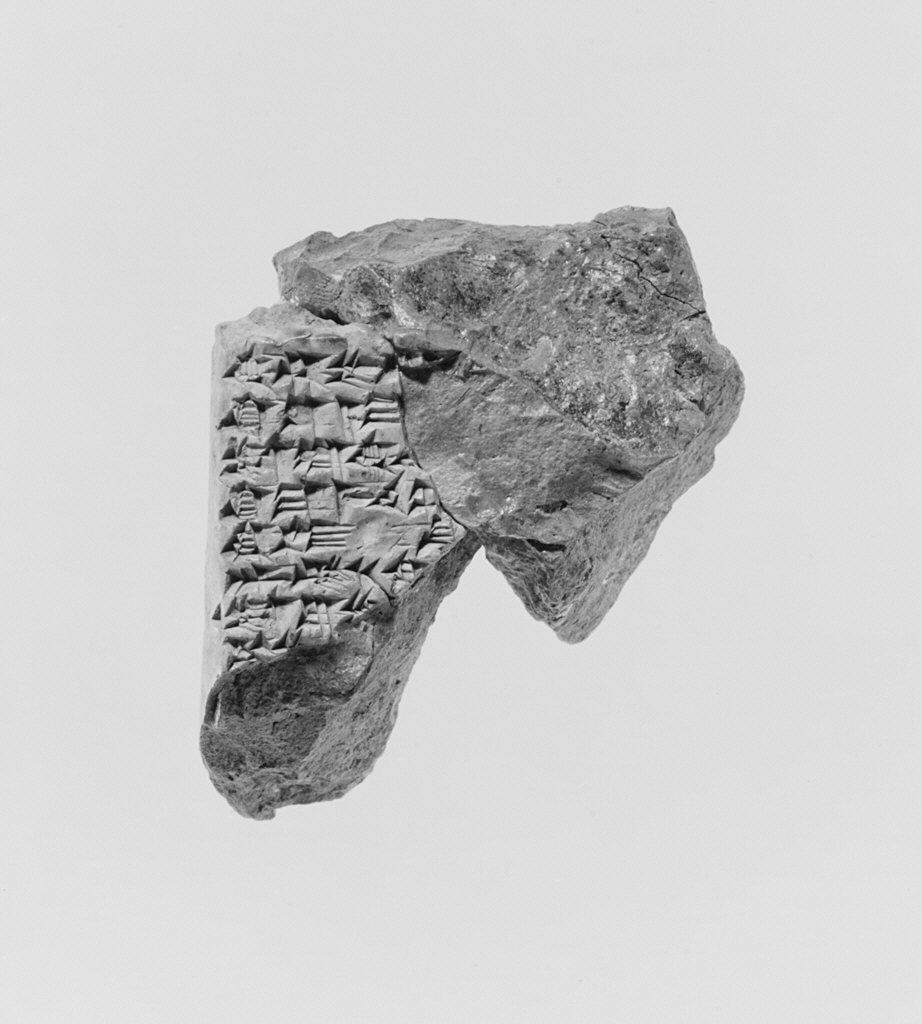
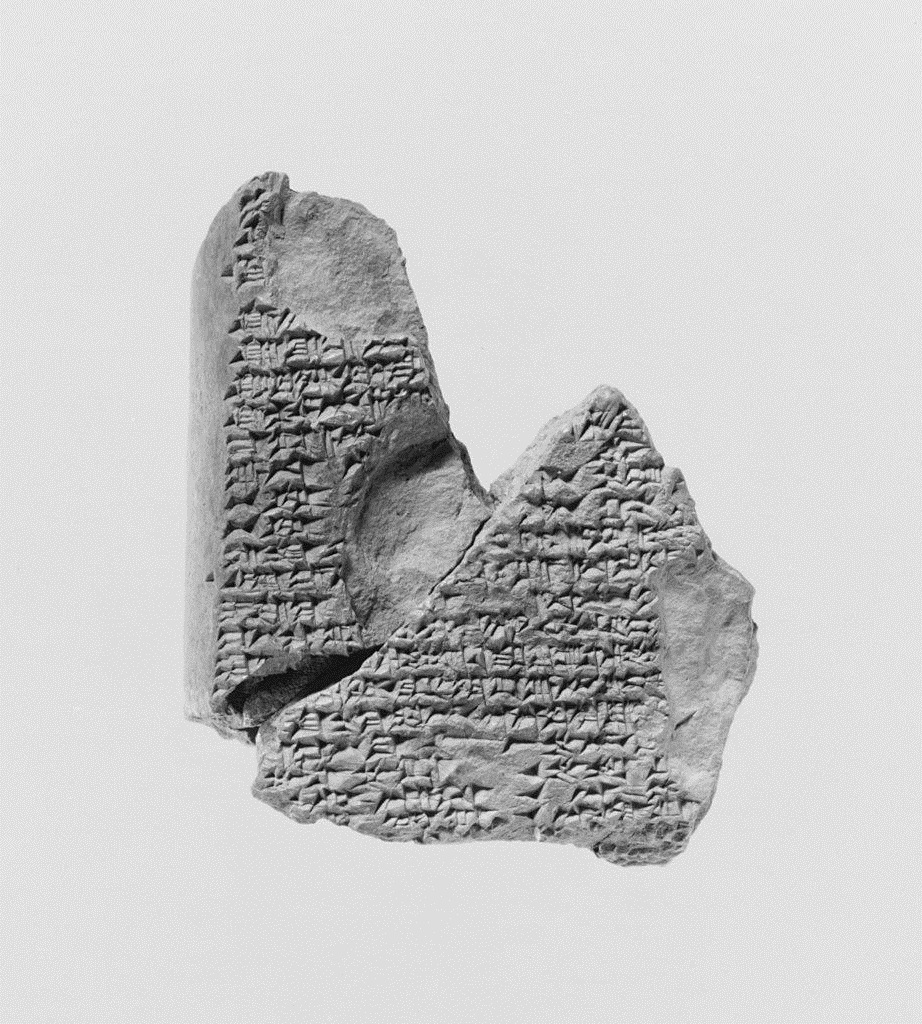
Atra-Hasis is a figure from Mesopotamian tradition, associated with the city of Shuruppak, which, according to the Sumerian King List, was one of the earliest city-states in the period before the great deluge. The epic tradition concerning Atrahasis is known from copies dating to the reign of Hammurabi’s great-grandson, Ammi-Saduqa (1646–1626 BC), with older fragments from the Old Babylonian period and one recovered in Ugarit. The epic continued to be copied into the first millennium BC.
In the epic, Atra-Hasis is the wise ruler who survives the flood sent by the upper gods to destroy humanity. The narrative describes how the gods created humans to do their labor, but human overpopulation led the gods to attempt destruction via flood. Atra-Hasis, with the help of the god Enki, survives the deluge, and afterward the gods agree on a method to limit human reproduction. The story exists in Assyrian dialect versions from the Library of Ashurbanipal, though translations have been uncertain due to fragmentary condition and ambiguous words.
Reader's Guide
Atra-Hasis is significant as the central human figure in one of the earliest known flood myths, which influenced later Mesopotamian, Biblical, and Qur’anic accounts. The epic provides insight into ancient views on the relationship between gods and humans, portraying humans as created to serve as labor slaves for the gods. The narrative also addresses themes of overpopulation and divine punishment, with the flood serving as a means to control human numbers. Recent research suggests that the rapid rise in sea levels at the end of the last Ice Age may have formed the actual backdrop to this narrative, as such an event would have made an impression on emerging settled communities. The epic's fragments were first assembled and translated by George Smith as 'The Chaldean Account of Genesis,' with the hero's name corrected to Atra-Hasis by Heinrich Zimmern in 1899. In 1965, Wilfred G. Lambert and Alan Millard published additional texts, including an Old Babylonian copy from c. 1650 BC, which is the most complete recension of the tale and formed the basis for the first English translation approaching entirety.
Did You Know?
- Atra-Hasis is not mentioned by name in the Sumerian King List, but is associated with the city of Shuruppak.
- The oldest known copy of the epic tradition concerning Atrahasis dates to the reign of Ammi-Saduqa (1646–1626 BC).
The Divine Labor Dispute and the Birth of Humanity
The epic of Atra-Hasis unfolds as a saga of divine governance gone awry. At its heart lies a political conflict among organized groups of gods who had taken on the agricultural development of Mesopotamia. The lower-tier deities, tasked with the grueling work of excavating riverbeds and constructing irrigation channels, grew restless under the authority of Enlil, the supreme warrior and strategist. Their rebellion forced the divine council to seek a solution: with the assistance of the seven divine wombs presided over by Ninḫursag, they fashioned the first human couple. These artificial beings were designed to serve as an eternal labor force, relieving the gods of their physical toil. Yet the experiment spiraled beyond control. Within a few millennia, humanity multiplied without restraint, creating an overpopulation crisis that alarmed the upper gods. Their final, desperate measure was a catastrophic deluge intended to erase their imperfect creations entirely. Only a single fertile pair survived, rescued through the quiet sabotage of one of the lower gods, and the warring divine factions ultimately settled on a compromise to keep reproduction at a manageable level.
A Story That Outlived Its Scribes
The Atrahasis tradition demonstrates an extraordinary resilience of transmission across millennia and cultures. Its oldest known versions trace back to the Ur III period, and from there an almost unbroken chain of retelling extends through Akkadian and Babylonian literary traditions, eventually reaching into Biblical and Qur'anic flood narratives. The oldest securely dated copy of the epic tradition bears a colophon linking it to the reign of Ammi-Saduqa, great-grandson of Hammurabi, placing it between 1646 and 1626 BC. Yet the story did not remain confined to one era or one dialect: Old Babylonian fragments have been identified, an additional copy surfaced at Ugarit, and scribes continued to reproduce the text well into the first millennium BC. In the Assyrian dialect versions recovered from the Library of Ashurbanipal, the narrative persisted in fragmentary form, with ambiguous vocabulary complicating translation. This layered survival—spanning Sumerian historiographic roots, multiple Akkadian dialects, and cross-cultural echoes—makes Atrahasis one of the most widely transmitted flood narratives in the ancient Near East, a testament to how deeply the deluge story was embedded in collective memory.
A Council of Gods Bound by Destiny
The divine politics of the Atrahasis epic are structured around three distinct factions whose roles mirror a cosmic division of labor. Enlil, the Lord Wind, commands the leading party as the greatest warrior and chief strategist of the divine alliance. The Anunnaki, gathered around Anu, occupy the upper heaven, while the Igigi, centered on Enki, govern the realm below the earth sphere. All three groups are bound by the Tablet of Destinies, a permanent legal document sealed with a mechanical impression that in Mesopotamian culture signified a binding contract. Only Enlil possesses this tablet, which was originally bestowed upon him by the earth mother goddess Ninḫursag. His exclusive authority over it grants him the unique power to reverse present circumstances back to their original state, effectively redefining the course of fate. The tablet's contractual nature connects to obligations of tribute and labor—shares of agricultural produce, assistance in battle, or the construction of great irrigation works. Reproduction, meanwhile, was delegated to the seven divine wombs, the shassuratu, under Ninḫursag's (also called Mami) stewardship, separating the creative act from the male political hierarchy.
From Fragments to a Readable Epic
The modern recovery of the Atrahasis epic is a story of incremental scholarly triumph. Assyrian dialect fragments, rediscovered among the holdings of the Library of Ashurbanipal, were first assembled and rendered into English by George Smith under the title The Chaldean Account of Genesis. However, the artifacts were in fragmentary condition and contained ambiguous words, making translation uncertain. In 1899, Heinrich Zimmern corrected the hero's name to Atra-Hasis, a refinement that stuck. The breakthrough came in 1965, when Wilfred G. Lambert and Alan Millard published a substantial body of additional texts belonging to the epic. Among these was an Old Babylonian copy written around 1650 BC, which represents the most complete recension of the tale to have survived to the present day. These newly available texts dramatically expanded what scholars could say about the narrative's structure, themes, and theological underpinnings. They also formed the foundation for Lambert and Millard's first English translation of the Atrahasis epic in something approaching its entirety, transforming a collection of scattered shards into a coherent literary work that could finally be read as a unified story of creation, rebellion, and survival.
Gallery
Frequently Asked Questions
Who is Atra-Hasis (mythological character)?
Atra-Hasis is a wise king of the Sumerian city of Shuruppak who serves as the central hero of an Akkadian flood epic dating to roughly the 18th century BC. He is the human figure chosen to survive the divine deluge sent to punish overpopulated humanity.
What does the name Atra-Hasis mean and what is his role?
The name translates to 'exceedingly wise,' a title that underscores his sagacity as a ruler who listens to divine counsel. In the narrative, he is the one forewarned by the god Enki to build a vessel and preserve life before the flood arrives.
What happens in the Atra-Hasis flood story?
The gods, disturbed by the noise and numbers of humans, resolve to wipe them out with a catastrophic deluge. Atra-Hasis, tipped off by Enki, constructs a boat, loads it with his family and animals, and endures the raging waters while the rest of the world is submerged.
Why is Atra-Hasis important in mythology?
He represents one of the earliest surviving flood-survivor narratives in world literature, predating similar stories in later traditions. His epic offers a window into Mesopotamian ideas about divine judgment, the purpose of humanity, and the tension between gods and the people they created.
More in Characters in epic poems 1-18
Spotted an error? Know more?
Reader corrections go straight into our review queue. Suggest an edit · How this site is sourced