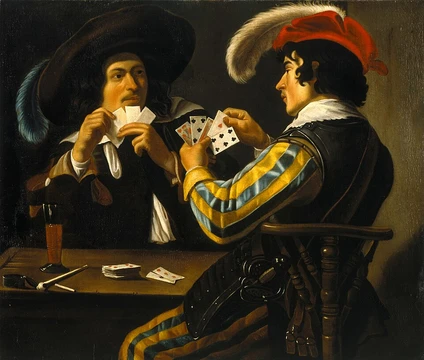
Playing card
Specially prepared cards used for games, magic, and collection.

Wikimedia Commons · CC0
A playing card is a small, palm-sized piece of material—such as card stock, heavy paper, thin cardboard, plastic-coated paper, a cotton-paper blend, or thin plastic—marked with distinctive designs. Both the front and back usually have a finish to make them easier to handle. These cards are mainly used for card games, but also appear in magic tricks, cardistry, card throwing, and building card houses; some people collect them as well. They are typically sold together in a set called a deck or pack.
The most common type in the West is the French-suited, standard 52-card deck, with the English pattern being the most widespread design, followed by the Belgian-Genoese pattern. Many countries, however, use traditional types like German, Italian, Spanish, or Swiss-suited cards. Tarot cards—also called Tarocks or tarocchi—are an old style of playing card still popular in France, central and Eastern Europe, and Italy. Customized tarot decks are also used for divination, including tarot card reading and cartomancy. Asia has its own regional cards, such as Japanese hanafuda, Chinese money-suited cards, and Indian ganjifa. The back of a card often features a pattern that makes it hard to see through translucent material or to identify cards by minor scratches or marks.
Playing cards come in many styles. Decks can be custom-made for competitions, casinos, and magicians (sometimes as trick decks), or produced as promotional items, souvenirs, artistic works, educational tools, or branded accessories. Collecting decks or even single cards is a hobby, sometimes for monetary value.
**History**
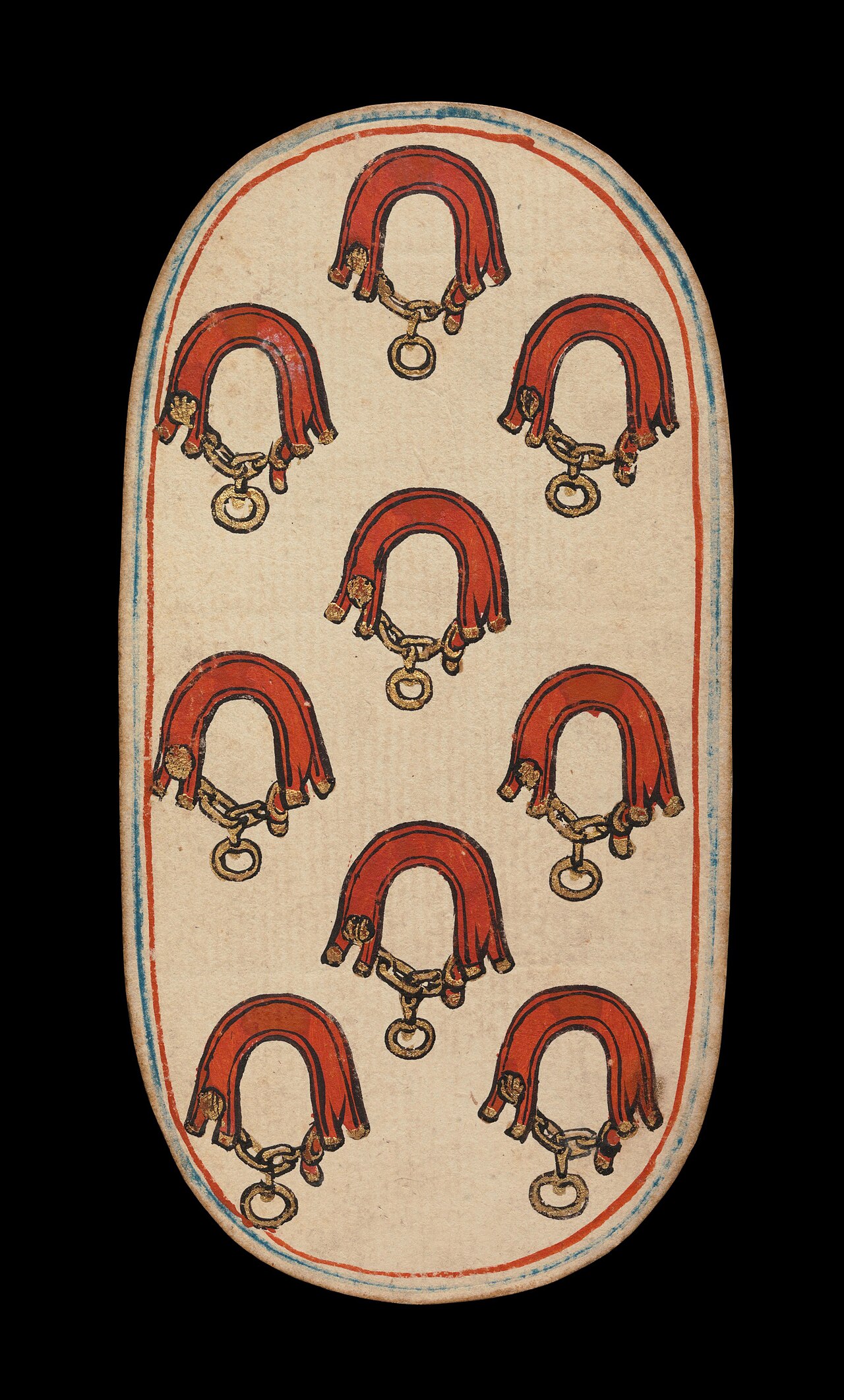
**China** Playing cards likely originated during the Tang dynasty around the 9th century, thanks to woodblock printing. A 9th-century text, the *Collection of Miscellanea at Duyang* by Tang writer Su E, mentions a "leaf game" often linked to playing cards, though the connection is debated. It describes Princess Tongchang, daughter of Emperor Yizong, playing this game in 868 with members of the Wei clan. The first known book on the leaf game, *Yezi Gexi*, was supposedly written by a Tang woman and later commented on by writers of later dynasties. Song dynasty scholar Ouyang Xiu (1007–1072) claimed the leaf game existed since the mid-Tang and linked its invention to printed sheets used as writing material, but he also said the "leaves" were book pages used in a dice-based board game whose rules were lost by 1067. From the Tang dynasty onward, drinking games used cards printed with instructions or forfeits, not suits or numbers. The earliest dated card game incident occurred on 17 July 1294, when the Ming Department of Punishments caught two gamblers, Yan Sengzhu and Zheng Zhugou, playing with paper cards; wood blocks for printing the cards and nine of the cards were seized. William Henry Wilkinson suggested the first cards might have been actual paper currency used as both tools and stakes, later replaced by "money cards" to avoid risk. One early game with known rules is *madiao*, a trick-taking game from the Ming dynasty (1368–1644). Fifteenth-century scholar Lu Rong described it as using 38 "money cards" in four suits: 9 in coins, 9 in strings of coins (possibly misinterpreted as sticks), 9 in myriads (of coins or strings), and 11 in tens of myriads. The last two suits featured Water Margin characters instead of pips, with Chinese text for rank and suit. The coin suit was in reverse order, with 9 of coins as the lowest and 1 of coins as the highest.
**Persia** Despite many patterns, suits show a uniform structure. Each suit has twelve cards: the top two are usually court cards (king and vizier), and the bottom ten are pip cards. Some decks, like those for Ganjifa, have eight suits totaling 96 cards. Half the suits use reverse ranking for pip cards. Suit motifs include coins, clubs, jugs, and swords, resembling later Mamluk and Latin suits. Michael Dummett speculated that Mamluk cards might have come from an earlier deck of 48 cards, divided into four suits with ten pip cards and two court cards each.
**Egypt** By the 11th century, playing cards spread across Asia and later reached Egypt. The oldest surviving cards are four fragments from the Keir Collection and one from the Benaki Museum, dated to the 12th and 13th centuries (late Fatimid, Ayyubid, and early Mamluk periods). A nearly complete Mamluk pack from the 15th century, similar to those fragments, was found by Leo Aryeh Mayer in Istanbul’s Topkapı Palace in 1939. It is not a full set but combines three different packs, likely to replace missing cards. The Topkapı pack originally had 52 cards in four suits: polo-sticks, coins.
- field
- Gaming and entertainment
- known_for
- Standardized sets of marked cards used for games, magic, and divination
- earliest_known_instance
- 17 July 1294, when two gamblers were caught playing with paper cards in Ming China
- oldest_surviving_cards
- Four fragments from the Keir Collection and one from the Benaki Museum, dated to the 12th and 13th centuries
Lore & Background
Playing cards were most likely invented during the Tang dynasty around the 9th century, as a result of the usage of woodblock printing technology. The reference to a leaf game in a 9th-century text known as the Collection of Miscellanea at Duyang, written by Tang dynasty writer Su E, is often cited in connection to the existence of playing cards, though the connection is disputed. The earliest dated instance of a game involving cards occurred on 17 July 1294 when the Ming Department of Punishments caught two gamblers playing with paper cards. By the 11th century, playing cards were spreading throughout the Asian continent and later came into Egypt. The oldest surviving cards in the world are four fragments found in the Keir Collection and one in the Benaki Museum, dated to the 12th and 13th centuries. Playing cards probably came to Europe from the East, specifically those used by the Mamluks in Egypt, and probably arrived first in Spain since the earliest European mention of playing cards appears in 1371 in a Catalan language rhyme dictionary.
Reader's Guide
Playing cards have been a central tool for games, magic, and divination across cultures for over a millennium. Their design has evolved from early Chinese leaf games and Mamluk suits to the French-suited, standard 52-card deck that dominates the West today. The most widespread design is the English pattern, followed by the Belgian-Genoese pattern, but many countries use traditional types such as German, Italian, Spanish, and Swiss-suited cards. Tarot cards, an old genre of playing card, remain popular in France, central and Eastern Europe, and Italy, and are also used for divination. Asia has regional cards like Japanese hanafuda, Chinese money-suited cards, and Indian ganjifa. Playing cards are available in a wide variety of styles, including custom decks for competitions, casinos, magicians, promotional items, souvenirs, artistic works, and educational tools. Decks or single cards are collected as a hobby or for monetary value. The reverse side of the card is often covered with a pattern to prevent players from reading others' cards through translucent material or identifying cards by minor marks.
Did You Know?
- The earliest dated instance of a game involving cards occurred on 17 July 1294 when two gamblers were caught playing with paper cards in Ming China.
- The oldest surviving cards in the world are four fragments from the Keir Collection and one from the Benaki Museum, dated to the 12th and 13th centuries.
- The word 'naip' appears in a Catalan language rhyme dictionary from 1371, the earliest European mention of playing cards.
From Mamluk Deputy to European Courtier
The card we now recognize as the Jack traces its lineage back to the Mamluk playing-card tradition, where it appeared as the thānī nā'ib, or second deputy—the lowest of three court cards rendered in abstract calligraphic art rather than figurative imagery. When this tradition spread to Italy and Spain, the card took on distinctly local identities: in Italy it became the fante, an infantry soldier, while in Spain it was the sota, a page ranked below the knight. France reorganized the hierarchy by inserting the queen between king and knight, and the knight was eventually eliminated from non-Tarot decks, leaving the valet directly beneath the queen. This king-queen-valet structure crossed the Channel into England, where by the mid-sixteenth century the card was called the knave—a term that originally denoted a boy or young man, a meaning preserved in the German Knabe. In the context of a royal household, both knave and the French valet referred to a male servant without a specialized trade, a generic attendant rather than a cook or coachman.
The Jack-versus-Knave Naming Controversy
For centuries, the proper English name for the lowest court card was knave, and calling it a jack was regarded as vulgar or low-class. The word jack, however, had long been a colloquial term for any ordinary fellow—visible in expressions like Jack-of-all-trades, Jack-in-the-box, and Jack-in-the-Pulpit—and had crept into card parlance through the game All Fours by the seventeenth century. Even so, card-game books published in the latter part of the nineteenth century still used knave, and Charles Dickens captured the social tension in Great Expectations when his character Estella exclaims, He calls the knaves, jacks, this boy! Today, Scandinavian decks retain the older terminology: Denmark uses Knægt with the symbol B for Bonde, and Sweden uses knekt with the symbol Kn.
Mythological Faces and Female Knaves
In the English card pattern, the jacks are deliberately generic—they represent no specific individual. This stands in sharp contrast to the French tradition, where each court card is linked to a named historical or mythological figure. In the Paris pattern, the jack of spades is associated with Ogier the Dane, a legendary knight of Charlemagne from the chansons de geste; the jack of hearts with La Hire, a French warrior; the jack of diamonds with Hector, the Trojan hero of the Iliad; and the jack of clubs with either Lancelot or Judas Maccabeus. Beyond these masculine associations, some decks subvert the expected gender. In certain southern Italian decks, the knaves are androgynous and sometimes called maids. The Sicilian Tarot deck goes further, depicting its knaves as unambiguously female figures also known as maids, making it the only traditional pack still in modern use that features two distinct ranks of female face cards alongside queens. This deck may have drawn influence from the now-obsolete Portuguese pattern, which also included female knaves, and the modern Mexican card pattern carries on the same tradition.
The Promoted Trickster
Though the jack sits at the bottom of the face-card hierarchy, many traditional games have elevated it to a position of extraordinary power, sometimes making it the highest-ranking card in the deck. This trickster promotion appears in some of the earliest known European card games, including Karnöffel, and continues in more modern games such as Euchre, where the jack serves as the top trump. In the euchre family and in German-origin games like Reunion, this elevated jack is called the Bower, a direct English loanword from the German Bauer, meaning farmer or peasant—a humble title for a card that commands the trick. The German and Swiss-suited card traditions use the term Unter for the equivalent rank, reinforcing the idea of a lowly figure who, paradoxically, wields supreme authority at the table. This recurring pattern across centuries and cultures underscores the jack's unique identity: the servant who outplays the king, the commoner who tops the hierarchy, a role that has made the card a perennial symbol of the underdog's triumph in the world of card games.
Gallery
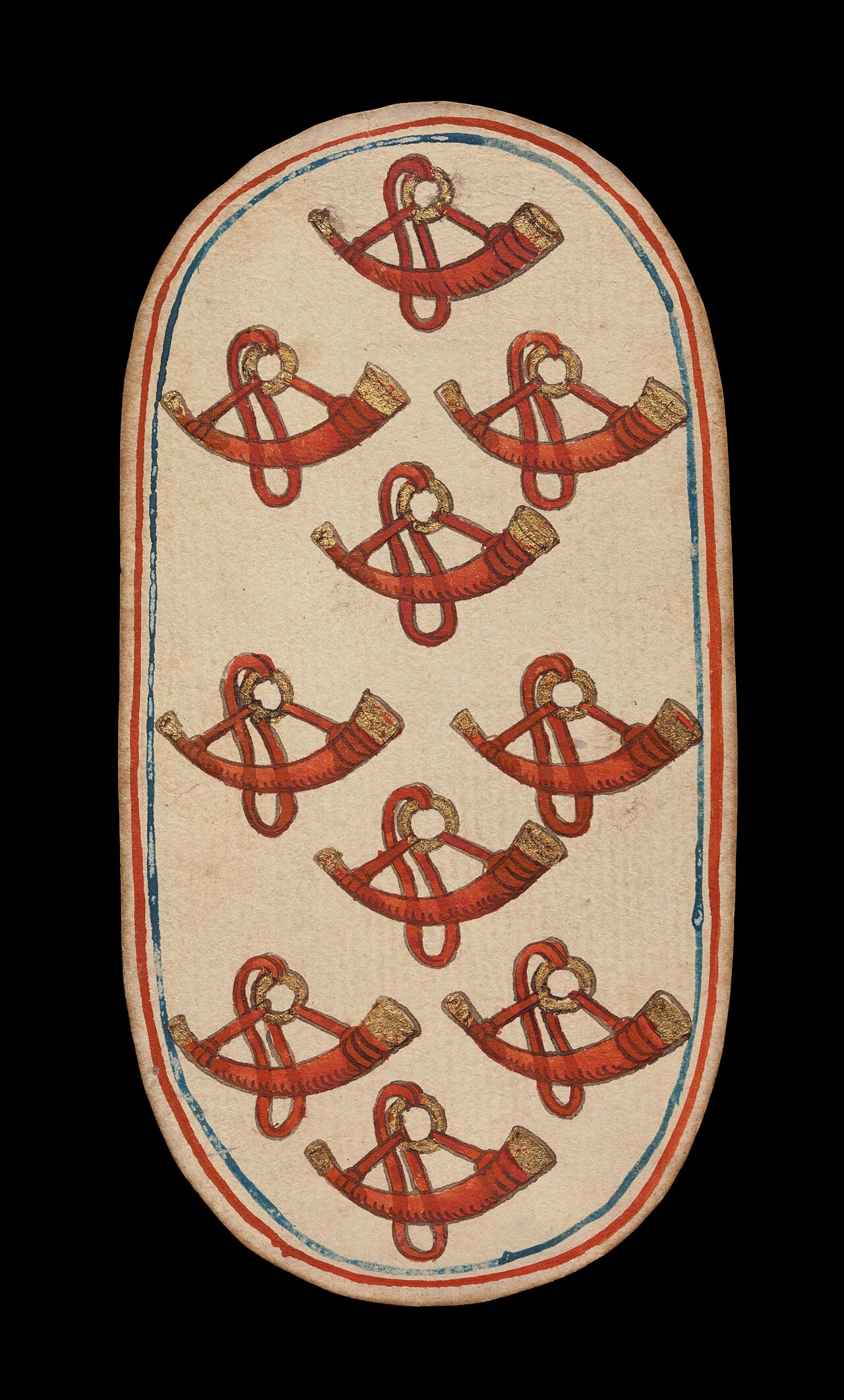
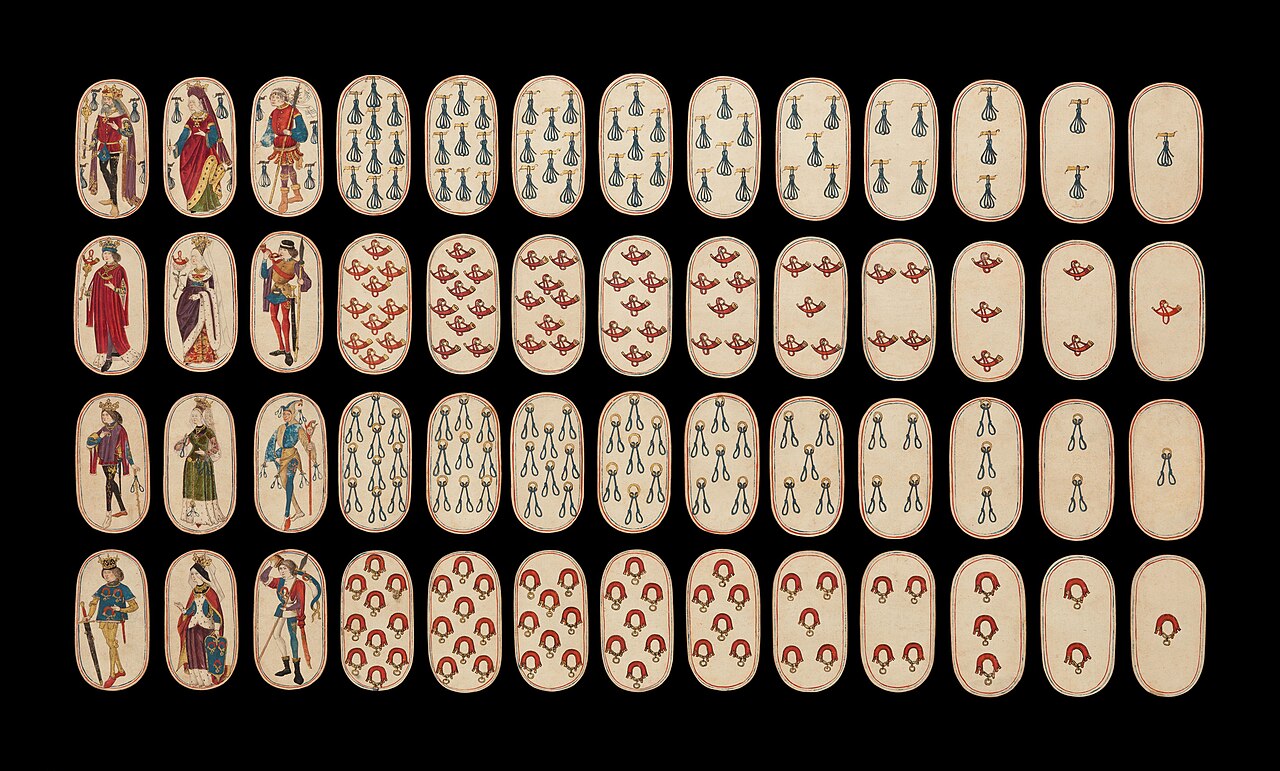
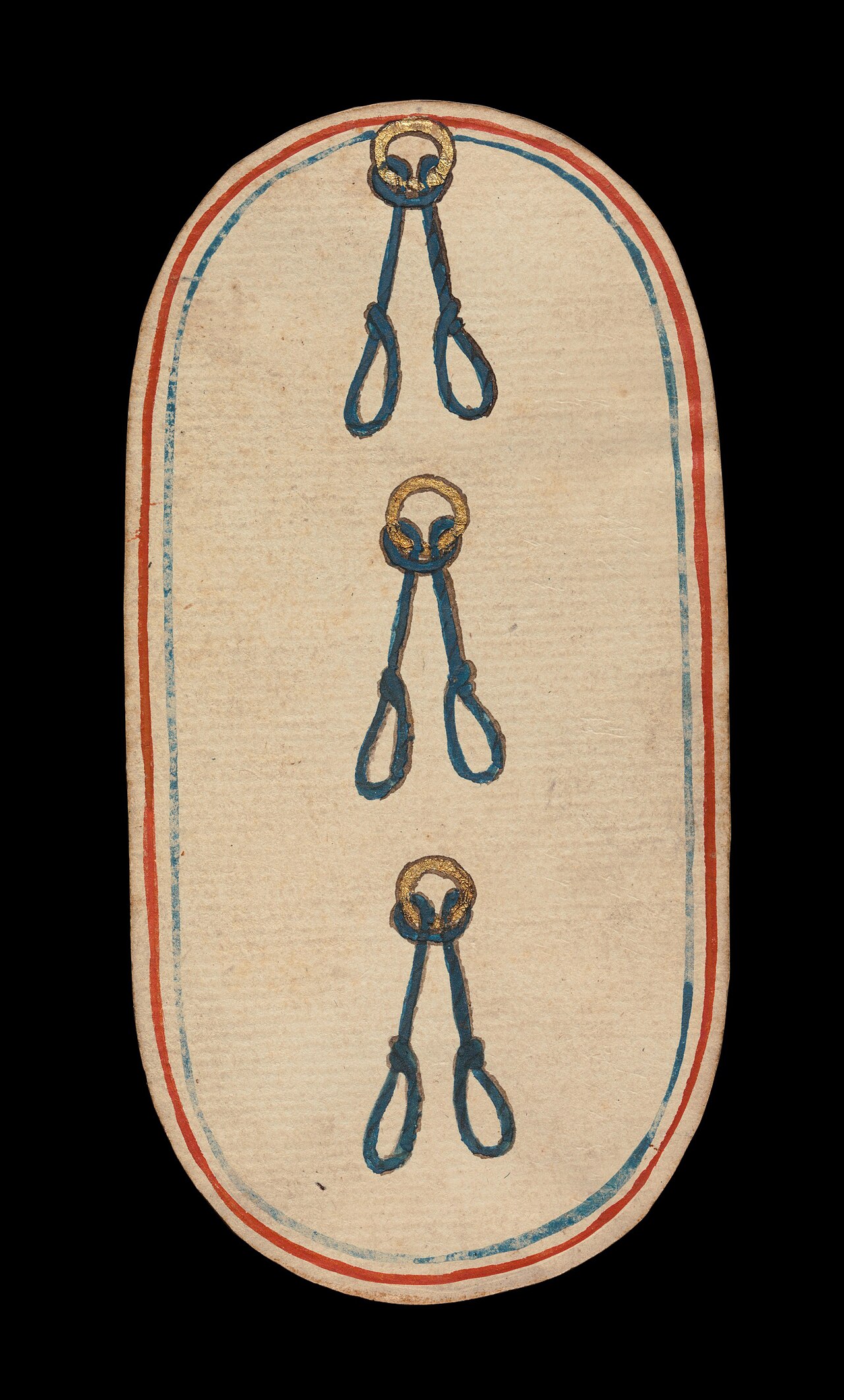
More in Card Games 1-22
Spotted an error? Know more?
This is a living reference — every entry is fact-audited, and reader corrections feed straight into our audit queue. Suggest an edit · See this site's audit record