Sub-brown dwarf
A failed star of planetary mass, formed like a star.
Last updated

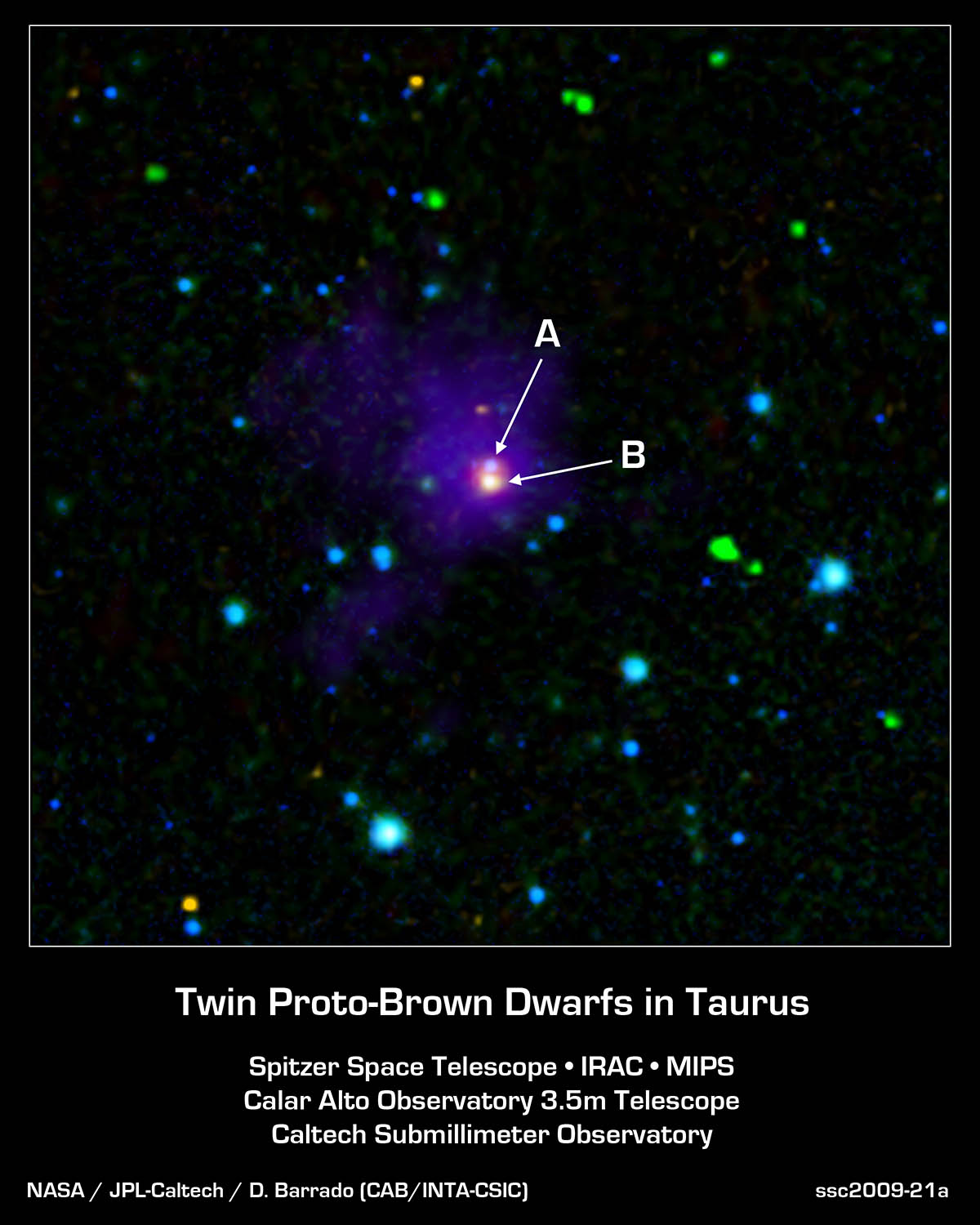
NASA/JPL-Caltech/Calar Alto Obsv./Caltech Sub. Obsv. · Public domain
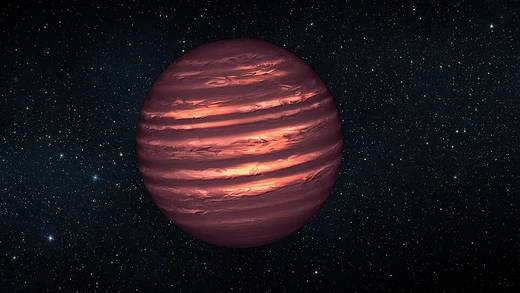
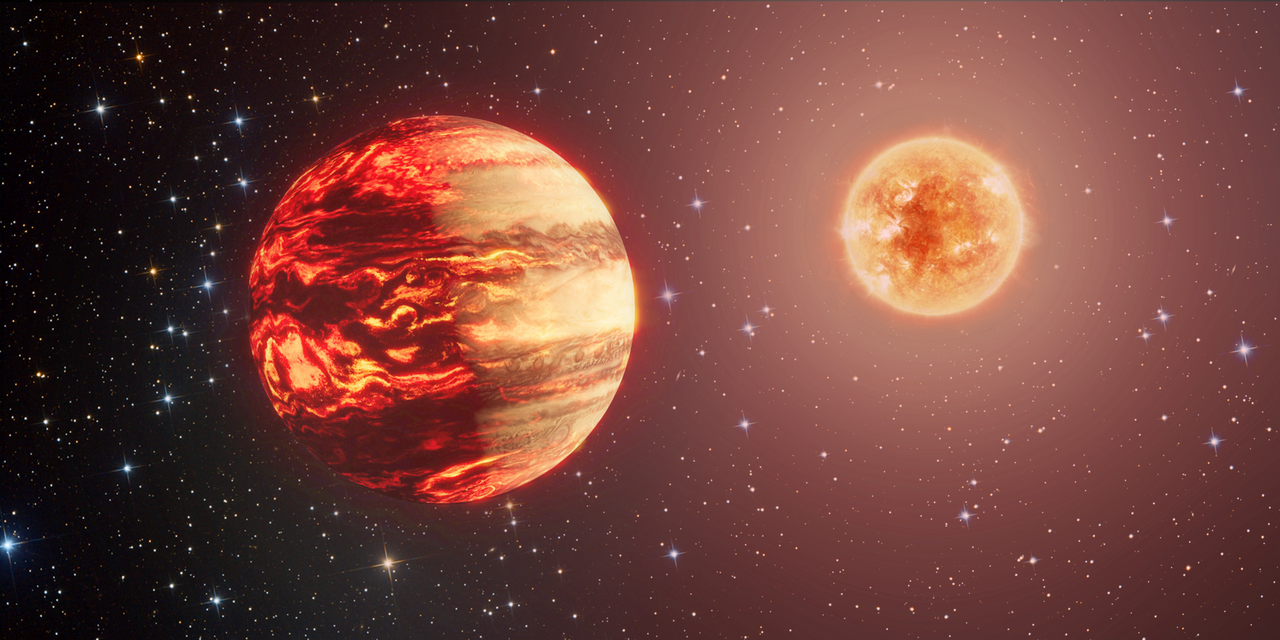
A sub-brown dwarf, also referred to as a planetary-mass brown dwarf, is an astronomical object that formed through the collapse of a gas cloud, like stars and brown dwarfs, but has a mass below the limiting mass for thermonuclear fusion of deuterium. These objects are notable because they blur the boundary between planets and failed stars, and some researchers classify them as rogue planets while others call them planetary-mass brown dwarfs.
Quick Facts
- Lower mass limit
- about 1 Jupiter mass (MJ)
- Upper mass limit
- below the limiting mass for deuterium fusion
- Formation mechanism
- collapse of a gas cloud (possibly with photo-erosion)
- Closest free floating example
- WISE 0855–0714
- 3–10 MJ
- about 7 light years away
Facts from the source article.
Lore & Background
Sub-brown dwarfs form through the gravitational collapse of a gas cloud, the same process that creates stars and brown dwarfs, but they never accumulate enough mass to fuse deuterium. The smallest mass that can collapse in this way is about 1 Jupiter mass, because the gas must radiate heat away, and opacity limits this process. A candidate with a mass of 3 MJ was described in a 2007 paper.
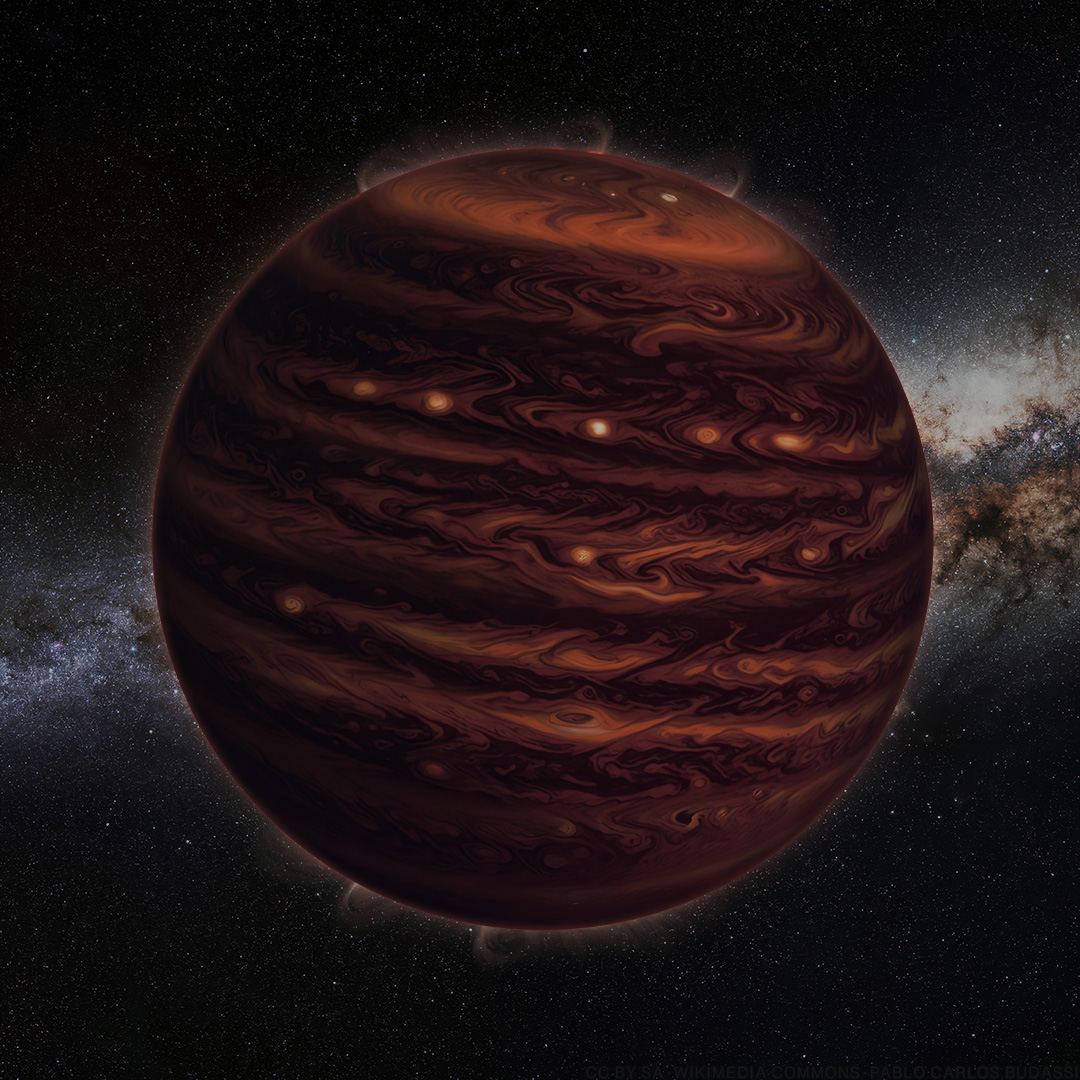
There is no consensus among astronomers on whether formation mechanism should determine classification. Free-floating sub-brown dwarfs can be observationally indistinguishable from rogue planets that originally formed around a star and were later ejected. Conversely, a sub-brown dwarf formed free-floating in a star cluster may be captured into orbit around a star, making distinction from large planets difficult.
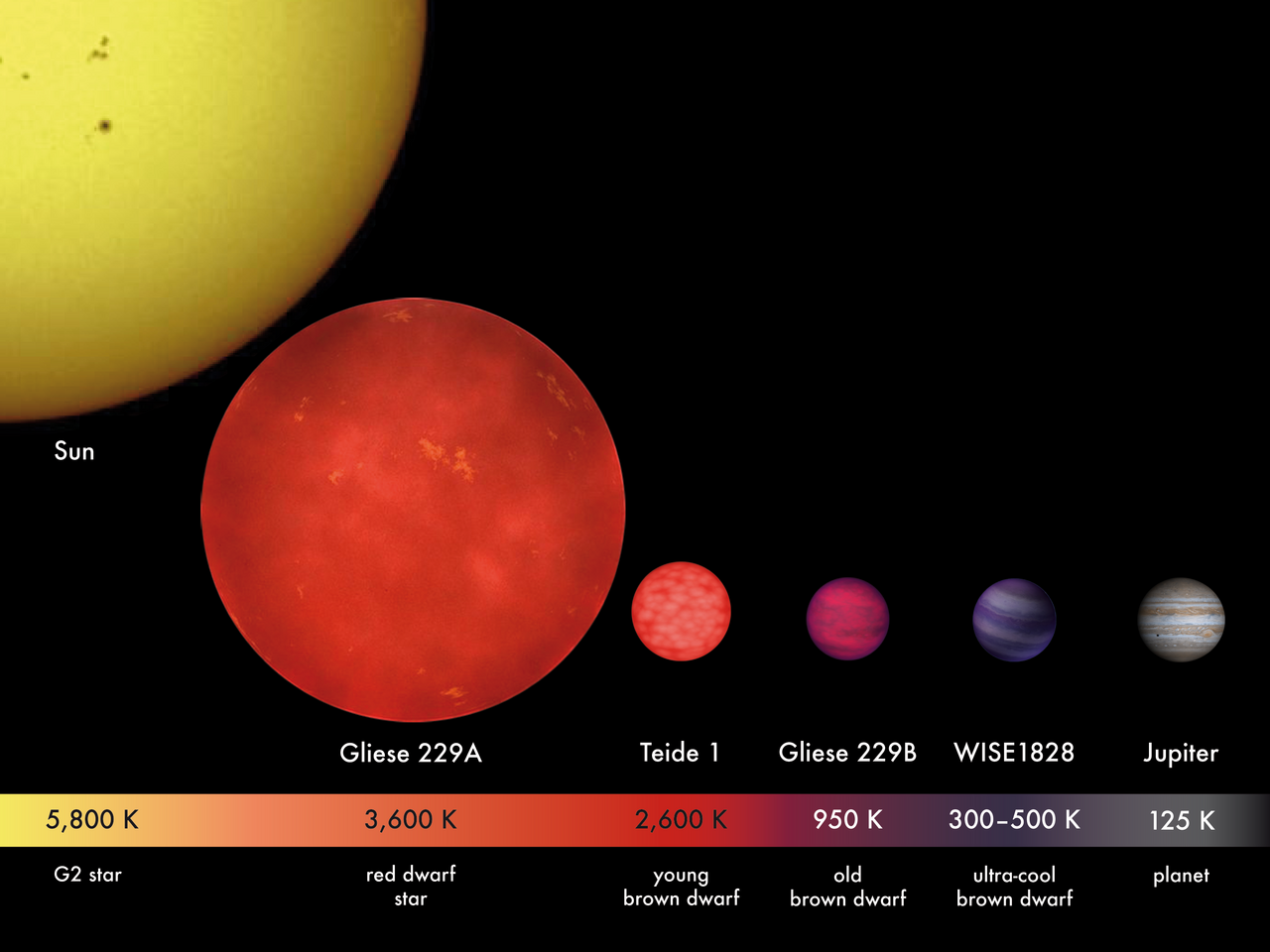
The IAU Working Group on Extra-Solar Planets defined a sub-brown dwarf as a free-floating body found in young star clusters below the lower mass cut-off of brown dwarfs. However, the IAU working definition of an exoplanet ignores formation mechanism, so some objects that might be sub-brown dwarfs are considered planets under that definition.
Reader's Guide
Sub-brown dwarfs occupy a contested region between planets and stars, and their study challenges definitions of what constitutes a planet. The IAU working definition of an exoplanet does not consider formation, so objects like HD 106906 b or ROXs 42Bb, which likely formed as failed stars, are often called exoplanets. In contrast, companions to brown dwarfs, such as WISE J0336−0143B, are excluded from the IAU exoplanet definition due to mass ratio constraints, leaving 'sub-brown dwarf' as the only fitting label, though they are more often referred to as planetary-mass objects.
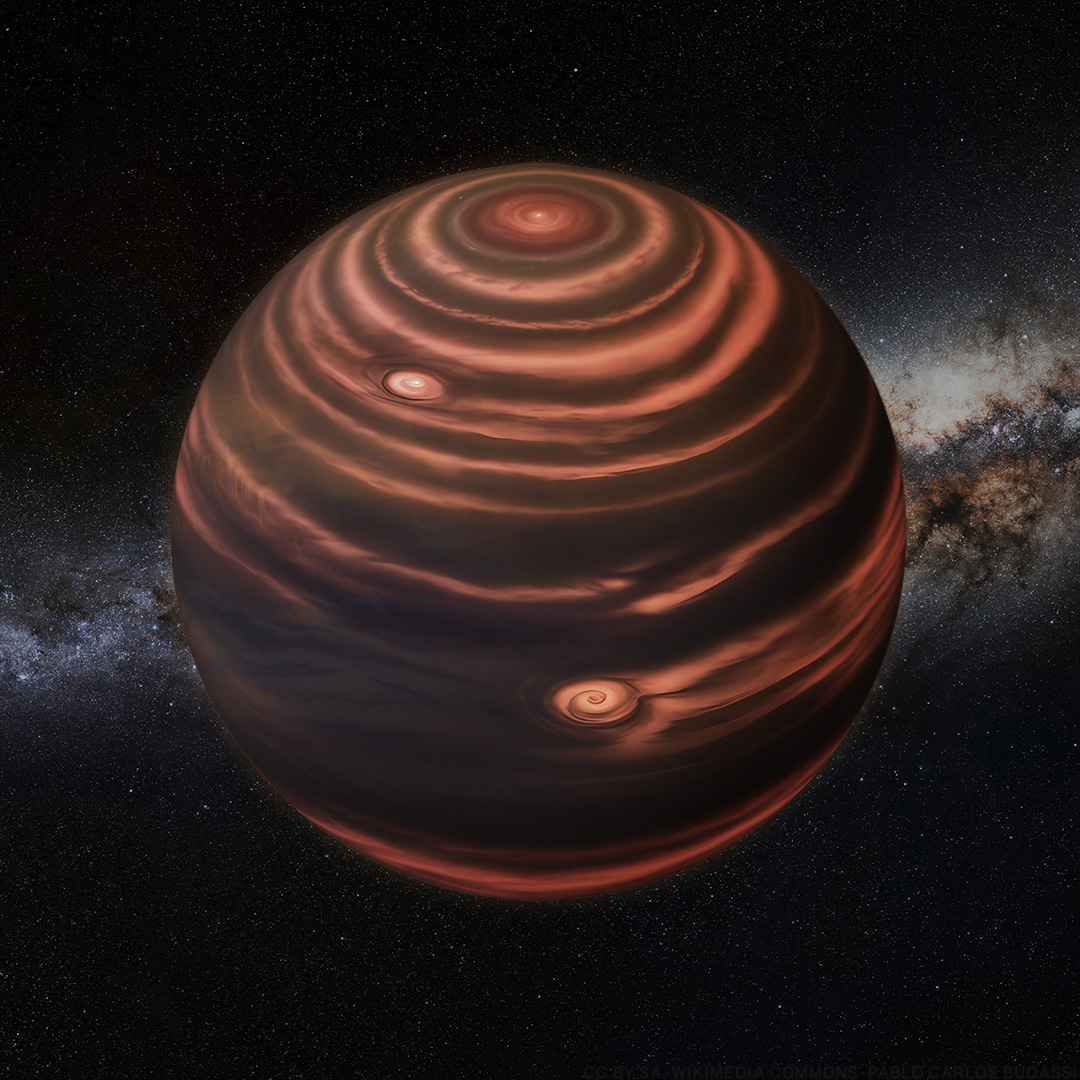
Free-floating sub-brown dwarfs, also called rogue planets, include nearby examples like WISE 0855–0714 (3–10 MJ, about 7 light years away) and UGPS 0722-05 (10–25 MJ, 13 light years away). These objects are valuable for studying planetary-mass atmospheres and formation processes without the glare of a host star. The lack of consensus on classification means that sub-brown dwarfs remain a key test case for how astronomers define planets and brown dwarfs, and their legacy lies in forcing the field to refine its categories based on both formation and physical properties.
More in Brown Dwarfs
Sources
Compiled from Wikipedia and the sources listed below. Text from Wikipedia is available under CC BY-SA 4.0; this entry is adapted from it.
- Wikipedia: Sub-brown dwarf (CC BY-SA 4.0).
Spotted an error? Know more?
Reader corrections go straight into our review queue. Suggest an edit · How this site is sourced