
Babe Ruth
The Sultan of Swat
Last updated

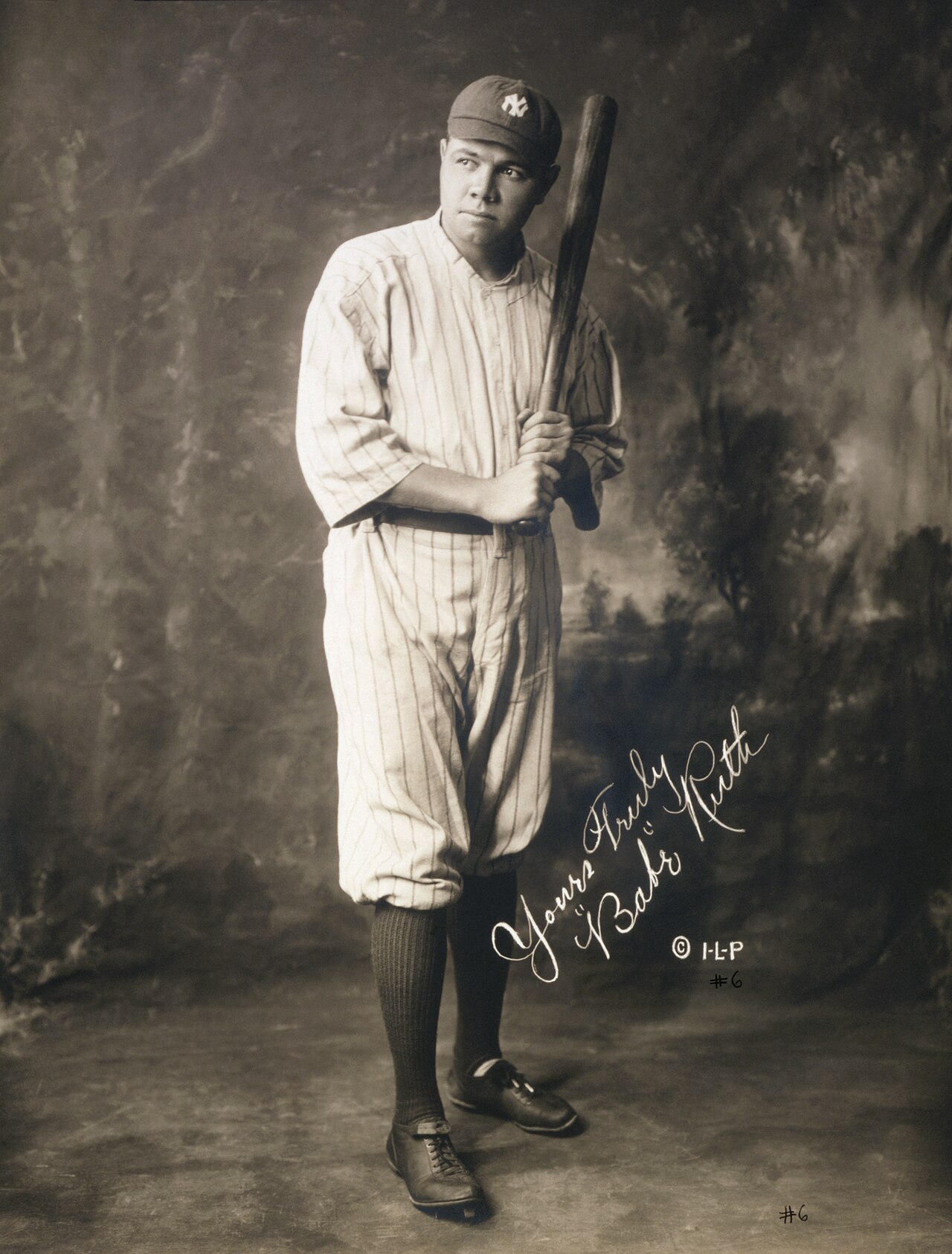
Irwin, La Broad, & Pudlin. · Public domain
George Herman "Babe" Ruth (February 6, 1895 – August 16, 1948) played 22 seasons in Major League Baseball, from 1914 to 1935. Known as "the Bambino" and "the Sultan of Swat," he started out as a standout left-handed pitcher for the Boston Red Sox but became most famous as a power-hitting outfielder for the New York Yankees. Ruth is widely seen as one of America's greatest sports figures and is often called the best baseball player ever. In 1936, he was chosen for the Baseball Hall of Fame as part of its first group of five inductees.
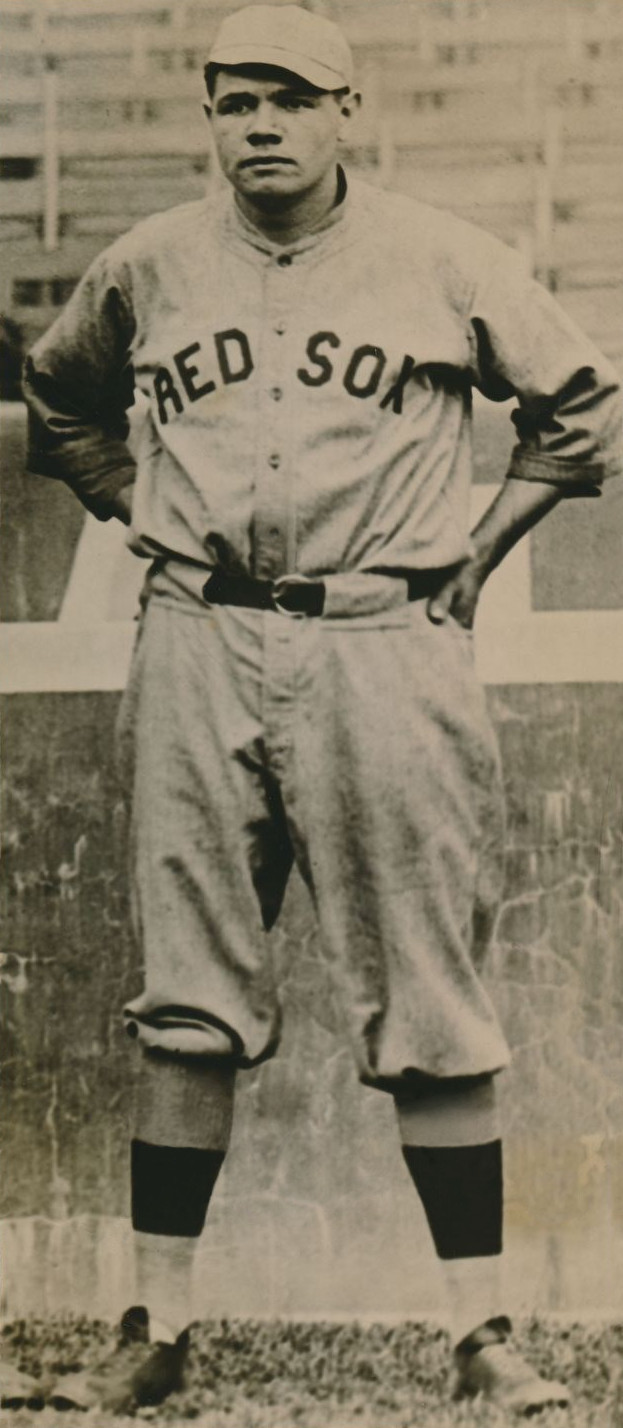
When Ruth was seven, his family sent him to St. Mary's Industrial School for Boys. In 1914, he signed a minor league deal with the Baltimore Orioles and was quickly sold to the Red Sox. By 1916, he was known as an excellent pitcher who occasionally hit long home runs—something rare during the dead-ball era. Though he twice won 23 games in a season as a pitcher and won three World Series with Boston, Ruth wanted to play every day, so the team let him switch to the outfield.
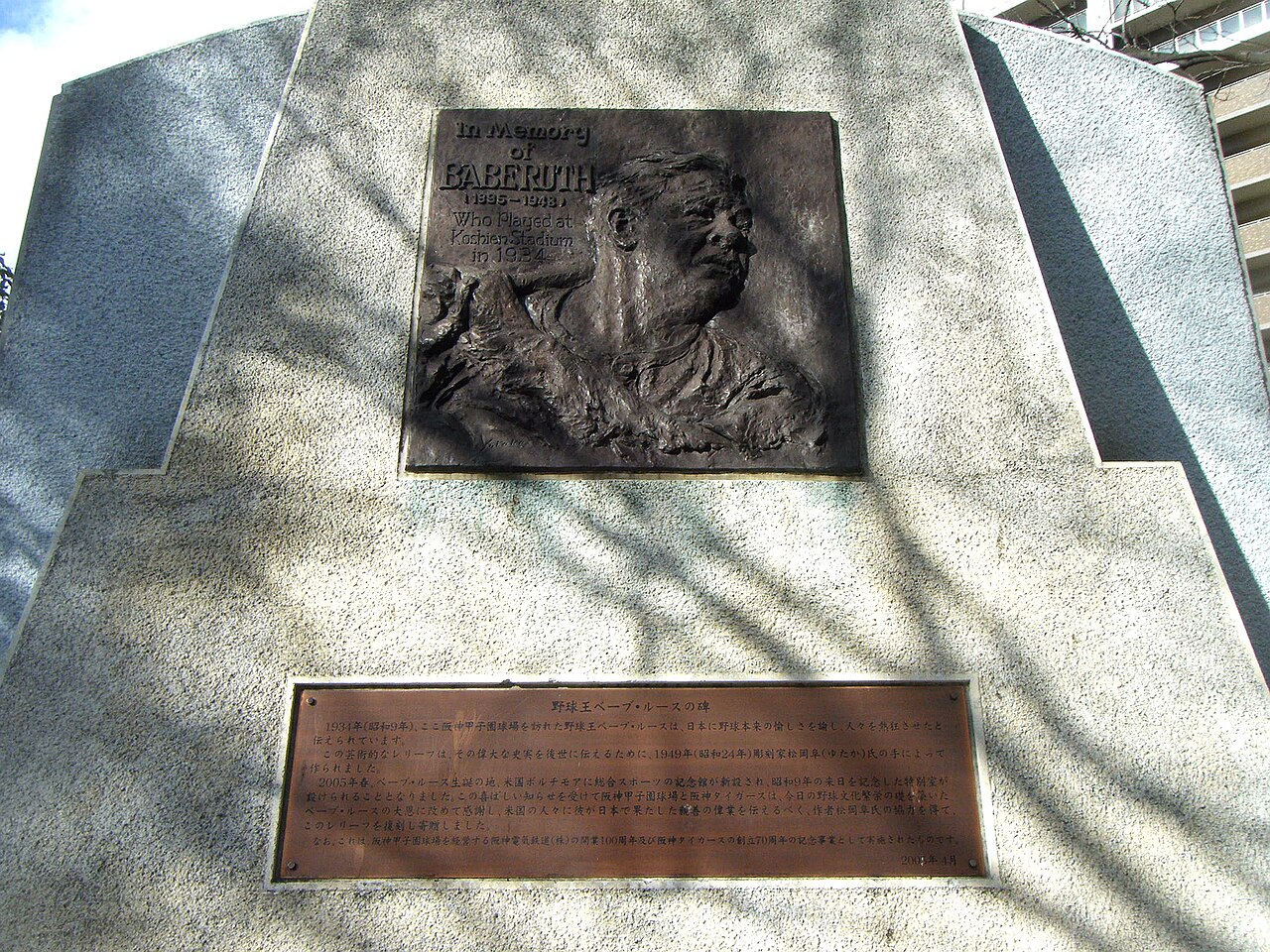
With regular at-bats, he broke the single-season home run record in 1919 with 29. After that season, Red Sox owner Harry Frazee sold Ruth to the Yankees, a move that sparked controversy. That trade is often linked to Boston's 86-year championship drought and the "Curse of the Bambino" legend.
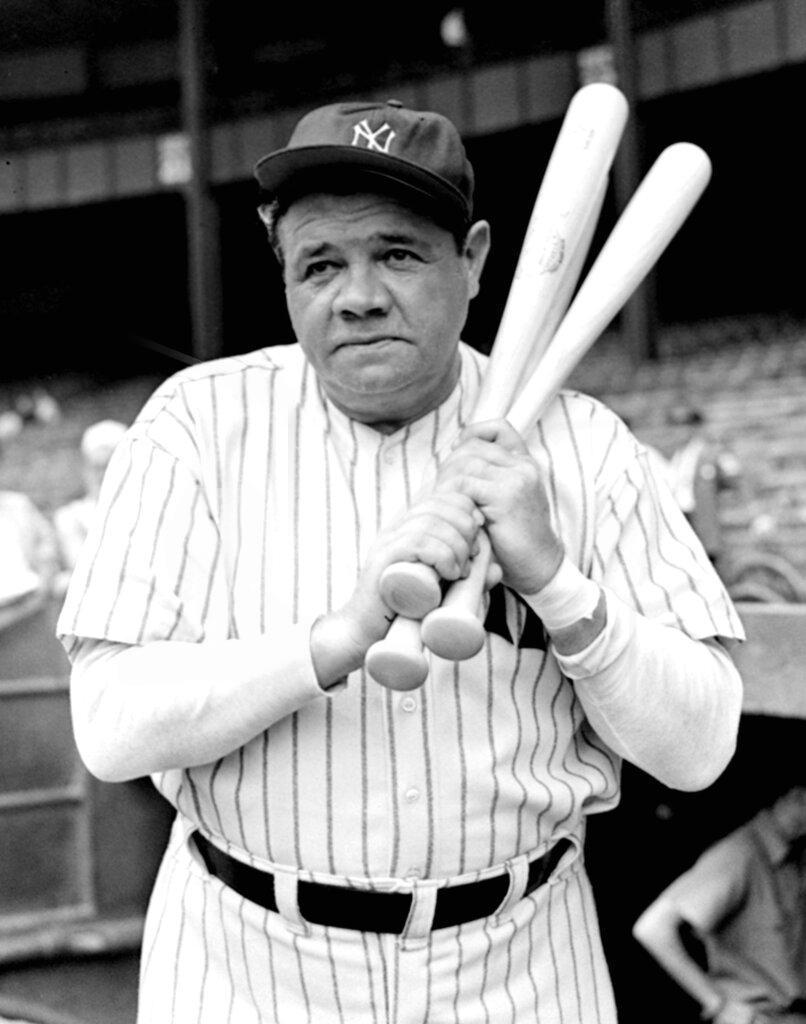
Over 15 years with the Yankees, Ruth helped the team win seven American League pennants and four World Series titles. His powerful swing pushed home run totals higher, drawing fans to ballparks, boosting the sport's popularity, and helping shift baseball from a low-scoring, strategy-driven game to one where the home run mattered most. As part of the Yankees' 1927 "Murderers' Row" lineup, Ruth hit 60 home runs, breaking his own single-season record by one. He played his last season with the Yankees in 1934 and retired after a short time with the Boston Braves in 1935.
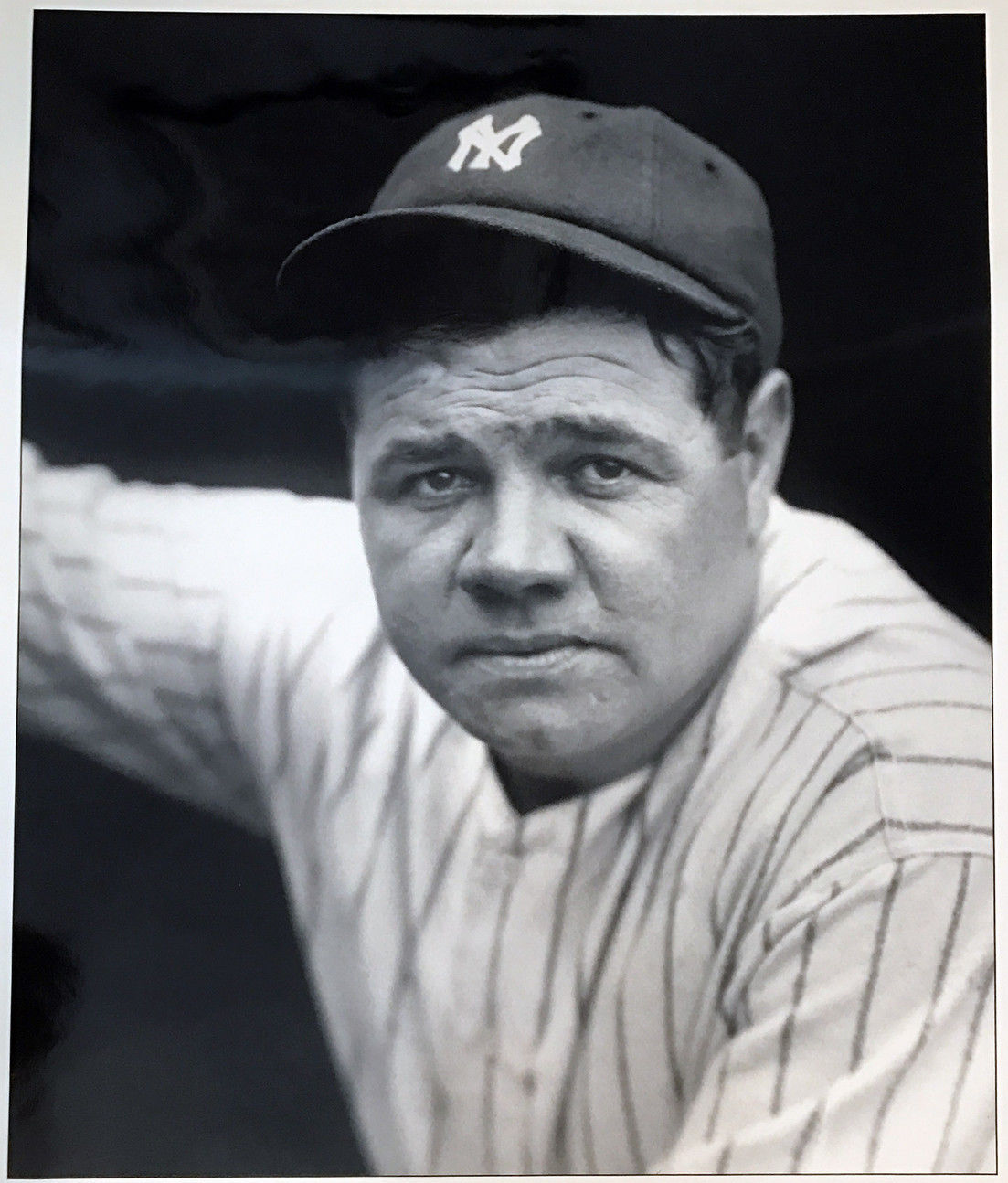
Over his career, he led the American League in home runs 12 times. During his playing days, Ruth drew intense media and public attention for both his baseball feats and his off-field habits of drinking and womanizing. After retiring, he was never given a chance to manage a major league team, likely due to his behavior during parts of his career. In his final years, he made many public appearances, especially to support American efforts in World War II.
In 1946, he got sick with nasopharyngeal cancer and died from it two years later. Ruth remains a major figure in American culture. Ruth was born on February 6, 1895, at 216 Emory Street in Baltimore's Pigtown neighborhood, in a house owned by his maternal grandfather, Pius Schamberger, a German immigrant and union member. His parents, Katherine and George Herman Ruth Sr., were both of German descent.
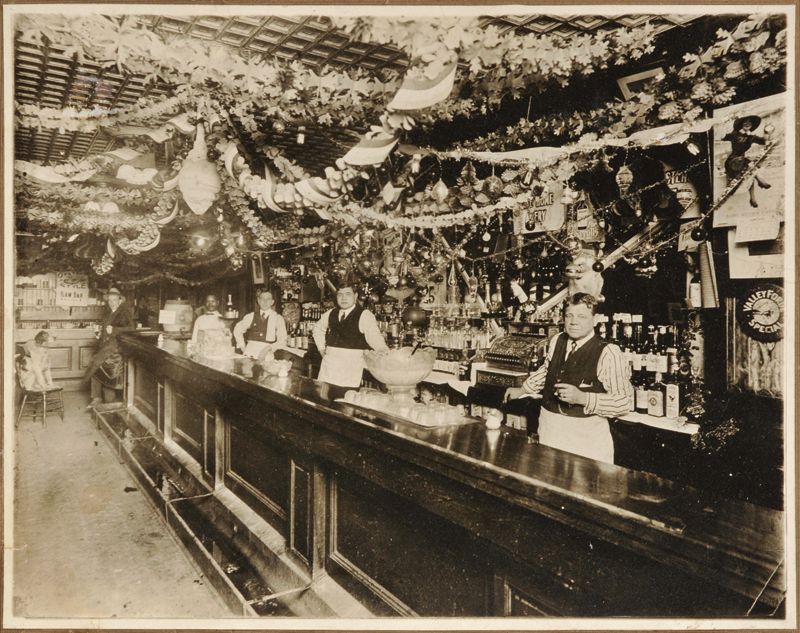
His father worked as a lightning rod salesman and streetcar operator before becoming a counterman in a family grocery and saloon. Only one of Ruth's seven siblings, his younger sister Mamie, lived past infancy. Much of Ruth's early life is unclear. As a child, he spoke German.
Early life
When he was a toddler, his family moved to 339 South Woodyear Street; by age six, his father ran a saloon with an upstairs apartment at 426 West Camden Street. It's not fully known why Ruth was sent to St. Mary's Industrial School for Boys—a reformatory and orphanage—at age seven. According to his daughter Julia Ruth Stevens in 1999, his father was a saloon owner who gave him little supervision, and Ruth became a delinquent. As an adult, Ruth admitted he ran the streets, rarely went to school, and drank beer when his father wasn't looking.
Some accounts say that after a violent incident at his father's saloon, city officials decided the environment was unfit for a child. Ruth entered St. Mary's on June 13, 1902. He was labeled "incorrigible" and spent most of the next 12 years there.
Boys at St. Mary's received an education but also learned work skills and helped run the school, especially after turning 12. Ruth became a shirtmaker and a skilled carpenter, even adjusting his own shirt collars during his well-paid baseball career. The boys, aged 5 to 21, did most of the facility's work and renovated St. Mary's in 1912. Food was simple, and the Xaverian Brothers who ran the school enforced strict discipline, including corporal punishment.
Ruth's nickname there was "Niggerlips" because of his large facial features and darker skin compared to other boys at the all-white reformatory. Ruth was sometimes allowed to visit his family or stay at St. James's Home, a supervised residence with community work, but he always returned to St. Mary's. His family rarely visited; his mother died when he was 12, and by some accounts, he was only allowed to leave for her funeral. How he started playing baseball there is uncertain: one story says he was sent to St. Mary's partly because he kept breaking windows with long hits while playing street ball; another says on his first day, Brother Herman, the school's athletic director, told him to join a team, and he became a catcher even though left-handers rarely play that position.
Lore & Background
At age seven, Ruth was sent to St. Mary's Industrial School for Boys. There, he became a shirtmaker and was also a proficient carpenter. He would adjust his own shirt collars, even during his well-paid baseball career.
Career & Achievements
Babe Ruth's baseball journey began in 1914 in Baltimore at the minor league level with the Orioles in the International League. He was then traded to the Boston Red Sox in the American League, where he initially served as a pitcher. His most legendary era arrived during the 1920s and 1930s when he became an outfielder and slugger for the New York Yankees.
His extraordinary power hitting earned him the nickname "Sultan of Swat" and, alongside other talented teammates, helped transform the previously underwhelming Yankees into the feared "Bronx Bombers," launching what would become one of several decades-long dynasties. In his later years, he played a single season with the Boston Braves in the National League in 1935 and served as a coach for the Brooklyn Dodgers in 1938. His legacy was permanently cemented when he became one of five players inducted into the National Baseball Hall of Fame's inaugural class in 1936.
Frequently Asked Questions
Who is Babe Ruth?
George Herman "Babe" Ruth (1895–1948) was an American Major League Baseball player whose 22-season career stretched from 1914 to 1935. He is widely regarded as the greatest baseball player of all time and remains one of the most recognizable figures in American sports culture.
Was Babe Ruth a pitcher or a position player?
Ruth started out as a dominant left-handed pitcher for the Boston Red Sox before shifting to the outfield, where he became the most feared slugger of his generation. That rare dual role made him one of the most versatile athletes in the sport's history.
Why did Babe Ruth leave the Boston Red Sox?
The Red Sox organization sold Ruth to the New York Yankees in December 1919, a deal that still fuels the "Curse of the Bambino" story among Boston fans. In New York he went on to redefine power hitting and usher in the live-ball era.
How many career home runs did Babe Ruth hit?
Ruth finished his career with 714 home runs, a major-league record that held for 39 years until Hank Aaron broke it in 1974. His sheer power fundamentally reshaped baseball into the long-ball sport fans know today.
Also in the Codexery
More in Baseball & Softball
Sources
Compiled from Wikipedia and the sources listed below. Text from Wikipedia is available under CC BY-SA 4.0; this entry is adapted from it.
- Wikipedia: Babe Ruth (CC BY-SA 4.0).
Spotted an error? Know more?
Reader corrections go straight into our review queue. Suggest an edit · How this site is sourced