
Cy Young
The winningest pitcher in MLB history, with 511 career victories.
Last updated

via Wikipedia: Sandy Alcántara · see source
Denton True "Cy" Young, a pitcher and manager in Major League Baseball, was born on March 29, 1867, in Gilmore, Ohio, and passed away on November 4, 1955. Growing up, he helped out on the family farm before turning to professional baseball. His major league debut came in 1890 with the National League’s Cleveland Spiders, where he remained until 1898.
After that, he moved to the St. Louis Cardinals organization. In 1901, Young switched to the American League, playing for the Boston Red Sox franchise through 1908 and contributing to their 1903 World Series victory. He ended his playing days with the Cleveland Naps and the Boston Rustlers, retiring in 1911.
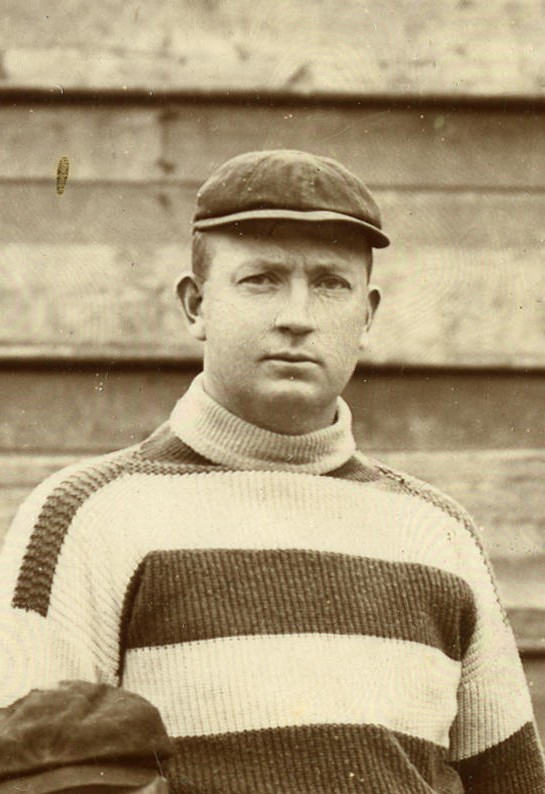
Early in his career, Young was known for throwing extremely hard. As his speed declined, he relied more on pinpoint control, staying effective well into his forties.
Career accomplishments
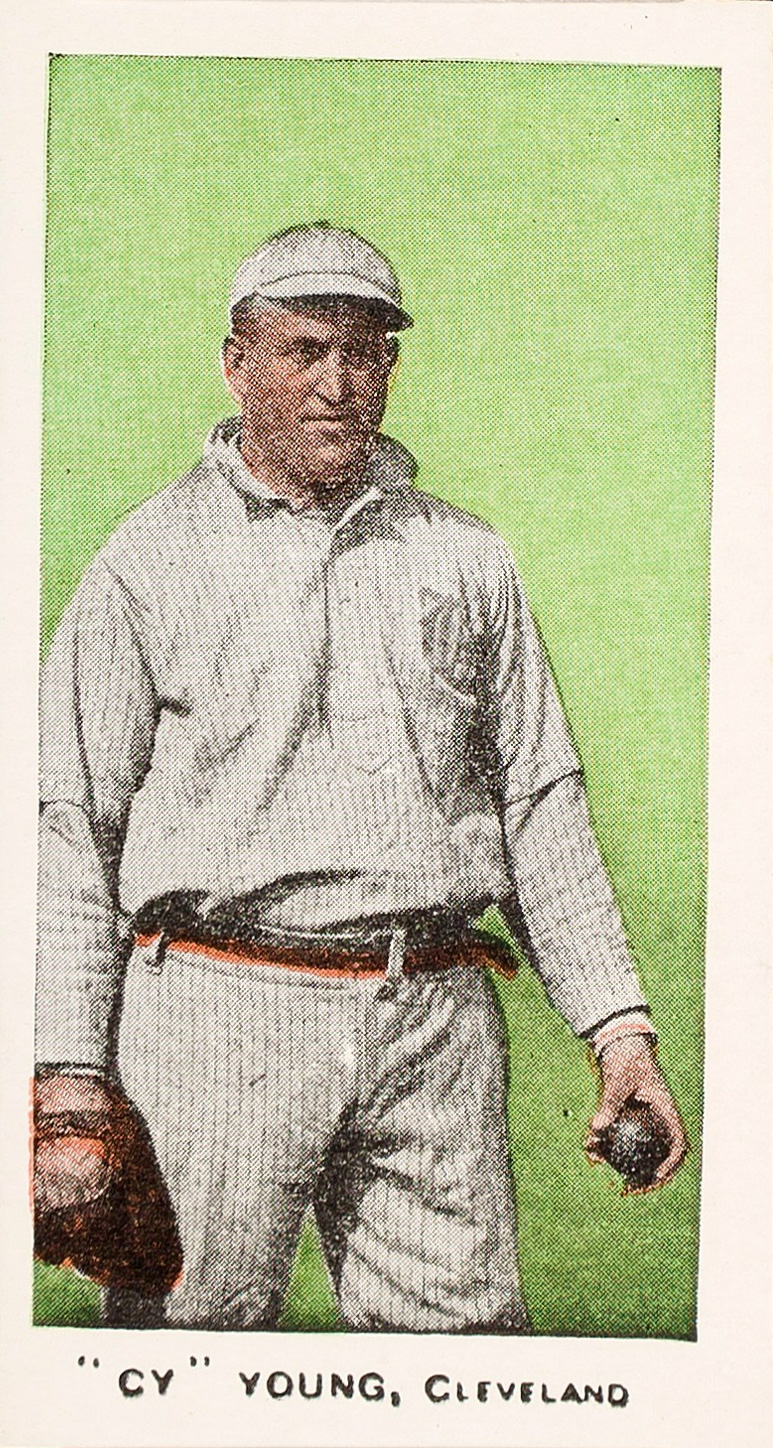
By the time he hung up his cleats, he had set numerous pitching records, many of which have lasted more than a century. Among his career marks are 511 wins, the most in MLB history, along with the most losses, earned runs, hits allowed, innings pitched, games started, batters faced, complete games, and pitching WAR. He led his league in wins five times and threw three no-hitters, including a perfect game in 1904.
Legacy
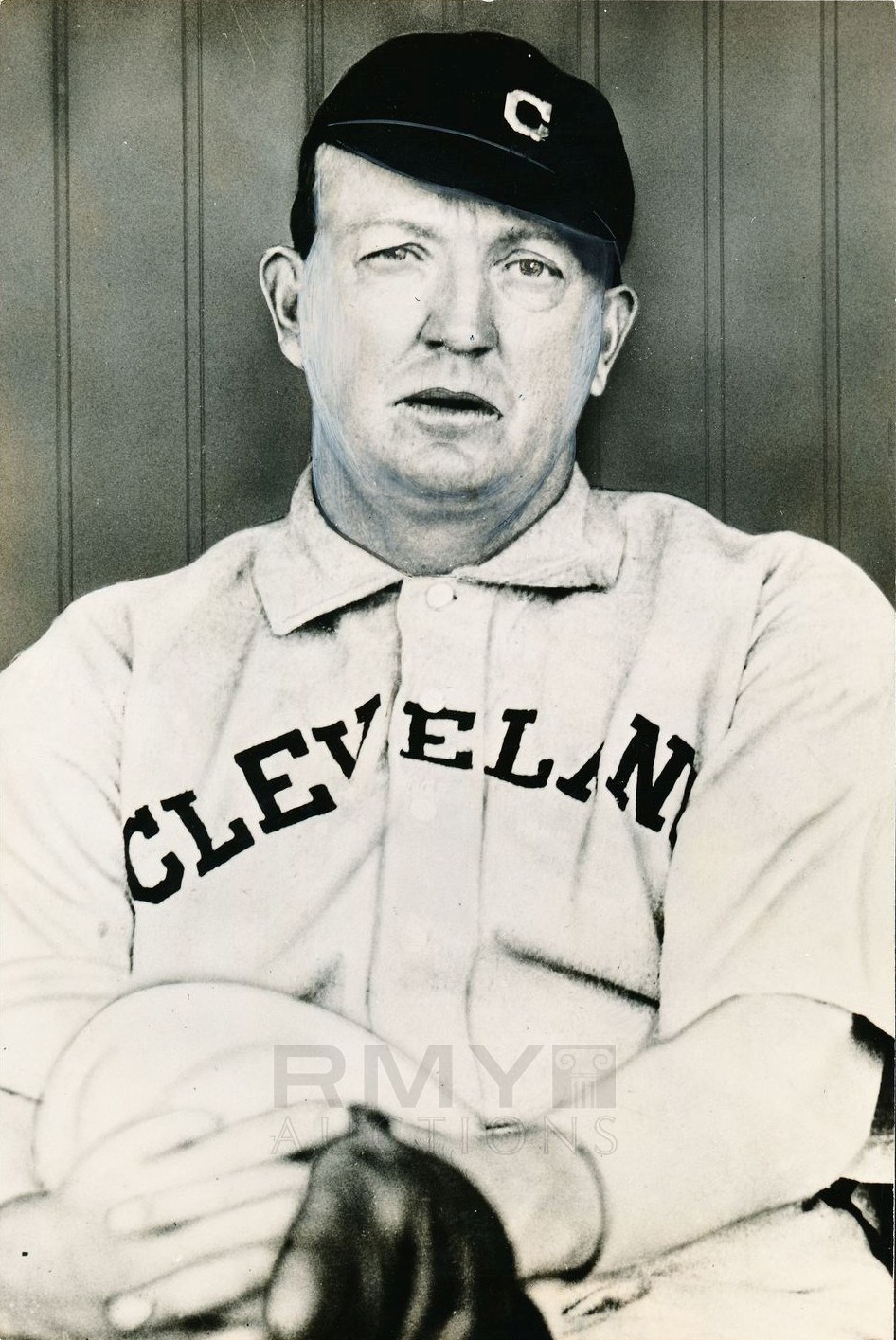
Young was elected to the National Baseball Hall of Fame in 1937. He is widely considered one of the greatest pitchers ever and a pioneer of modern pitching. The Cy Young Award, created in 1956—just a year after his death—honors the best pitcher in the major leagues each season, making his name forever linked with pitching excellence.
Early life
Young was the oldest of five children born to Nancy (Mottmiller) and McKinzie Young Jr., and was christened Denton True Young. He had part German ancestry.
His father received 54 acres of farmland from his own father when he married, and the family lived in the tiny farming community of Gilmore, in Washington Township, Tuscarawas County, Ohio. Known early on as Dent Young, he also went by “Farmer Young” and “Farmboy Young.” He left school after the sixth grade to work on the farm. In 1885, he moved with his father to Nebraska, but they returned to Gilmore in the summer of 1887.
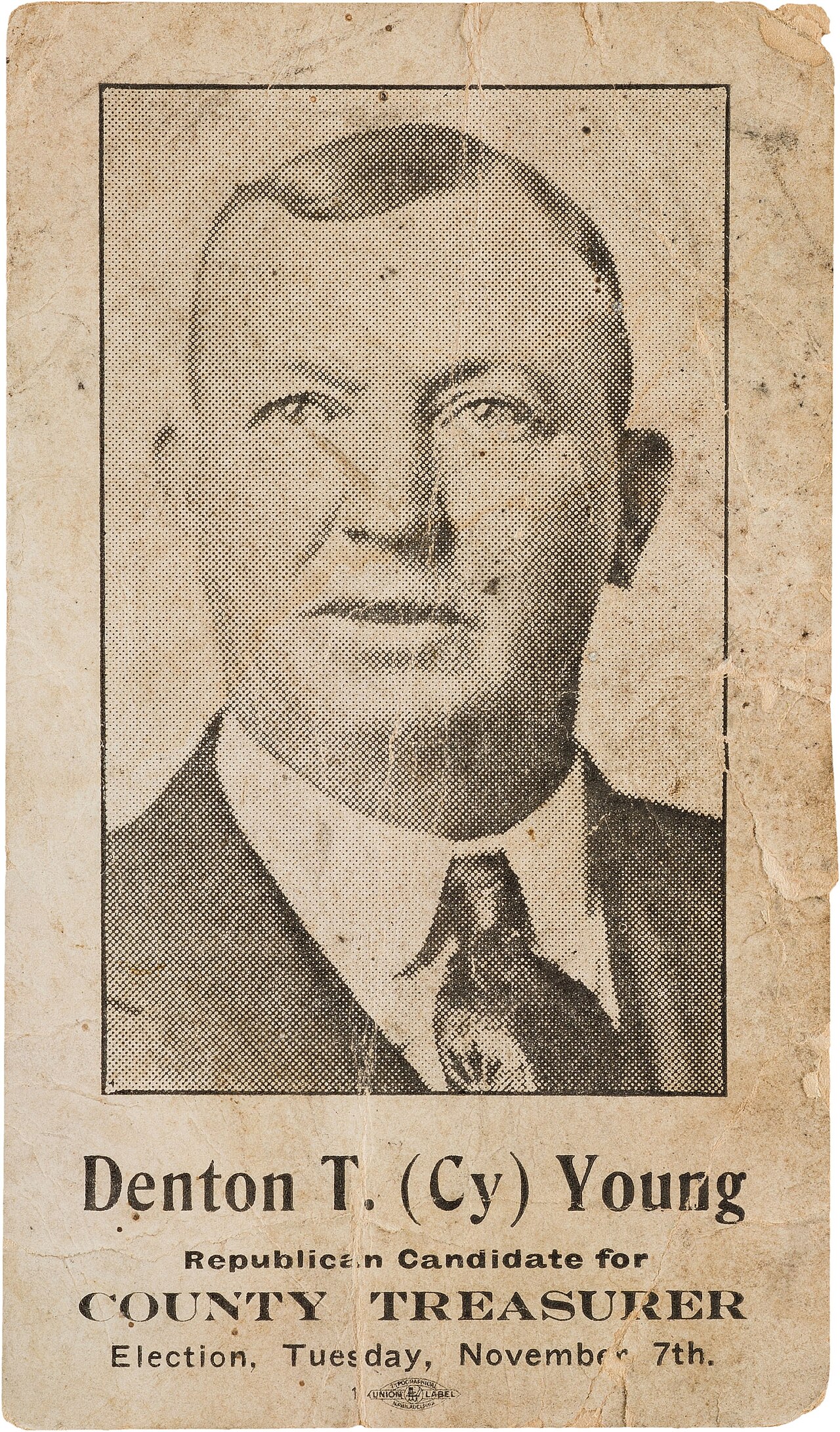
During his youth, Young played in various amateur leagues, including a semi-professional team in Carrollton in 1888, where he pitched and played second base. The first known box score with his name shows him playing first base and getting three hits in three at-bats. After that season, he received an offer from the minor league Canton team, launching his professional career.
Minor leagues
Young’s professional start came in 1890 with the Canton Nadjys of the Tri-State League. During his tryout, he recalled, “I almost tore the boards off the grandstand with my fast ball.” His nickname “Cy” came from the cyclone-like damage his fastball did to fences, later shortened by reporters. That year with Canton, he posted a 15-15 record.
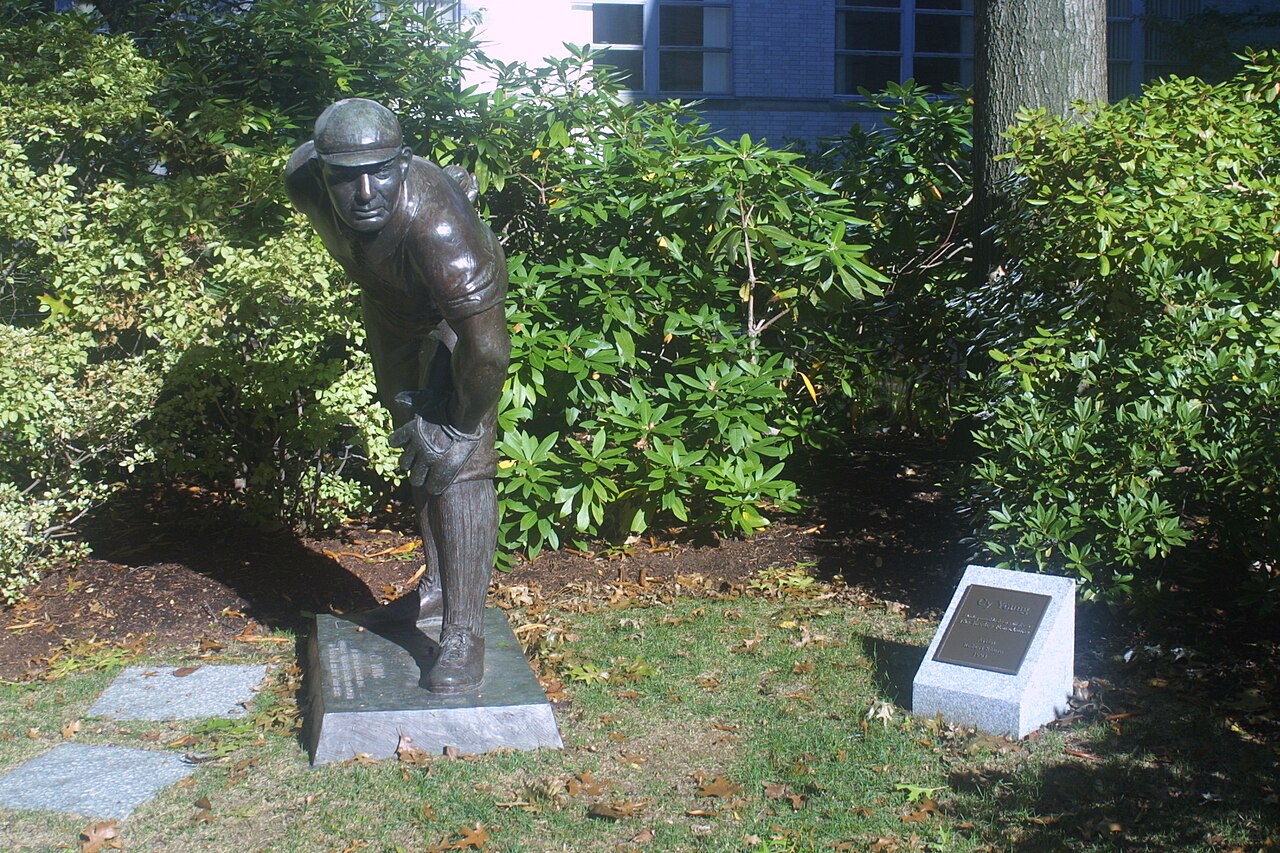
In 1890, Young signed with the Cleveland Spiders, who had moved from the American Association to the National League. He made his major league debut on August 6, 1890, pitching a three-hit, 8-1 win over the Chicago Colts. With the Spiders, catcher Chief Zimmer was his most frequent battery mate; baseball statistician Bill James estimated they formed the most-used battery in history. Young quickly gained a reputation as one of the hardest throwers in the game.
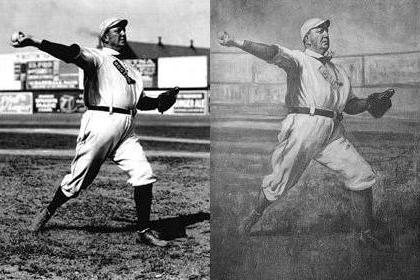
James wrote that Zimmer often put a piece of beefsteak in his glove to protect his hand from Young’s fastball. On the final day of the 1890 season, Young won both games of a doubleheader. Early on, Cap Anson of the Chicago Colts offered $1,000 for Young, but Spiders manager Gus Schmelz declined, saying, “Cap, you can keep your thousand and we’ll keep the rube.”
In 1892, the National League moved the pitcher’s position back five feet, establishing the modern distance of 60 feet from home plate. The change was partly driven by the speed of pitchers like Young, Amos Rusie, and Jouett Meekin. That season, Young led the National League in wins (36), ERA (1.93), and shutouts (9). The league used a split-season format in 1892, with the Boston Beaneaters winning the first half.
Lore & Background
Young was one of the hardest-throwing pitchers in the game early in his career. After his speed diminished, he relied more on his control and remained effective into his forties. By the time Young retired, he had established numerous pitching records, some of which have stood for over a century. He holds MLB records for the most career wins, with 511, along with most career losses, earned runs, hits allowed, innings pitched, games started, batters faced, complete games and pitching WAR.
He led his league in wins during five seasons and pitched three no-hitters, including a perfect game in 1904. In 1937, Young was elected to the National Baseball Hall of Fame. He is often regarded as one of the greatest pitchers of all time, as well as a pioneer of modern pitching. In 1956, one year after his death, the Cy Young Award was created to annually honor the best pitcher in the Major Leagues (later each league) of the previous season, cementing his name as synonymous with excellence in pitching.
Did You Know?
- Young once lost a no-hitter with two outs in the ninth inning in 1896.
Also in the Codexery
More in Baseball & Softball
Sources
Compiled from Wikipedia and the sources listed below. Text from Wikipedia is available under CC BY-SA 4.0; this entry is adapted from it.
- Wikipedia: Cy Young (CC BY-SA 4.0).
Spotted an error? Know more?
Reader corrections go straight into our review queue. Suggest an edit · How this site is sourced