
Willie Mays
"The Say Hey Kid": Giants center fielder, two-time MVP and 24-time All-Star.
Last updated

via Wikipedia: Willie Mays · see source
Willie Mays, nicknamed "the Say Hey Kid", was an American center fielder whose major league career lasted 23 seasons. Born on May 6, 1931, and dying on June 18, 2024, he is widely ranked among the greatest players ever.
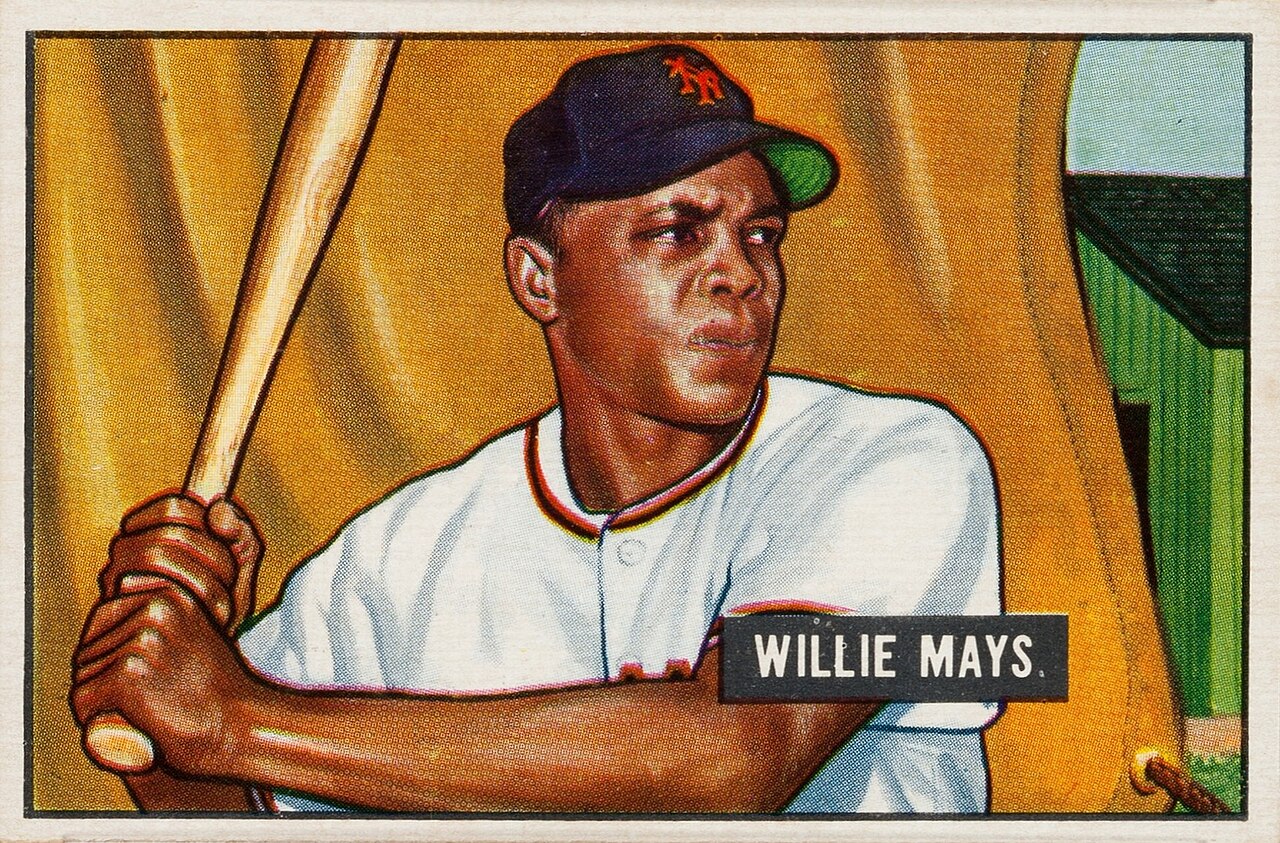
A true five-tool player, he started out in the Negro leagues with the Birmingham Black Barons and then spent his National League years with the New York / San Francisco Giants and the New York Mets. He won two MVP awards, made 24 All-Star teams, and finished with 660 home runs. He entered the Baseball Hall of Fame in 1979, his first year on the ballot.
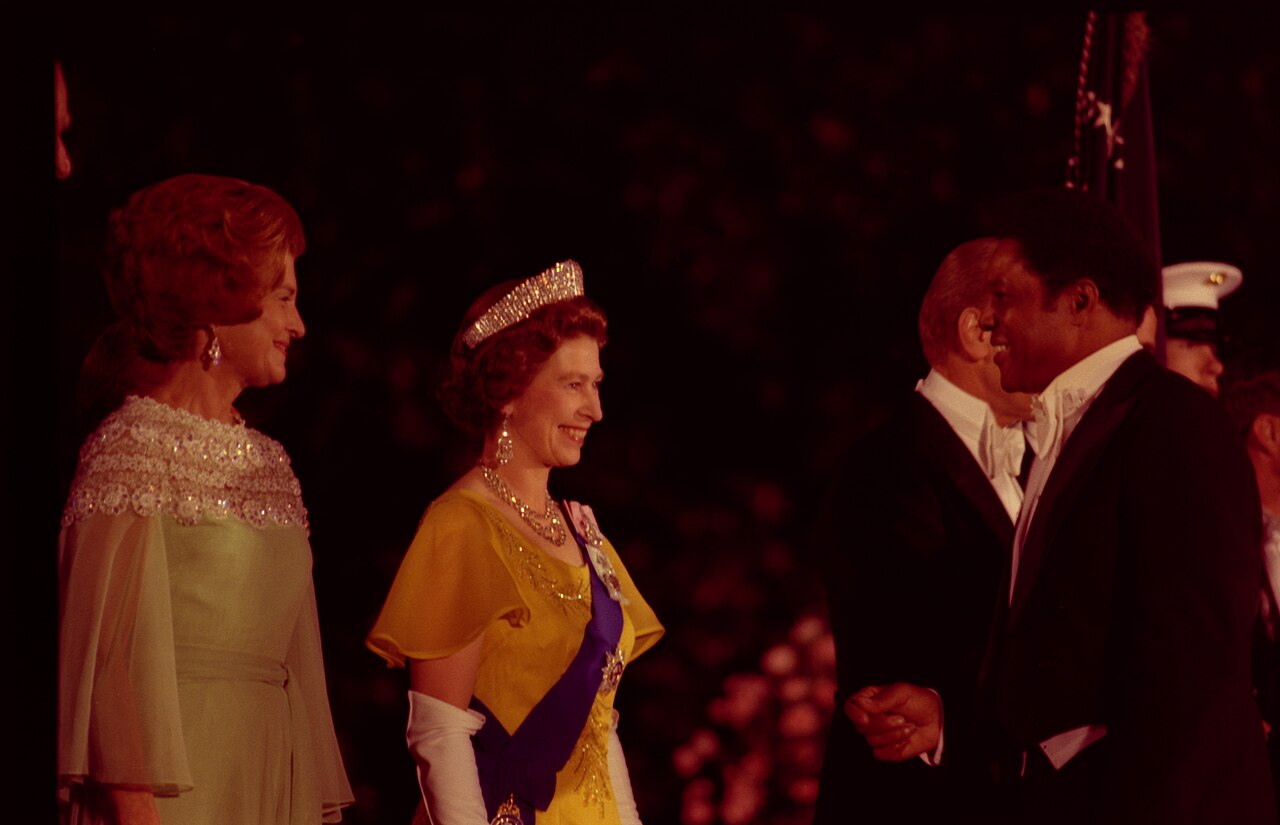
Lore & Background
Mays grew up in Westfield, Alabama, a company town near Fairfield. His father, Cat Mays, played ball for the local iron plant's team, and his mother, Annie Satterwhite, starred in basketball and track. At Fairfield Industrial High School he played basketball and football as well as baseball. In 1948 he joined the Birmingham Black Barons, managed by Piper Davis, helping them reach the 1948 Negro World Series.
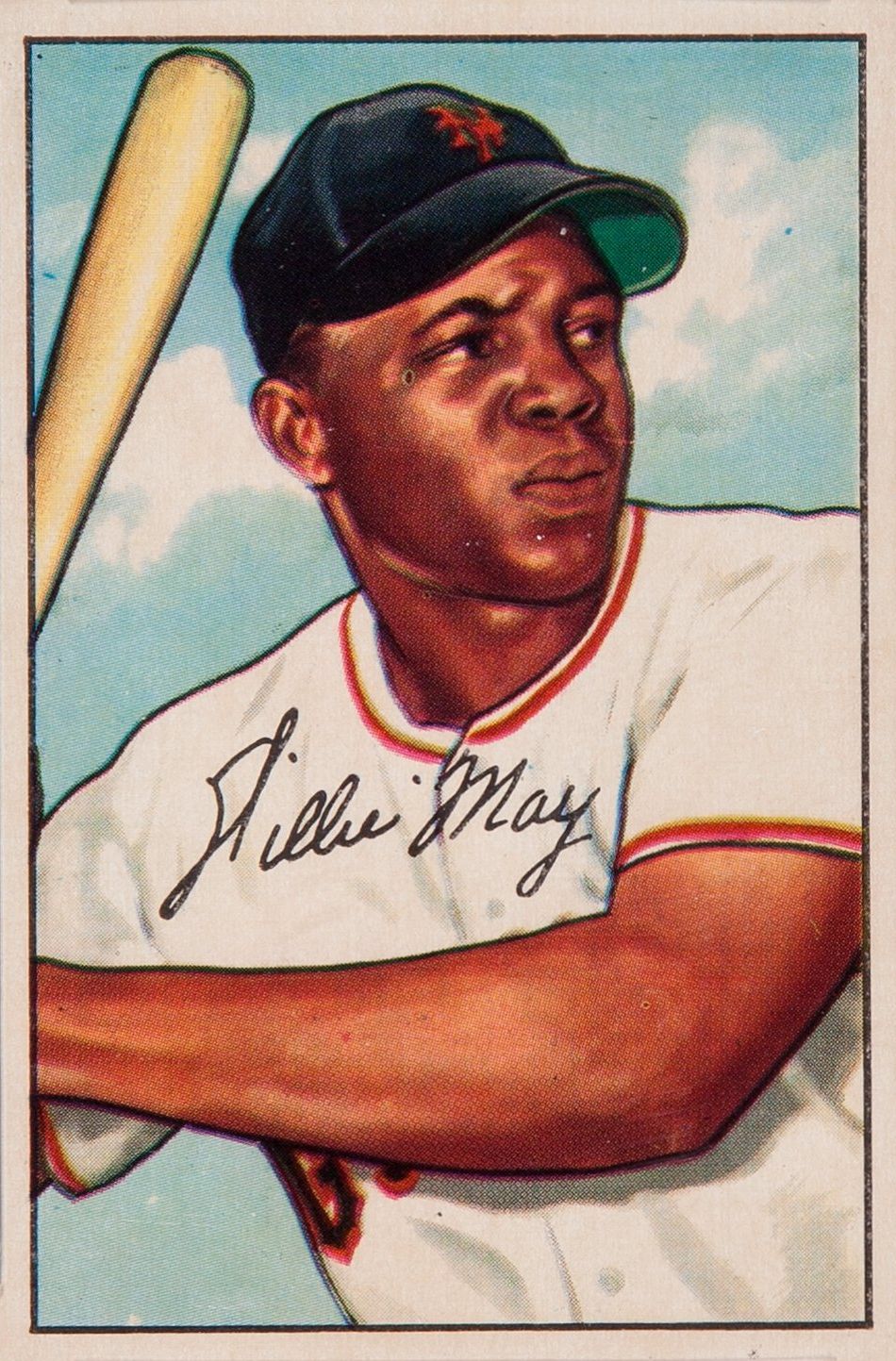
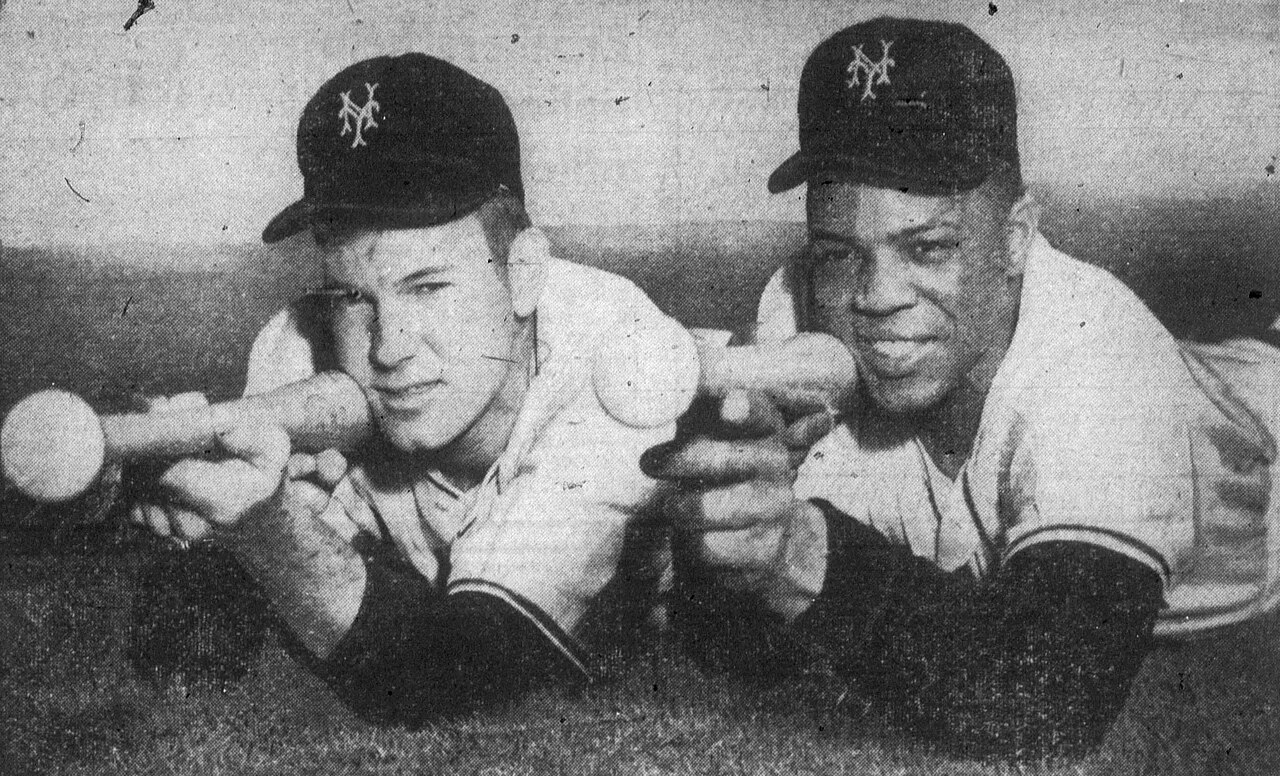
Giants scout Eddie Montague signed him for $4,000 after he graduated in 1950. He became the first African American player in the Inter-State League with the Trenton Giants, then starred for the Minneapolis Millers before the Giants called him up on May 24, 1951. His first hit was a home run off Warren Spahn, and he won the NL Rookie of the Year Award that season.
Did You Know?
- Family and friends called Mays "Buck".
- He was the first NL player to hit 30 home runs and steal 30 bases in the same season.
- His 179 stolen bases during the 1950s led the Major Leagues.
- He holds the Major League record for games played in center field, with 2,829.
Frequently Asked Questions
Why was Willie Mays called the Say Hey Kid?
The moniker attached to him around the time the Giants promoted him to the majors in 1951.
How many home runs did Willie Mays hit?
He finished with 660 home runs, third in NL history at the time he retired.
More in Baseball & Softball
Related in Baseball & Softball
Links follow this subject's own source article.
Sources
Compiled from Wikipedia and the sources listed below. Text from Wikipedia is available under CC BY-SA 4.0; this entry is adapted from it.
- Wikipedia: Willie Mays (CC BY-SA 4.0).
Spotted an error? Know more?
Reader corrections go straight into our review queue. Suggest an edit · How this site is sourced