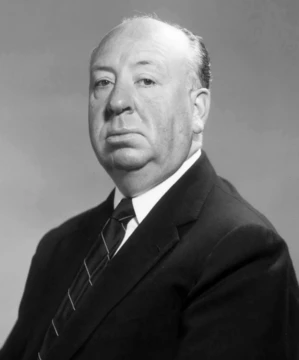
Yash Chopra
Indian filmmaker and producer, subject of Rachel Dwyer's biography *Yash Chopra*.
Yash Chopra (27 September 1932 – 21 October 2012) was a highly influential Indian film director and producer in Hindi cinema, widely regarded as one of the finest filmmakers in the industry. He is best known for his romantic films, which often featured strong female leads. Chopra founded the production and distribution company Yash Raj Films and served as its chairman. His contributions earned him six National Film Awards, eight Filmfare Awards, the Dadasaheb Phalke Award in 2001, and the Padma Bhushan in 2005. In 2006, he became the first Indian to receive a lifetime membership from the British Academy of Film and Television Arts. Born in Lahore, British India, into a Punjabi Hindu Khatri family, he was the youngest of eight children. His elder brother, B. R. Chopra, was a prominent filmmaker. After studying at Doaba College Jalandhar, he initially aimed for an engineering career before moving to Bombay. He began as an assistant director to I. S. Johar and his brother. His directorial debut was the 1959 social drama *Dhool Ka Phool*, about illegitimacy, followed by the partition-themed *Dharmputra* (1961). He rose to fame with the ensemble family drama *Waqt* (1965), which pioneered the multi-starrer format in Bollywood. In 1970, he established Yash Raj Films, whose first production was *Daag: A Poem of Love* (1973). His 1970s successes included the iconic action-thriller *Deewaar* (1975), which cemented Amitabh Bachchan’s stardom, and the musical romance *Kabhi Kabhie* (1976). Later, he revitalized the romantic musical genre with *Chandni* (1989), starring Sridevi, and considered his best work, *Lamhe* (1991). He collaborated frequently with Shah Rukh Khan on films like *Darr* (1993), *Dil To Pagal Hai* (1997), *Veer-Zaara* (2004), and his final directorial effort, *Jab Tak Hai Jaan* (2012). Chopra died of dengue fever during the production of that film.
- born
- 27 September 1932, Lahore
- field
- Film director, film producer
- nationality
- Indian
- known_for
- Founding Yash Raj Films
Quick Facts
- Birth Name
- Yash Raj Chopra
- Birth Date
- 1932-09-27
- Birth Place
- Lahore, Punjab, British India
- Death Date
- 2012-10-21
- Death Place
- Mumbai, Maharashtra, India
- Occupation
- Film director · Film producer
- Years Active
- 1959–2012
- Works
- Full list
- Organization
- Yash Raj Films
- Spouse
- Pamela Singh · 1970
- Children
- Aditya Chopra · Uday Chopra
- Relatives
- Chopra family
Facts from the source article.
Lore & Background
According to Dwyer's biography, Yash Chopra was born on 27 September 1932 in Lahore to Lal Vilayati Raj Chopra, a Central Public Works Department officer, and Draupadi (died 1979). He had six siblings, including one sister, Vimla (born 1920), and five brothers: Hansraj (1902–64), Baldev Raj (1914–2008), Kuldeep Raj (born 1916), Dharam Raj (born 1924), and Rajkumar (born 1928). After graduating with a Bachelor of Arts degree in 1950 in Jalandhar, Chopra joined his brother Baldev Raj, a filmmaker in Bombay. Baldev Raj offered him the opportunity to direct *Dhool Ka Phool*, his directorial debut, released in May 1959 as a commercial success. The financially successful romance *Waqt* (1965) won him his first Filmfare Award for Best Director. In 1970, he married playback singer Pamela, with whom he had two children, Aditya (born 1971) and Uday (born 1973). *Daag* (1973) marked his first project as a producer. The 1981 romantic drama *Silsila*, starring Amitabh Bachchan, Jaya Bachchan, and Rekha, was surrounded by speculation of a 'love-triangle' affair and was shot secretly; it did not do well at the box office. The 1980s were the most unsuccessful period of his career, with films like *Sawaal* (1982), *Mashaal* (1984), *Faasle* (1985), and *Vijay* (1988) failing to attract large audiences. The book examines three well-received films he produced and directed: *Chandni* (1989), *Lamhe* (1991), and *Dil To Pagal Hai* (1997). *Lamhe* won the Filmfare Award for Best Film, and *Dil To Pagal Hai* was acknowledged as the Best Popular Film Providing Wholesome Entertainment at the 45th National Film Awards. In 1995, he produced Aditya's directorial debut *Dilwale Dulhania Le Jayenge*, the longest-running film in Indian cinema history.
Reader's Guide
Dwyer's biography covers Chopra's life and career across seven chapters: 'Yash Chopra: Cinema and Biography', 'From Assistant to Director', 'The Founding of Yash Raj Films', 'The Amitabh Bachchan Films', 'The Lean Years', 'Romantic Films', and 'Production'. The book begins with his birth on 27 September 1932 in Lahore and ends with information about the production of *Mujhse Dosti Karoge!* (2002) and the success of Yash Raj Films. Dwyer first saw Chopra in a 1993 televised interview after the release of *Darr*; she was impressed by the film and conceived the biography. She wrote to him in March 1996, met him later that year in Mumbai, and after initial difficulties, interviewed him between 1997 and 2001 in English, Hindi, and Urdu. The book's primary source is these interviews, with Dwyer translating his Hindi and Urdu words into English. She also collected information from trade and gossip magazines, his colleagues, and journalists including Jerry Pinto and Khalid Mohamed. The book received mixed reviews: critics appreciated Dwyer's writing but criticized her literal translation of Chopra's interviews from Hindi and Urdu to English.
Did You Know?
- Yash Chopra was born on 27 September 1932 in Lahore to Lal Vilayati Raj Chopra, a Central Public Works Department officer, and Draupadi.
- He had six siblings, including one sister, Vimla (born 1920), and five brothers: Hansraj (1902–64), Baldev Raj (1914–2008), Kuldeep Raj (born 1916), Dharam Raj (born 1924), and Rajkumar (born 1928).
- His directorial debut, *Dhool Ka Phool*, was released in May 1959 and emerged as a commercial success.
- The 1981 film *Silsila* was shot secretly due to speculation of a 'love-triangle' affair between stars Amitabh Bachchan, Jaya Bachchan, and Rekha.
- Dwyer's biography notes that *Dilwale Dulhania Le Jayenge* (1995), which Chopra produced, is the longest-running film in Indian cinema history.
Roots in Lahore and the Road to Bombay
Yash Chopra entered the world on 27 September 1932 in Lahore, the son of Lal Vilayati Raj Chopra, a Central Public Works Department officer, and his wife Draupadi. He grew up in a large household of seven children—five brothers (Hansraj, Baldev Raj, Kuldeep Raj, Dharam Raj, and Rajkumar) and one sister, Vimla. After earning a Bachelor of Arts degree in Jalandhar in 1950, the young Chopra followed his brother Baldev Raj to Bombay, where the film industry was already taking shape. Baldev, already working as a filmmaker, gave Yash his first major opportunity: directing Dhool Ka Phool, which hit theatres in May 1959 and became a commercial hit. That early success set the tone for his trajectory. A few years later, the romance Waqt (1965) cemented his reputation, earning him his first Filmfare Award for Best Director and establishing him as a serious voice in Hindi cinema.
The Romantic Trilogy and a Studio Empire
By the late 1980s and into the 1990s, Chopra found his most celebrated creative voice through a string of romantic films. Chandni (1989) and Lamhe (1991), both headlined by Sridevi, earned Filmfare Best Film nominations, with Lamhe ultimately taking the award. The musical Dil To Pagal Hai (1997) proved to be the most commercially triumphant of the trio and was honoured as Best Popular Film Providing Wholesome Entertainment at the 45th National Film Awards. Beyond his own directorial work, Chopra's producing arm proved equally vital. In 1995 he backed his son Aditya's directorial debut, Dilwale Dulhania Le Jayenge, which went on to become the longest-running film in Indian cinema history. These achievements collectively anchored Yash Raj Films as a self-sustaining entertainment powerhouse, a company Chopra had first tested as a producer with Daag in 1973.
Silsila and the Decade of Setbacks
The early 1980s brought a period of creative turbulence. Silsila (1981), a romantic drama starring Amitabh Bachchan, Jaya Bachchan, and Rekha, became one of Chopra's most controversial projects. The production was shrouded in whispered speculation about a real-life love triangle among the three leads, and the filming was carried out in secrecy. Despite the buzz, the film underperformed at the box office, a result that deeply disappointed the director. The 1980s as a whole marked the most commercially difficult stretch of his career. Sawaal (1982), Mashaal (1984), Faasle (1985), and Vijay (1988) all failed to draw the large audiences needed to turn a profit. These consecutive disappointments contrasted sharply with the commercial triumphs of his earlier and later periods, and the biography's chapter devoted to this era underscores just how precarious a filmmaker's standing can become when audience appetite shifts.
A Professor's Portrait: The Making of the Biography
British academic Rachel Dwyer, then teaching at SOAS University of London, first encountered Chopra in 1993 through a televised interview that aired after the release of Darr. Watching the film itself left her impressed—particularly by its soundtrack and Shah Rukh Khan's performance—and she conceived a research-based biography. Securing access proved difficult: her initial letter in March 1996 went unanswered, and their eventual face-to-face meeting in Mumbai lasted barely an hour, repeatedly interrupted by his phone calls. Dwyer nearly abandoned the project in early 1997, but accompanying Chopra on a film set revealed a high-spirited, hard-working creative filmmaker quite different from the reserved man she had met in his office. Over the following years she conducted interviews in English, Hindi, and Urdu at his office, home, shooting locations, and even in his car. The finished book, published by the British Film Institute in London and Roli Books in India, drew mixed reviews: Dwyer's prose was widely praised, while her literal rendering of Chopra's Hindi and Urdu remarks drew critical pushback.
Gallery

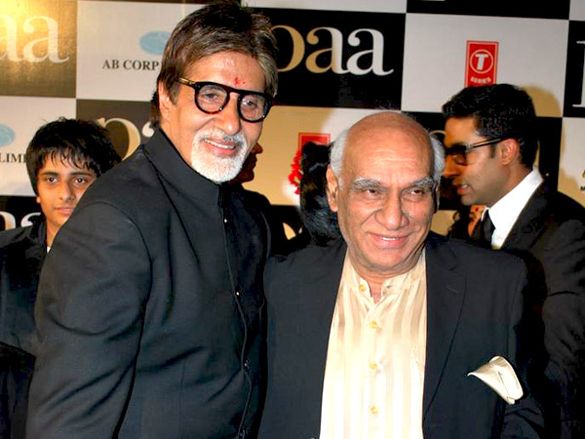
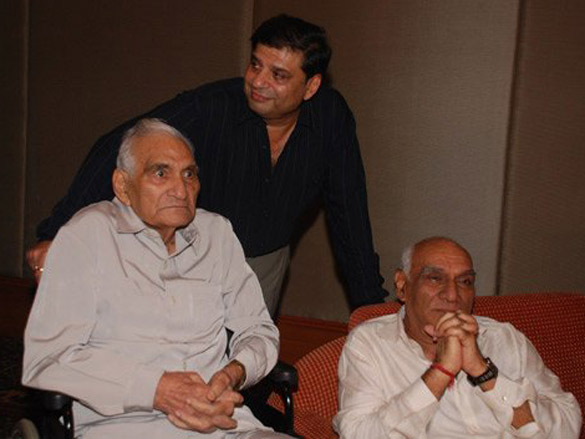
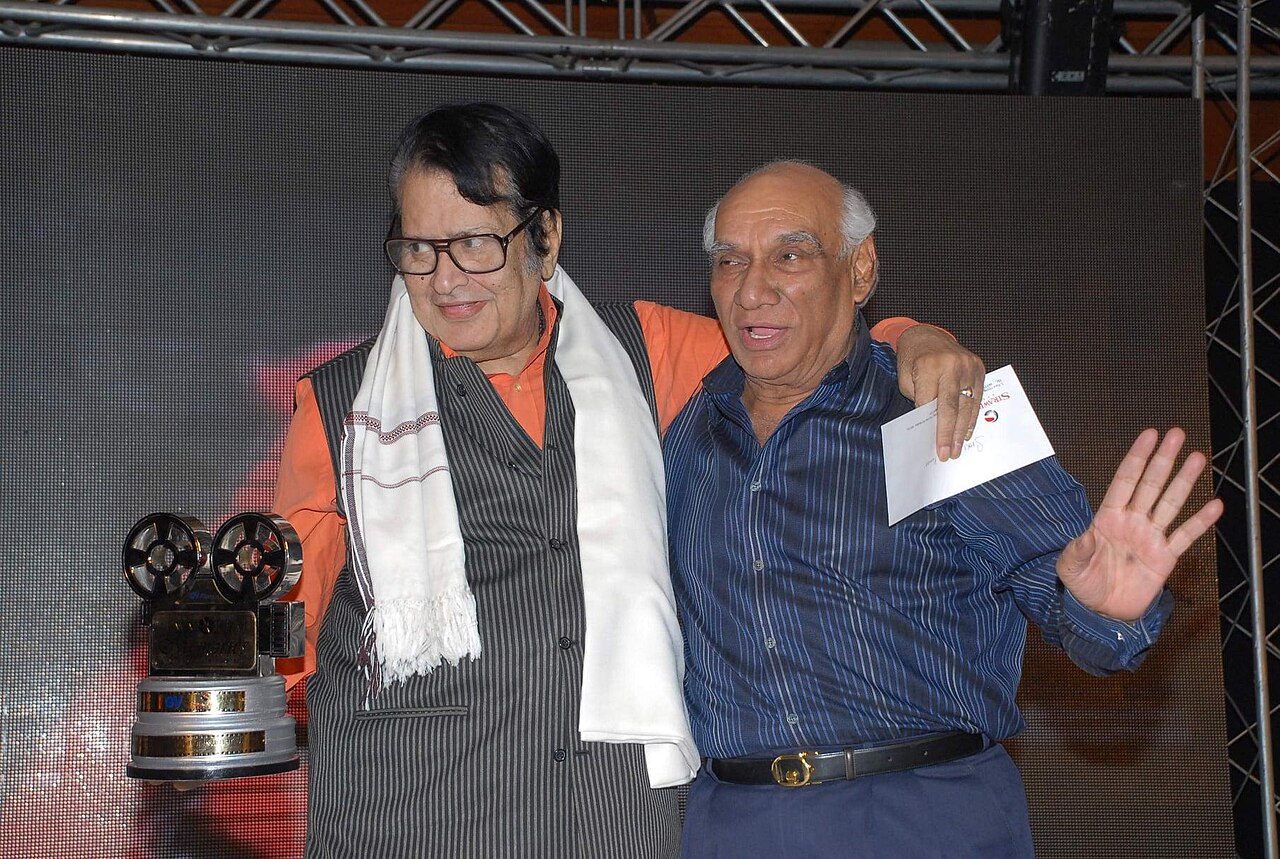

More in Auteur Directors 1-24
Spotted an error? Know more?
This is a living reference — every entry is fact-audited, and reader corrections feed straight into our audit queue. Suggest an edit · See this site's audit record