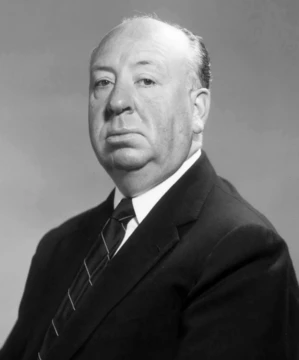
Tod Browning
American horror film director known for Dracula and Freaks.

Tod Browning was born Charles Albert Browning Jr. on July 12, 1880, in Louisville, Kentucky, and died October 6, 1962. He worked as an American film director, actor, screenwriter, vaudeville performer, and carnival and circus entertainer. Between 1915 and 1939, he directed films across several genres but became best known for horror. Some critics have called him "the Edgar Allan Poe of cinema." His career covered both silent and sound eras, and he is famous for directing *Dracula* (1931), *Freaks* (1932), and silent films with Lon Chaney and Priscilla Dean.
Browning grew up in a middle-class Baptist home, the second son of Charles Albert and Lydia Browning. His father worked as a bricklayer, carpenter, and machinist. His uncle, baseball star Pete "Louisville Slugger" Browning, lent his nickname to the famous bat. Like his uncle, Tod struggled with alcoholism from a young age.
As a child, Browning was drawn to circus and carnival life. At sixteen, before finishing high school, he ran away from his comfortable family to join a traveling circus. He started as a roustabout, then became a sideshow barker. By 1901, he performed song-and-dance routines on Ohio and Mississippi riverboats and worked as a contortionist for the Manhattan Fair and Carnival Company. He created a live burial act billed as "The Living Hypnotic Corpse" and performed as a clown with Ringling Brothers. These early experiences later shaped his film work. In 1906, he briefly married Amy Louis Stevens in Louisville. Adopting the professional name "Tod" (German for death), he left his wife and became a vaudevillian, working as a magician's assistant and a blackface comedian in an act called The Lizard and the Coon with Roy C. Jones. He also appeared in a Mutt and Jeff sketch in the 1912 burlesque revue *The World of Mirth* with Charles Murray.
In 1909, after thirteen years in carnivals and vaudeville, Browning, then 29, moved into film acting. He began performing in short comedies with director and screenwriter Edward Dillon. He appeared in over fifty one- or two-reel slapstick productions. Film historian Boris Henry noted that Browning's slapstick experience became part of his filmmaking. Dillon later wrote many screenplays for Browning's early directorial work. Several actors from Browning's early acting days, many trained under Mack Sennett's Keystone Cops, later appeared in his films, including Wallace Beery, Ford Sterling, Polly Moran, Wheeler Oakman, Raymond Griffith, Kalla Pasha, Mae Busch, Wallace MacDonald, and Laura La Varnie. In 1913, D. W. Griffith hired Browning at Biograph Studios in New York, where he first appeared as an undertaker in *Scenting a Terrible Crime* (1913). Both Griffith and Browning left Biograph that year for Reliance-Majestic Studios in Hollywood. Browning appeared in several Reliance-Majestic films, including *The Wild Girl* (1917).
Film historian Vivian Sobchack noted that several one- or two-reelers from 1914 to 1916 are attributed to Browning. Biographer Michael Barson credits his directorial debut to the one-reel drama *The Lucky Transfer*, released in March 1915. Browning's career nearly ended when, drunk, he drove his car into a railroad crossing and hit a locomotive. He suffered severe injuries, as did passenger George Siegmann. Another passenger, actor Elmer Booth, died instantly. Film historian Jon Towlson observed that alcoholism contributed to a major personal trauma that shaped Browning's thematic obsessions. After 1915, he began channeling this experience into his work. Biographers David J. Skal and Elias Savada noted a clear pattern in his post-accident films: he shifted from comedy to moralistic melodrama, with recurring themes of crime, guilt, and punishment. Of the thirty-one films he wrote and directed between 1920 and 1939, almost all were melodramas. His injuries likely ended his acting career. During his long recovery, he turned to writing screenplays for Reliance-Majestic. After recovering, he joined Griffith's crew on *Intolerance* (1916) as an assistant director and appeared in a bit part in the film's modern story sequence.
In 1917, Browning wrote and directed his first full-length feature, *Jim Bludso*, for Fine Arts/Triangle, starring Wilfred Lucas. The story is based on a poem by John Hay, a former personal secretary to Abraham Lincoln. That same year, he married his second wife, Alice Watson; they remained together until her death in 1944. Later in 1917, he returned to New York to direct for Metro Pictures, making *Peggy, the Will O' the Wisp* and *The Jury of Fate*. Both starred Mabel Taliaferro, the latter in a dual role achieved with groundbreaking double-exposure techniques.
- born
- July 12, 1880, Louisville, Kentucky
- died
- October 6, 1962
- field
- Film director, film actor, screenwriter, vaudeville performer, carnival sideshow
- nationality
- American
- known_for
- Horror films, including Dracula (1931), Freaks (1932), and silent collaborations
Verified Timeline
Quick Facts
- Birth Name
- Charles Albert Browning Jr.
- Birth Date
- 1880-07-12
- Birth Place
- Louisville, Kentucky, U.S.
- Death Date
- 1962-10-06
- Death Place
- Malibu, California, U.S.
- Resting Place
- Angelus-Rosedale Cemetery
- Occupation
- Film actor · film director · screenwriter · vaudevillian · comedian · carnival/sideshow worker
- Years Active
- 1896–1942
Facts from the source article.
Lore & Background
Browning was fascinated by circus and carnival life as a child. At age 16, before finishing high school, he ran away from his well-to-do family to join a traveling circus. Initially hired as a roustabout, he soon became a "spieler" (a barker at sideshows) and by 1901 was performing song and dance routines for Ohio and Mississippi riverboat entertainment, as well as acting as a contortionist for the Manhattan Fair and Carnival Company. He developed a live burial act in which he was billed as "The Living Hypnotic Corpse," and performed as a clown with the Ringling Brothers circus. In 1906, Browning was briefly married to Amy Louis Stevens in Louisville. Adopting the professional name "Tod" Browning (tod is the German word for death), he abandoned his wife and became a vaudevillian, touring extensively as both a magician's assistant and a blackface comedian in an act called The Lizard and the Coon with comedian Roy C. Jones. Browning transitioned to film acting in 1909, appearing in over 50 slapstick shorts. In 1913, he was hired by D. W. Griffith at Biograph Studios in New York City, first appearing as an undertaker in Scenting a Terrible Crime (1913). Both Griffith and Browning departed Biograph that same year and joined Reliance-Majestic Studios in Hollywood, California. His directorial debut is credited to the one-reeler drama The Lucky Transfer, released in March 1915. Browning's career almost ended when, intoxicated, he drove his vehicle into a railroad crossing and collided with a locomotive. He suffered grievous injuries, as did passenger George Siegmann. A second passenger, actor Elmer Booth, was killed instantly. During his protracted convalescence, Browning turned to writing screenplays for Reliance-Majestic. Upon recovery, he joined Griffith's film crew on the set of Intolerance (1916) as an assistant director. Film historian Jon Towlson notes that "alcoholism was to contribute to a major trauma in Browning's personal life that would shape his thematic obsessions." According to biographers David J. Skal and Elias Savada, the tragic event transformed his creative outlook: a distinct pattern appeared in his post-accident body of work, with a focus on moralistic melodrama and recurrent themes of crime, culpability, and retribution. In 1917, Browning wrote and directed his first full-length feature film, Jim Bludso, for Fine Arts/Triangle film companies. He married his second wife Alice Watson in 1917; they would remain together until her death in 1944. At Universal Studios, he directed a series of films starring Priscilla Dean, "Universal's leading lady known for playing 'tough girls'." His first successful Dean picture was The Virgin of Stamboul (1920). The Dean films exhibit Browning's fascination with 'exotic' foreign settings and with underworld criminal activities. Perhaps the most fortuitous outcome of the Dean films at Universal is that they introduced Browning to future collaborator Lon Chaney, who would star in Browning's most outstanding films of the silent era. Universal's vice-president Irving Thalberg paired Browning with Chaney for the first time in The Wicked Darling (1919).
Reader's Guide
Tod Browning's significance lies in his pioneering contributions to the horror genre, particularly during the transition from silent to sound film. His early career in carnivals and vaudeville informed the macabre and grotesque elements in his work, most famously in Freaks (1932), which drew on his sideshow experiences. His direction of Dracula (1931) helped establish the modern vampire film and cemented his reputation. Browning's collaborations with Lon Chaney produced a series of influential silent horror and crime melodramas. Despite his success, his career declined after the controversial reception of Freaks, and he retired after 1939. Film historians note his thematic focus on crime, retribution, and moralistic melodrama, shaped by his personal trauma from a 1915 car accident. His legacy endures as a key figure in early horror cinema, often compared to Edgar Allan Poe.
Did You Know?
- Browning developed a live burial act in which he was billed as 'The Living Hypnotic Corpse' and performed as a clown with the Ringling Brothers circus.
- He adopted the professional name 'Tod' because tod is the German word for death.
- In 1915, while intoxicated, Browning drove his vehicle into a railroad crossing and collided with a locomotive, killing actor Elmer Booth and injuring himself and George Siegmann.
- Browning's first successful film with Priscilla Dean was The Virgin of Stamboul (1920), which introduced him to future collaborator Lon Chaney.
- Universal's vice-president Irving Thalberg paired Browning with Lon Chaney for the first time in The Wicked Darling (1919).
More in Auteur Directors 1-24
Spotted an error? Know more?
This is a living reference — every entry is fact-audited, and reader corrections feed straight into our audit queue. Suggest an edit · See this site's audit record