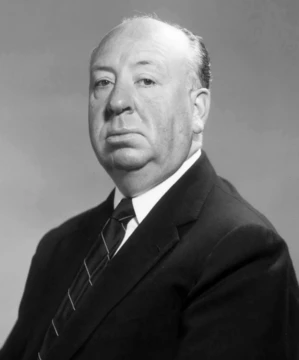
Wim Wenders
German filmmaker and photographer, key figure of New German Cinema.

Wim Wenders, born Wilhelm Ernst Wenders on 14 August 1945 in Düsseldorf, is a German filmmaker and photographer. He is a key figure in New German Cinema and is often described as an auteur. His awards include a BAFTA, a Palme d'Or, a Golden Lion, and an Honorary Golden Bear, and he has been nominated for three Oscars, an Emmy, and a Grammy.
Wenders grew up in a Catholic family; his father was a surgeon. As a child, he traveled alone to Amsterdam to visit the Rijksmuseum. After high school in Oberhausen, he studied medicine in Freiburg and philosophy in Düsseldorf but left both programs. In 1966 he moved to Paris to become a painter, but failed the entrance exam for France's national film school, IDHEC. Instead, he worked as an engraver in Johnny Friedlaender's studio. During this time, he became obsessed with cinema, watching up to five films daily. He returned to Germany in 1967, worked at United Artists in Düsseldorf, and entered the University of Television and Film Munich (HFF). While a student there until 1970, he also wrote film criticism for *FilmKritik*, the *Süddeutsche Zeitung*, *Twen*, and *Der Spiegel*. His graduation project, the 16mm black-and-white feature *Summer in the City* (1970), marked his directorial debut.
Wenders’s early work belongs to the New German Cinema era. He collaborated extensively with cinematographer Robby Müller. *Summer in the City* introduced his recurring themes of aimless searching and wandering. He next adapted Peter Handke’s novel into *The Goalkeeper's Fear of the Penalty* (1972) and then directed *The Scarlet Letter* (1973), based on Nathaniel Hawthorne’s novel. From 1974 to 1976 he made his Road Movie trilogy: *Alice in the Cities*, *The Wrong Move*, and *Kings of the Road*, the last of which won the FIPRESCI Prize at Cannes in 1976.
Wenders gained wider notice in 1977 with the neo-noir *The American Friend*, starring Dennis Hopper and Bruno Ganz, adapted from Patricia Highsmith’s *Ripley's Game*. His 1984 road drama *Paris, Texas*, with Harry Dean Stanton and Nastassja Kinski, won the Palme d'Or at Cannes. In 1987 he released the romance fantasy *Wings of Desire*, starring Bruno Ganz and Peter Falk, for which he won the Cannes Best Director award. Peter Handke co-wrote the screenplay. Though West Germany submitted *Wings of Desire* for the foreign-language Oscar, it was not nominated.
Wenders has directed several notable documentaries. *Buena Vista Social Club* (1999), *Pina* (2011), and *The Salt of the Earth* (2014) each earned Academy Award nominations for Best Documentary Feature. He was also nominated for a Grammy for the long-form music video *Willie Nelson at the Teatro* (1998). Other documentaries include *Tokyo-Ga* (1985), *The Soul of a Man* (2003), *Pope Francis: A Man of His Word* (2018), and *Anselm* (2023). His later fiction films include *Faraway, So Close!* (1993) and *Perfect Days* (2023).
From 1996 to 2020, Wenders served as president of the European Film Academy. He received an Honorary Golden Bear in 2015. He is also an active photographer, often focusing on desolate landscapes.
- born
- 14 August 1945
- field
- Filmmaker, photographer
- nationality
- German
- known_for
- New German Cinema, Road Movie trilogy, Paris, Texas, Wings of Desire
Verified Timeline
Lore & Background
Wenders was born in Düsseldorf into a traditionally Catholic family. His father, Heinrich Wenders, was a surgeon. As a boy, he took unaccompanied trips to Amsterdam to visit the Rijksmuseum. He studied medicine at the University of Freiburg (1963–64) and philosophy at the University of Dusseldorf (1964–65), but dropped out and moved to Paris in October 1966 to become a painter. After failing his entry test at France's national film school, IDHEC, he became an engraver at Johnny Friedlaender's studio in Montparnasse. During this time he became fascinated with cinema, seeing up to five movies a day. He returned to Germany in 1967 to work in the Düsseldorf office of United Artists and entered the University of Television and Film Munich (HFF). Between 1967 and 1970, he also worked as a film critic for FilmKritik, the Munich daily newspaper Süddeutsche Zeitung, Twen magazine, and Der Spiegel. Wenders made his feature film debut with Summer in the City (1970), his graduation project shot in 16mm black-and-white by Robby Müller. He earned critical acclaim for directing the Road Movie trilogy: Alice in the Cities (1974), The Wrong Move (1975), and Kings of the Road (1976), the latter winning the FIPRESCI Prize at the 1976 Cannes Film Festival. He won the BAFTA Award for Best Direction and the Palme d'Or for Paris, Texas (1984) and the Cannes Film Festival Best Director Award for Wings of Desire (1987). His other notable films include The American Friend (1977), adapted from Patricia Highsmith's novel Ripley's Game, Faraway, So Close! (1993), and Perfect Days (2023). He has also directed numerous documentaries, including Buena Vista Social Club (1999), Pina (2011), and The Salt of the Earth (2014), each nominated for the Academy Award for Best Documentary Feature.
Reader's Guide
Wim Wenders is a central figure in New German Cinema, known for his distinctive road movies and contemplative, visually striking films. His work often explores themes of wandering, identity, and the search for meaning, as seen in his Road Movie trilogy and acclaimed films like Paris, Texas and Wings of Desire. Wenders has also made significant contributions to documentary filmmaking, earning three Academy Award nominations for Best Documentary Feature. Beyond film, he is an active photographer, emphasizing images of desolate landscapes. He served as president of the European Film Academy from 1996 to 2020 and received an Honorary Golden Bear in 2015. His influence extends across narrative and documentary cinema, and his collaborations with cinematographer Robby Müller and writer Peter Handke have produced some of the most celebrated films of the late 20th century.
Did You Know?
- Wenders failed his entry test at France's national film school, IDHEC, before becoming an engraver at Johnny Friedlaender's studio in Montparnasse.
- As a boy, he took unaccompanied trips to Amsterdam to visit the Rijksmuseum.
- He saw up to five movies a day at the local movie theater while living in Paris.
- Wenders's film Kings of the Road (1976) won the FIPRESCI Prize at the 1976 Cannes Film Festival.
- He received a nomination for the Grammy Award for Best Long Form Music Video for Willie Nelson at the Teatro (1998).
More in Auteur Directors 1-24
Spotted an error? Know more?
This is a living reference — every entry is fact-audited, and reader corrections feed straight into our audit queue. Suggest an edit · See this site's audit record