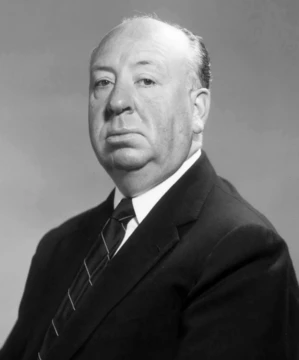
Victor Sjöström
Pioneering Swedish silent film director and actor.

Victor David Sjöström, who went by Victor Seastrom in the United States, was a Swedish filmmaker and actor. He got his start in Sweden and later moved to Hollywood in 1924, making most of his work during the silent film era. In Europe, he was the top Swedish director of the silent film golden age. His most famous movies are *The Phantom Carriage* (1921), *He Who Gets Slapped* (1924), and *The Wind* (1928). Near the end of his life, he starred as the main character in Ingmar Bergman’s *Wild Strawberries* (1957).
Born on 20 September 1879 in Årjäng/Silbodal, Sweden, Sjöström was a year old when his father moved the family to Brooklyn, New York. His mother died when he was seven, and he returned to Sweden to live with relatives in Stockholm. At 17, he started acting in a traveling theater company.
He moved from the stage to film in 1912, working under director Mauritz Stiller. Over the next eleven years, he directed 41 films in Sweden, though some are now lost. Surviving works include *The Sons of Ingmar* (1919), *Karin, Daughter of Ingmar* (1920), and *The Phantom Carriage* (1921), all based on stories by Nobel winner Selma Lagerlöf. His films from this period are known for subtle characters, strong storytelling, and settings where the Swedish landscape plays a key psychological role. He pioneered on-location filming in rural areas, giving his work a naturalistic feel, and was an early innovator in continuity editing.
In 1923, Louis B. Mayer brought Sjöström to the United States. While he had acted in his own Swedish films, in Hollywood he focused only on directing, using the name Victor Seastrom. His first American film was *Name the Man* (1924), based on a Hall Caine novel. He directed stars like Greta Garbo, John Gilbert, Lillian Gish, Lon Chaney, and Norma Shearer in eight more films before his first talkie in 1930, including *The Scarlet Letter* (1926) with Gish as Hester Prynne.
Uncomfortable with the changes needed for sound films, Sjöström returned to Sweden. He directed two more movies there, plus one English-language drama in the UK, *Under the Red Robe* (1937). Over the next 15 years, he acted on stage, played leading roles in over a dozen films, and served as a company director at Svensk Film Industri. His most famous performance came in his final film role: at nearly 78, he played elderly professor Isak Borg in Bergman’s *Wild Strawberries* (1957).
Sjöström married three times. His daughter, actress Guje Lagerwall (1918–2019), was born to his third wife, actress Edith Erastoff-Sjöström. He died in Stockholm on 3 January 1960 at age 80 from unknown causes and was buried at Norra begravningsplatsen. A theater in Filmhuset, home of the Swedish Film Institute, is named "Bio Victor" in his honor. His film *The Phantom Carriage* inspired the 2024 movie *Nosferatu*.
- born
- 20 September 1879 in Årjäng/Silbodal, Värmland, Sweden
- died
- 3 January 1960 in Stockholm, Sweden
- field
- Film director, screenwriter, actor
- nationality
- Swedish
- known_for
- The Phantom Carriage (1921), He Who Gets Slapped (1924), The Wind (1928), Wild S
Verified Timeline
Lore & Background
Victor Sjöström was born on 20 September 1879 in Årjäng/Silbodal, in the Värmland region of Sweden. When he was a year old, his father Olof Adolf Sjöström moved the family to Brooklyn, New York. His mother died in 1886, when he was seven, and he returned to Sweden to live with relatives in Stockholm, beginning his acting career at 17 as a member of a touring theater company. He made his first film in 1912 under the direction of Mauritz Stiller. Between 1912 and 1923, he directed another forty-one films in Sweden, some now lost. Surviving works include The Sons of Ingmar (1919), Karin, Daughter of Ingmar (1920), and The Phantom Carriage (1921), all based on stories by Nobel Prize-winning novelist Selma Lagerlöf. His films are noted for subtle character portrayal, fine storytelling, and evocative settings where the Swedish landscape plays a key psychological role. He pioneered on-location filming and continuity editing.
Reader's Guide
Victor Sjöström's significance lies in his role as a foundational figure in Swedish silent cinema and his influence on narrative filmmaking. His preference for on-location filming and continuity editing advanced naturalistic storytelling. In 1923, he accepted an offer from Louis B. Mayer to work in the United States, where he directed stars such as Greta Garbo, John Gilbert, Lillian Gish, Lon Chaney, and Norma Shearer under the anglicized name Victor Seastrom. Uncomfortable with sound film modifications, he returned to Sweden, directing two more films before his final directing effort, Under the Red Robe (1937). Over the following 15 years, he returned to acting in theatre and film, and served as a company director of Svensk Film Industri. His most noted performance came as the elderly professor Isak Borg in Ingmar Bergman's Wild Strawberries (1957). His film The Phantom Carriage serves as an inspiration for the 2024 film Nosferatu. A theatre in Filmhuset, home of the Swedish Film Institute, is named 'Bio Victor' in his honor.
Did You Know?
- Sjöström was only a year old when his father moved the family to Brooklyn, New York.
- He began his acting career at 17 as a member of a touring theater company.
- He directed forty-one films in Sweden between 1912 and 1923, some of which are now lost.
- His film The Phantom Carriage serves as an inspiration for the 2024 film Nosferatu.
- A theatre in Filmhuset, home of the Swedish Film Institute, is named 'Bio Victor' in his honor.
More in Auteur Directors 1-24
Spotted an error? Know more?
This is a living reference — every entry is fact-audited, and reader corrections feed straight into our audit queue. Suggest an edit · See this site's audit record