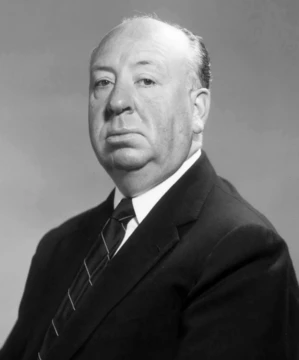
Tsai Ming-liang

Tsai Ming-liang (born 27 October 1957) is a Malaysian-born filmmaker based in Taiwan, recognized as a leading figure in Slow Cinema and the "Second New Wave" of Taiwanese cinema. He has written and directed eleven feature films, along with numerous short and television films. His most acclaimed works include *Vive L'Amour* (1994), which won the Golden Lion; *The River* (1997); *Goodbye, Dragon Inn* (2003); and *Stray Dogs* (2013). All of his productions feature actor Lee Kang-sheng.
Tsai was born in Malaysia to Hakka Chinese farmers and spent his first twenty years in Kuching, Sarawak, before moving to Taipei. He has stated that this displacement had a profound psychological impact, leaving him feeling he belongs fully to neither Taiwan nor Malaysia. After graduating from the Drama and Cinema Department of Chinese Culture University in 1982, he worked as a theatrical producer, screenwriter, and television director in Hong Kong. From 1989 to 1991, he directed several telefilms, one of which, *Boys*, introduced him to his muse, Lee Kang-sheng.
His first feature, *Rebels of the Neon God* (1992), focused on troubled Taipei youth and starred Lee as the character Hsiao-Kang, who appears in all of Tsai’s subsequent features. *Vive L'Amour* (1994), about three people unknowingly sharing an apartment, established Tsai’s trademarks: slow pacing, minimal dialogue, and themes of alienation. *The River* (1997) follows a family dealing with their son’s neck pain, using the same actors from *Rebels of the Neon God*. *The Hole* (1998) features two neighbors and incorporates musical numbers. *What Time Is It There?* (2001) was his first film with actress Chen Shiang-chyi. *Goodbye, Dragon Inn* (2003) depicts an old cinema closing, with even longer shots and fewer lines. *The Wayward Cloud* (2005), a sequel to *What Time Is It There?*, again uses musical numbers. *I Don’t Want to Sleep Alone* (2006) was his first film set in Malaysia; it was initially banned there but later allowed after censorship. *Face* (2009) follows a Taiwanese director filming in France. *Stray Dogs* (2013) portrays a homeless family. In the 2010s, Tsai focused on his *Walker* series of exhibition films, featuring a monk played by Lee walking slowly through busy settings. *Days* (2020) competed for the Golden Bear at Berlinale. *Wandering* (2021) is a silent short installation film. In 2024, Tsai made
- field
- Filmmaker
- nationality
- Malaysian (based in Taiwan)
- known_for
- Slow Cinema, Second New Wave of Taiwanese cinema, films Vive L'Amour, The River, Goodbye, Dragon Inn, Stray Dogs
Verified Timeline
Lore & Background
Tsai Ming-liang, born 27 October 1957, is a Malaysian filmmaker based in Taiwan, recognized as a leading figure in Slow Cinema and the Second New Wave of Taiwanese cinema. He has written and directed 11 feature films, along with numerous shorts and television films, with all his productions starring Lee Kang-sheng. His most acclaimed works include *Vive L'Amour* (1994), which won the Golden Lion; *The River* (1997); *Goodbye, Dragon Inn* (2003); and *Stray Dogs* (2013). Tsai was born in Malaysia to Hakka Chinese farmers and spent his first 20 years in Kuching, Sarawak, before moving to Taipei, Taiwan. He has stated that this relocation profoundly affected his psyche, leaving him feeling he belongs to neither country. After graduating from Chinese Culture University in Taiwan in 1982, he worked as a theatrical producer, screenwriter, and television director in Hong Kong. His first feature, *Rebels of the Neon God* (1992), introduced his trademark slow pacing, sparse dialogue, and themes of alienation. Later works like *The River* (1997) and *The Hole* (1998) continued these motifs, while *Goodbye, Dragon Inn* (2003) featured even longer shots. In the 2010s, he focused on exhibition films, notably the *Walker* series (2012–2024), depicting a monk played by Lee walking slowly through busy settings. Tsai is openly gay and incorporates queer themes into his films. He is also an avid painter, a hobby he took up during the COVID-19 pandemic.
Reader's Guide
Tsai Ming-liang is a central figure in Slow Cinema and the Second New Wave of Taiwanese filmmaking. His work is defined by extremely slow pacing, minimal dialogue, and a focus on alienation, all established in his second feature, *Vive L'Amour* (1994), which won the Golden Lion. His films consistently star Lee Kang-sheng, who appears in every Tsai feature as of 2023. Recurring themes include urban loneliness and physical affliction, as seen in *The River* (1997), which follows a family dealing with a son’s neck pain. Tsai’s style grew more extreme over time; *Goodbye, Dragon Inn* (2003) features even longer shots and fewer lines, a trend that continued in later works like *Stray Dogs* (2013), about a homeless family. He also incorporates musical numbers in some films, such as *The Hole* (1998) and *The Wayward Cloud* (2005). His 2006 film *I Don’t Want to Sleep Alone*, set in his native Malaysia, was initially banned there for depicting the country negatively, but was later allowed after censorship. In the 2010s, Tsai focused heavily on exhibition pieces, notably the *Walker* series (2012–24), in which Lee plays a monk moving at an extremely slow pace through crowded urban settings. Tsai’s 2020 film *Days* competed for the Golden Bear at the Berlinale. His honours include a Golden Lion, multiple Silver Bears, and the Grand Jury Prize at Venice. In 2003, *The Guardian* ranked him No.
Did You Know?
- Tsai Ming-liang has said he feels he belongs neither to Taiwan nor to Malaysia.
- Tsai's 2006 film I Don't Want to Sleep Alone was initially banned in Malaysia for depicting the country 'in a bad light' but later allowed after censorship.
- Tsai took up painting as a hobby during the COVID-19 pandemic.
More in Auteur Directors 1-24
Spotted an error? Know more?
This is a living reference — every entry is fact-audited, and reader corrections feed straight into our audit queue. Suggest an edit · See this site's audit record