Akhenaten
Pharaoh who introduced Atenism and was nearly erased from history.
Last updated

The wub · CC BY-SA 4.0
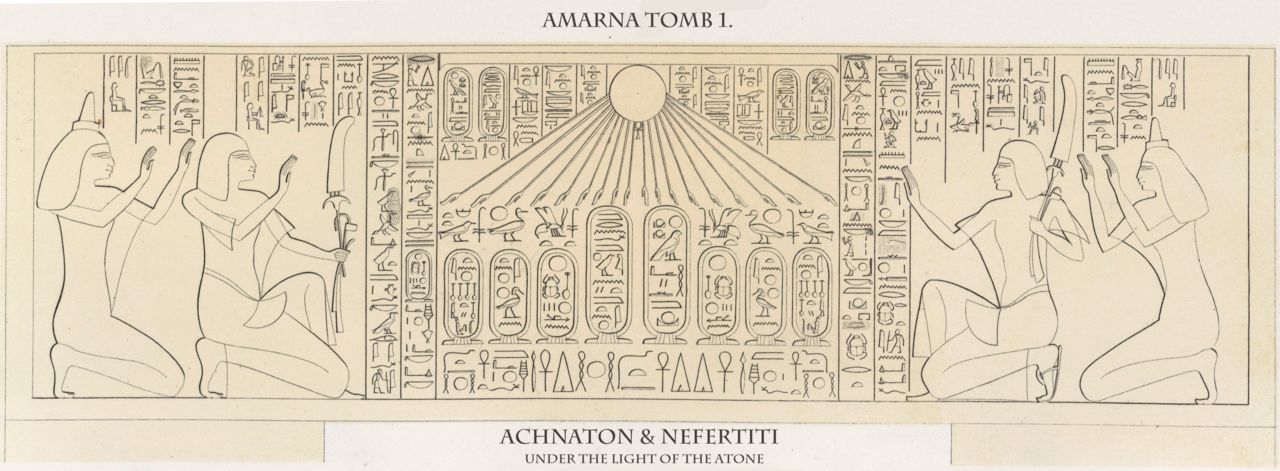
Akhenaten, originally named Amenhotep IV, was the tenth pharaoh of Egypt’s Eighteenth Dynasty. In the fifth year of his reign, he changed his name to reflect his devotion to the Aten, meaning “Effective for the Aten.” He is best known for abandoning the traditional polytheistic religion of ancient Egypt and instituting a new state cult centered on the Aten, the sun disk. Egyptologists debate whether this was a true monotheism or a form of monolatry, syncretism, or henotheism. This radical religious shift was reversed after his death; his monuments were dismantled, his statues destroyed, and his name omitted from later king lists.
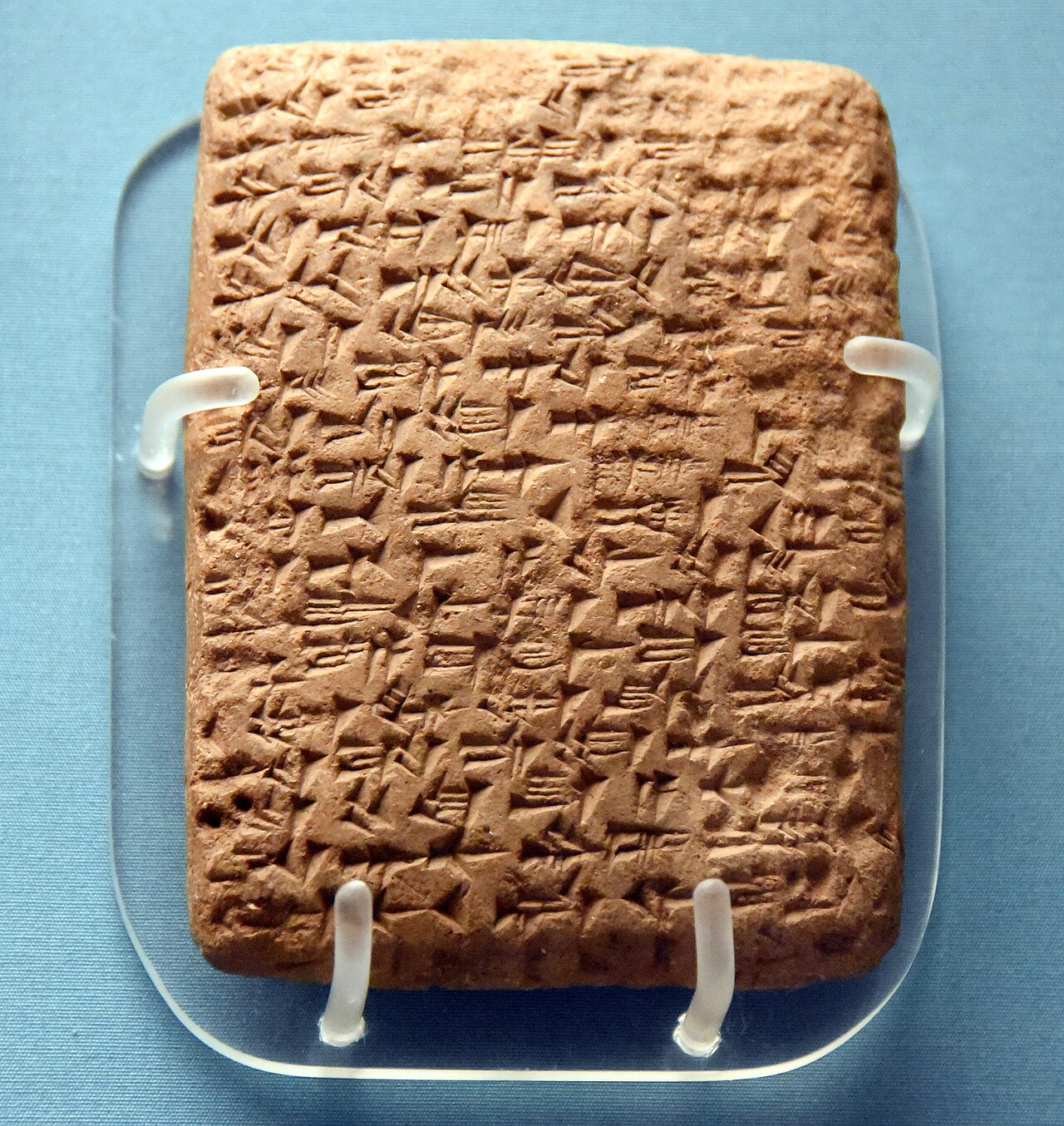
Traditional worship was gradually restored under his successor Tutankhamun, who changed his own name from Tutankhaten. Later rulers of a new dynasty referred to Akhenaten as “the enemy” or “that criminal” in official records. He was nearly lost to history until the late 19th-century discovery of his new capital, Akhetaten (modern Amarna).
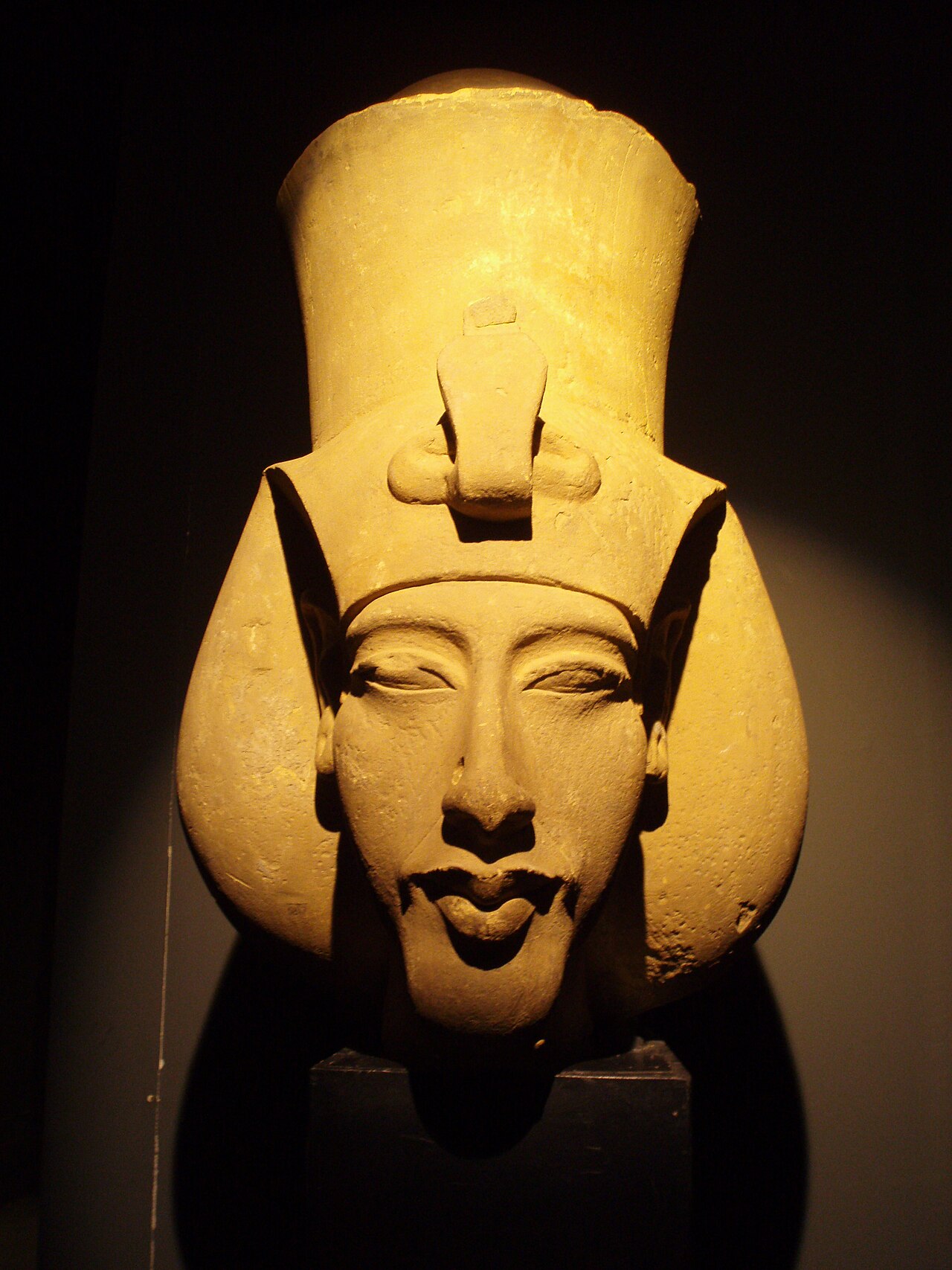
In 1907, a mummy from tomb KV55 was unearthed; genetic testing later identified this individual as Tutankhamun’s father, though its identification as Akhenaten has been questioned. Akhenaten’s rediscovery and early excavations at Amarna sparked widespread public interest. He has been described as enigmatic, revolutionary, and the first individual in history, but also as a heretic, fanatic, and possibly mad. His legacy is tied to Tutankhamun, the distinctive art style he patronized, and his attempt to establish a religion that foreshadowed monotheism.
Lore & Background
Akhenaten, originally named Amenhotep IV, was a pharaoh of Egypt’s Eighteenth Dynasty who radically transformed the nation’s religious and artistic traditions. In the fifth year of his reign, he abandoned the traditional polytheistic worship of gods like Amun and instead promoted Atenism, centering devotion on the Aten, the sun disk. Egyptologists debate whether this was true monotheism or a form of monolatry or henotheism.
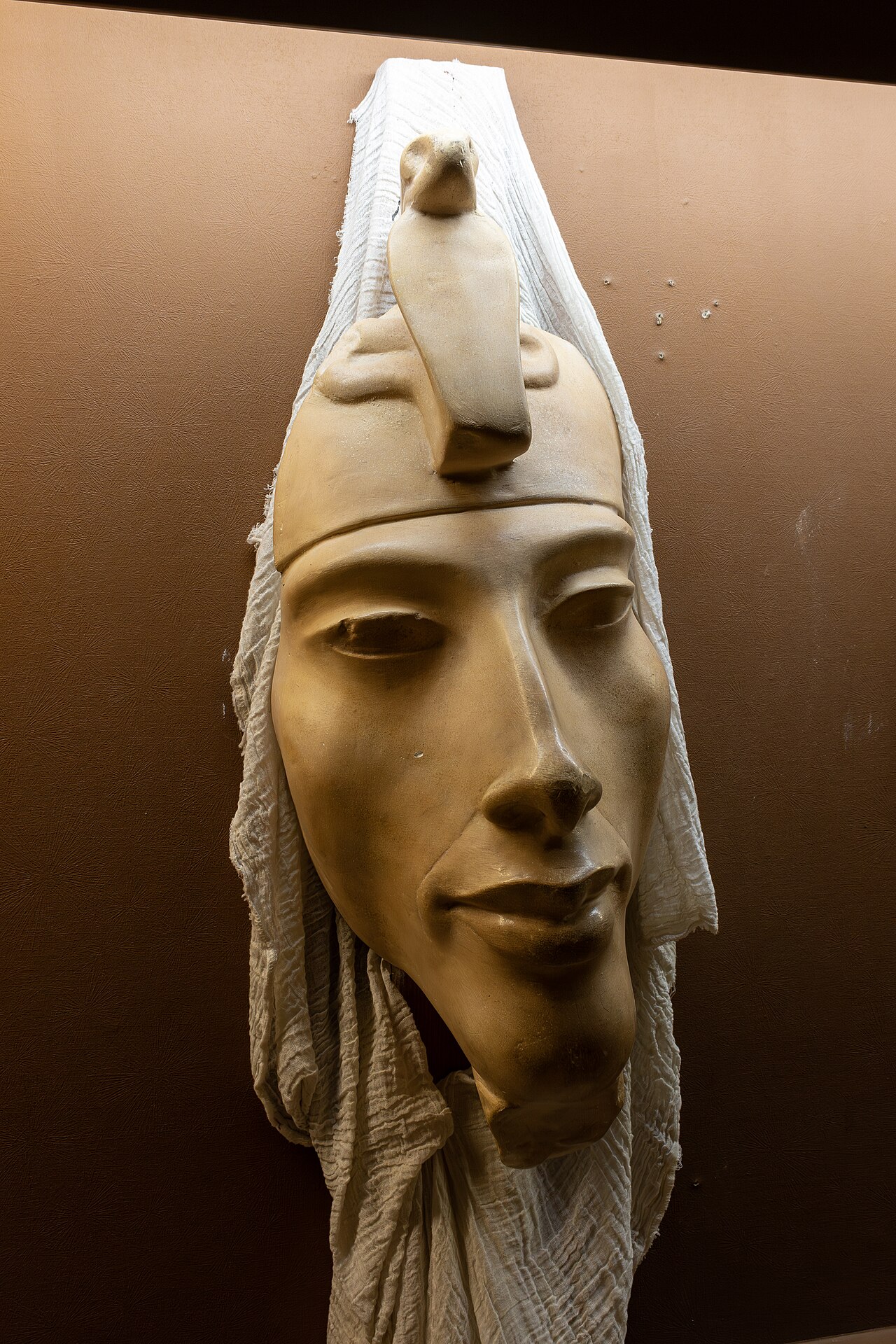
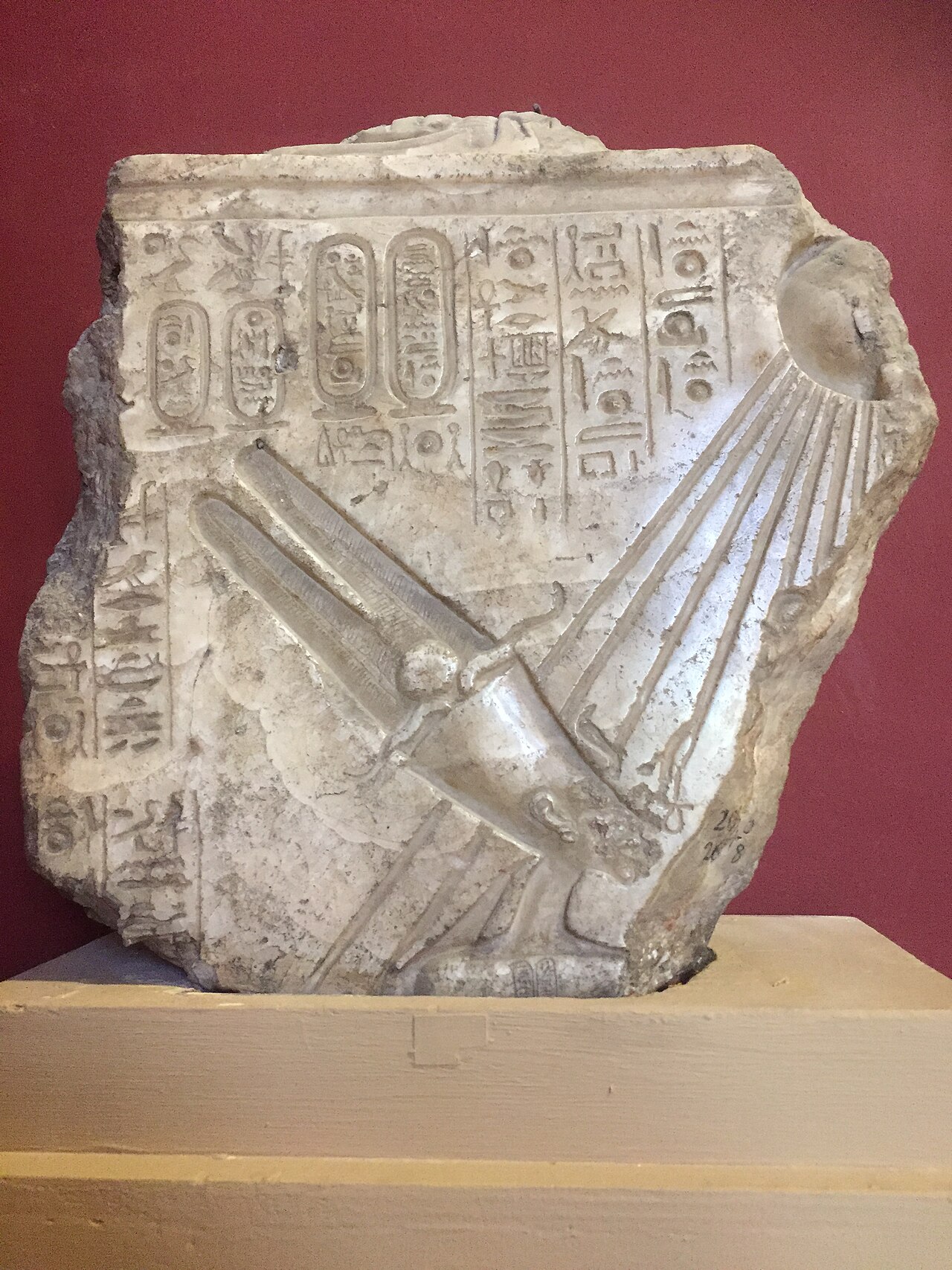
To house his new faith, he built a new capital city called Akhetaten (modern Amarna). After his death, his religious reforms were reversed; his monuments were dismantled, his statues destroyed, and his name omitted from later king lists. Successive rulers referred to him as “the enemy” or “that criminal” in archival records. He was married to the Great Royal Wife Nefertiti, with whom he had six daughters, and also had a secondary wife named Kiya, who may have been the mother of Tutankhamun.
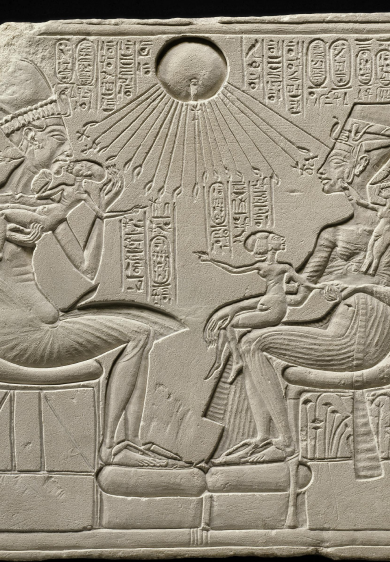
Akhenaten is believed to be the father of Tutankhamun, though some scholars question the genetic evidence linking the KV55 mummy to him. His rediscovery in the late 19th century, through excavations at Amarna and the unearthing of the KV55 tomb, sparked intense public interest. He is remembered for the unique, naturalistic style of art he patronized, which depicted the royal family in intimate, informal scenes, and for his foreshadowing of monotheistic ideas.
Reader's Guide
Akhenaten's significance lies in his radical religious and cultural shift, which was unprecedented in ancient Egypt. By abandoning the traditional pantheon and elevating the Aten, he challenged centuries of established practice. His new capital, Akhetaten, became a center for a distinctive artistic style that emphasized naturalism and intimacy. However, his reforms did not outlast his reign; his successors, including Tutankhamun, restored the old religion, and later pharaohs actively erased his memory.
The rediscovery of Amarna in the late 19th century reignited interest, and the KV55 mummy—possibly Akhenaten—has fueled debates about his identity and family relationships. His legacy is complex: he is seen both as a visionary and a heretic, and his reign remains a subject of scholarly dispute, particularly regarding the nature of his monotheism and his role in the Amarna period. The genetic evidence linking him to Tutankhamun, while suggestive, is contested, leaving many questions unresolved.
Frequently Asked Questions
Who is Akhenaten?
Akhenaten was an Ancient Egyptian pharaoh best remembered as a radical religious reformer who rejected the traditional polytheistic pantheon. He is also widely believed to have been the father of Tutankhamun.
What was Atenism and why did Akhenaten promote it?
Atenism was a form of worship focused almost exclusively on the Aten, the sun disk, which Akhenaten elevated above every other Egyptian deity. By making this single entity the center of state religion, he effectively dismantled the old priestly power structure.
Why was Akhenaten nearly forgotten for thousands of years?
After his death, his successors reversed his religious policies and systematically dismantled his monuments and struck his name from royal records. He remained largely unknown to the modern world until excavation work in the late 19th century recovered his story.
Also in the Codexery
More in Ancient Rulers Of Africa And The Near East
Sources
Compiled from Wikipedia and the sources listed below. Text from Wikipedia is available under CC BY-SA 4.0; this entry is adapted from it.
- Wikipedia: Akhenaten (CC BY-SA 4.0).
Spotted an error? Know more?
Reader corrections go straight into our review queue. Suggest an edit · How this site is sourced