Amenhotep I
Second pharaoh of the 18th Dynasty, known for Nubian campaigns and founding Deir el-Medina.
Last updated

via Wikipedia: Amenhotep III · see source
Amenhotep I, also known as Amenophis I, was the second pharaoh of Egypt’s 18th Dynasty. He was not originally expected to become ruler, as he had an elder brother, Ahmose-ankh, who was the crown prince. However, Ahmose-ankh died within an eight-year span before the death of their father, Ahmose I, clearing the way for Amenhotep I to ascend the throne. He likely came to power while still young, and his mother, Ahmose-Nefertari, may have served as a short regent; both are credited with founding a worker settlement at Deir el-Medina.
He took his older sister, Ahmose-Meritamun, as his Great Royal Wife, and may have had another wife named Sitkamose. He is thought to have fathered a son named Amenemhat, who died very young, leaving no living heir; he was thus succeeded by Thutmose I, who married a presumed sister of Amenhotep I named Ahmose. His reign is dated based on a recorded heliacal rise of Sothis in his ninth year, which astronomers calculate occurred in either 1537 BC or 1517 BC depending on the observation location.
Reign length
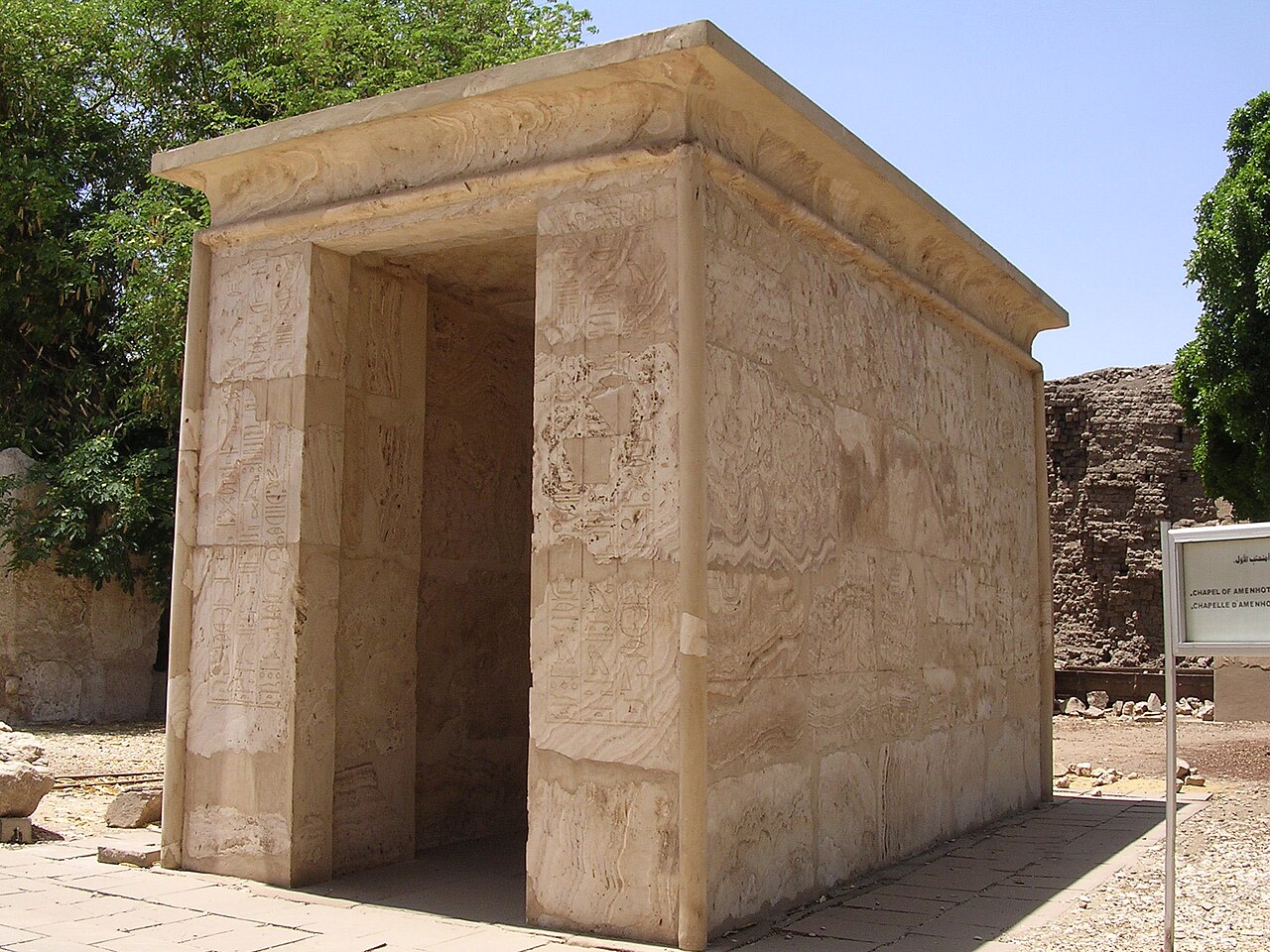
Using Thebes as the capital, Egyptologists traditionally set his accession in 1526 BC. Manetho’s Epitome states he ruled for 20 years and seven months, and a tomb autobiography confirms a 21-year service under him, giving a reign of roughly 1526 to 1506 BC in the low chronology. His foreign policy included campaigns into Nubia, where he defeated the Nubian army and built a temple at Sai, extending Egyptian settlements nearly to the Third Cataract.
Foreign policy
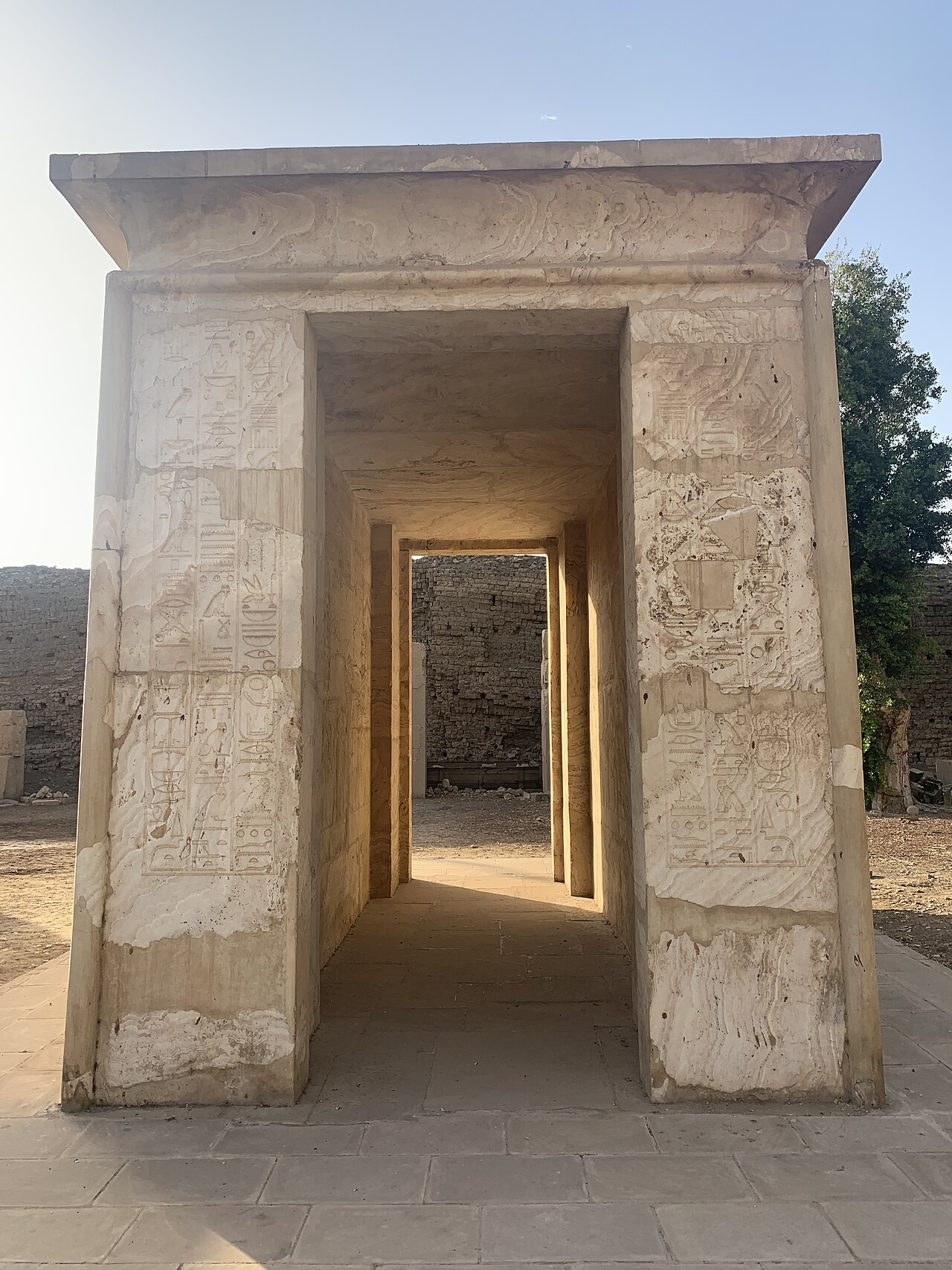
Another possible campaign is recorded against a place called Kehek, though its location remains unknown; it may have been in Nubia, the western desert, or the oases, which Egypt had lost during the Second Intermediate Period. His reign marks the latest point by which Egyptian rule over those oases was restored. He continued rebuilding temples in Upper Egypt and revolutionized royal tomb design by separating his burial chamber from his mortuary temple, a practice that became standard throughout the New Kingdom. After his death, he was deified as a patron god of the workers at Deir el-Medina.
Lore & Background
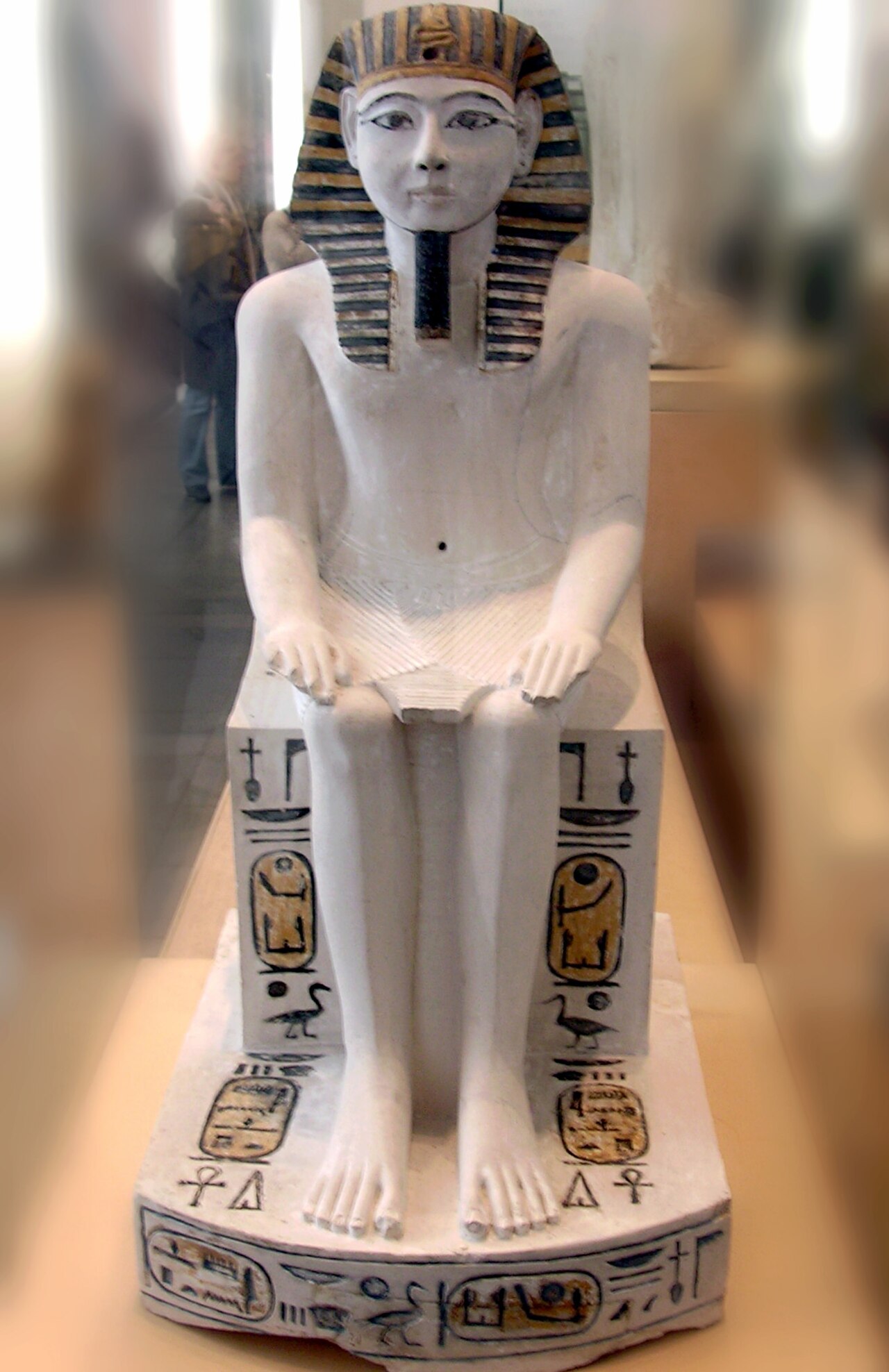
Amenhotep I was the son of Ahmose I and Ahmose-Nefertari. His elder brother, crown prince Ahmose-ankh, died before him, clearing the way for his ascension. He probably came to power while still young, and his mother may have been regent for a short time. He took his older sister Ahmose-Meritamun as his Great Royal Wife; he may have had another wife, Sitkamose.
He is thought to have had one son by Ahhotep II, Amenemhat, who died very young. With no living heirs, he was succeeded by Thutmose I, whom he married to his presumed sister Ahmose. His reign length is given by Manetho as 20 years and 7 months or 21 years; a tomb autobiography confirms he served for 21 years.
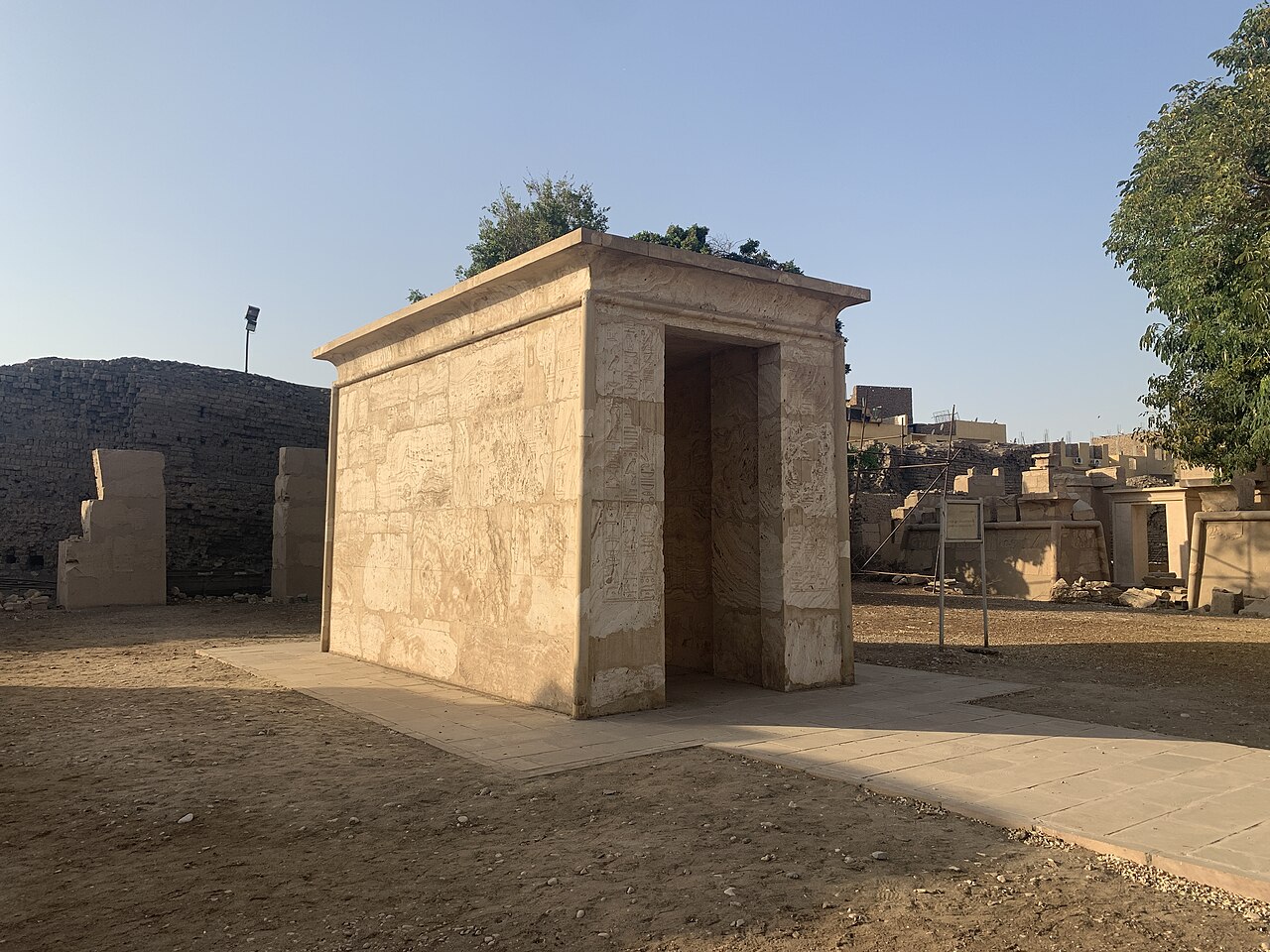
He led campaigns into Nubia, built a temple at Sai, and may have campaigned in Kehek (location unknown). There are no recorded campaigns in Syro-Palestine. He likely founded the artisans' village at Deir el-Medina. The Book of What is in the Underworld (Egyptian Book of the Dead) reached its final form during his reign, and the Ebers papyrus dates to this time.
Royal Bloodline and the Harem of Thebes
Amenhotep III entered the world around 1401 BC as the son of Thutmose IV and his lesser wife Mutemwiya. He later commissioned a divine-birth scene for Luxor Temple, asserting that the god Amun had assumed his father's form to conceive him. His political marriage to Tiye, daughter of Yuya and Thuya, in his second regnal year cemented his dynasty's legitimacy, a claim he reinforced through commemorative scarabs distributed across the kingdom.
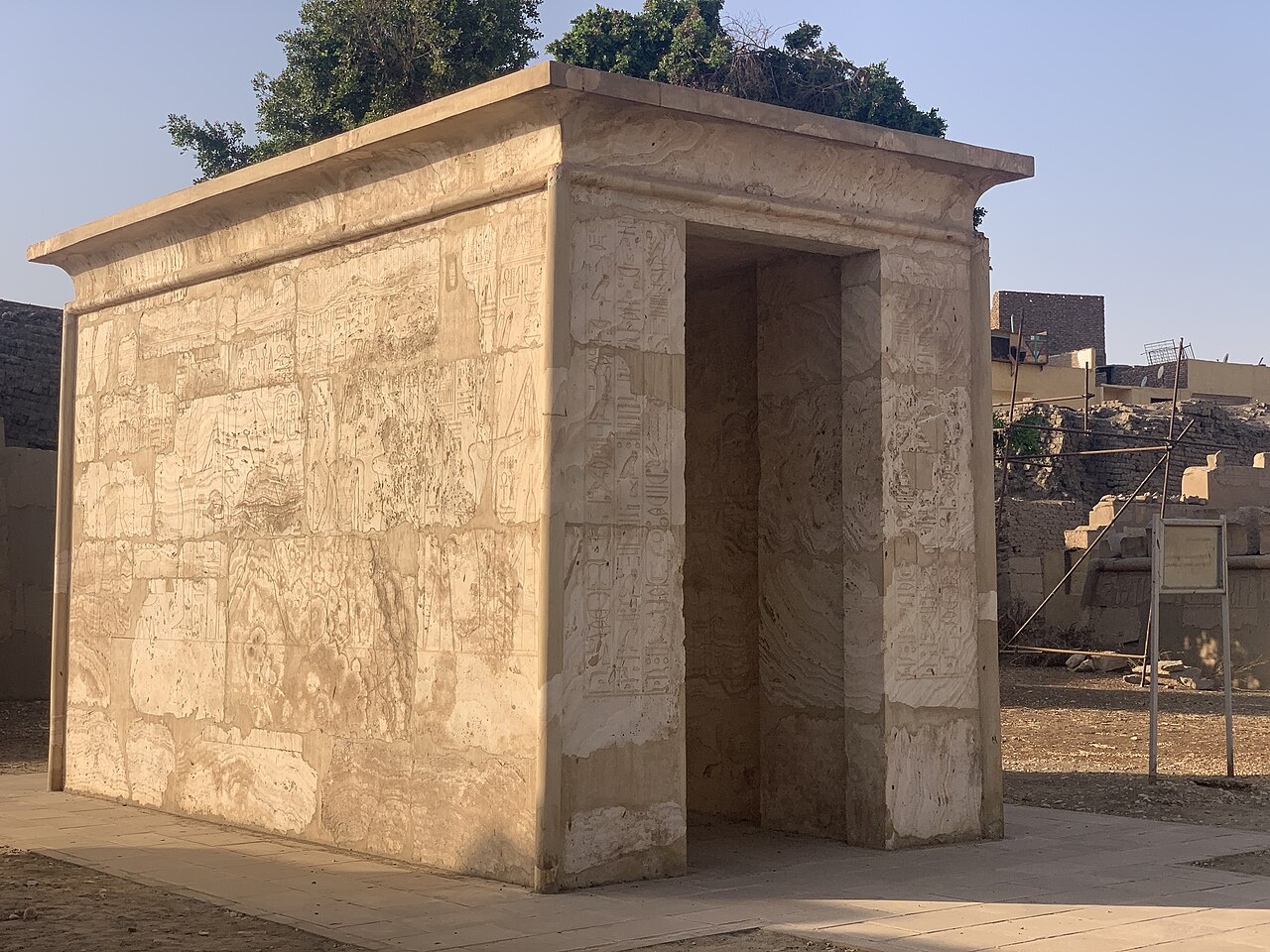
The couple produced at least two sons—Crown Prince Thutmose and the future Akhenaten—along with several daughters including Sitamun, Henuttaneb, Iset, Nebetah, and Beketaten. Beyond Tiye, his harem expanded considerably: he took Gilukhepa of Mitanni in Year 10, Tadukhepa in roughly Year 36, daughters of Babylonian and Arzawan rulers, and even two of his own daughters, Sitamun and Iset, in the final decade. These unions wove diplomatic threads across the ancient Near East while reinforcing royal bloodlines.
A Court of Unmatched Splendor
The thirty-eight or thirty-nine years of Amenhotep's rule represented the apex of Eighteenth Dynasty wealth and cultural production. His court, documented through tombs in the Theban Necropolis, included viziers Ramose, Amenhotep, Aperel, and Ptahmose, treasurers Ptahmose and Merire, high stewards Amenemhat Surer and Huy, and the Viceroy of Kush, Merimose. One official, Amenhotep son of Hapu, accumulated so many offices that he was granted the extraordinary privilege of constructing his mortuary temple directly behind the king's own, and was later deified—a distinction rarely bestowed on non-royals.
The king's personal residence, the Malkata palace (Per-Hay, "House of Rejoicing"), was built of mud-brick beginning around Year 11 and occupied permanently by Year 29. At completion it stood as the largest royal residence in Egypt. In Year 11 he also ordered an artificial lake at Djakaru, Tiye's hometown, celebrating its opening aboard the royal barge Aten-tjehen in a ceremony marked by at least eleven commemorative scarabs.
The Lion-Slayer and the Sun Disc
Despite his image as a peaceful patron of the arts, Amenhotep did lead one military campaign. In his fifth regnal year, while between eleven and seventeen years old, he personally commanded a successful suppression of a rebellion in Kush. The victory was recorded on three rock-carved stelae near Aswan and Saï, with the official narrative emphasizing his martial prowess in the hyperbolic style typical of the era.
Commemorative scarabs also record that he slew either 102 or 110 lions during his first decade on the throne. Religiously, his later years saw a shift: in Year 30 he adopted the epithet Aten-Tjehen, "the Dazzling Sun Disc," elevating the Aten from a minor deity to one bearing royal patronage. He named his palace and a royal boat after the Aten and gave his youngest daughter the name Beketaten, "Handmaid of Aten." Yet his primary devotion remained with Amun-Ra, and he never made the Aten exclusive—unlike his son Akhenaten, who would push the theology to a far more radical extreme.
Death, Deification, and the Shadow of Akhenaten
Amenhotep III died in the thirty-eighth or thirty-ninth year of his reign, succeeded by his son Amenhotep IV, who would soon rename himself Akhenaten and push the religious theology his father had only begun to elevate into a far more radical direction. Even in death, Amenhotep retained a singular distinction: he was one of the very few pharaohs worshipped as a living deity during his own lifetime, a testament to the extraordinary prestige his reign commanded.
His legacy is inseparable from the cultural zenith his court produced—the grandest artistic output of ancient Egypt, the vast Malkata complex, and the diplomatic web of foreign princesses married into the royal household. Yet his final years also sowed the seeds of upheaval: the elevation of the Aten, the marriage of his daughters Sitamun and Iset to himself, and the uncertain parentage of later rulers like Smenkhkare and Tutankhamun all point to a dynasty in flux. The son who inherited his throne would reshape Egypt's spiritual landscape in ways his father could never have imagined.
Reader's Guide
Amenhotep I inherited the kingdom his father had forged through military conquest. His Horus name, "Bull who conquers the lands," and his Two Ladies name, "He who inspires great terror," suggest an intention to dominate surrounding nations. Tomb texts record that he led at least one invasion force into Nubia, defeating the Nubian army and expanding Egypt’s southern border.
He built a temple at Sai, establishing Egyptian settlements nearly as far as the Third Cataract. Another campaign is mentioned in the land of Kehek, though its location remains unknown; possibilities include Nubia, the western desert, or the oases, which had been lost during the Second Intermediate Period and were under Egyptian control again by his reign. He probably did not attempt to maintain Egyptian power in the Levant. In domestic affairs, he continued rebuilding temples in Upper Egypt.
His most significant architectural innovation was separating his tomb from his mortuary temple, a design that became standard for New Kingdom royal funerary monuments. After his death, he was deified as a patron god of Deir el-Medina, the workers’ settlement he and his mother, Ahmose-Nefertari, are credited with founding. His reign is poorly documented, but these fragments reveal a ruler who consolidated his father’s gains, expanded into Nubia, and left a lasting mark on royal burial practices.
More in Ancient Rulers Of Africa And The Near East
Related in Ancient Rulers Of Africa And The Near East
Links follow this subject's own source article.
Sources
Compiled from Wikipedia and the sources listed below. Text from Wikipedia is available under CC BY-SA 4.0; this entry is adapted from it.
- Wikipedia: Amenhotep I (CC BY-SA 4.0).
Spotted an error? Know more?
Reader corrections go straight into our review queue. Suggest an edit · How this site is sourced