Nile
Longest river in the world, central to African history and civilization.

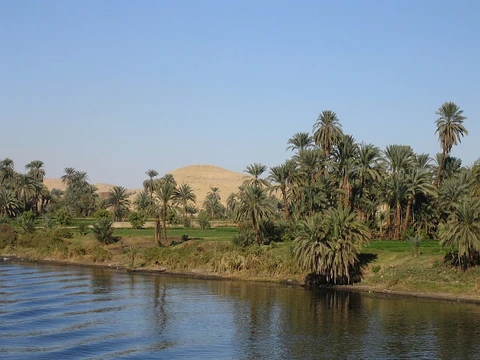
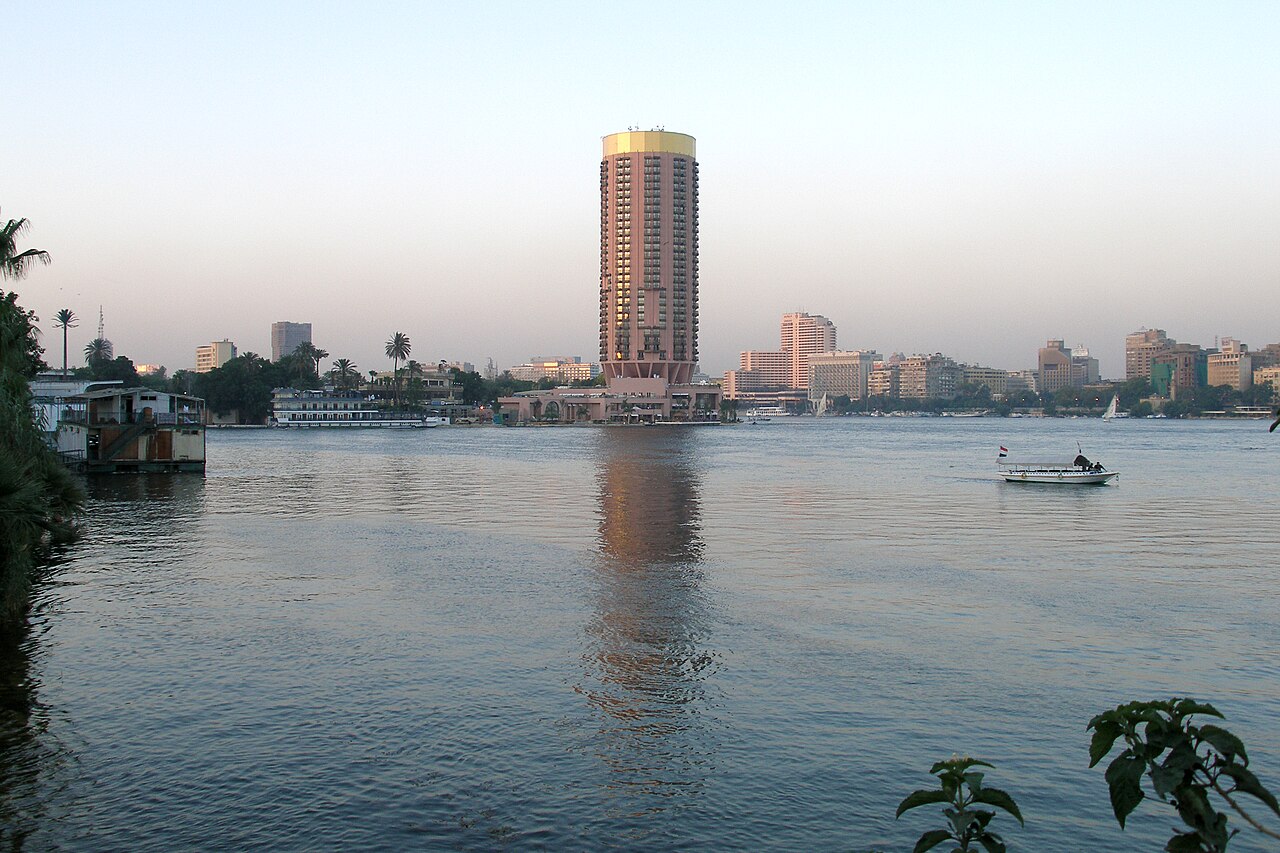
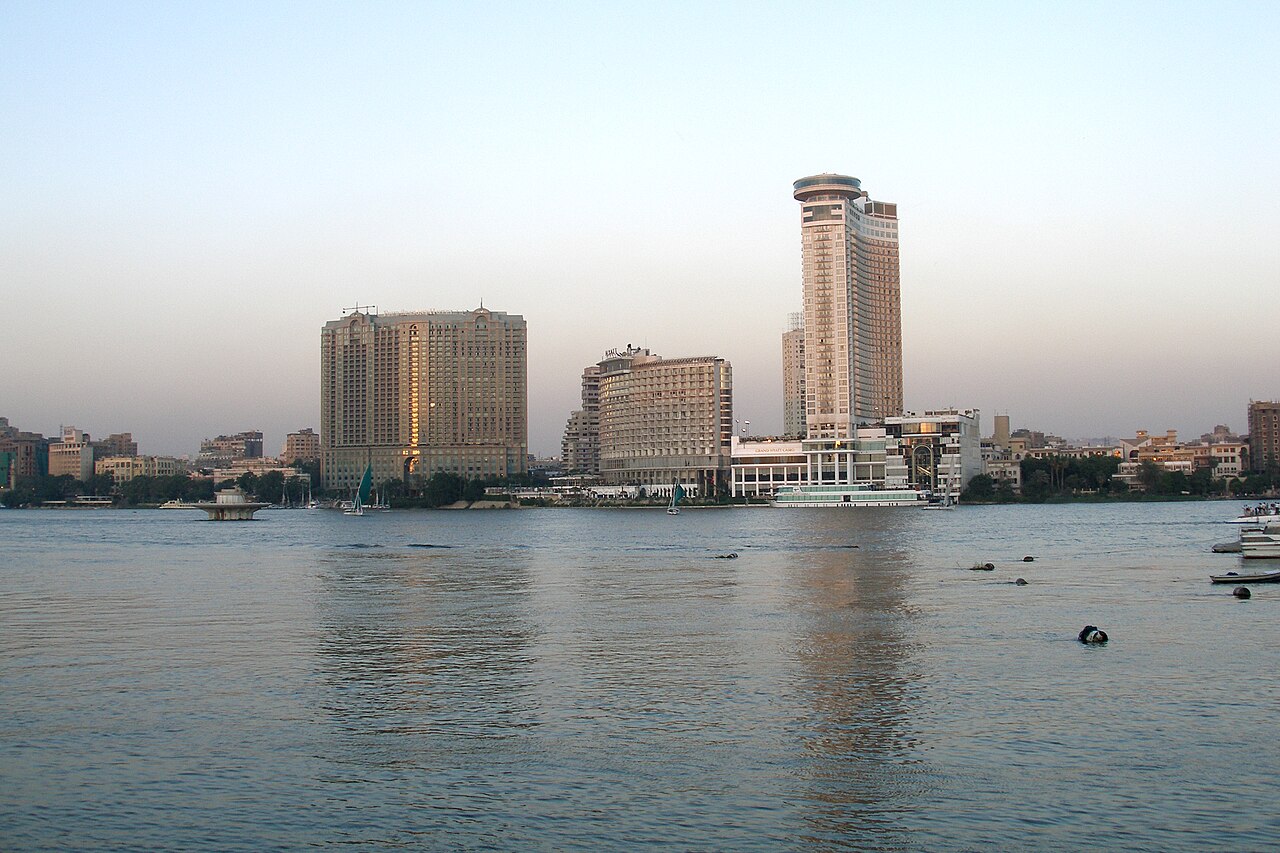
The Nile is a major north-flowing river in northeast Africa, emptying into the Mediterranean Sea. At its full length, it is the longest river in the world, though it carries far less water than rivers like the Amazon or the Congo. The river has two main tributaries: the White Nile, which is longer and considered the headwaters, and the Blue Nile, which contributes more than twice the water volume. The White Nile begins near Lake Victoria, flowing through Uganda and South Sudan, while the Blue Nile originates near Lake Tana in Ethiopia. They converge at Khartoum, the capital of Sudan. From there, the Nile travels north through the Nubian Desert, past Cairo, and ends in a large delta near Alexandria. Geologically, the Nile is young, having followed its present course for about 15,000 years. Its drainage basin spans eleven countries, with most of its water coming from rainfall in Ethiopia, Kenya, Tanzania, and Uganda. Downstream nations like Egypt, Sudan, and South Sudan are largely desert and rely on the river for irrigation. The Nile was the foundation of Ancient Egyptian civilization, whose annual floods deposited nutrient-rich silt that supported crops in an otherwise harsh desert. The river also enabled trade, communication, and transport. Upstream of the second cataract lay Nubia, home to the ancient Kerma culture and Kushite Empire. European explorers in the late 19th century traced the river’s source near Lake Victoria. Today, the Nile is critical for Egypt and Sudan’s economies, irrigating vast croplands. Over a dozen dams built since the late 20th century provide irrigation and electricity but have altered flood cycles, reduced silt transport, and caused the delta to shrink. Dams like the Aswan High Dam and the Grand Ethiopian Renaissance Dam have sparked international disputes over water scarcity, safety, and food security.
Quick Facts
- Mouth
- Mediterranean Sea
Facts from the source article.
Lore & Background
The Nile has two major tributaries: the White Nile and the Blue Nile. The White Nile is longer and considered the headwaters, beginning near Lake Victoria and flowing through Uganda and South Sudan. The Blue Nile begins near Lake Tana in Ethiopia and contributes over twice the water volume of the White Nile. The two rivers meet at Khartoum, Sudan, then flow north through the Nubian Desert to Cairo, Egypt, and empty into the Mediterranean Sea near Alexandria, forming a large delta. The highest sources are on the slopes of the Rwenzori Mountains in Uganda, and the southernmost source is in Burundi at one of the heads of the Ruvyironza River.
Gallery
More in Rivers Of The World
Spotted an error? Know more?
Reader corrections go straight into our review queue. Suggest an edit · How this site is sourced