Alara of Kush
First recorded prince of Kush and founder of the Napatan dynasty.
Last updated
Alara was a King of Kush, generally regarded as the founder of the Napatan royal dynasty by his 25th Dynasty Kushite successors and the first recorded prince of Kush. He unified all of Upper Nubia from Meroë to the Third Cataract and established Napata as the religious capital of Kush. Alara himself never controlled any region of Egypt, unlike his immediate successors Kashta and Piye.
Alara in the historical records
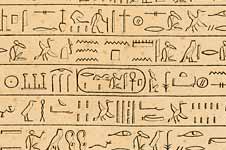
His reign is remembered as substantial in Nubian literature; later Kushite kings would pray to enjoy a reign as long as his. Alara became a central figure in the origin myth of the Kushite kingdom, a story that was embellished over time, and he was deeply revered in Nubian culture as the first Kushite king whose name is known to scholars. His existence is first documented on the Egyptian hieroglyphic stele of Queen Tabiry, his daughter by Queen Kasaqa.
Tomb
Although the stele does not give Alara a royal title, his name appears in a cartouche, confirming his kingship. He is also mentioned as the brother of Taharqa’s grandmother in inscriptions at Kawa. Alara was buried at the royal cemetery of El-Kurru, likely in tomb Ku.9, while his wife Kasaqa was interred in the adjacent tomb Ku.23. The occupant of Ku.9 was buried in the traditional Nubian manner, lying on a bed in a small side chamber at the bottom of a vertical shaft, but the tomb’s superstructure incorporated many Egyptian features, including a chapel with crude reliefs and an offering table.
One relief block shows a male head wearing a crown with streamers and a loop-like ornament imitating a uraeus, suggesting that Alara, or his successor, identified him as nearly a pharaoh. The chapel also appears to have been the first at El-Kurru to include a tomb stele and a funerary offering table. Alara was succeeded by Kashta, who expanded Nubian influence toward Elephantine and Thebes.
Last updated 2026-09-30 from the source article.
Lore & Background
Alara's existence is first documented on the Egyptian hieroglyphic stele of Queen Tabiry, his daughter by Queen Kasaqa. Although Tabiry's stele does not assign Alara a royal title, his name appears in a cartouche, confirming he was a Kushite king. He is also mentioned as the brother of Taharqa's grandmother in inscriptions at Kawa (ca. Nubiologist Timothy Kendall has claimed that Alara is the king 'Ary' Meryamun, whose Year 23 is inscribed on a fragmented stele from the Temple of Amun at Kawa, but Hungarian Egyptologist László Török rejects this view, believing 'Ary' to be a later post-25th Dynasty king named Aryamani.
Kendall's epigraphic arguments are not accepted by other scholars. Alara was buried at the royal cemetery of El-Kurru downstream from Napata. His wife Queen Kasaqa was buried in tomb Ku.23, located next to tomb Ku.9, which is presumed to belong to Alara.
Kendall notes that the occupant of Ku.9 was interred in the traditional Nubian manner—lying on a bed in a small side-chamber at the bottom of a vertical shaft—while the visible tomb superstructure incorporated many Egyptian features, including a crude low-relief chapel and a plain stone offering table. One block preserved the upper part of a male head wearing a crown with streamers and a loop-like ornament over the brow imitative of a uraeus, suggesting either that the tomb owner by the end of his reign had come close to identifying himself as a true pharaoh, or that his successor provided such sentiments in the posthumous depiction. Török concurs that the mortuary cult chapel of Ku.9 seems to have been the first at el-Kurru to be provided with a tomb stele and a funerary offering table.
Reader's Guide
Alara holds a foundational place in Kushite history as the first recorded prince of Kush and the king whom later 25th Dynasty rulers regarded as the founder of their Napatan royal dynasty. His unification of Upper Nubia from Meroë to the Third Cataract and his establishment of Napata as the religious capital set the stage for the expansion of Kushite power under his successors Kashta and Piye. Although Alara never controlled any part of Egypt, his memory was central to the origin myth of the Kushite kingdom, embellished with new elements over time. Nubian literature credits him with a substantial reign, as future Nubian kings requested to enjoy a reign as long as his.
His deep reverence in Nubian culture is reflected in the fact that he is the first Kushite king whose name has come down to scholars. The archaeological evidence from his presumed tomb at El-Kurru shows a blend of traditional Nubian burial practices with Egyptian architectural and artistic features, indicating a transitional period in Kushite royal ideology. Scholarly debate continues over whether Alara is identical to the king 'Ary' Meryamun mentioned on a stele from Kawa, but this remains unresolved.
Frequently Asked Questions
Who is Alara of Kush?
Alara is the earliest recorded ruler of Kush and is traditionally credited by his 25th Dynasty Kushite successors with founding the Napatan royal line. He holds the distinction of being the first prince of Kush whose name appears in the historical record.
What did Alara of Kush accomplish as king?
He consolidated Kushite control over the entirety of Upper Nubia, spanning from Meroë to the Third Cataract, and designated Napata as the religious capital of the kingdom. These moves laid the institutional groundwork for the later Kushite incursions into Egypt.
Who succeeded Alara of Kush?
Kashta followed Alara on the Kushite throne and continued the dynasty's expansionist trajectory, eventually pushing forces into Egypt. Alara himself never held any Egyptian territory, so Kashta's campaigns marked a new phase in Kushite ambition.
More in Ancient Rulers Of Africa And The Near East
Sources
Compiled from Wikipedia and the sources listed below. Text from Wikipedia is available under CC BY-SA 4.0; this entry is adapted from it.
- Wikipedia: Alara of Kush (CC BY-SA 4.0).
Spotted an error? Know more?
Reader corrections go straight into our review queue. Suggest an edit · How this site is sourced