
Extermination camp
Nazi camps built for systematic mass murder by gassing.
Last updated

Unknown author · Public domain
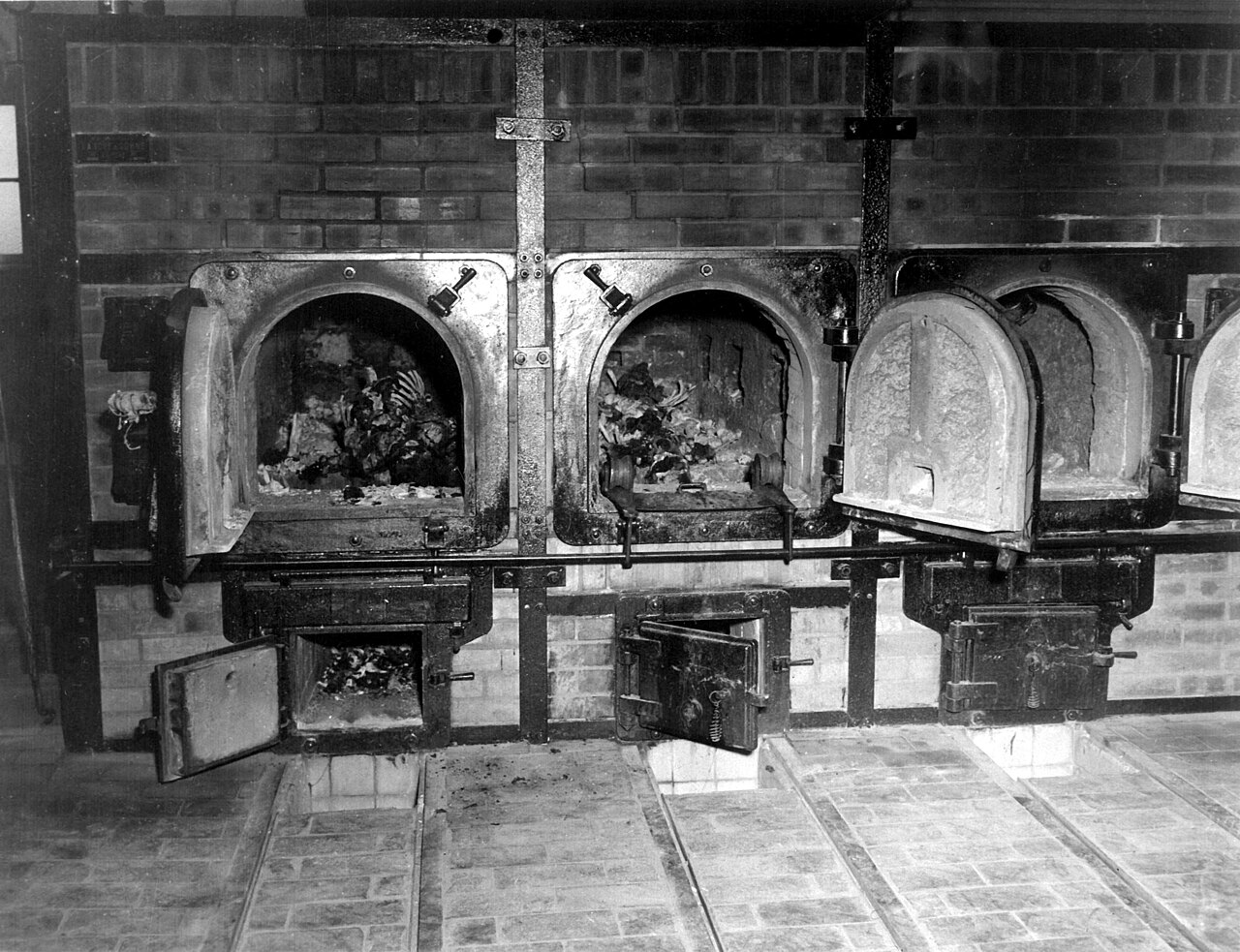
Extermination camps, also called death camps or killing centers, were facilities built by Nazi Germany in Central Europe, primarily in German-occupied Poland, during World War II. Their primary function was the systematic murder of over 2.7 million people—mainly Jews—in the Holocaust, mostly by gassing in permanent installations or gas vans. The five universally recognized extermination camps were Chełmno, Bełżec, Sobibor, Treblinka, and Auschwitz-Birkenau; Majdanek is often classified as a hybrid concentration and killing center rather than a pure extermination camp.
Lore & Background
The idea of mass extermination using stationary facilities was the result of earlier Nazi experimentation with poison gas during the secretive Aktion T4 euthanasia programme against hospital patients with mental and physical disabilities. The technology was adapted and expanded for wartime use, with Jews accounting for over 90 percent of extermination camp victims. The camps were designed specifically for the systematic killing of people delivered en masse by Holocaust trains, with deportees normally murdered within hours of arrival at Bełżec, Sobibór, and Treblinka.
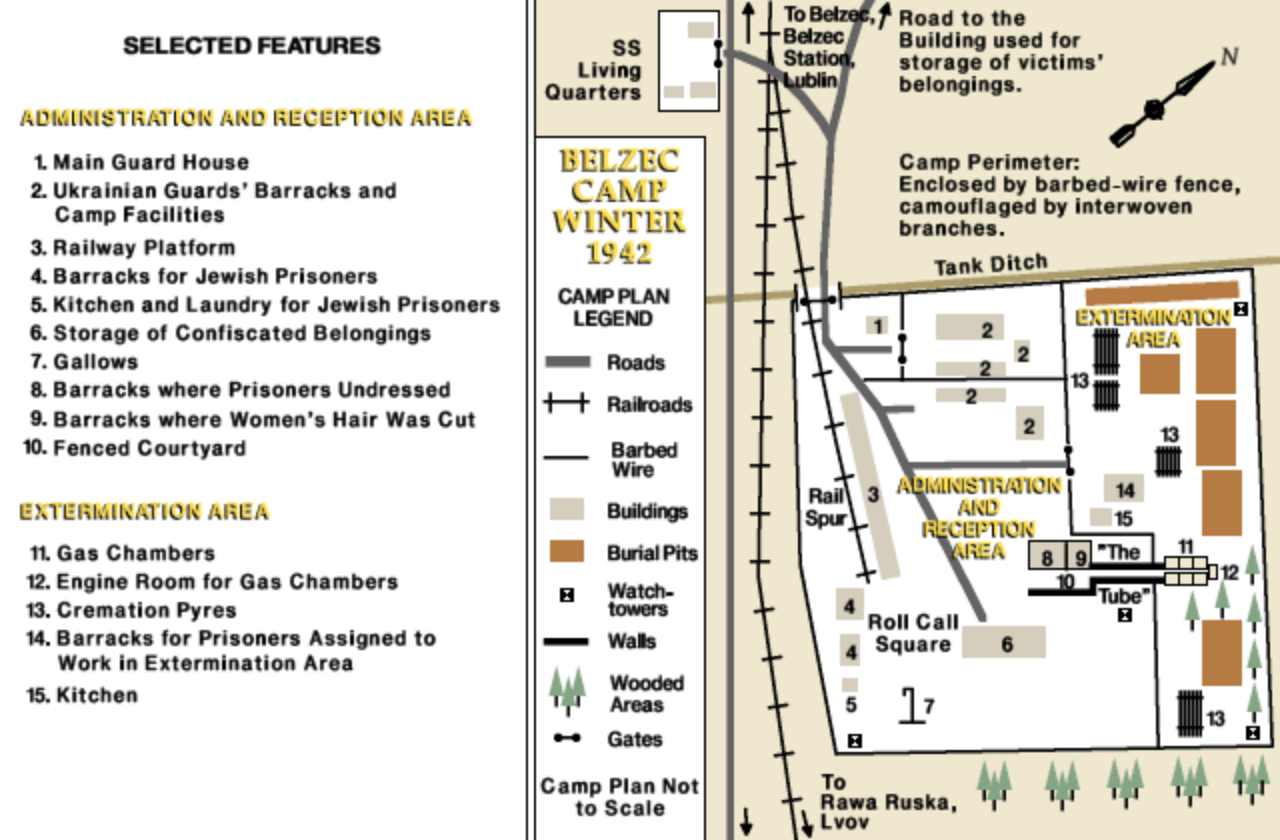
The five universally recognized extermination camps were established in occupied Poland, where most intended victims lived. Majdanek, while also a site of mass murder, is often classified as a hybrid concentration and killing center due to its dual functions. The camps were kept strictly secret, with internal correspondence using euphemisms like 'special treatment' or 'resettlement.' The SS referred to them as concentration camps, and their internal organizational structures were largely identical. The term 'extermination camp' was only used later in historical scholarship and court cases to further categorize the camps.
Reader's Guide
Extermination camps represent a distinct category within the Nazi camp system, differing from concentration camps in that their primary purpose was genocide. While concentration camps existed as early as 1933 and were used as deterrents, extermination camps were kept secret and designed for mass murder. The distinction was evident during the Nuremberg trials, where Dieter Wisliceny identified Auschwitz and Majdanek as extermination camps, while classifying Mauthausen, Dachau, and Buchenwald as normal concentration camps.
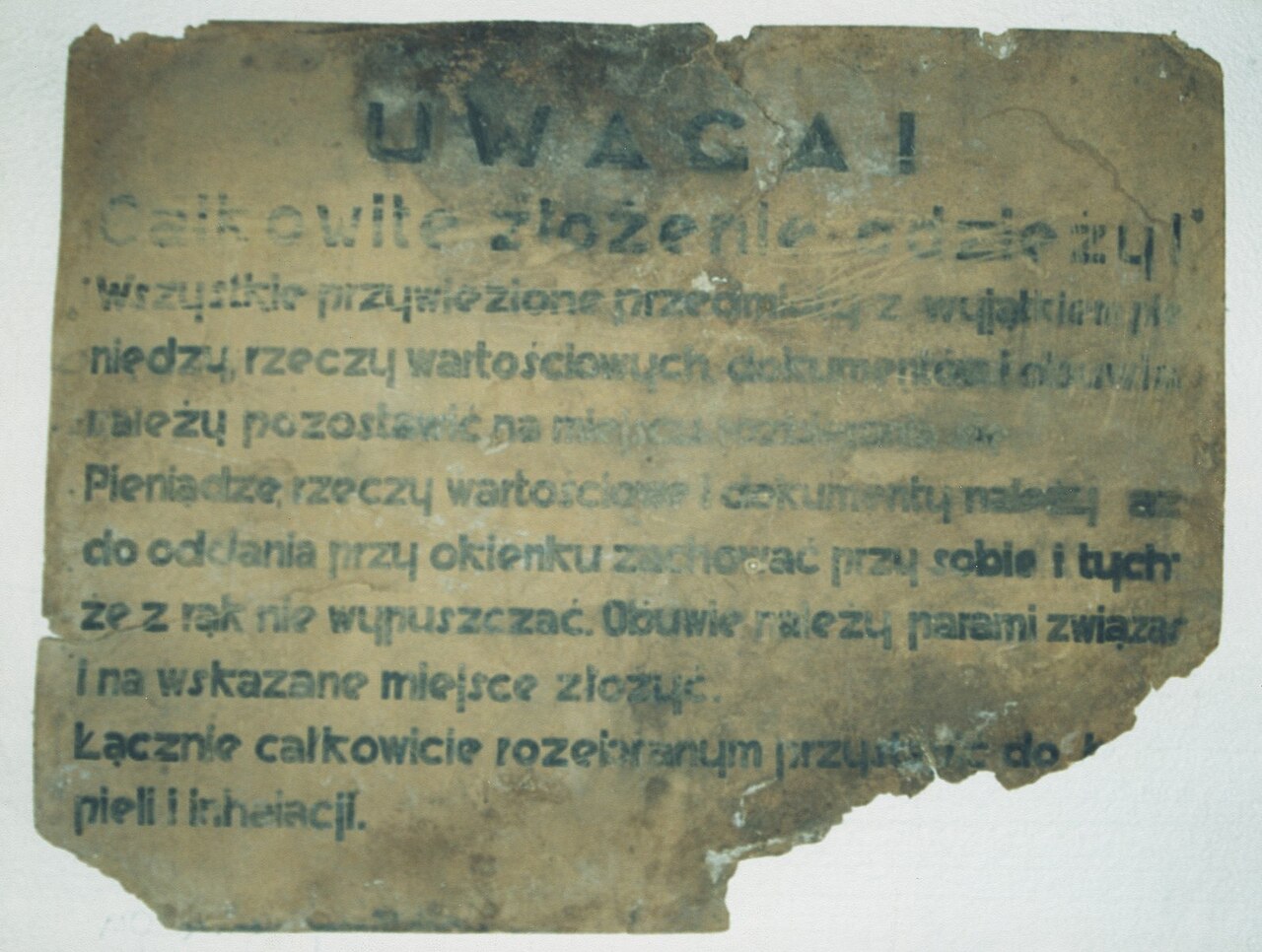
The significance of these camps lies in their role as the industrial-scale implementation of the 'Final Solution to the Jewish question.' The technology and methods were adapted from the Aktion T4 euthanasia programme, and the camps were built in occupied Poland for political and logistical reasons. The legacy of extermination camps is central to understanding the Holocaust, as they were the sites where over 2.7 million people—mainly Jews—were systematically murdered, primarily by gassing.
Frequently Asked Questions
How were people killed in these camps?
The primary method of murder was gassing, carried out either in permanent gas chambers or in mobile gas vans. This industrialized approach allowed the Nazis to kill large numbers of victims in a single operation rather than through individual execution.
How many people were murdered in the extermination camps?
More than 2.7 million people were systematically killed across these facilities, with the vast majority being Jewish men, women, and children targeted under the Holocaust's genocidal program.
Why are extermination camps considered distinct from concentration camps?
While concentration camps served multiple functions such as forced labor, imprisonment, and internment, extermination camps were designed from the outset with one singular purpose: the rapid, industrialized killing of prisoners upon or shortly after their arrival.
More in World War Ii Campaigns And Atrocities
Sources
Compiled from Wikipedia and the sources listed below. Text from Wikipedia is available under CC BY-SA 4.0; this entry is adapted from it.
- Wikipedia: Extermination camp (CC BY-SA 4.0).
Spotted an error? Know more?
Reader corrections go straight into our review queue. Suggest an edit · How this site is sourced