Deal with the Devil
A pact trading a soul for diabolical favors.

Moncure Daniel Conway · Public domain
A deal with the Devil, also known as a Faustian bargain, is a cultural trope in which a person trades their soul to the Devil or a demon in exchange for favors such as youth, knowledge, wealth, fame, or power. The pact may be oral or written, and is considered dangerous, often leading to eternal damnation, though some tales feature a comic twist where the human outwits the devil. The motif appears in Christian traditions, European folklore, and numerous literary works.
- Type
- Cultural trope
- First recorded instance
- Theophilus of Adana (6th century)
- Associated motif numbers
- M210 (Bargain with the devil), M211 (Man sells soul to devil)
- Notable literary works
- The Tragical History of Doctor Faustus (c. 1592), Goethe's Faust (late 18th–early 19th centuries)
- Alleged historical figures
- Pope Sylvester II, Sæmundur Sigfússon, Johann Georg Faust, John Fian
Lore & Background
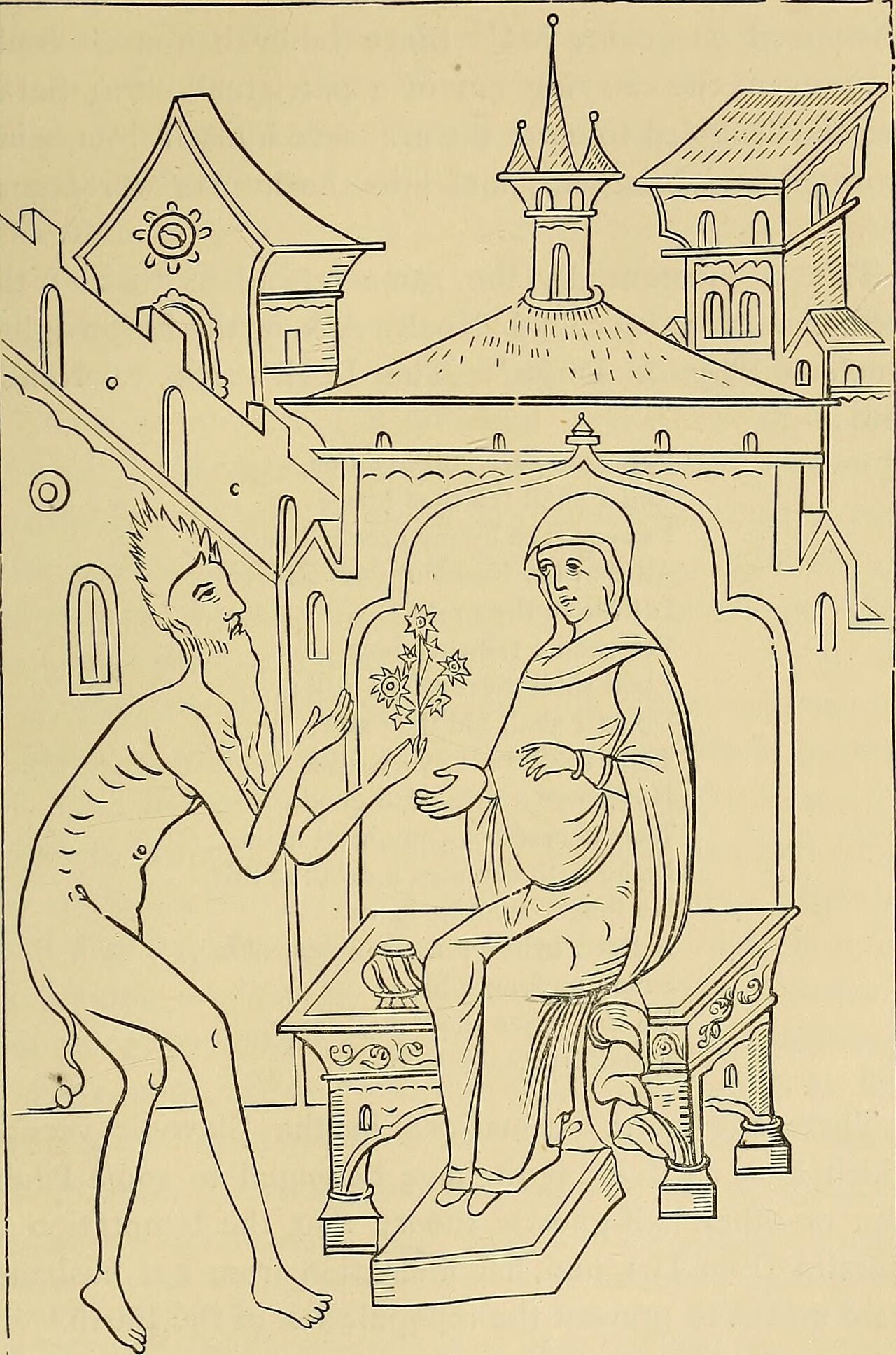
The earliest known Western story of a soul sold to the devil is that of Theophilus of Adana, a 6th-century cleric who, disappointed in his career, sells his soul but is redeemed by the Virgin Mary. This tale was adapted in the 9th century and later by poet Hroswitha of Gandersheim and Gautier de Coincy, and became the basis for a 13th-century play by Rutebeuf. The legend of Faust, popularized by Christopher Marlowe and later Goethe, became the most famous version of the trope.
Alleged historical pacts include Pope Sylvester II, who was said to have learned sorcery and made a pact with a female demon named Meridiana to ascend to the papal throne. The Icelandic priest Sæmundur Sigfússon was credited with outwitting the devil, such as by hitting a seal carrying him with a Bible. The Codex Gigas legend claims a monk summoned Lucifer to complete a book in one night in exchange for his soul. Johann Georg Faust, whose life inspired the Faust legend, and John Fian, who confessed to a compact with Satan during the North Berwick witch trials, are also cited.
Reader's Guide
The deal with the devil is a foundational motif in Western folklore, literature, and demonology, reflecting anxieties about ambition, knowledge, and the cost of worldly success. It appears in Christian traditions as a warning against apostasy and witchcraft, with the Malleus Maleficarum discussing pacts, especially concerning women. The motif's endurance is evident in its adaptation across centuries, from medieval miracle plays to Goethe's Faust, which became an international hit. The trope also appears in music lore, such as the violin virtuosity of Giuseppe Tartini and Niccolò Paganini, and the crossroad myth of Robert Johnson. In Stith Thompson's Motif-Index, it is cataloged as M210 and M211. The pact's structure—oral or written, often signed in blood—and the associated rituals, such as invoking demons at specific times, are detailed in grimoires like The Lesser Key of Solomon. The story of Jesus rejecting the devil's bargains in the Synoptic Gospels provides a counterpoint. The legacy of the deal with the devil endures as a cautionary tale about the perils of overreaching and the seduction of power.
Did You Know?
- The first Western instance of a soul-trading pact is the 6th-century story of Theophilus of Adana.
- Pacts could be oral or written; written pacts were often signed with the conjurer's blood, though some demonologists suggested red ink or animal blood.
- The Malleus Maleficarum discusses pacts with the devil, especially concerning women.
- The motif is cataloged as M210 (Bargain with the devil) and M211 (Man sells soul to devil) in Stith Thompson's Motif-Index.
Theological Foundations & The Soul's Wager
The Faustian bargain is rooted deeply in Christian demonological tradition, where a mortal offers their soul in exchange for diabolical favours. The specific gifts vary across tales but typically encompass youth, knowledge, wealth, fame, and power. Interestingly, the tradition also records that some individuals entered such pacts not for any material or spiritual benefit whatsoever, but simply as a gesture of recognition—acknowledging the demon as their master in return for nothing. The Synoptic Gospels offer an early narrative parallel: Jesus is presented with a series of bargains from the devil, each promising worldly riches and glory in exchange for serving the devil rather than God. His rejection of these overtures leads him to embark on his travels as the Messiah. Across most religious traditions, the bargain carries an inherent danger because the fiend's service always costs the wagerer's soul, and the narrative typically foresees eternal damnation for the reckless soul who dares such a transaction.
From Theophilus to Goethe – A Literary Lineage
The earliest known instance of a soul-trading narrative in Western lore belongs to Theophilus of Adana, a despairing cleric whose disappointment in his worldly career led him to sell his soul to the devil before being redeemed by the Virgin Mary. A sixth-century Greek version, attributed to a writer called Eutychianus, preserves this story, while a ninth-century Latin text inserts the Virgin as an intermediary between Theophilus and his diabolical patron. The tenth-century poet nun Hroswitha of Gandersheim further elaborated the tale, internalizing the seduction of good and evil and recasting the devil as a necromancer. The legend continued to evolve through Gautier de Coincy's thirteenth-century poem and Rutebeuf's play, which placed Theophilus at the center of a dramatic frieze flanked by the Virgin, a bishop, a Jew, and the devil. In the English-speaking world, the Faust legend gained enormous notoriety through Christopher Marlowe's Tragical History of Doctor Faustus around 1592, and later achieved international stature via Goethe's Faust, published in two parts spanning the late eighteenth and early nineteenth centuries. Stith Thompson's Motif-Index catalogues the broader tradition under motif numbers M210 and M211.
Ritual, Sigils & the Mechanics of the Pact
The mechanics of a devilish pact, as described in demonological and witch-trial sources, mirror the structure of ordinary contracts—either oral or written. An oral agreement was sealed through invocations, conjurations, or rituals designed to summon the demon; once the conjurer believed the entity was present, they requested their desired favour and offered their soul, leaving no physical trace. Yet some witch trials claimed that even an oral pact left evidence in the form of the Witches' mark, an indelible impression where the devil had touched the marked person to seal the deal, a spot where the individual allegedly felt no pain. A written pact followed similar summoning procedures but produced a physical document, typically signed with the conjurer's blood, though some demonologists argued for red ink or animal blood instead. The documents often bore strange characters identified as diabolical signatures, each demon possessing a unique sigil catalogued in texts like The Lesser Key of Solomon. The Malleus Maleficarum further asserted that all witches and warlocks had entered such pacts, usually with Satan. Demonology also prescribed specific months, days, and hours for invoking each demon, with the choice of entity depending on the nature of the favour sought.
Outcomes – Damnation, Comedy & the Wily Trickster
The narrative outcomes of a Faustian bargain split along a clear axis: tragedy or comic subversion. In the most common religious framing, the tale ends badly, with eternal damnation awaiting the foolhardy venturer who has wagered their soul. The person making the pact sometimes attempts to outwit the devil, only to lose in the end. A particularly clever example involves a man who sells his soul in exchange for eternal life, reasoning that he will never die and therefore never have to pay his end of the bargain. Immune to the death penalty, he commits murder but is sentenced only to life in prison—a loophole that ultimately still traps him. Conversely, many folk tales deliver a comic twist in which a wily peasant outwits the devil, characteristically by exploiting a technical point in the terms of the agreement. This duality—tragic damnation versus clever trickery—gives the trope its enduring narrative flexibility, allowing it to function as both a moral warning and a celebration of human cunning against supernatural power.
Gallery
Frequently Asked Questions
What is a 'Deal with the Devil'?
It is a recurring cultural motif in which a human exchanges their soul with the Devil or a demon in return for a coveted gift such as knowledge, wealth, youth, or power. The agreement may be spoken aloud or sealed in a written contract, and the trope is most commonly called a Faustian bargain.
What do people typically receive in exchange for their soul?
The rewards vary by tale but almost always represent something the human deeply craves—supernatural knowledge, great riches, restored youth, fame, or raw power. In every version the gift is something unattainable through ordinary human effort, which is what makes the bargain tempting.
When does this motif first appear in recorded history?
The earliest known written instance is the 6th-century legend of Theophilus of Adana, a deacon who allegedly signed a pact with the devil. Folklorists later catalogued the theme under motif numbers M210 (Bargain with the devil) and M211 (Man sells soul to devil).
How does the story usually end for the person who makes the pact?
In the majority of versions the human ultimately faces eternal damnation once the Devil comes to collect the promised soul. A smaller set of folk tales, however, ends on a comic note where the trickster human outwits the devil and escapes the bargain entirely.
Which major literary works are built around this trope?
Christopher Marlowe's The Tragical History of Doctor Faustus (c. 1592) and Goethe's Faust (late 18th–early 19th centuries) are the two most celebrated literary treatments. The motif also surfaces in legends linked to alleged historical figures such as Pope Sylvester II, Sæmundur Sigfússon, and Johann Georg Faust.
More in Witchcraft in folklore and mythology 1-24
Spotted an error? Know more?
Reader corrections go straight into our review queue. Suggest an edit · How this site is sourced