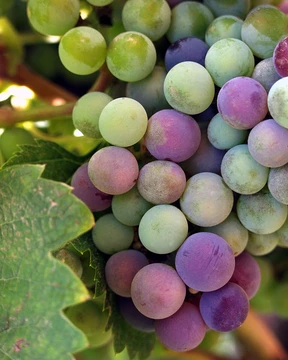
Maceration (wine)
Maceration leaches color, tannins and flavor from grape skins into must.
Maceration is the winemaking process in which phenolic compounds from grapes—including tannins, anthocyanins (color agents), and flavor components—are extracted from the skins, seeds, and stems into the must. The term "macerate" means to soften by soaking, and this technique is what gives red wine its color, since the juice of most red wine grapes is naturally clear-grayish (with the exception of teinturier varieties). For white wines, maceration is typically avoided or kept very limited, sometimes involving a brief period of skin contact before pressing, especially for less aromatic varietals like Sauvignon blanc and Sémillon. In rosé production, red wine grapes undergo some maceration, but not as much as in red winemaking.
The process begins as soon as the grape skins are broken and exposed to heat. Temperature is a key factor: higher temperatures encourage greater breakdown and extraction of phenols. Maceration continues during fermentation and can extend beyond the point when all sugar has been converted to alcohol. It is a slow process; anthocyanins, for example, must pass through the cell membranes of the skins to reach the wine. Higher temperatures and rising alcohol levels during fermentation aid this extraction, with alcohol acting as a solvent to break down organic compounds. However, extraction slows once the wine reaches about 10% alcohol.
During fermentation, carbon dioxide is released as a byproduct, rising to the top and pushing grape skins and solids upward to form a cap. This cap limits contact between the must and the skins, so winemakers intervene by punching down the cap (sometimes by foot treading) or pumping wine from below over the cap. The frequency of these actions depends on the desired level of maceration. A modern method is the pneumatage process, where compressed air or gas is injected into the juice; the resulting bubbles use gravity and the weight of the liquid to circulate the must with the cap, improving extraction of aroma, color, and tannins.
Maceration can enhance a wine’s flavor, body, mouthfeel, and color. Greater extraction may add complexity and aging potential by developing more complex tannins that soften over time. However, there are risks: it can lead to wine faults like volatile acidity, and excessive extraction can make tannins harsh and unapproachable for many drinkers.
- Alcohol level threshold
- 10%
- Process duration
- continues during fermentation and can last well past the point when yeast has converted all sugars into alcohol
Lore & Background
The process of maceration begins as soon as the grapes' skins are broken and exposed to some degree of heat. Temperature is the guiding force, with higher temperatures encouraging more breakdown and extraction of phenols from the skins and other grape materials. Maceration continues during the fermentation period, and can last well past the point when the yeast has converted all sugars into alcohol. The process itself is a slow one with compounds such as the anthocyanins needing to pass through the cell membrane of the skins to come into contact with the wine. During fermentation, higher temperatures and higher alcohol levels can encourage this process with the alcohol acting as a solvent to assist in the breakdown of the organic compounds within the grape materials. This process seems to slow once the wine reaches an alcohol level of 10%.
Throughout the fermentation process, carbon dioxide is released as a byproduct of the conversion of sugar into alcohol. The carbon dioxide seeks to escape from the must by rising to the top of the mixture, pushing the grape skins and other materials to the top as well. This forms what is known as a cap that is visible on top of the fermentation vessel. At this point, a very limited amount of the must comes into contact with the skins, and winemakers seek to correct this by pushing down the cap (either with equipment or the traditional method of treading with their feet) or by pumping wine out from under and over onto the cap. This process of 'pumping over' or 'punching down' the cap is done often throughout the fermentation process, depending on the extent of maceration the winemaker desires. An efficient and modern method of maceration is the 'pneumatage process' in which compressed air or gas is sequentially injected into the juice, using gravity and the weight of the juice to circulate the wine juice with the cap of skins and grape solids.
Reader's Guide
Maceration is fundamental to red winemaking, as it is the primary means by which red wine receives its color, tannins, and flavor from the grape skins. The duration of contact between the crushed grape skins and their juice impacts the final color and flavor profile. Depending on the varietal, maceration can help bring out many flavors in the wine that would otherwise be lacking, enhance the body and mouthfeel, and strengthen the color. Greater extraction can add to the complexity and life expectancy of the wine by developing more complex tannins that will soften over a longer period of time. However, these benefits come with risks: the development of acetic (or 'volatile') acidity, and too much extraction can increase the harshness of some tannins to where the wine is not very approachable to most wine drinkers. While maceration is a technique usually associated with wine, it is used with other drinks such as Lambic, piołunówka, Campari and crème de cassis, and also used to steep unflavored spirit with herbs for making herb-based alcohol like absinthe. One classical method of maceration is grape treading or pigeage, where grapes are crushed in vats by barefoot workers. The process of cold maceration or cold soak keeps temperatures low to encourage extraction by water and added sulfur dioxide rather than relying principally on heat and alcohol; this technique was popular in the production of Burgundy wines in the 1970s and 1980s, though there is still debate among oenologists about its overall benefits. Carbonic maceration is a different process involving fermentation of whole clusters of unbroken grapes in an atmosphere saturated with carbon dioxide.
Did You Know?
- Most red wine grapes have their color concentrated in the skin, while the juice is much lighter in color.
- The 'cap' of grape skins formed during fermentation is punched down or pumped over to maximize maceration.
- Maceration is also used in making Lambic, piołunówka, Campari, crème de cassis, and absinthe.
- The pneumatage process uses compressed air or gas to circulate the must with the cap for greater extraction.
More in Winemaking 1-24
Spotted an error? Know more?
Reader corrections go straight into our review queue. Suggest an edit · How this site is sourced