Ernest Singer
Pioneer of dry Koshu wine and first Japanese wine for EU import.
Ernest Singer is an American-born winemaker based in Japan who has become a key figure in reviving interest in the Koshu grape. He also produced the first Japanese wine granted approval for import into the European Union.
Singer moved to Japan at age 12 with his parents, who were stationed there with the U.S. military. His father worked as a computer engineer. After briefly returning to the United States to attend Yale, Singer spent years in various businesses—real estate, travel, promotion, and computers—before turning to wine. He founded Millesimes, a wine importing company, and later hired Denis Dubourdieu, a professor of oenology at the University of Bordeaux, to help him make wine from the Japanese Koshu grape. Singer brought other Japanese winemakers into this effort, sparking renewed interest in Koshu. He established his own winemaking operation as Asagiri Wine Company, which was later renamed Fujisan Winery.
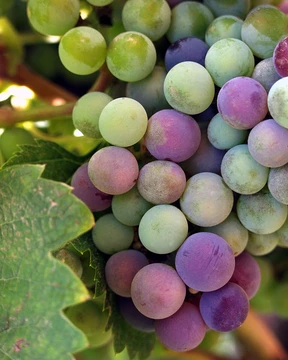
Singer chose Koshu because he believed it could produce wines that pair well with Japanese cuisine. Koshu is a white grape thought to have arrived in Japan from Europe via the Silk Road centuries ago; DNA testing indicates it is a hybrid of a European wine grape species. By 2010, Koshu cultivation in Yamanashi Prefecture had dropped by more than half from earlier levels. After that, plantings began to increase again. Koshu’s growing international recognition helped Yamanashi become Japan’s top wine-producing prefecture, and the region set a target of 1,000 tons of Koshu production by 2025.
Japanese Koshu wines had traditionally been quite sweet, but Singer was inspired by an experimental dry Koshu he tasted. He decided to focus on dry Koshu and convinced other winemakers, including Shigekazu Misawa of Grace Wine, that this approach was best for making export-quality wines. They exchanged ideas, and many companies joined in. Some of them formed the Koshu of Japan organization.
Singer hired Dubourdieu to oversee production of a very dry Koshu, unlike the sweet versions then common. Because Koshu grape skins are extremely bitter, Dubourdieu minimized skin contact during fermentation. The grapes’ sugar levels were low compared to varieties grown abroad, and Dubourdieu chose not to add sugar before fermentation, resulting in a wine with an unusually low alcohol content of nine or ten percent.
Quick Facts
- Birth Place
- United States
- Occupation
- Winemaker and wine importer
- Known For
- Promoting the use of the Koshu grape in Japanese wines
Facts from the source article.
Lore & Background
Ernest Singer came to Japan at age 12 with his parents, who were in the U.S. military. After briefly returning to the United States to attend Yale, he engaged in businesses including real estate, travel, promotion, and computers before entering the wine industry. He started Millesimes, a wine importer, and later founded Asagiri Wine Company, which was renamed Fujisan Winery.
Singer chose to focus on the Koshu grape because he felt it would produce wines complementing Japanese cuisine. Koshu is a white grape thought to have been brought to Japan over the Silk Road from Europe centuries ago; DNA testing suggests it is a hybrid of a European wine grape species. Its popularity had declined, with cultivation in Yamanashi Prefecture dropping over 50% to a low in 2010, after which it began to increase again.
Inspired by an experimental dry Koshu wine, Singer decided to concentrate on dry Koshu and convinced other Japanese winemakers, such as Shigekazu Misawa at Grace Wine, that this was the best approach for quality wines suitable for export. He hired Denis Dubourdieu to oversee creation of a very dry Koshu. Dubourdieu minimized skin contact to avoid bitterness and did not add sugar, resulting in an unusually low alcohol level of nine or ten percent. In 2013 they created a sparkling version with a dosage of only 2 grams per liter.
Reader's Guide
Ernest Singer's significance lies in his role as a catalyst for the revival and international recognition of the Koshu grape. By hiring Denis Dubourdieu, a renowned oenologist from the University of Bordeaux, Singer brought scientific rigor to Japanese winemaking, shifting Koshu from the sweet style that had dominated to a dry, food-friendly wine. His success in gaining EU approval for his wine 'Shizen Cuvee Denis Dubourdieu' in 2008 opened the European market for Japanese wines, paving the way for other producers like Grace Winery to export. Singer also fostered collaboration among Japanese winemakers through the Koshu of Japan organization, exchanging ideas to improve quality. His long-term cooperative project with Chubu University to produce virus-free Koshu vines addresses a key limitation—viral infections that reduce sugar levels and cap alcohol at around 9%. In November 2022, Fujisan Winery announced a cooperation with Golan Heights Winery in Israel to mass-produce these virus-free vines, potentially improving wine quality further. Singer's efforts helped Yamanashi Prefecture achieve the highest Japanese wine production, with a target of 1,000 tons of Koshu by 2025.
Did You Know?
- Singer's father was a computer engineer in the U.S. military.
- Koshu grape skins are extremely bitter, so Dubourdieu minimized skin contact during fermentation.
- The sparkling Koshu vintage had a dosage of only 2 grams per liter.
- Singer has six children from three different partnerships.
More in Winemaking 1-24
Spotted an error? Know more?
Reader corrections go straight into our review queue. Suggest an edit · How this site is sourced