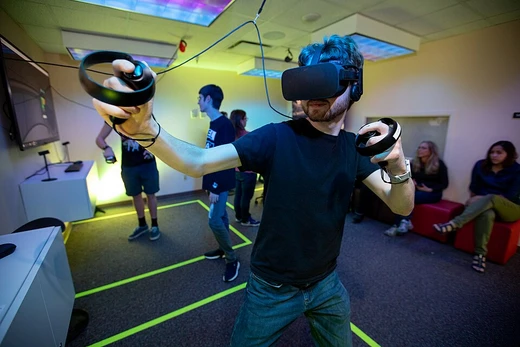
Beat Saber
Virtual reality rhythm game with neon blocks and sabers.

Felix220 · CC0
Beat Saber is a virtual reality rhythm game developed by Beat Games, originally published by Beat Games before the studio was acquired by Oculus Studios in 2019. The game features players slicing blocks representing musical beats with a pair of brightly colored sabers in surrealistic neon environments. Following an early access release on May 1, 2018, the game was fully released for PlayStation 4 and Windows on May 21, 2019, and for the Meta Quest in standalone mode.
Quick Facts
- Title
- Beat Saber
- Developer
- Beat Games
- Publisher
- Beat Games / Oculus Studios (2019-present)
- Engine
- Unity
- Platforms
- PlayStation 4 · PlayStation 5 · Meta Quest · SteamVR · Windows Mixed Reality
- Released
- May 21, 2019
- Genre
- Rhythm
- Modes
- Single-player, multiplayer
- Designer
- Ján Ilavský · Vladimír Hrinčár · Peter Hrinčár
- Artist
- Jan Ilavský
- Composer
- Jaroslav Beck
Facts from the source article.
Lore & Background
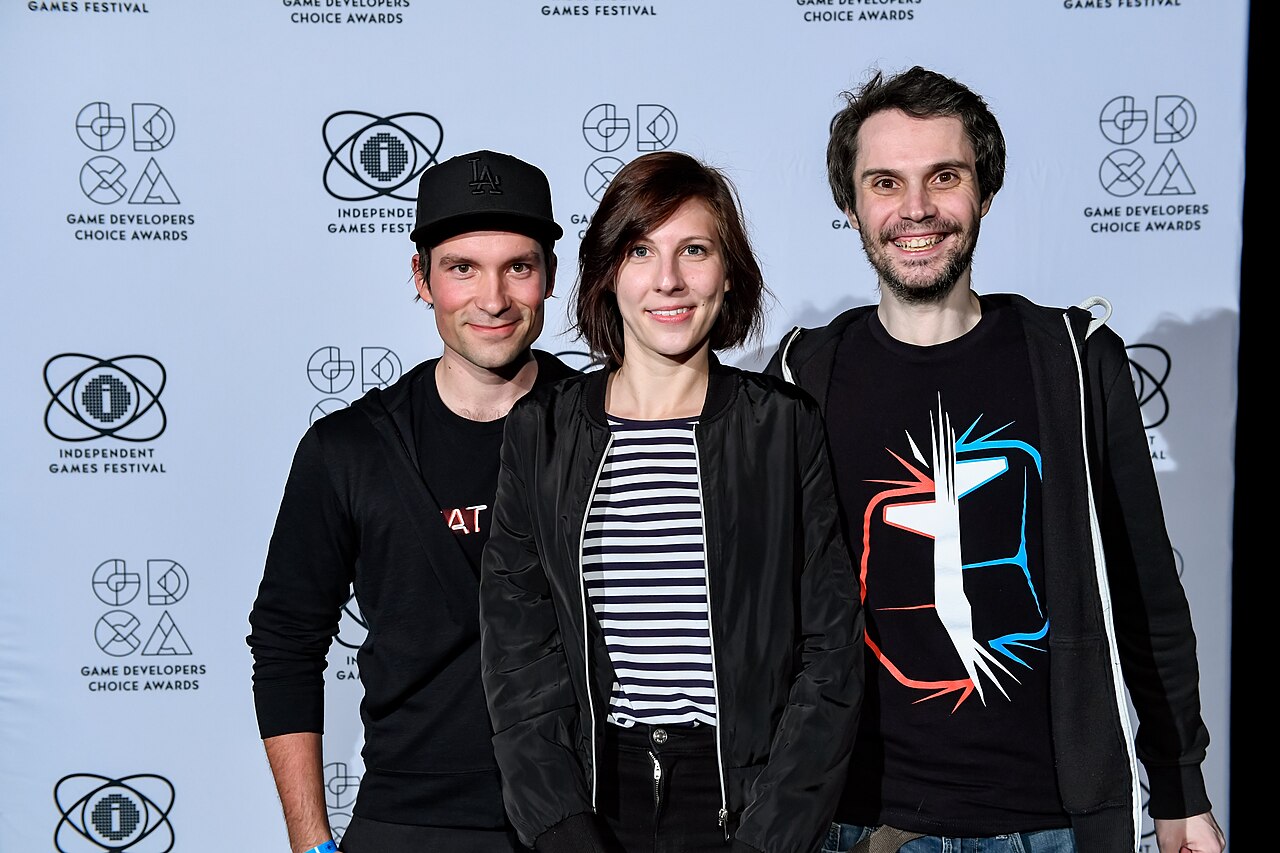
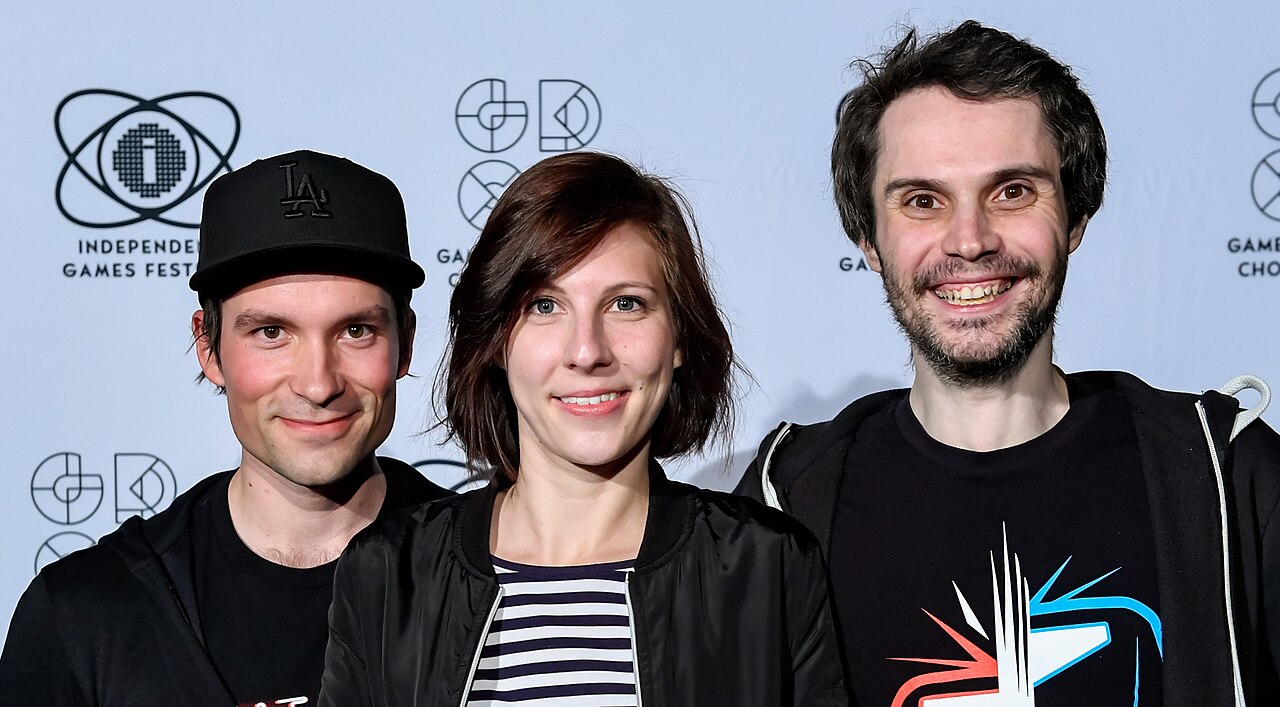
Work on Beat Saber began after the completion of Hyperbolic Magnetism's previous title, Chameleon Run. Slovak developers Vladimír Hrinčár and Ján Ilavský created demos and prototypes, some posted on Facebook. Czech composer Jaroslav Beck saw these prototypes and met the team in Prague to convince them to let him create the soundtrack. After around two years of development, the game was released in early access on May 1, 2018. Hyperbolic Magnetism changed its name to Beat Games.
The game was first released in early access on Windows on May 1, 2018, and on PlayStation 4 on November 20, 2018. An editor for custom user songs was announced for May 2018 but postponed and added in May 2019. In March 2019, Beat Games released its first paid song pack featuring 10 songs from Monstercat. 'Crab Rave' was added as a free update on April Fools' Day 2019. On May 2, 2019, a prototype version from three years prior was released as Beat Saber Origins. The game fully released out of early access on PC on May 21, 2019.
Facebook via Oculus Studios acquired Beat Games in November 2019, stating the purchase would not affect development on third-party VR platforms. Beat Games continues to operate in Prague as an independent studio under Oculus Studios.
Reader's Guide
Beat Saber is significant as a landmark virtual reality rhythm game that became the highest-rated game on Steam less than a week after its early access release. It sold over one million copies by March 2019 and over four million copies by February 2021, with 40 million songs sold through paid DLC. The game was praised by Edge as an excellent fit for VR, feeling native to the technology. IGN noted it effectively communicates the appeal of VR and is a go-to for introducing anyone to virtual reality. GameSpot acknowledged a slim song library at launch but called the game an exhilarating rush. In 2025, Meta compiled its 50 best-selling paid Quest games of all time, with Beat Saber topping the list at number one. The game's legacy includes its influence on VR gaming, its extensive modding community through custom songs, and its continued commercial success under Oculus Studios.
Did You Know?
- The game sold over 4 million copies by February 2021.
- In 2024, songs with explicit lyrics were added, with options for players ages 13 and over to include or remove them.
From Chameleon Run to Beat Games
Beat Saber did not arrive fully formed. It grew out of the creative momentum left over from Hyperbolic Magnetism's earlier title, Chameleon Run. Slovak developers Vladimír Hrinčár and Ján Ilavský began experimenting with virtual-reality rhythm concepts, producing small demos and prototypes that they shared publicly on Facebook. Those early posts caught the eye of Czech composer Jaroslav Beck, who traveled to Prague to meet the team face-to-face and persuade them to let him compose the game's soundtrack. That collaboration became a defining pillar of the project. After roughly two years of iterative development, the team shipped an early-access build on May 1, 2018, and in that same window Hyperbolic Magnetism rebranded itself as Beat Games, a studio name that would become inseparable from the title it was building. The game's surreal neon aesthetics, its tight synchronization between audio and visual feedback, and its emphasis on physical movement all trace back to those formative prototype sessions and to Beck's insistence that the music drive the experience rather than merely accompany it.
The Core Loop and Its Evolution
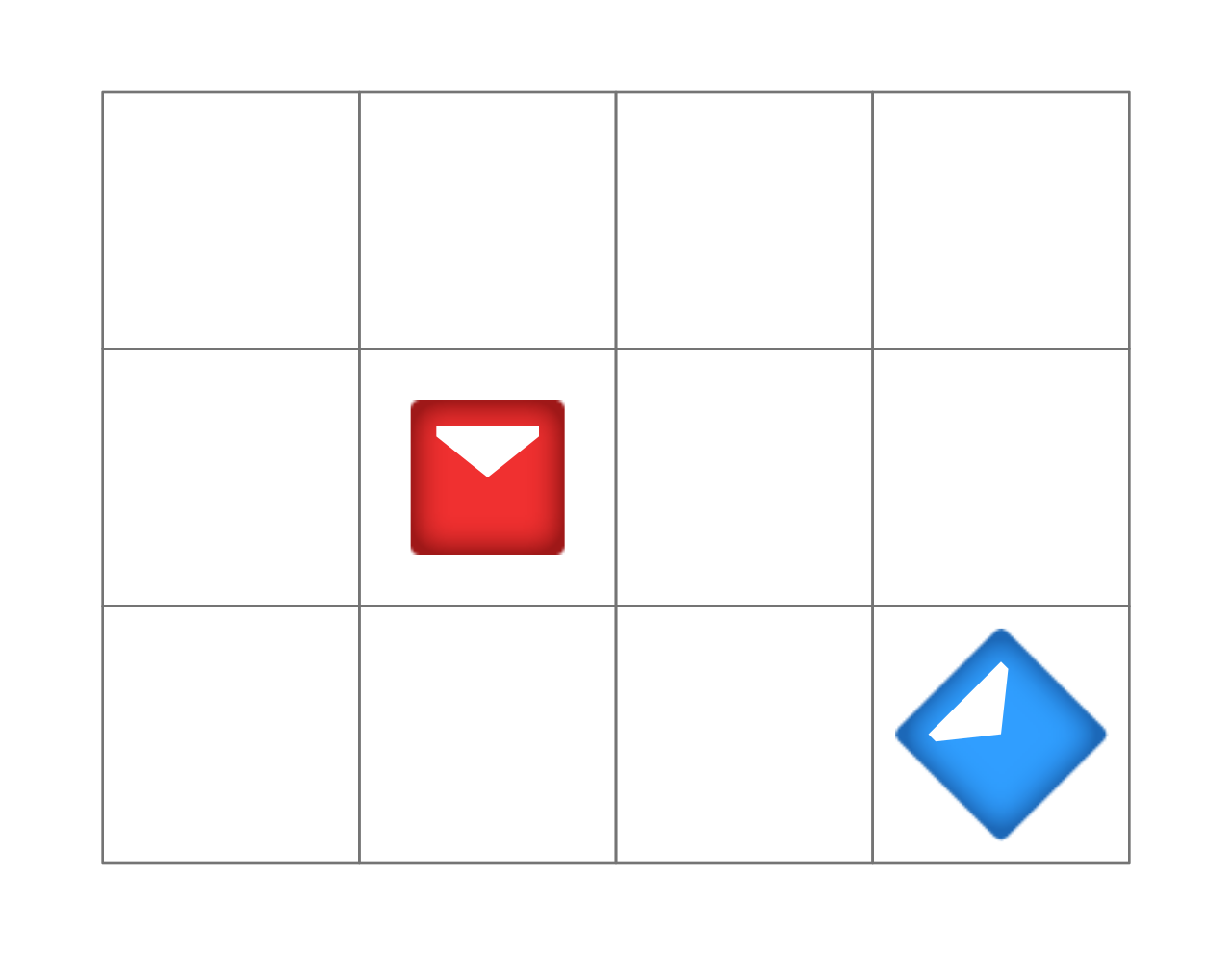
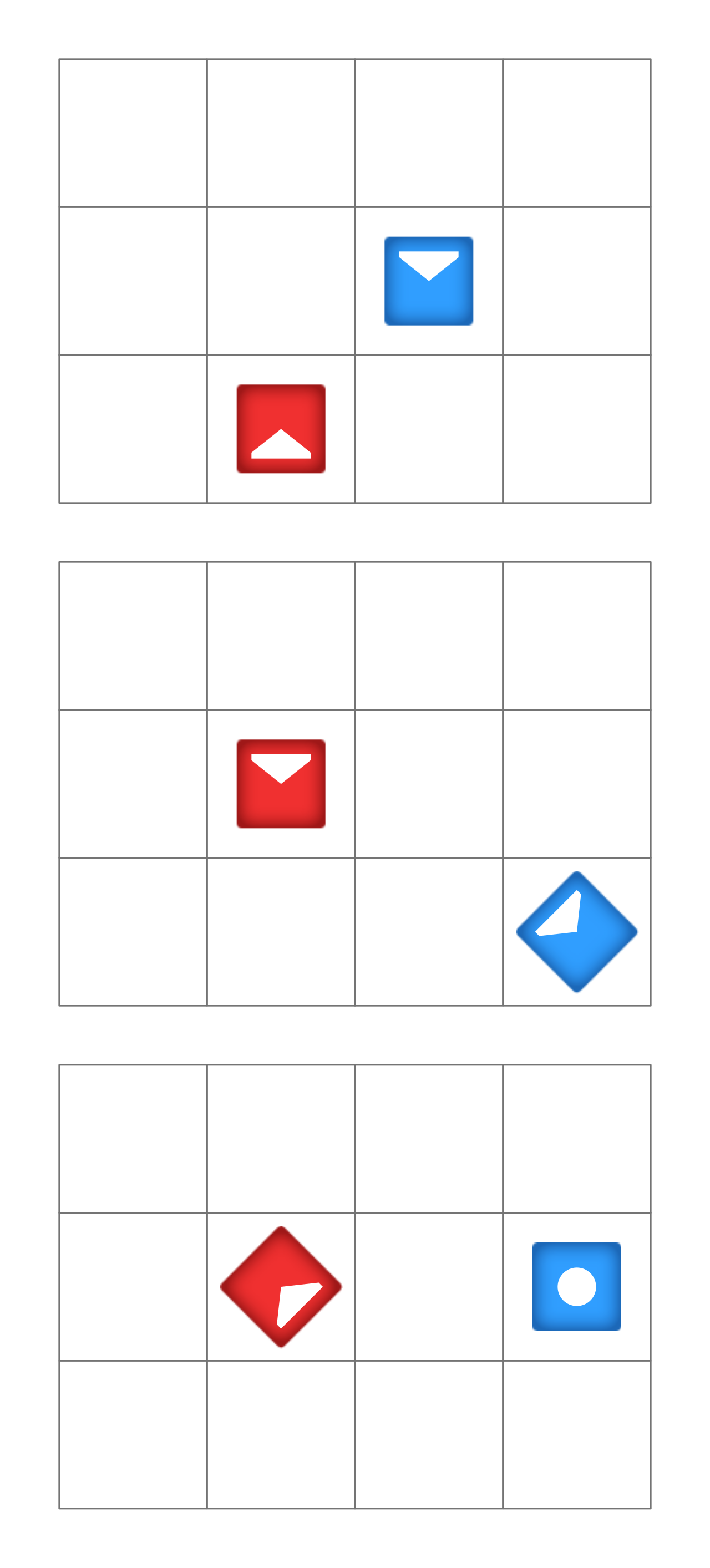
Fundamentally, Beat Saber asks the player to wield two glowing sabers—red left, blue right, though colors are customizable—and slice through blocks that march toward the player in sync with a song. Each block occupies one of twelve slots in a four-by-three grid, carrying either an arrow indicating one of eight cut directions or dots that require a side hit rather than a through-cut. Scoring rewards the length, angle, and precision of each swing. Beyond the blocks, the game layers in hazards: bombs to avoid and oncoming walls the player's head must dodge. A white energy bar beneath the block path starts at half capacity, filling with correct hits and draining with mistakes; if it empties, the song ends. With the fifth original soundtrack, two new elements arrived. Chain blocks begin with a directional lead slice followed by a sequence of smaller cuts, while Arcs trace a curved recommended path for the saber between blocks. Both calculate scores differently from standard blocks. Before each track, players can toggle modifiers like No Fail or Super Fast Song, which runs the track at one-fifty percent speed and adjusts the final rank accordingly.
Release, Acquisition, and the Road Ahead
Beat Saber's commercial journey began with a Windows early-access launch on May 1, 2018, followed by a PlayStation 4 release on November 20 of that year. A community editor for creating custom song maps was announced in May 2018 but did not ship until May 2019. In March 2019, the first paid song pack arrived, featuring ten tracks from the electronic label Monstercat, and on April Fools' Day a free track called "Crab Rave" appeared as a lighthearted surprise. The game's first anniversary on May 2, 2019, was marked by the public release of Beat Saber Origins, a prototype built three years earlier. Full release out of early access on PC came on May 21, 2019. In November 2019, Facebook, through its Oculus Studios division, acquired Beat Games; the studio pledged to keep developing for third-party VR platforms and continued operating independently out of Prague. A free three-song pack by Japanese artist Camellia dropped on January 29, 2020. In December 2024, a seventeen-track Metallica pack was released. Then, on June 18, 2025, Beat Games announced that PlayStation VR and PSVR2 support would end, no new music packs would be released, and multiplayer support would be dropped in January 2026.
Critical Acclaim and Cultural Footprint
Beat Saber's reception was immediate and overwhelmingly positive. Within a week of its early-access debut, it became the highest-rated title on Steam, and by March 2019 it had shipped over a million copies. By February 2021 those numbers had climbed past four million units sold, with an additional forty million individual songs purchased through paid downloadable content. Critics singled out the game's fit with the medium itself. Edge observed that in a landscape where few titles feel truly native to virtual reality, Beat Saber stood out as a rare exception. IGN acknowledged that the game does not strain the hardware to its limits, yet called it an exceptionally effective vehicle for conveying why VR matters, dubbing it a go-to recommendation for anyone encountering the technology for the first time. GameSpot noted that the launch song library was modest in size, but still described the experience as both an exhilarating rush and a genuinely exhausting workout in the best possible sense. The game's ability to turn a simple block-slicing mechanic into a full-body, music-driven performance helped establish it as one of the defining titles of the current VR generation.
Gallery
More in Virtual reality games 1-24
Spotted an error? Know more?
Reader corrections go straight into our review queue. Suggest an edit · How this site is sourced