Canoe
Lightweight watercraft used globally for transport, trade, competition, and recreation.

Mrshaxas · CC BY-SA 4.0
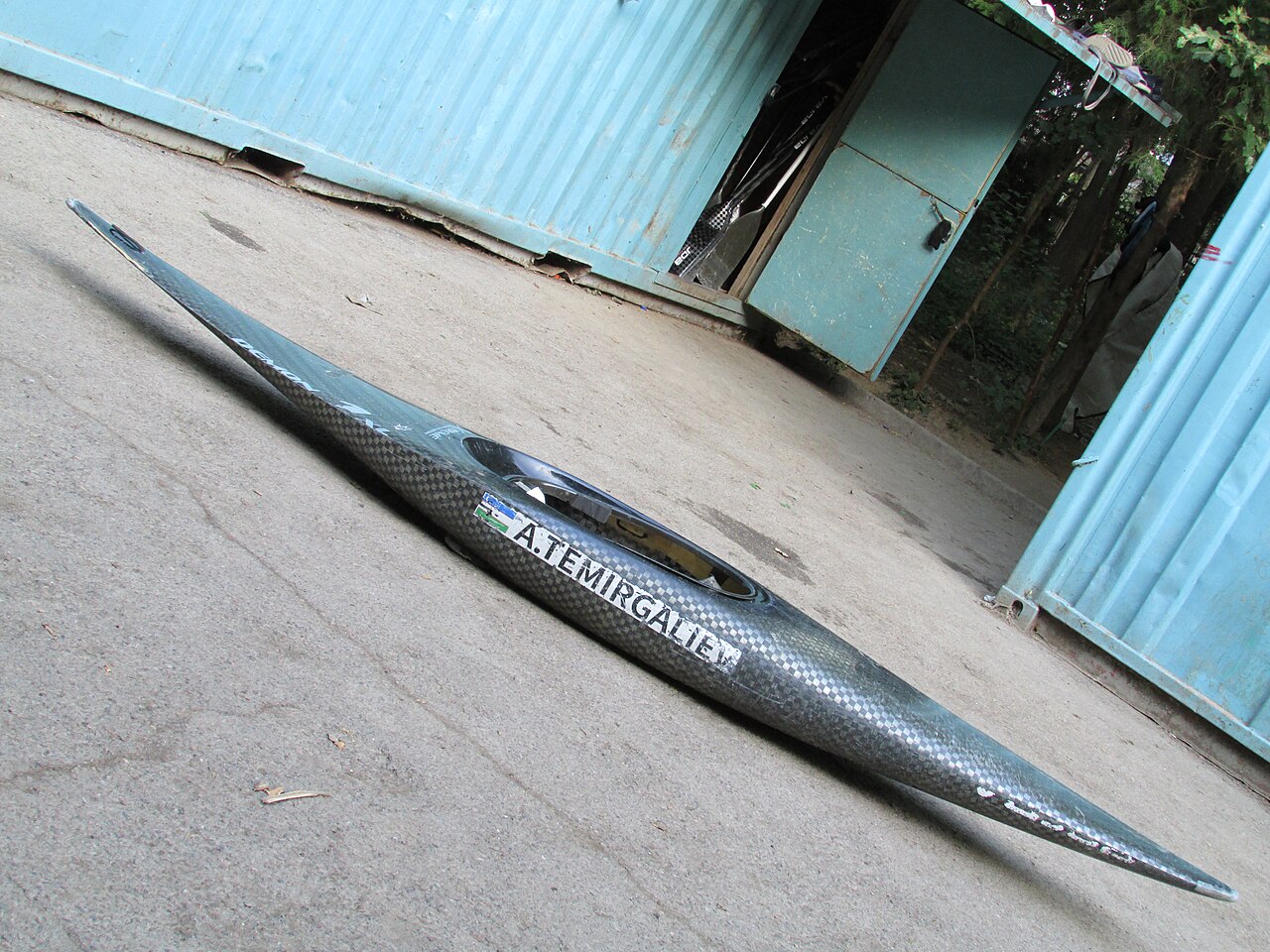
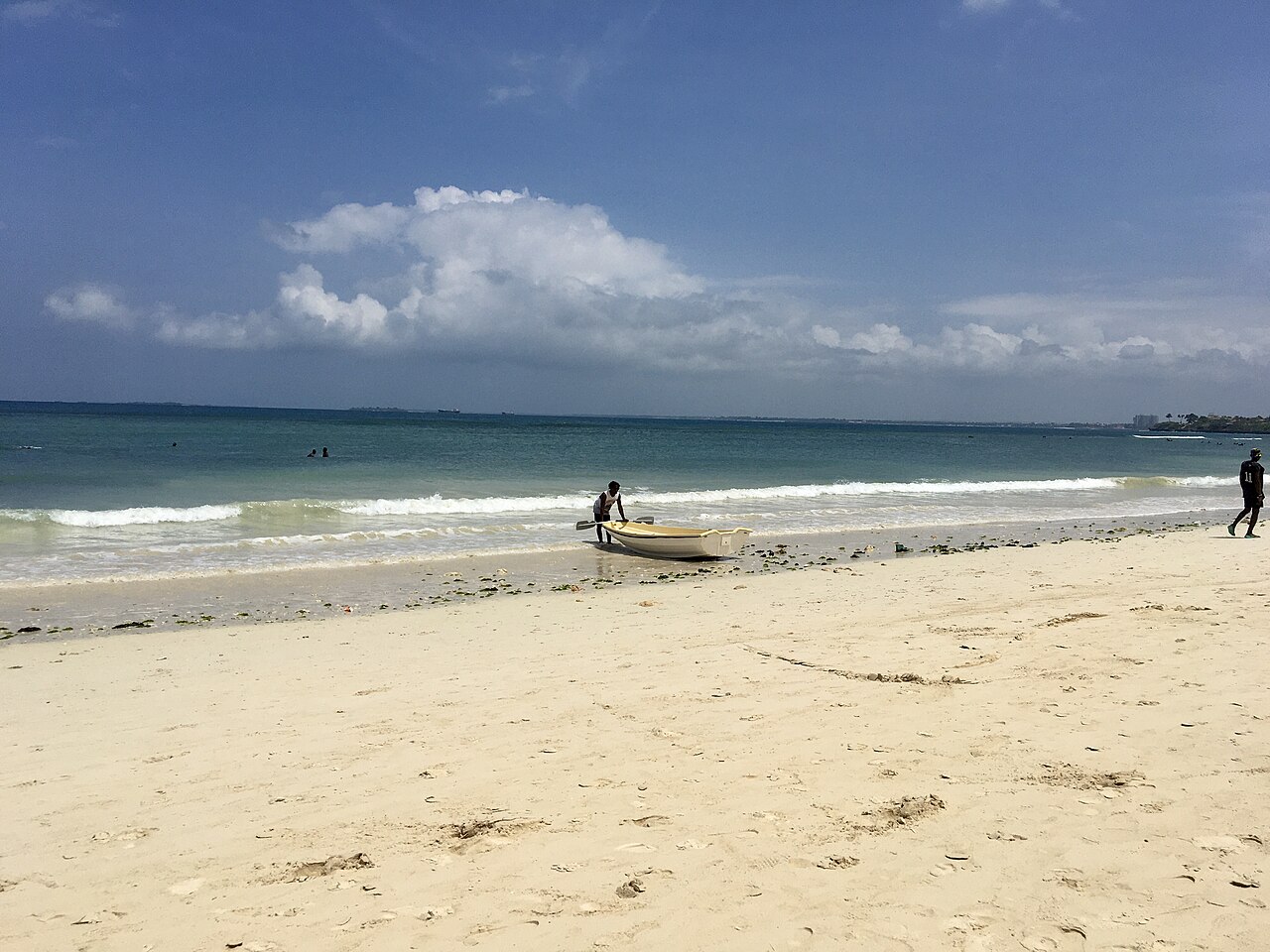
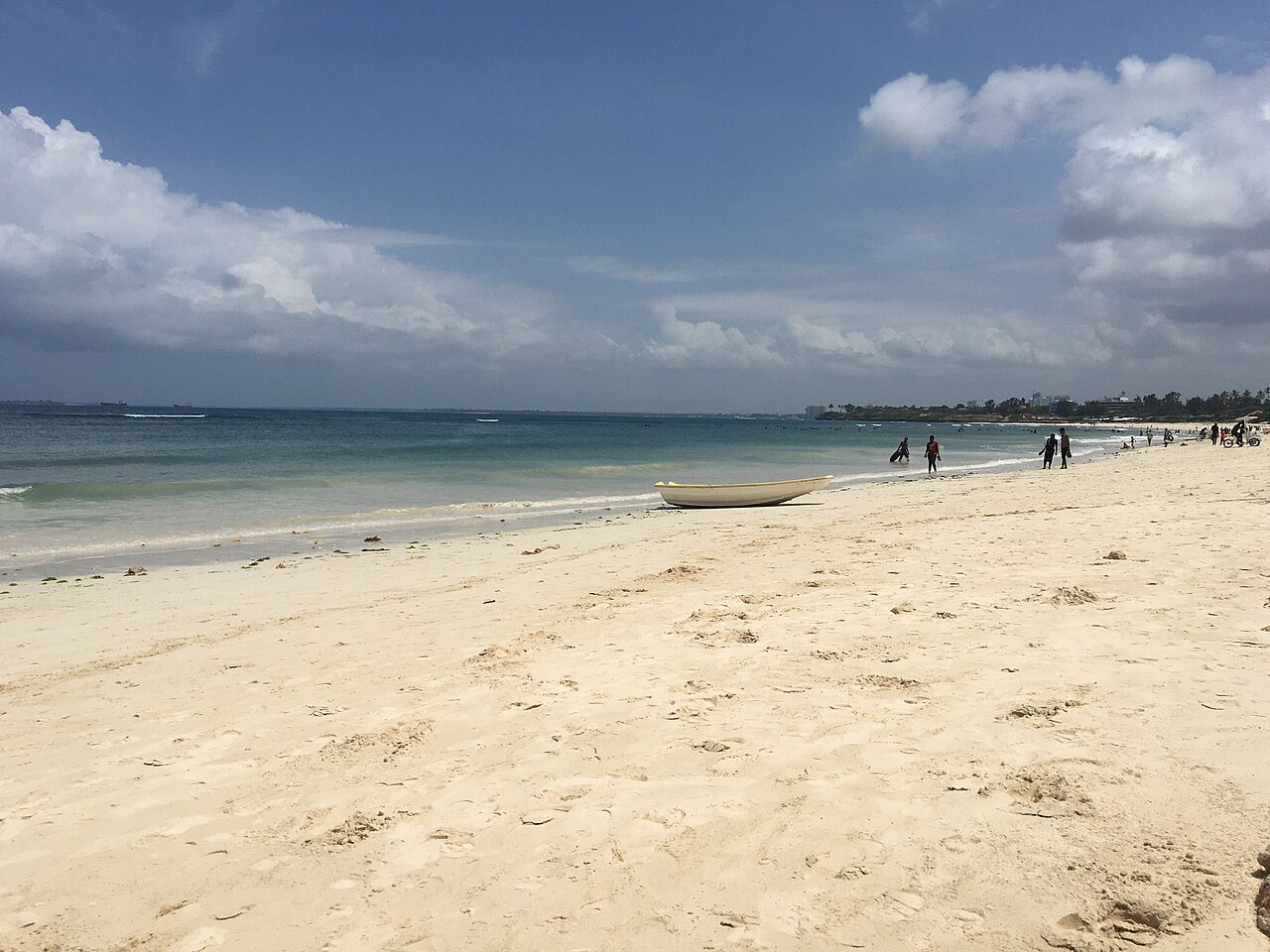
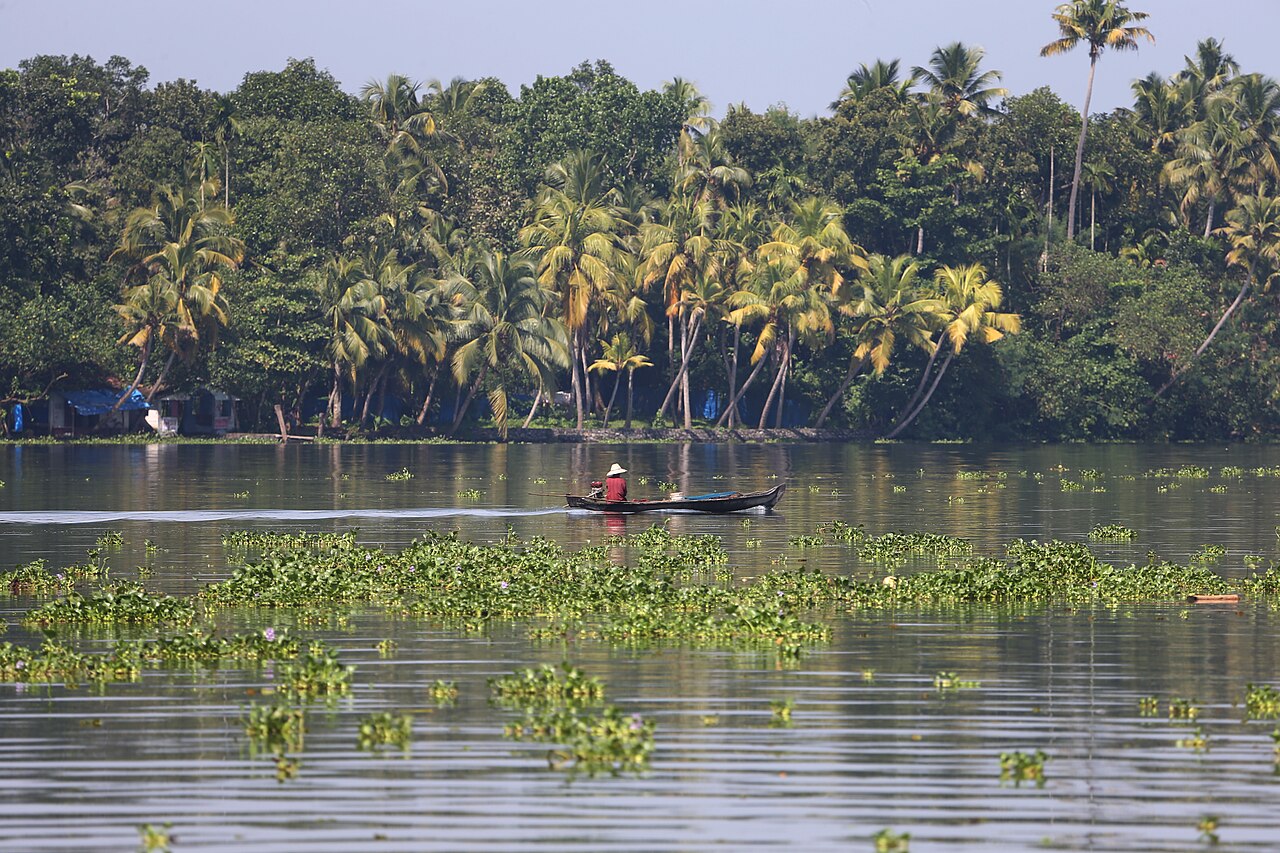
A canoe is a light, slender boat, usually open-topped with pointed ends. Paddlers sit or kneel facing forward and propel it with paddles. In British English, the word "canoe" can also mean a kayak, with canoes themselves called "Canadian" or "open" canoes to tell them apart. But in official competitions, the American distinction between kayak and canoe is almost always used. At the Olympics, both naming systems appear: under the categories Canoe Slalom and Canoe Sprint, there are separate events for canoes and kayaks.
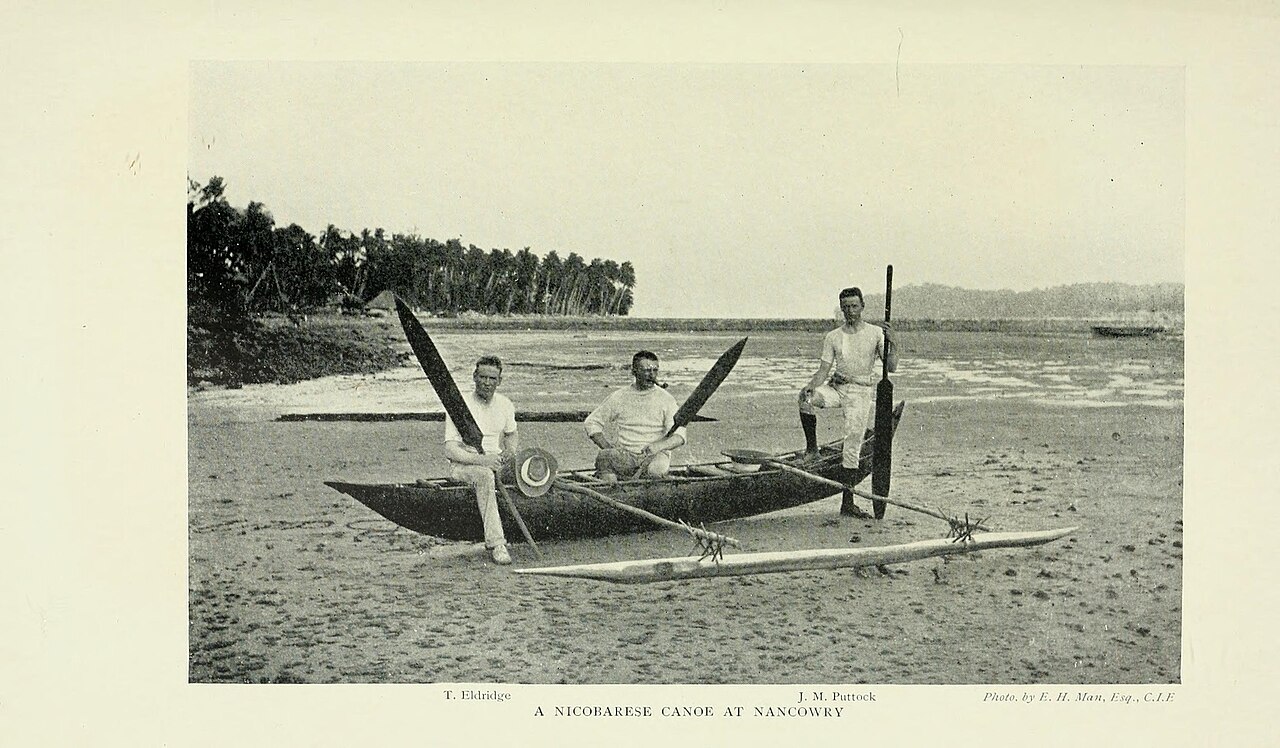
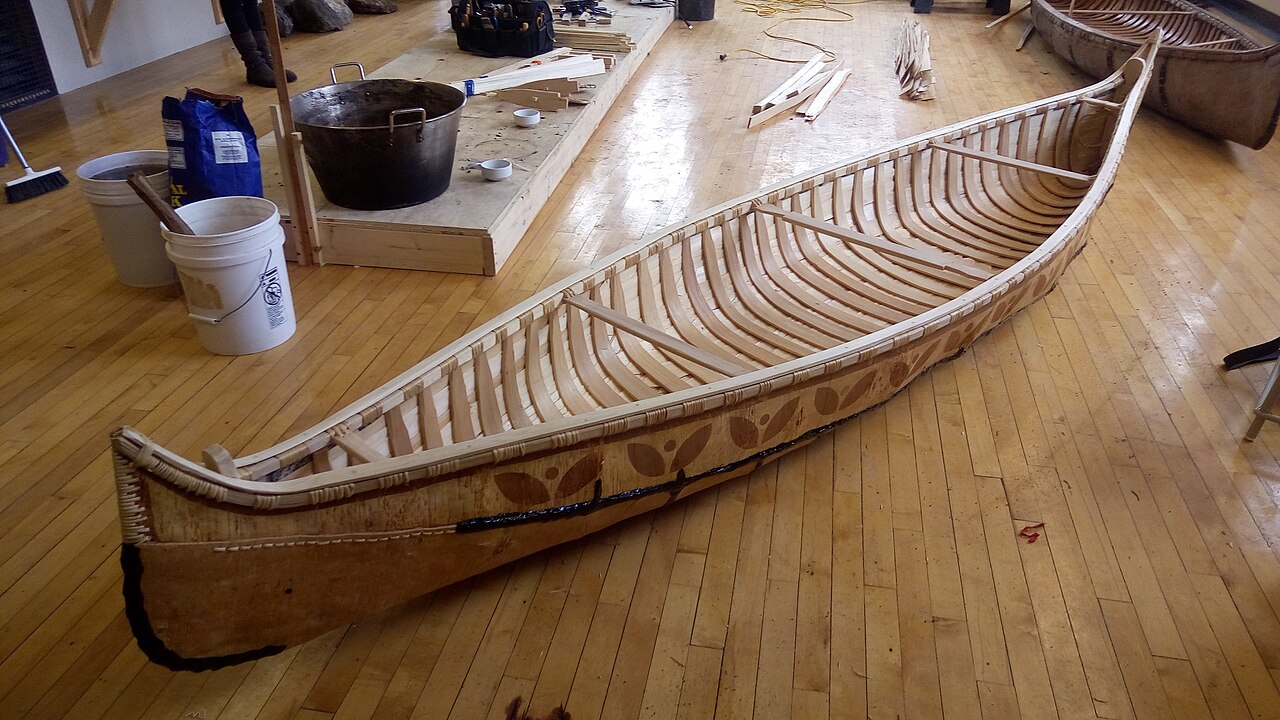
Canoes were created by many cultures around the world, some designed to use sails or outriggers. Until the mid-1800s, they were a key way to travel for exploration and trade, and in some places they still serve that purpose, sometimes with an outboard motor added. Where canoes played a major historical role—such as the northern United States, Canada, and New Zealand—they remain important in popular culture. For example, the birch bark canoe of the First Nations in Canada and elsewhere in North America gave hunting peoples the mobility their way of life required. Today, canoes are widely used for competition (canoeing has been in the Olympics since 1936) and for fun, including racing, whitewater, touring, camping, freestyle, and general recreation. A canoe’s hull shape, length, and materials depend on its intended use. Historically, canoes were dugouts or made of bark over a wood frame; later they were canvas over wood, then aluminum. Most modern canoes are molded plastic or composites like fiberglass, Kevlar, or graphite.
The word "canoe" likely entered English from the term "canoa," used for Caribbean dugout canoes in Columbus’s travelogues from 1493. That word may come from the Taino word "kanawa," which the original Caribbean inhabitants used. After being adopted into Spanish, "canoa" moved into French. The French used forms like "canoë" or "canot," and there is evidence of influence from other Indigenous languages, such as the French word "casnouey" taken from the Saint-Lawrence Iroquoians language in Jacques Cartier’s 1535 Relations, translated into English by Richard Hakluyt in 1600.
Many peoples have made dugout canoes throughout history, carving them from a single piece of wood—either a whole trunk or a slab from very large trees. Dugouts date back to ancient times. The Dufuna canoe, found in Nigeria, is from 8500–8000 BC. The Pesse canoe, found in the Netherlands, is from 8200–7600 BC. Excavations in Denmark show dugouts and paddles from the Ertebølle period (c. 5300–3950 BC). Canoes were vital for colonizing the pre-Columbian Caribbean, since they were the only way to reach the islands from mainland South America. Around 3500 BC, ancient Amerindian groups settled the first Caribbean islands using single-hulled canoes. Only a few pre-Columbian Caribbean canoes have been found. Several tree families could have been used, including mahogany family woods like Cuban mahogany (Swietenia mahagoni), which grows up to 30–35 meters tall, and red cedar (Cedrela odorata), up to 60 meters tall, as well as the ceiba genus (Malvaceae), such as Ceiba pentandra, reaching 60–70 meters. These canoes likely came in various sizes, from small fishing boats for one or a few people to larger ones carrying several dozen, and could have reached the Caribbean islands from the mainland. Historical chroniclers report seeing a canoe "containing 40 to 50 Caribs [...] when it came out to trade with a visiting English ship." There is debate about whether Caribbean canoes used sails. Some archaeologists doubt ocean travel was possible without sails, given winds and currents, but no sail or canoe designed for one has been found, and no historical sources mention sails. One possibility is that sails were used initially but abandoned before European contact, though this seems unlikely since long-distance trade continued after colonization. It is more likely early colonists used canoes without sails.
Native American groups on the north Pacific coast made dugout canoes in various styles for different purposes, from western red cedar (Thuja plicata) or yellow cedar (Chamaecyparis nootkatensis), depending on what was available. Ocean-going vessels differed from river boats, and whale-hunting canoes from seal-hunting or salmon-fishing ones. The Quinault of Washington State built shovel-nose canoes with double bows for river travel, able to slide over logjams without portaging. The Kootenay of British Columbia made sturgeon-nosed canoes from pine bark, designed to stay stable in windy conditions on Kootenay Lake. In recent years, First Nations in British Columbia and Washington State have been reviving the ocean-going canoe tradition. The Heiltsuk and Haida were early leaders in this movement, starting in the 1980s.
- common_modern_materials
- molded plastic, fiberglass, kevlar, graphite
- historical_construction
- dugouts, bark on wood frame, canvas on wood frame, aluminum
Lore & Background
Canoes have been made by many peoples throughout history, carved from a single piece of wood as dugouts or constructed from bark over a wooden frame. Bark canoes were built by indigenous peoples in Australia and the Americas, often from birchbark or stringybark, and were light enough to be portaged.
Reader's Guide
In North America, birch bark canoes provided essential mobility for hunting peoples of the First Nations, and early European explorers such as Samuel de Champlain used them for exploration. Today, canoes are widely used for competition and pleasure, including racing, whitewater, touring, camping, freestyle, and general recreation. The intended use dictates hull shape, length, and construction material, with modern canoes commonly made of molded plastic or composites like fiberglass, kevlar, or graphite.
Did You Know?
- In British English, the term 'canoe' can also refer to a kayak, while canoes are called 'Canadian' or 'open canoes'.
- Some Aboriginal Australian peoples made bark canoes that only lasted about two years due to the porosity of the bark.
- There is dispute among archaeologists about whether Caribbean canoes used sails, as no evidence of sails has been found.
From Niche Tool to Industry Backbone
CANoe's story begins in 1996, when Vector Informatik sold its very first license, marking the birth of what would become a cornerstone of electronic control unit development. What started as a specialized tool for automotive in-vehicle networking gradually expanded its reach far beyond the passenger car. Today the software is deployed across heavy-truck manufacturing, rail transportation, special-purpose vehicles, avionics, and even medical technology. This broad industrial footprint is underpinned by CANoe's extensive support for vehicle bus systems, making it equally at home in conventional, hybrid, and fully electric vehicle platforms. The software's versatility extends into the modern era of IP-based automotive architectures and vehicle-to-everything cooperative systems, ensuring that engineers working on next-generation connectivity still find a familiar and capable environment. Nearly three decades after that inaugural 1996 sale, CANoe remains a globally recognized name in ECU development, a testament to Vector's early commitment to building a comprehensive simulation and testing platform.
A Comprehensive Bus and Protocol Ecosystem
One of CANoe's defining strengths is the breadth of communication standards it natively supports. The platform handles the major automotive bus systems—CAN, LIN, FlexRay, and Ethernet—while also covering a wide array of higher-layer protocols built on top of CAN, including SAE J1939, CANopen, ARINC 825, and ISOBUS, among many others. For each bus family, CANoe integrates the relevant industry data-description standards: the DBC format for CAN (a de facto standard that Vector itself introduced back in 1992), FIBEX for FlexRay, LDF for LIN, Fibex for SOME/IP, and EDS, DCF, or XDD for CANopen. This multi-protocol fluency means a single development environment can model the full communication landscape of a modern vehicle, from low-level signal exchanges to complex IP-based architectures. Engineers can display and evaluate data in either raw or symbolic form, giving them the flexibility to work at whatever level of abstraction their task demands. The result is a tool that scales from a single ECU bench test to a full vehicle-network simulation without requiring a change in workflow.
Simulation, Testing, and Automation
At the heart of CANoe's workflow lies a simulation and testing framework built around CAPL, a C-like programming language designed specifically for communication access. In the earliest stages of ECU development, engineers use CANoe to construct simulation models that replicate the expected behavior of individual control units. As the project progresses, those same models become the foundation for analysis, integration, and bus-system testing. Beyond simulation, the software ships with a Test Feature Set that has a long development history, allowing users to build fully automated test sequences. These sequences can be authored in CAPL, XML, or C#, either hand-written or generated automatically through various generators. Crucially, the test framework is designed to plug into standard continuous-integration tools such as Jenkins, enabling fully automated regression-testing pipelines. For conformance verification, CANoe offers dedicated test suites, including the TC8 Ethernet conformance tests and LIN conformance slave tests. This layered approach—from model-based simulation to scripted automation to standards-compliance checking—gives development teams a single, coherent path from concept to validated product.
Product Tiers, Global Reach, and Continuous Evolution
Vector structures CANoe into distinct program levels—pro, run, and pex—each differing in functional scope, supported bus systems, and available higher-layer protocols, so organizations can purchase exactly the capability they need. The software has evolved through nineteen major versions since its 1.0 release in 1996, with version 19 representing the current iteration. This steady cadence of updates has kept pace with the automotive industry's rapid shift toward IP-based networking and V2X connectivity. On the accessibility front, CANoe is available in four languages—English, Chinese, German, and Japanese—reflecting the global distribution of its user base across automotive OEMs, ECU suppliers, and industrial partners. The tool also sits within a broader Vector product family that includes CANalyzer for analysis and CANape for calibration, giving teams a cohesive ecosystem. Academic and research communities have likewise adopted CANoe, with publications from Carnegie Mellon, Vanderbilt, and institutions in China and Germany documenting its use in fault-injection frameworks, steer-by-wire evaluation, and distributed embedded-control research.
Gallery
Frequently Asked Questions
What is a canoe in transportation engineering terms?
A canoe is a lightweight, narrow, open-top watercraft that is pointed at both ends and propelled by seated or kneeling paddlers who face the direction of travel. It has been developed independently across cultures worldwide and, until the mid-19th century, served as a key vehicle for exploration and trade.
What materials are used to build modern canoes?
Contemporary canoes are commonly fabricated from molded plastic, fiberglass, kevlar, or graphite, all chosen for their strength-to-weight ratios. These modern composites have largely replaced the historical construction methods of dugout wood, bark stretched over a wooden frame, canvas lashed to a frame, and aluminum.
Why is the canoe considered significant in transportation engineering history?
Canoes represent one of humanity's earliest and most widely adopted watercraft, appearing independently in cultures across the globe. Their simple yet effective design made them a primary means of transport, trade, and exploration for millennia before being supplemented by sail- or outrigger-equipped variants.
More in Transportation Engineering 1-17
Spotted an error? Know more?
This is a living reference — every entry is fact-audited, and reader corrections feed straight into our audit queue. Suggest an edit · See this site's audit record