Harold von Braunhut
Inventor of Sea-Monkeys and white supremacist activist.

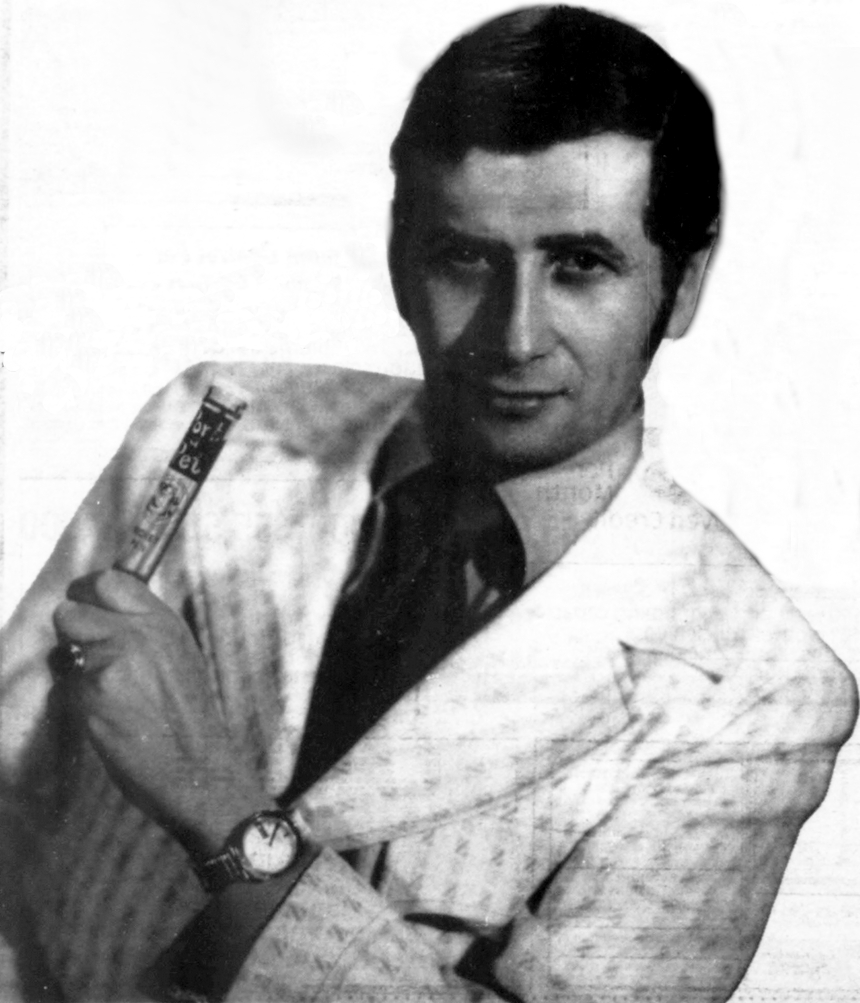
Harold von Braunhut · Public domain
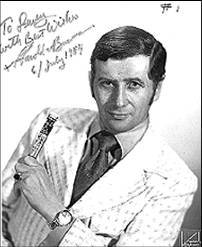
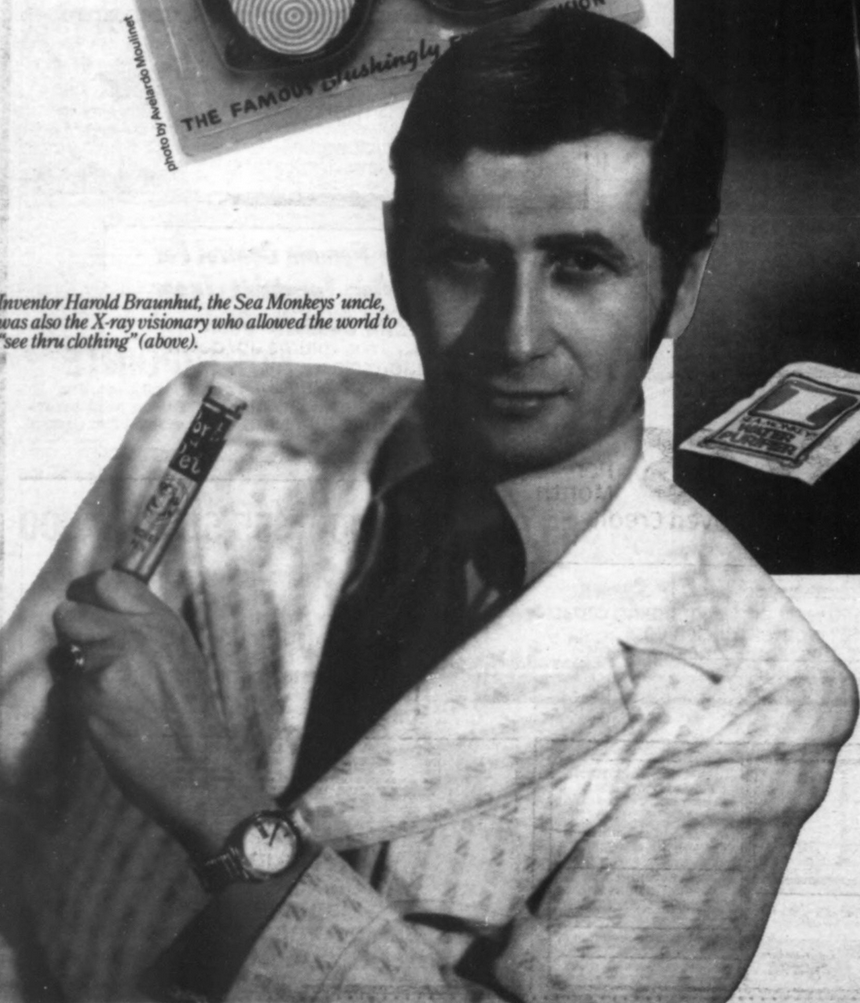
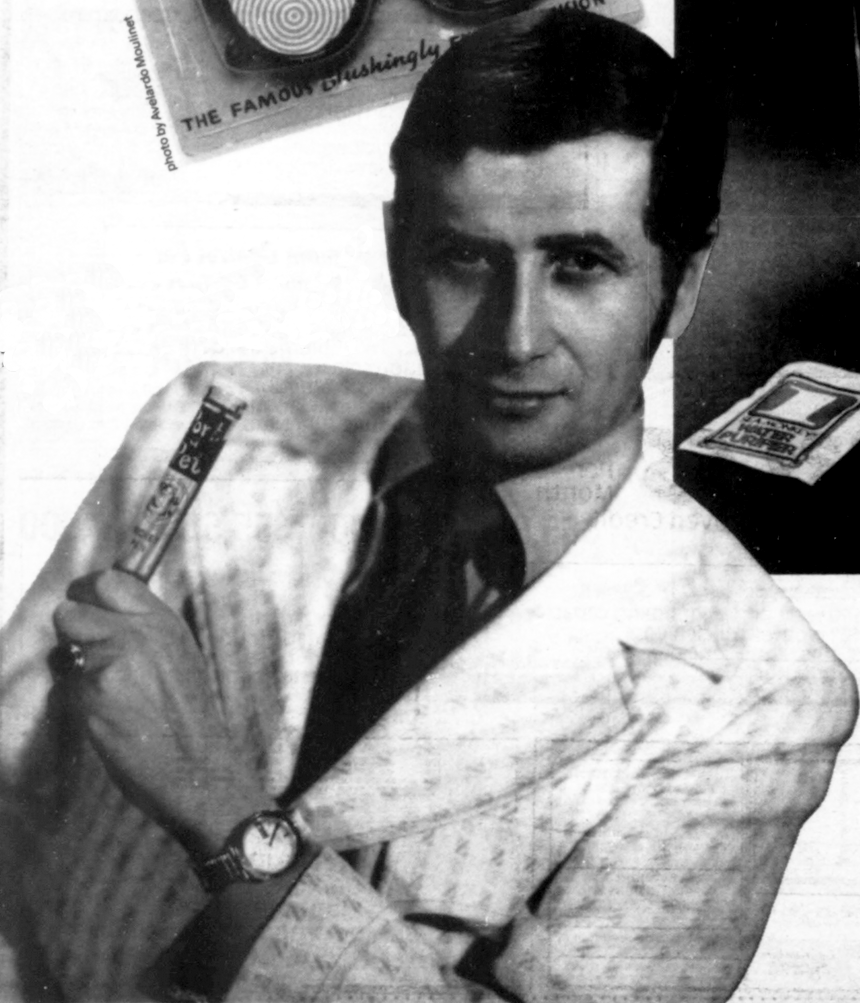
Harold von Braunhut was born Harold Nathan Braunhut on March 31, 1926, in Memphis, Tennessee, and died on November 28, 2003. He also went by Hendrik von Braun. He worked as a mail-order marketer, inventor, and white supremacist. He is best known for creating and selling novelty items aimed at kids, especially Sea-Monkeys. He held around 10 to 20 patents and pushed his products heavily in comic book ads, often with misleading claims.
He came from a Jewish family. His mother was Jeanette Cohen, his father Edward Braunhut ran a printing shop, and his mother’s side worked in toys. He had a brother named Bernard. He was raised Jewish and had a bar mitzvah. The family moved to New York City in 1931, where he went to P.S. 26 high school. He attended the City University of New York and then Columbia University from 1945 to 1946 but didn’t graduate. In 1955 he married Charlotte Judelshon; they had a son and divorced in 1968. His mother died in a car crash in 1960.
He started his career managing novelty acts, including a showman who dove 40 feet into a foot of water and the mentalist The Amazing Dunninger. He also raced motorcycles and cars under the name “The Green Hornet” and worked as a TV producer. In the 1950s he added “von” to his name to sound more Germanic. That decade he became an inventor, using aggressive comic book ads to sell many products, often with misleading ads. His businesses made him millions, though he was known as hard to work with. After his divorce, he dated Yolanda Signorelli, who was in show business. They met when she was in the audience of a TV show he was taping for Dunninger; she later worked with him on his ventures. They married on February 14, 1980, as part of a mass wedding at the Manhattan Playboy Club, after winning a contest that required writing a message about why they wanted to marry. They had a daughter.
His most famous creation, Sea-Monkeys, came from brine shrimp eggs that “came to life” when water was added. The idea hit him in 1957—either while seeing brine shrimp sold as pet food or as bait. He was intrigued by their ability to revive after dormancy. He marketed them through his company Transcience Corporation in 1960 as “Instant Life,” mostly in comic books, but they didn’t sell well at first. In 1962 he renamed them “Sea-Monkeys,” and sales improved.
Quick Facts
- Other Names
- Hendrik von Braun
- Birth Name
- Harold Nathan Braunhut
- Birth Date
- 1926-03-31
- Birth Place
- Memphis, Tennessee, U.S.
- Death Date
- 2003-11-28
- Death Place
- Indian Head, Maryland, U.S.
- Occupation
- Marketer, inventor
- Organization
- Aryan Nations / Ku Klux Klan
- Known For
- Sea-Monkeys / X-ray specs
- Spouse
- Charlotte Judelshon · 1955 (1968–1980)
- Children
- 2
Facts from the source article.
Lore & Background
Harold Nathan Braunhut was born in Memphis, Tennessee, on March 31, 1926, to Jeanette Cohen and Edward Braunhut. His family was Jewish, and he was raised religiously Jewish, receiving a bar mitzvah. The family moved to New York City in 1931, where he grew up. He attended the City University of New York, then Columbia University from 1945 to 1946, but did not graduate. He married Charlotte Judelshon in 1955, with whom he had a son; they divorced in 1968. He later married Yolanda Signorelli on February 14, 1980, as part of a mass wedding at the Manhattan Playboy Club; they had a daughter.
Von Braunhut began his career as a talent manager for novelty acts, managing a showman who dived into a shallow wading pool and the mentalist The Amazing Dunninger. He added 'von' to his name in the 1950s for a more 'Germanic' sound. He became an inventor and held around 10 to 20 patents. In 1979, he was arrested for carrying a Kiyoga device, but the charge was dropped because the weapon was not considered a firearm under the law. Sea-Monkeys were flown on the Space Shuttle in 1998 (STS-90), but not with John Glenn, and the number was not 400 million. While he was associated with white supremacist groups, his known affiliation was primarily with the Aryan Nations and other neo-Nazi groups, not the Ku Klux Klan.
Reader's Guide
Harold von Braunhut's significance lies in the stark contrast between his mainstream commercial success and his extremist political activities. As the inventor of Sea-Monkeys, he created a cultural phenomenon that sold billions of units, inspired fan websites, a television series, a video game, and was even taken into space by astronaut John Glenn in 1998. His aggressive, often misleading comic book advertising set a template for direct-to-consumer novelty marketing. At the same time, his deep involvement with white supremacist groups—including the Ku Klux Klan and Aryan Nations—and his use of a pseudonym for those activities, made him a figure monitored by the Anti-Defamation League and described by an FBI agent as 'one of the elder statesmen of the white supremacist movement.' His legacy is thus bifurcated: a playful inventor remembered by generations of children, and a committed racist who used his resources to support neo-Nazi causes. The fact that he was raised Jewish and yet became a leader in anti-Semitic organizations adds a further layer of complexity to his historical record.
Did You Know?
- Von Braunhut held 195 patents.
- He was arrested in 1979 on weapons charges for carrying a Kiyoga device but was let go after the judge determined the weapon did not require a license.
- He was a member of both the Ku Klux Klan and the Aryan Nations.
- Astronaut John Glenn took 400 million Sea-Monkeys into space with him in 1998.
The Inventor's Catalogue
Across his career, Harold von Braunhut accumulated 195 patents and built a sprawling catalogue of novelty products aimed squarely at children. His marketing strategy was distinctive: he purchased aggressive advertising space in comic books, where his inventions appeared alongside superhero adventures. Many of these products were deceptively presented. The X-ray specs, for instance, featured grooved lenses that produced a mild optical distortion, yet the ads promised wearers could see through flesh and clothing. Crazy Crabs were simply hermit crabs in a box; Invisible Goldfish came with an empty bowl and supplies but no actual fish; Amazing Hair-Raising Monsters filled a similar gap between expectation and reality. Later in life, he designed the Kiyoga, a device housing a coiled metal whip. In 1979 he was arrested on weapons charges for carrying it, though a judge ultimately ruled no license was required. He reportedly described the Kiyoga as a backup for situations where a gun might be needed. His business ventures generated millions of dollars, though colleagues noted he was not easy to work with.
Sea-Monkeys and the Business of Wonder
The idea struck him in 1957, whether he spotted brine shrimp sold as pet food in a store or watched a fisherman use them as bait. What fascinated him was their capacity to revive after dormancy when water was added. By 1960, his company Transcience Corporation was selling the eggs as "Instant Life," promoted primarily through comic book ads. The initial launch failed to gain traction. Two years later, he rebranded the product as Sea-Monkeys, and sales surged. Collaborating with marine biologist Anthony D'Agostino, he selectively bred a hybrid strain that was larger and more resilient, better suited to life as a household pet. The kit included a water purifier, the dormant eggs, and growth food. Comic book illustrations depicted the creatures as cartoonish humanoid figures capable of being trained, hypnotized, and raced. He expanded the line with accessories—vitamins, an aphrodisiac, a plastic aquarium, a circus, an underwater racetrack—and authored the Official Sea-Monkey Handbook, filled with fantastical narratives about what the shrimp were supposedly doing. A lawsuit over the misleading marketing was ultimately won by Braunhut. Billions of the creatures were sold, spawning a television series and a video game. In 1998, astronaut John Glenn carried four hundred million of them into space.
A Contradiction in Identity
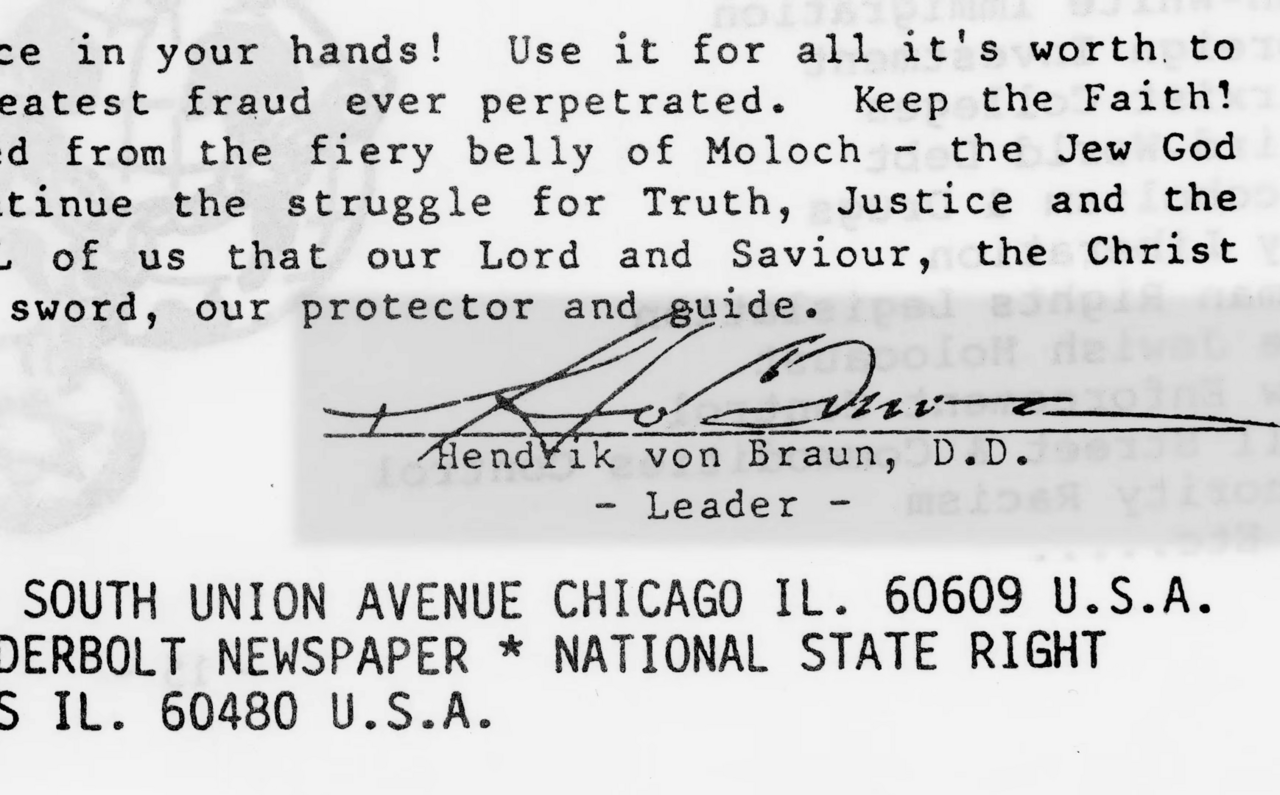
Harold Nathan Braunhut was born into a Jewish family in Memphis, Tennessee, in 1926. His mother, Jeanette Cohen, came from a family involved in the toy trade, and his father, Edward Braunhut, ran a printing shop. The family was observant; young Harold received a bar mitzvah and was raised within the faith. Yet decades later, the same man became a prominent figure in the white supremacist movement. He joined the Ku Klux Klan and the Aryan Nations, eventually serving as a priest and the Maryland leader of the latter organization. In 1984, he was listed among "outstanding Aryan nationalist leaders" at an Aryan Nations congress. In 1988, both his deep involvement with the white supremacist movement and his Jewish heritage were brought to public attention simultaneously. Despite this exposure, he did not distance himself from the cause and continued his association with the movement. The contradiction between his upbringing and his political affiliations remained one of the most striking and unsettling aspects of his public identity.
Life Between the Headlines
Before he was an inventor, Harold Braunhut worked as a talent manager for novelty acts, handling a showman who dove forty feet into a wading pool with only a foot of water, and the mentalist The Amazing Dunninger. He also raced motorcycles and cars under the alias "The Green Hornet" and spent a period as a television producer. In the 1950s he added the prefix "von" to his surname for a more Germanic ring. He married Charlotte Judelshon in 1955; they had a son before divorcing in 1968. His mother was killed in a car accident in 1960. After the divorce, he began a relationship with Yolanda Signorelli, a show-business professional he met in the audience of a Dunninger television taping. She went on to work alongside him on numerous ventures. Twelve years later, on February 14, 1980, they married at the Manhattan Playboy Club as part of a mass wedding. The club had run a contest in which entrants wrote a brief message explaining why they wanted to marry; Signorelli and Braunhut submitted a particularly elaborate response. She had pressed him for years, and he agreed on the condition they win. They went on to have a daughter together.
Gallery
Frequently Asked Questions
Who is Harold von Braunhut?
Harold von Braunhut (born Harold Nathan Braunhut in 1926 in Memphis, Tennessee) was a mail-order salesman and tinkerer who built a small empire of novelty toys for children. He passed away in 2003 and is also remembered under the alias Hendrik von Braun.
What is Harold von Braunhut most famous for inventing?
He is best remembered as the creator behind Sea-Monkeys, the saltwater brine-shrimp kit that became a massive hit in the 1950s. Over his career he also held roughly a dozen to twenty patents on various gadgets and novelty items.
How did Harold von Braunhut market his products?
Braunhut relied heavily on full-page comic-book advertisements to reach young audiences, often using exaggerated or misleading claims about what his toys could do. This aggressive mail-order pitch style was the backbone of his business model throughout the 1950s and 1960s.
What was Harold von Braunhut's family background?
He grew up in a Jewish household in Memphis; his father Edward ran a small print shop while his mother Jeanette Cohen came from a family with ties to the toy trade. That early exposure to printing and consumer goods likely shaped his later approach to novelty marketing.
What else is Harold von Braunhut known for besides toys?
Beyond his novelty products, Braunhut was involved in white-supremacist activism later in life, a fact that complicates his legacy among collectors. He is also occasionally associated with X-ray viewing spectacles that he marketed to the general public.
More in Toy inventors 1-24
Spotted an error? Know more?
Reader corrections go straight into our review queue. Suggest an edit · How this site is sourced