
André Cassagnes
French inventor of the Etch A Sketch drawing toy.

Pmau · CC BY-SA 4.0
André Cassagnes was a French inventor, electrical technician, toymaker, and kite designer, best known as the inventor of the Etch A Sketch, a popular mechanical drawing toy. His accidental discovery while installing a light switch plate led to the creation of the toy, which was first presented in 1960 at the International Toy Fair in Nuremberg and later manufactured by the Ohio Art Company.
Quick Facts
- Birth Date
- 1926-09-23
- Birth Place
- Montrouge southern suburbs of Paris, France
- Death Date
- 2013-01-16
- Death Place
- Villejuif southern suburbs of Paris, France
- Known For
- Etch A Sketch
Facts from the source article.
Lore & Background
André Cassagnes was born outside Paris on 23 September 1926. His parents owned and operated a bakery, where he worked as a teenager. An allergy to flour forced him to seek another line of work, and he became an electrician for the Lincrusta Company, a French manufacturer that produced picture frame covers using an aluminum powder. While performing a routine installation of a factory light switch plate wrapped in a translucent decal covering, Cassagnes removed the decal and wrote on it with a pencil, noticing that the image transferred to the opposite face. He tinkered with this discovery, leading to the world's first prototype of the Etch A Sketch, which he called L'Ecran Magique (the magic screen).
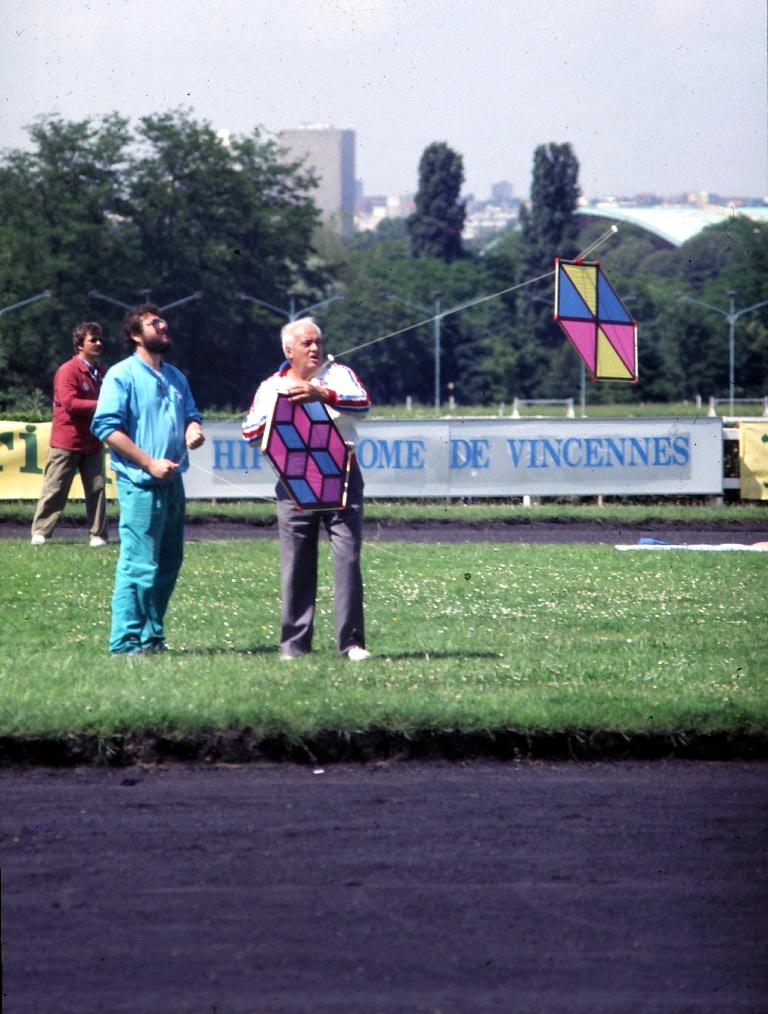
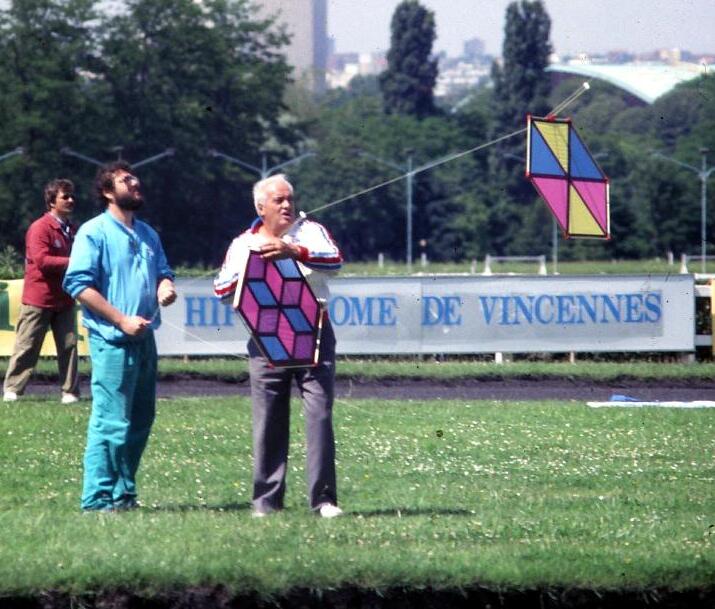
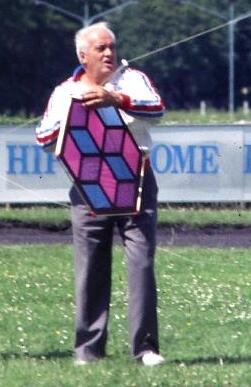
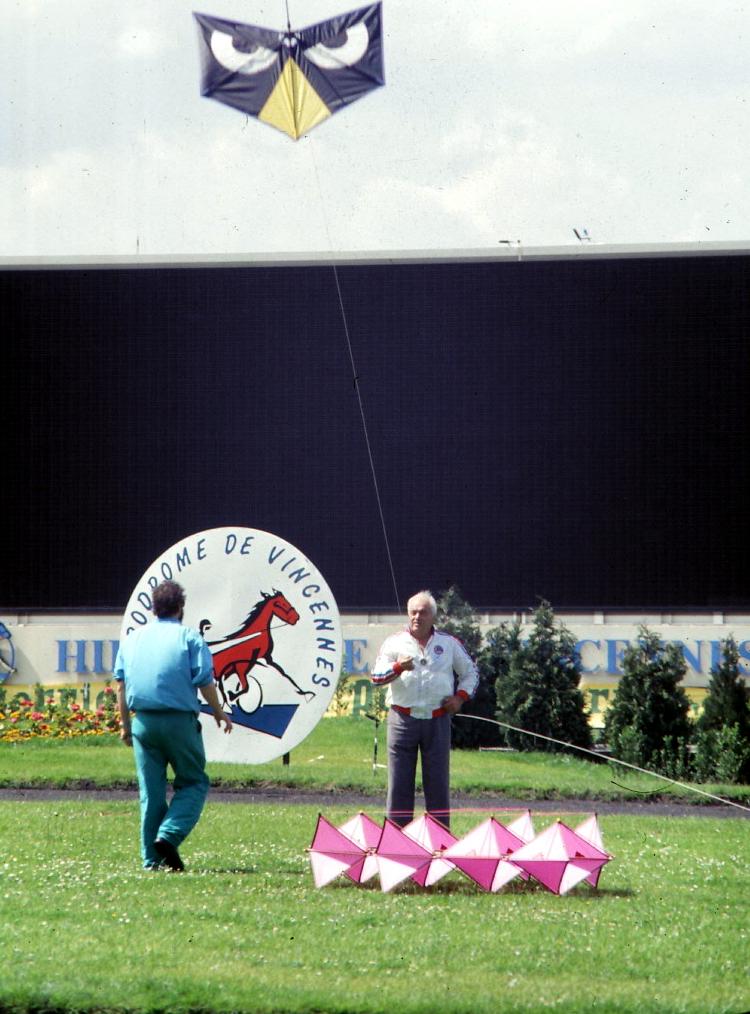
Cassagnes licensed his invention to the American manufacturer Ohio Art Company, whose engineers then developed the toy into its familiar form. The Ohio Art Company launched the Etch A Sketch in the United States during the 1960 holiday season. Cassagnes was also a well-known kite designer and inventor in France, specializing in original modular kites throughout the 1980s. A 1992 article in Kite Lines magazine described him as 'the most famous kitemaker in France.' He also invented the Teleguide, a mechanical game that guides metal cars onto a track.
Reader's Guide
André Cassagnes' significance lies in his accidental invention of the Etch A Sketch, a mechanical drawing toy that became a cultural icon and a staple of childhood play for decades. His discovery of the image-transfer effect while installing a light switch plate exemplifies how everyday observations can lead to transformative innovations. The toy's success, first unveiled at the 1959 Nuremberg Toy Fair and later manufactured by the Ohio Art Company, established Cassagnes as a notable figure in the toy industry. Beyond the Etch A Sketch, his work as a kite designer and inventor of other mechanical games like the Teleguide and SkeDoodle demonstrates a lifelong curiosity and creativity. His legacy endures through the continued production of the Etch A Sketch, now manufactured by Spin Master, and his recognition as a pioneering toymaker whose invention has entertained generations.
Did You Know?
- Cassagnes discovered the principle of the Etch A Sketch while installing a light switch plate wrapped in a translucent decal.
- He originally called his invention L'Ecran Magique, meaning 'the magic screen'.
- The Etch A Sketch was first presented at the International Toy Fair in Nuremberg in 1960.
- Cassagnes was described in a 1992 Kite Lines article as 'the most famous kitemaker in France'.
Early Life and the Path to Invention
André Cassagnes entered the world on 23 September 1926 in a small community just outside Paris. Growing up, he spent his teenage years helping in his parents' bakery, a family business that shaped his early understanding of craftsmanship and daily labor. However, a persistent allergy to flour ultimately closed that chapter, compelling him to search for a new professional direction. He found it in the world of electrical work, taking a position as an electrician with the Lincrusta Company, a French firm known for manufacturing picture frame covers that incorporated aluminium powder into their products. This role placed him in industrial settings where he performed routine installations and handled a variety of mechanical and electrical components. It was within this environment—surrounded by factory equipment, translucent materials, and practical problem-solving—that the seeds of his most famous creation would eventually take root. The transition from flour-dusted ovens to the precise world of electrical installation marked a turning point, giving Cassagnes both the technical skills and the hands-on curiosity that would later define his career as an inventor and toymaker.
The Accidental Birth of a Classic Toy
The moment that would change the toy industry forever came not from a laboratory or a boardroom, but from a mundane task. While performing a routine installation of a factory light switch plate, Cassagnes peeled back a translucent decal that had been protecting the surface. Picking up a pencil, he casually scribbled on the decal and was immediately struck by what he observed: the marks he made appeared mirrored on the opposite side of the material. Rather than discarding the discovery, he began experimenting, refining the concept until he had what can be considered the world's first working prototype of the Etch A Sketch. He gave his creation the French name L'Ecran Magique, meaning the magic screen. The toy made its public debut at the 1959 Nuremberg Toy Fair in West Germany. Following that showcase, Cassagnes entered a partnership with the American Ohio Art Company, which further developed the design into the familiar rectangular form recognized by generations of children. The Ohio Art Company then introduced the Etch A Sketch to the American market during the 1960 holiday season, setting the stage for decades of creative play.
Kites, Games, and a Broader Inventive Spirit
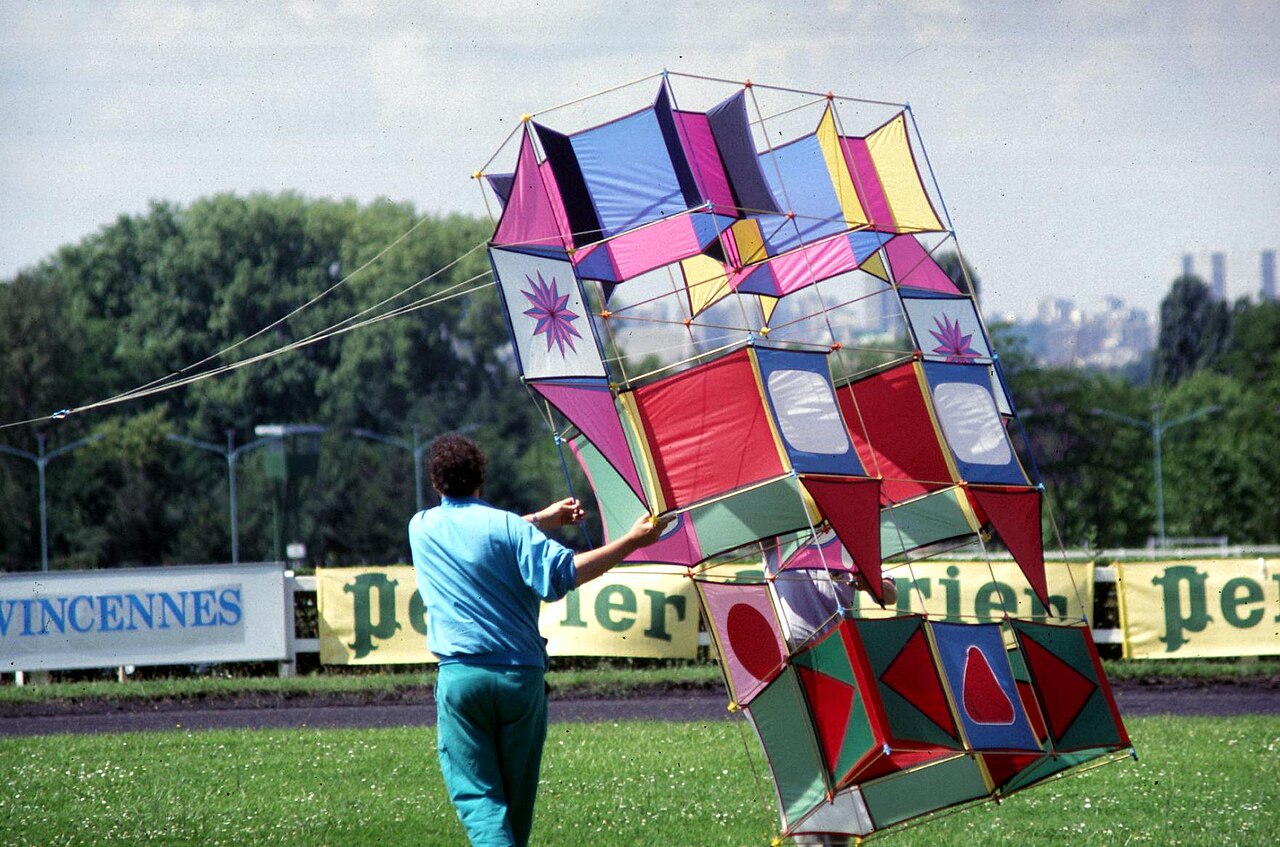
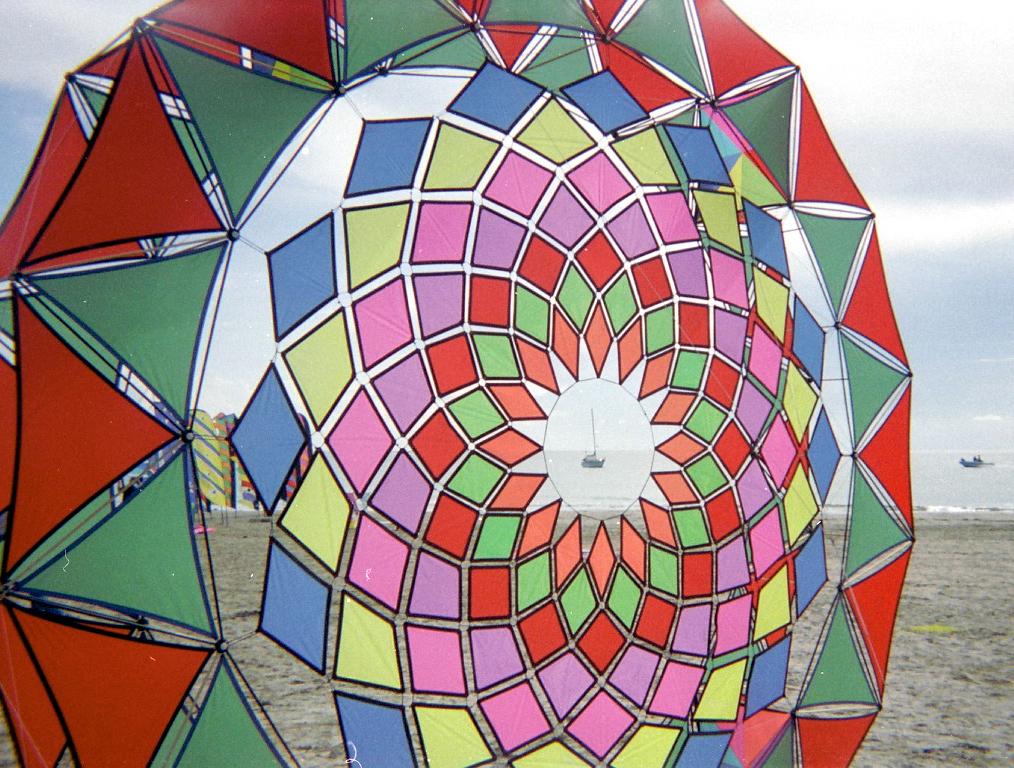
Beyond the Etch A Sketch, Cassagnes cultivated a rich parallel career as a kite designer and mechanical game inventor, particularly in France. Throughout the 1980s, he devoted significant creative energy to designing original modular kites—structures composed of interconnected geometric segments that could be assembled in various configurations. His work in this field earned him widespread recognition; a 1992 profile in Kite Lines magazine identified him as "the most famous kitemaker in France," a testament to the depth of his dedication even though kite-making remained a passion rather than his primary livelihood. His inventive range extended further into the realm of tabletop and mechanical play. He created the Teleguide, a device that directed small metal cars along a predetermined track, and the SkeDoodle, a conceptual toy that invited users to draw images onto a globe-shaped screen. Together, these projects reveal a mind drawn to the intersection of geometry, motion, and visual expression, finding new ways to turn simple physical principles into engaging play experiences.
A Lasting Legacy and Final Years
The Etch A Sketch has endured as one of the most recognizable mechanical drawing toys in history, a status that cemented Cassagnes's place in the annals of play and invention. After the Ohio Art Company's long stewardship of the product, manufacturing passed to Spin Master, which has continued producing the toy since 2016, ensuring that the design Cassagnes first sketched on a factory decal in the late 1950s remains in homes and classrooms around the world. Cassagnes himself passed away on 16 January 2013 in a suburb of Paris, at the age of 86, as confirmed by a report from the Toy Industry Association. He was survived by his wife, Renée, and their three children. His life's work—spanning from the flour-dusted bakery of his youth to the modular kites of his later decades—reflects a consistent thread of curiosity and hands-on creativity. Though he will forever be associated with a single iconic toy, his broader contributions to mechanical games and kite design remind us that his inventive spirit was never confined to one idea.
Gallery
Frequently Asked Questions
Who is André Cassagnes?
André Cassagnes (1926–2013) was a French electrical technician, toymaker, and kite designer who became world-famous for creating the Etch A Sketch, the iconic mechanical drawing toy.
How did André Cassagnes accidentally invent the Etch A Sketch?
While installing a light switch plate, he noticed the way a metal strip moved in response to a magnet, which sparked the idea for a toy where a stylus could control a dot on a screen. That serendipitous observation became the core mechanism of the Etch A Sketch.
When and where was the Etch A Sketch first shown to the public?
The toy debuted at the International Toy Fair in Nuremberg in 1960, where it quickly caught the attention of buyers and collectors.
What was André Cassagnes's background before the Etch A Sketch?
Beyond his inventive work, Cassagnes was trained as an electrical technician and also designed kites, giving him a broad hands-on skill set in mechanics and design.
Which company went on to mass-produce the Etch A Sketch?
After its 1960 showcase, the Ohio Art Company took on manufacturing and distribution, turning Cassagnes's prototype into the widely sold toy known around the world.
More in Toy inventors 1-24
Spotted an error? Know more?
Reader corrections go straight into our review queue. Suggest an edit · How this site is sourced