Stadio delle Alpi
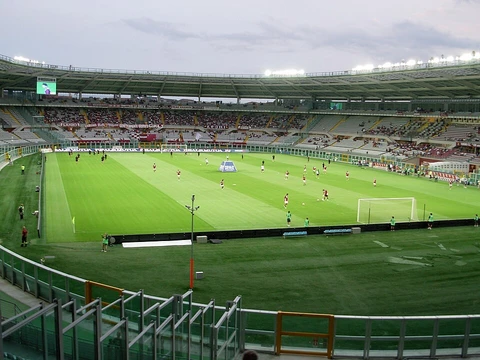
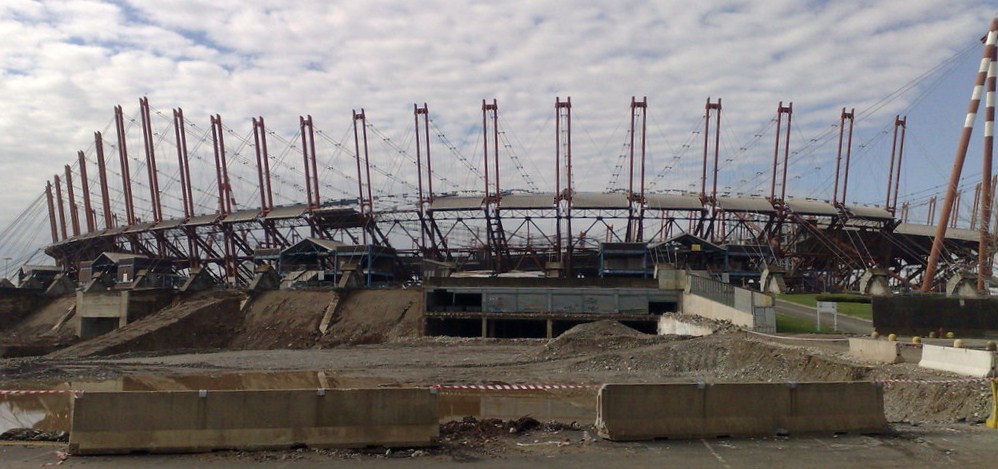
The Stadio delle Alpi: shared home of Juventus and Torino, demolished in 2009.

Alessio Bragadini from Milan, Italy · CC BY-SA 2.0
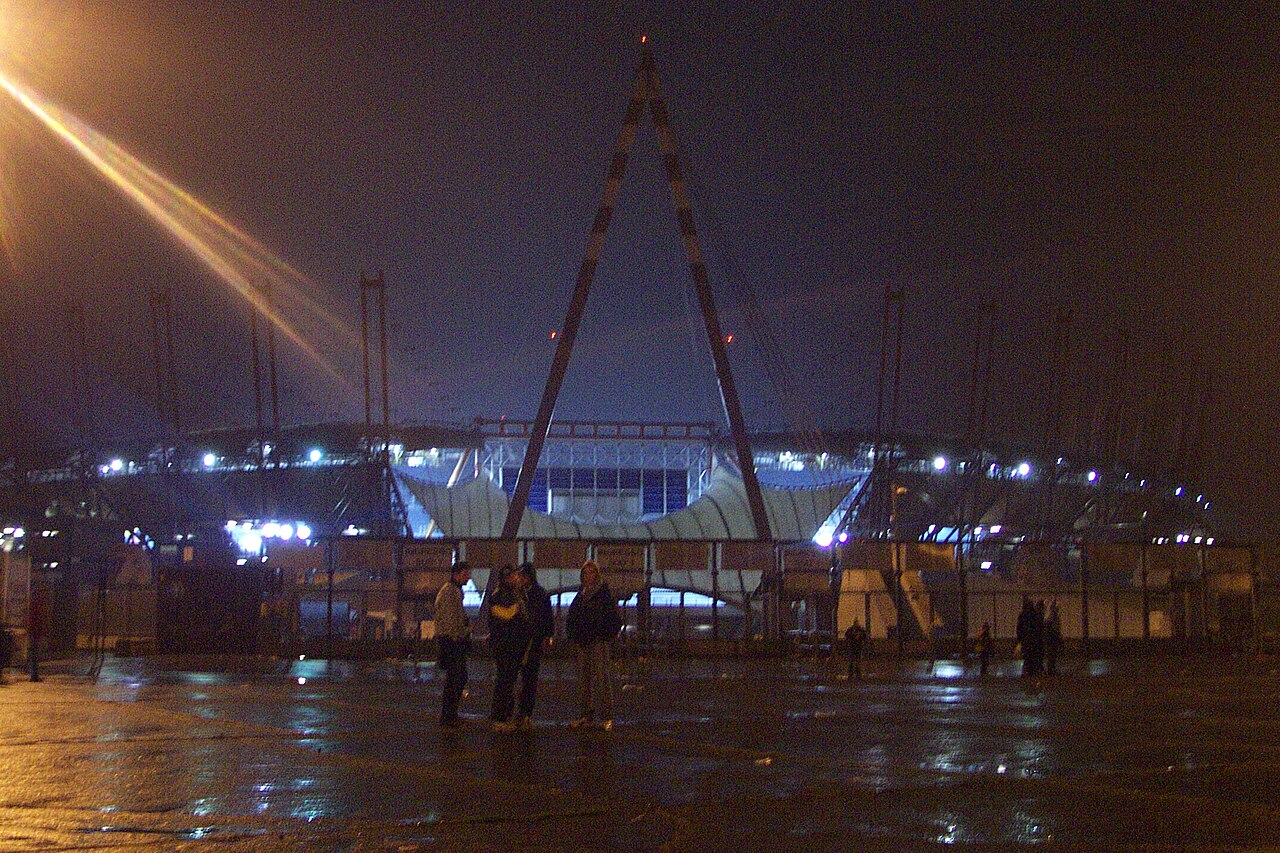
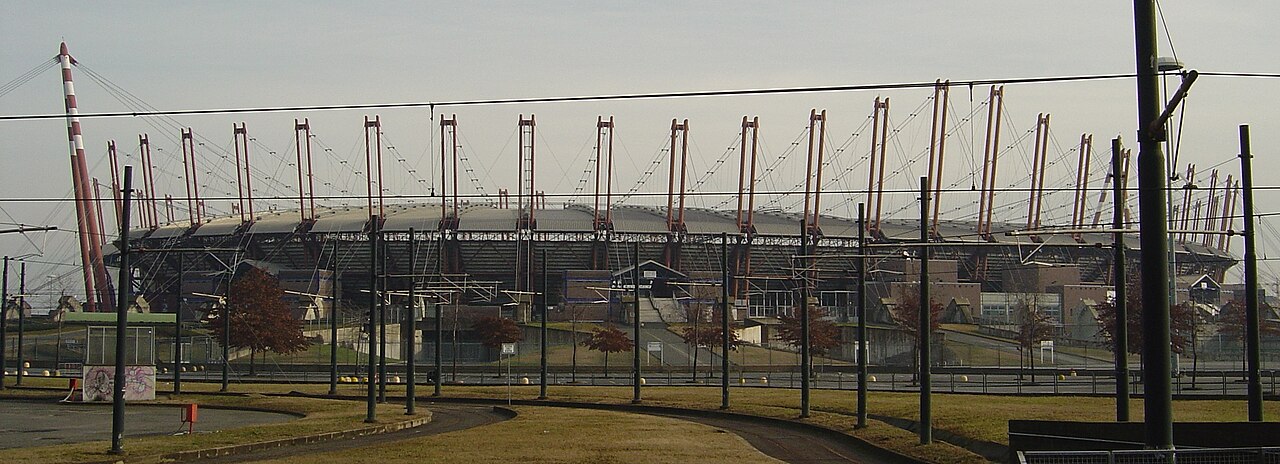
The Stadio delle Alpi was a football and athletics stadium in Turin, Italy, and was the home of both Juventus Football Club and Torino Football Club between 1990 and 2006. In English, the name meant 'Stadium of the Alps', a reference to the nearby Alps mountain range. The stadium was demolished in 2009 and both football clubs moved to the rebuilt Stadio Olimpico. A new stadium for Juventus, the Juventus Stadium, was constructed on the site of the former Delle Alpi and opened in 2011.
Quick Facts
- Status
- Demolished (2009)
Lore & Background
Designed by architect Studio Hutter, the Stadio delle Alpi was originally built in 1990 to host matches for the 1990 FIFA World Cup as a replacement for the aging Stadio Olimpico, then known as the Stadio Comunale. The stadium's original capacity was 69,041 fans, but due to FIFA rules regarding segregation of home and away supporters, the actual capacity was reduced to 67,229. Construction began in June 1988 and was complete within two years. The Delle Alpi was built by the council of Turin, with both of the city's football clubs using it as their home ground following the closure of the Stadio Olimpico. It was originally intended for football and athletics, so an athletics track was constructed around the pitch, but due to the lack of a warm-up track, it was never used for a major athletics event. The stadium was inaugurated on 31 May 1990 when a joint Juventus–Torino team defeated Porto 4–3. Due to escalating rental costs, disputes arose between the clubs and the city council. In 1994, the Juventus board investigated building a new stadium. The UEFA Cup semi-final and final matches in 1994–95 were moved by Juventus to the San Siro in Milan. The Stadio Delle Alpi was very rarely sold out. In June 2002, Juventus purchased the Delle Alpi from the Turin city council for around €25 million. Torino was banned from playing any Serie A matches inside the stadium from 9 March 2003 until 30 June 2003 due to violence that occurred on 22 February 2003 inside the stadium clash against Milan.
Reader's Guide
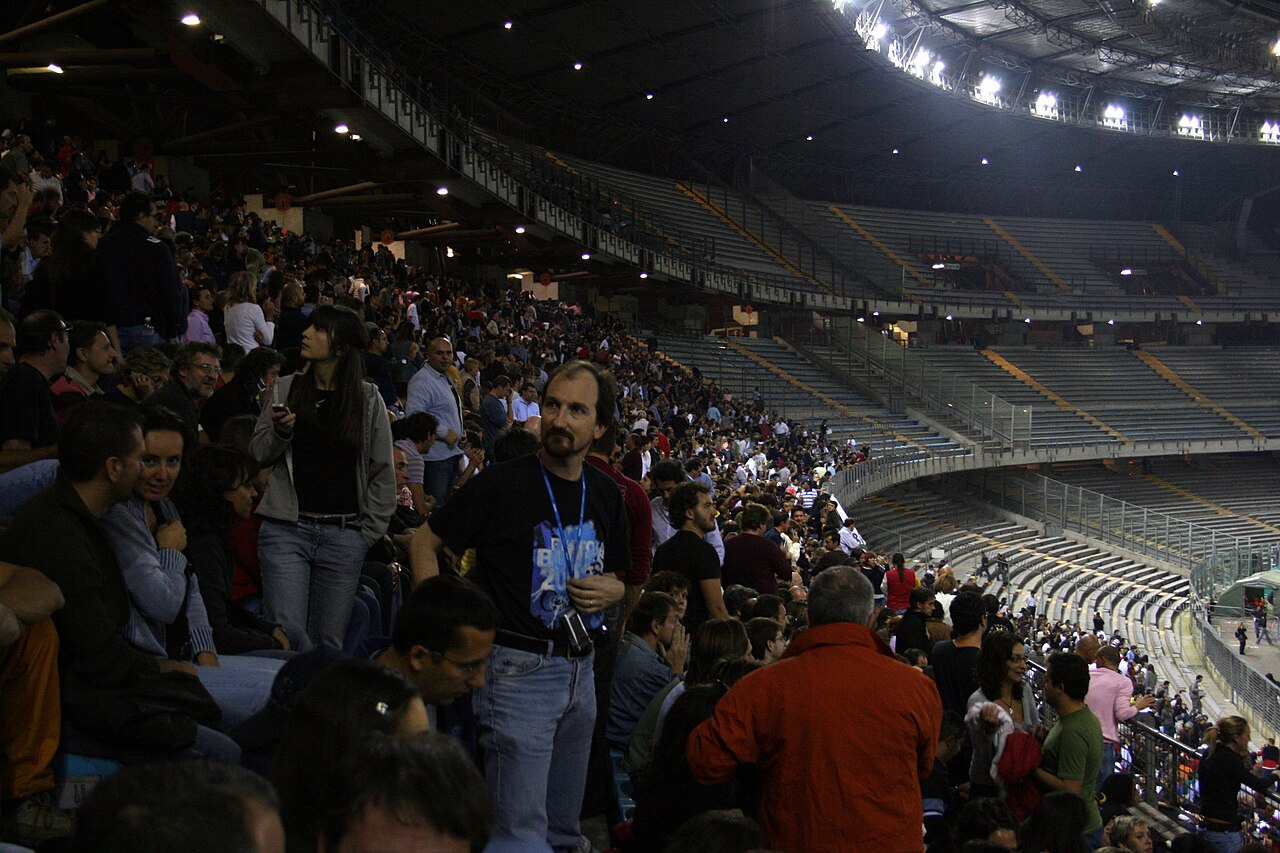
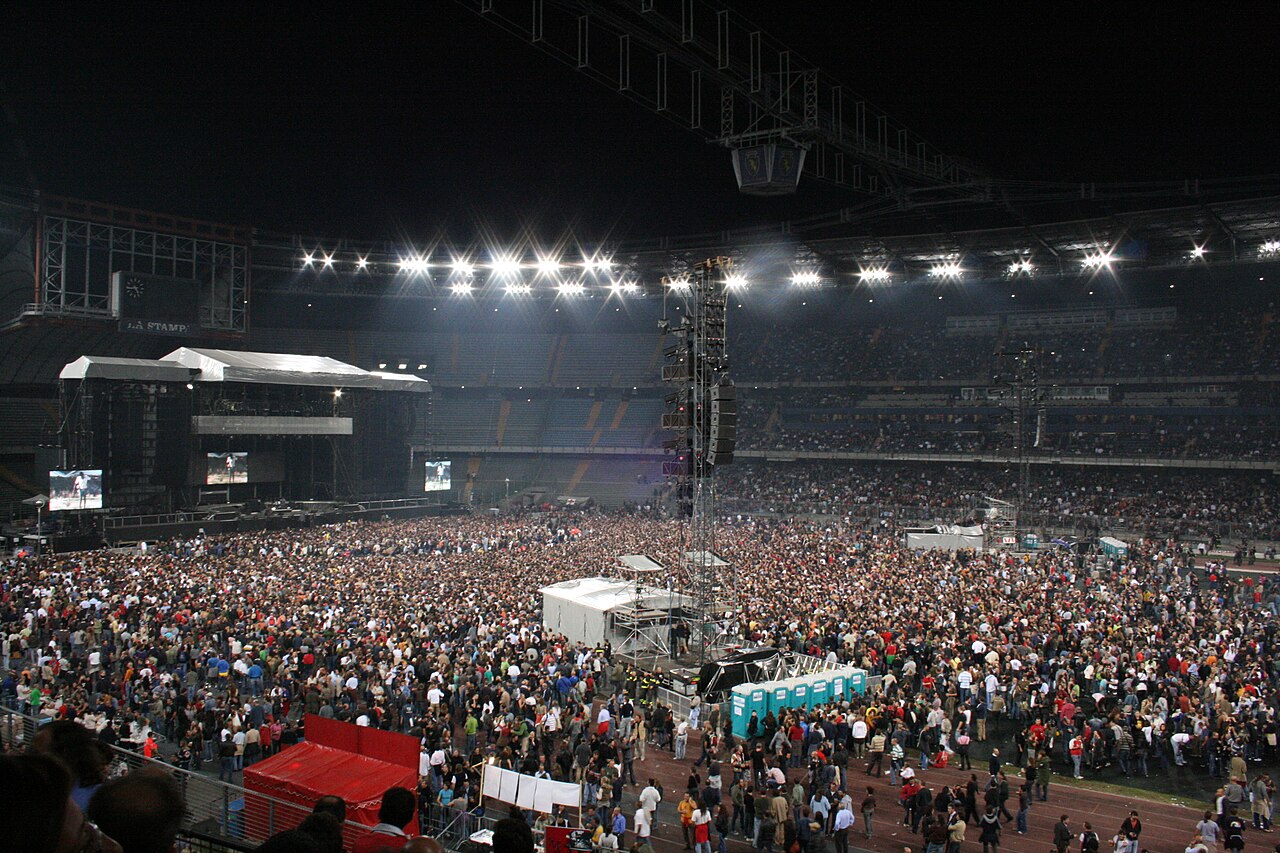
The stadium attendance record was 63,583 set during a UEFA Champions League semi-final (second leg) between Juventus and Real Madrid on 14 May 2003. During the 1990 FIFA World Cup, the stadium hosted a second round match between Argentina and Brazil, and a semi-final between West Germany and England, both attracting around 60,000 fans. The Delle Alpi's design was widely criticised due to poor visibility caused by the distance between the stands and the pitch from the athletics track, and restricted views from the lower tier due to advertising hoardings. Its location on the outskirts of town and exposure to the elements contributed to low attendances; in the 2005–06 season, Juventus' average attendance was 35,880, and in a Coppa Italia home match against Sampdoria in the 2001–02 season, only 237 spectators showed up. The stadium was one of the venues of the 1990 World Cup, hosting five matches: Brazil's Group C matches (2–1 win over Sweden, 1–0 win over Costa Rica, 1–0 win over Scotland), their round of 16 match against Argentina (1–0 defeat), and the semi-final between West Germany and England (1–1, West Germany winning 4–3 on penalties). The Stadio Delle Alpi was demolished, with plans for a 41,475-seater venue and a number of restaurants and other facilities. The demolition was completed in February 2009. Work on the replacement, Juventus Stadium, began during spring 2009 and it opened on 8 September 2011. No longer required to incorporate a running track, the new stadium's stands are covered by a roof and are much closer to the pitch. A new Juventus training centre was also built next to the stadium, together with a gymnasium, a restaurant and a hotel.
Origins & Rapid Construction
The Stadio delle Alpi rose from the Turin landscape in a remarkably brief span. Construction kicked off in June 1988 and, thanks to extensive use of prefabricated concrete elements, the entire structure was finished within just two years. The Turin city council funded and directed the project, commissioning architect Studio Hutter to design a venue that would replace the aging Stadio Olimpico (then called Stadio Comunale) for the 1990 FIFA World Cup. The name itself is a nod to the Alpine peaks visible from the city. The original seating plan accommodated 69,041 spectators, though FIFA regulations mandating the separation of home and away supporters trimmed the usable figure to 67,229. The council also intended the ground to double as an athletics venue, so a running track was laid around the perimeter of the pitch. In practice, however, the absence of a dedicated warm-up track meant the stadium never hosted a major track-and-field event, leaving that dual-purpose ambition largely unrealised.
World Cup Spotlight & Inauguration
The stadium's curtain-raiser came on 31 May 1990, when a combined Juventus and Torino side faced Porto in a friendly and emerged victorious 4–3. Just weeks later, the Delle Alpi stepped onto the world stage as one of the five venues for the 1990 FIFA World Cup, hosting five matches in total. Brazil dominated the early schedule, playing all three of their Group C fixtures at the ground: a 2–1 triumph over Sweden on 10 June, a 1–0 win against Costa Rica on 16 June, and another 1–0 victory over Scotland on 20 June. Their round-of-16 tie against Argentina on 24 June ended in a 1–0 defeat for the South Americans. The tournament's most dramatic fixture at the venue was the semi-final on 4 July, pitting West Germany against England. The match finished 1–1 after regulation, and West Germany ultimately prevailed 4–3 in a penalty shootout. Both the Argentina-Brazil and Germany-England matches drew crowds of roughly 60,000, underscoring the stadium's capacity to fill for truly significant occasions.
Design Flaws & Attendance Woes
Despite its grand scale, the Delle Alpi was plagued by design choices that alienated spectators. The athletics track pushed the stands far from the pitch, severely limiting sightlines. Advertising boards positioned at the lower tier further obstructed views for the cheapest seats. The stadium's placement on Turin's outskirts meant fans had to travel considerable distances, and the open design left spectators fully exposed to wind and rain. These shortcomings translated into chronically low attendances. The ground was rarely sold out during its sixteen-year life. In the 2005–06 season, Juventus' average home crowd was just 35,880 against a capacity of nearly 68,000. One Coppa Italia fixture against Sampdoria in 2001–02 drew a mere 237 fans. Escalating rental fees also bred friction between the clubs and the city council, and in 2003 Torino was barred from hosting Serie A matches at the venue for over three months following violent incidents during a February clash with Milan.
Redevelopment & Lasting Legacy
The final chapter of the Delle Alpi began in June 2002, when Juventus bought the stadium from the Turin city council for approximately €25 million, ending years of costly rental arrangements. Both clubs continued to share the ground until 2006, after which Torino moved to the rebuilt Stadio Olimpico. Demolition of the old structure was completed in February 2009, clearing the way for a 50,000-square-metre redevelopment that included a 41,475-seat football-specific stadium, restaurants, and ancillary facilities. Construction on the new Juventus Stadium started in spring 2009, and it opened on 8 September 2011 at the start of the 2011–12 season. Freed from the obligation to house a running track, the new venue features covered stands positioned far closer to the action. A dedicated training centre, gymnasium, restaurant, and hotel were also built alongside the ground, transforming the site into a comprehensive football complex and finally resolving the visibility and comfort issues that had defined its predecessor.
Gallery
Frequently Asked Questions
What was Stadio delle Alpi and where was it located?
It was Torino FC's home ground, perched on the hills above Turin with snow-dusted Alpine peaks visible beyond the concrete stands. The name, meaning 'Stadium of the Alps,' was a direct reference to that mountain backdrop that framed every matchday.
Why was Stadio delle Alpi built?
The stadium was constructed specifically to host fixtures during the 1990 FIFA World Cup. After the tournament it became Torino's permanent home and the central stage for granata football for the following decades.
What happened to Stadio delle Alpi?
The stadium was demolished in 2019, bringing an end to its long run as the club's home. Torino subsequently relocated to the newer Stadio Olimpico Grande Torino, leaving the old hillside ground as a memory.
What made Stadio delle Alpi special to Torino supporters?
The Curva Maratona ultra section transformed every evening into a working-class ritual of drums, scarves, and collective song. Fans often called it a 'cathedral' because the tight, loud atmosphere made the community identity of the club feel more alive than anywhere else.
More in Stadium & Culture
Elsewhere in Torino FC
Spotted an error? Know more?
Reader corrections go straight into our review queue. Suggest an edit · How this site is sourced