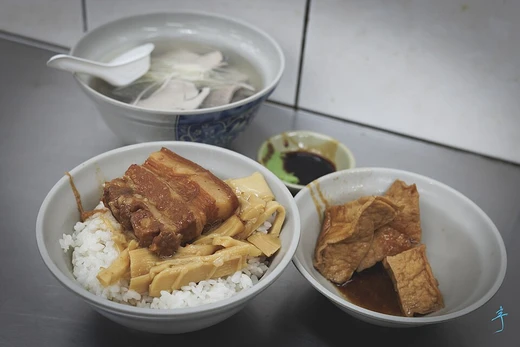
Rechao
A Taiwanese stir-fry dining style known for speed and affordability.

Rechao (熱炒) is a Taiwanese cooking style where ingredients are stir-fried in a wok. The term is the Mandarin pronunciation of the characters for "hot" (熱) and "stir-fry" (炒), and it can be used as both a noun and a verb. The high cooking temperature is meant to create the characteristic smoky *wok hei* flavor and seal in freshness. It is also called *kuaichao* (快炒), or "fast stir-fry," referring to how quickly the dish is cooked and served. These eateries are often compared to Cantonese dim sum houses, Japanese izakayas, British pubs, Hong Kong's *dai pai dong*, and Taiwanese night markets.
Rechao restaurants first became common in Taipei during the 1970s. They originally served seafood from Keelung, a port city about 30 kilometers away, using fish tanks with freshly caught fish. Over time, the seafood restaurants expanded their menus, giving rise to the rechao format. During Taiwan's Economic Miracle in the 1980s, urbanization and long work hours led white-collar workers to seek cheap, fast, and flexible meals. Seafood restaurant owners saw an opportunity and converted their businesses into affordable rechao spots, which offered air conditioning and both indoor and outdoor seating. The format surged in popularity again in the 1990s as workers used them to unwind after long days.
In the early 1990s, the Taiwan Stock Exchange peaked, but by 2000 it had fallen sharply due to international conflicts and the dot-com bubble burst. The poor economy drove people away from expensive fine dining, which closed down, while cheap options like rechao flourished. Streets in Taipei—especially along Chang'an East Road in Zhongshan District—filled with signs advertising "NT$100 Live Seafood," "$99 Rechao," and "$100 Rechao." Restaurant owners benefited from being less than 30 minutes from the Keelung Fish Market, Taiwan's largest, driving there in the middle of the night to buy fresh seafood and keep costs low. Urban residents also saw rechao as a place to vent work-related frustrations. The restaurants offered unlimited free white rice and clear pricing, making customers comfortable ordering. Clusters of rechao restaurants on the same street created a lively atmosphere.
The decor is simple, with plastic stools and short tables. People from all social backgrounds come to relax and socialize, often drinking large amounts of Taiwan Beer.
- origin
- Taiwan
- first established
- 1970s in Taipei
- also known as
- kuaichao (快炒)
- key ingredient
- seafood from Keelung
- typical seating
- plastic stools and short tables
- common beverage
- Taiwan Beer
- influences
- Fujianese, Japanese, Korean, Sichuanese, Southeast Asian, Taiwanese
Lore & Background
Rechao restaurants built a significant foothold in Taipei in the 1970s, initially offering seafood from the nearby port city of Keelung. During the Taiwan Economic Miracle in the 1980s, the strong economy kept people focused on their jobs and working into the evening. Seafood restaurant owners capitalized on this by converting their businesses into affordable rechao eateries. The struggling economy in the 2000s induced people to avoid fine dining restaurants in favor of cheap options like rechao restaurants, causing a surge in their popularity.
Reader's Guide
Rechao restaurants are a blend of budget-friendly dining spots and pubs, drawing diners from various social backgrounds. They typically feature simple decor with plastic stools and short tables, often set up outside by the road, below an underpass, in vacant lots, or on sidewalks. Meals can last for several hours, with copious amounts of beer—frequently from the Taiwan Beer brand—being drunk. Menu items are influenced by numerous cultures including Fujianese, Japanese, Korean, Sichuanese, Southeast Asian, and Taiwanese, and dishes contain large helpings of oil and salt which complement beer. The restaurants have been compared to Cantonese-style dim sum eateries, Japanese izakaya, British pubs, Hong Kong's dai pai dong, and night markets in Taiwan. Despite their widespread appeal in Taiwan, rechao restaurants remain relatively unknown internationally, with the most recent migration of people from Taiwan happening during the 1980s, prior to the rise of rechao.
Did You Know?
- Rechao combines the Chinese characters for 'hot' (熱) and 'stir-fry' (炒).
- Rechao eateries originally offered seafood from the port city of Keelung, about 30 km from Taipei.
- The modern version of rechao emerged after heavy-duty gas burners became available in the 1980s.
- Rechao restaurants are known for unlimited free white rice and clear pricing.
More in Taiwanese cuisine 1-24
Spotted an error? Know more?
This is a living reference — every entry is fact-audited, and reader corrections feed straight into our audit queue. Suggest an edit · See this site's audit record