Misua
Thin wheat noodle symbolizing longevity in East and Southeast Asia.

Misua (or miswa) is a very thin noodle made from wheat flour, common across East and Southeast Asia. It is found in China, the Philippines, Taiwan, Malaysia, Indonesia, Singapore, Vietnam, Brunei, and Thailand. These noodles are fragile, cook in under two minutes, and are typically used in soups or lightly boiled dishes. They break apart easily if cooked too long.
The noodle originated in Fujian, China, where thin wheat noodles have been a staple for centuries. Misua is traditionally linked to longevity and is served at birthdays, festivals, and other celebrations to symbolize a long life. Chinese immigrants brought it to Southeast Asia, where local cuisines adapted it. In the Philippines, misua appears in both everyday meals and ceremonial dishes, often with chicken, pork, or seafood in festive soups, showing how Chinese culinary traditions influenced Filipino food culture.
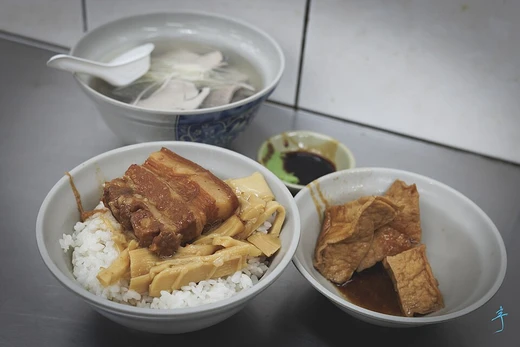
In Taiwan, two forms exist: plain misua and a version steamed at high heat, which caramelizes to a light brown. For birthdays, plain misua is typically served with pork hocks in a stewed broth. Brown misua can be cooked longer without falling apart and is used in oyster vermicelli, a popular Taiwanese dish.
Misua is cooked during important festivities in China, Cambodia, Malaysia, Indonesia, Singapore, Vietnam, Brunei, Thailand, Myanmar, and especially in Taiwan and the Philippines. Because it signifies long life in Chinese culture, it is a traditional birthday food, and chewing or cutting the noodles is often discouraged. It is commonly served with ingredients such as eggs, tofu, bell peppers, oysters, pig's large intestine, sponge gourd (called patola in the Philippines), shiitake mushrooms, beef, shallots, scallions, roasted nuts, or fried fish.
- type
- Noodle
- origin
- Fujian, China
- main_ingredient
- Wheat flour
- cooking_time
- Less than two minutes
- associated_symbolism
- Longevity
- regions_common
- East and Southeast Asia
Quick Facts
- Country
- China
- Region
- Fujian
- Main Ingredient
- Wheat flour
Facts from the source article.
Lore & Background
Misua originated in Fujian, China, where thin wheat noodles have been a staple for centuries. The noodle is traditionally associated with longevity and is often served during birthdays, festivals, and other celebrations to symbolize a long life. Chinese immigrants brought misua to Southeast Asia, where it was adapted into local cuisines. In the Philippines, misua became integrated into both home cooking and ceremonial meals, often eaten with chicken, pork, or seafood in festive soups. The adaptation demonstrates how Chinese culinary traditions influenced Filipino food culture over the centuries.
Reader's Guide
Misua holds significance as a cultural symbol of longevity in Chinese tradition, often served during birthdays and festivals without being chewed or cut to preserve the wish for a long life. Its delicate nature requires brief cooking—under two minutes—to avoid disintegration. In Taiwan, two forms exist: plain misua, traditionally served with pork hocks in stewed broth for birthdays, and brown misua, steamed at high heat to caramelize, which can be cooked longer without breaking and is used in oyster vermicelli. Across Southeast Asia, misua appears in diverse dishes, from festive soups in the Philippines to oyster vermicelli in Taiwan, reflecting its adaptation into local cuisines. The noodle's presence in multiple countries—including China, Cambodia, Malaysia, Indonesia, Singapore, Vietnam, Brunei, Thailand, Myanmar, Taiwan, and the Philippines—underscores its role as a shared culinary heritage. Misua is often paired with ingredients such as eggs, tofu, bell peppers, oysters, pig's large intestine, sponge gourd, shiitake mushroom, beef, shallots, scallions, roasted nuts, or fried fish, illustrating its versatility in both everyday and ceremonial meals.
Did You Know?
- Misua noodles cook in less than two minutes and break easily if overcooked.
- In Taiwan, brown misua is steamed at high heat to caramelize it, allowing prolonged cooking without disintegrating.
- Misua is traditionally associated with longevity and is often discouraged from being chewed or cut.
- Chinese immigrants brought misua to Southeast Asia, where it was adapted into local cuisines such as Filipino festive soups.
More in Taiwanese cuisine 1-24
Spotted an error? Know more?
This is a living reference — every entry is fact-audited, and reader corrections feed straight into our audit queue. Suggest an edit · See this site's audit record