
Allopurinol hypersensitivity syndrome
Severe drug reaction linked to allopurinol, often in kidney failure.

Allopurinol hypersensitivity syndrome (AHS) is a severe adverse reaction to the medication allopurinol, typically occurring in individuals with preexisting kidney failure. It manifests weeks to months after starting the drug, often as a morbilliform eruption or, less commonly, as life-threatening severe cutaneous adverse reactions such as DRESS syndrome, Stevens-Johnson syndrome, or toxic epidermal necrolysis.
Quick Facts
- Symptoms
- Fever, Cutaneous Reaction, Eosinophilia, Acute Renal Failure.
- Treatment
- Systematic Corticosteroids.
- Frequency
- Rare
Facts from the source article.
Lore & Background
Allopurinol hypersensitivity syndrome was first linked to kidney impairment in a 1984 case series, where 58 patients showed signs of kidney disease before starting allopurinol. The syndrome typically begins within the first few weeks to months of treatment, with 90% of 901 documented cases starting within 8 to 9 weeks. The median time to onset is 3 weeks. Risk factors include an increased initial dose of allopurinol and the presence of chronic kidney disease, which was present in 182 out of 376 patients (48%) in a comprehensive analysis.
Reader's Guide
Allopurinol hypersensitivity syndrome is significant because it represents a potentially lethal adverse drug reaction with mortality rates between 20% and 25%. It affects about 1 in 1000 patients receiving allopurinol, a common medication for gout and hyperuricemia. The syndrome is strongly associated with preexisting kidney failure, as oxypurinol, the active metabolite, accumulates due to reduced renal clearance. Genetic screening for the HLA-B*58:01 allele, which carries an odds ratio of 80–580 for developing DRESS or SJS/TEN, is a key preventive measure. Treatment involves discontinuing allopurinol and providing supportive care, with immunomodulatory therapies and systemic steroids possibly helpful. Alternative urate-lowering drugs like febuxostat may be considered for patients who have experienced AHS. The legacy of AHS research underscores the importance of dose adjustment in kidney impairment and genetic testing to prevent severe reactions.
Did You Know?
- Allopurinol hypersensitivity syndrome typically occurs in persons with preexisting kidney failure.
- About 1 in 1000 patients receiving allopurinol are affected, with mortality rates between 20% and 25%.
- The HLA-B*58:01 allele is linked to a higher risk of allopurinol-induced DRESS and SJS/TEN with an odds ratio of 80–580.
- Ninety percent of 901 documented cases began within the first 8 to 9 weeks of starting allopurinol.
Clinical Presentation and Lethal Potential
Allopurinol hypersensitivity syndrome typically announces itself within the first weeks to months after a patient begins the medication. In the largest review of nine hundred one cases to date, ninety percent of episodes emerged within the first eight to nine weeks, with a median onset of just three weeks. The initial manifestation is often a morbilliform rash, but in more dangerous presentations the condition escalates into one of the severe cutaneous adverse reactions: DRESS syndrome, Stevens-Johnson syndrome, or toxic epidermal necrolysis. Across these syndromes, clinicians observe a shared constellation of fever, eosinophilia, widespread rash, and progressive dysfunction of both the liver and the kidneys. Although roughly one in every thousand patients taking allopurinol will develop AHS, the consequences are grave. Reported mortality rates span twenty to twenty-five percent, making this a condition of considerable clinical urgency. The overlap in signs among DRESS, SJS, and TEN complicates early differentiation, yet the shared involvement of multiple organ systems underscores the systemic nature of the reaction rather than a purely dermatologic event.
Renal Impairment and the Oxypurinol Accumulation Problem
The central pharmacokinetic vulnerability behind AHS lies in the kidney's role in clearing oxypurinol, the active metabolite rapidly generated from allopurinol. In individuals with normal renal function, oxypurinol carries a mean half-life of roughly twenty-three hours, with most patients falling between nine and thirty-eight hours. When kidney function declines, that half-life stretches considerably, permitting the compound to accumulate over time and reach higher steady-state concentrations. In patients with anuria, virtually no oxypurinol is eliminated at all. This reality explains why preexisting renal failure is the dominant risk factor. A 1984 case series of fifty-eight AHS patients revealed that all had documented kidney impairment before starting therapy. A later comprehensive review of nine hundred one reported cases confirmed the pattern: among the three hundred seventy-six patients with available comorbidity data, chronic kidney disease was present in forty-eight percent. A retrospective case-control study further implicated an increased initial dose as an additional contributor to hypersensitivity risk.
The HLA-B*58:01 Genetic Signal
Beyond pharmacokinetics, a powerful genetic predisposition has been identified within the HLA complex. The HLA-B*58:01 allele, a variant in the human leukocyte antigen gene family, has been associated with a dramatically elevated risk of developing allopurinol-induced DRESS syndrome and the Stevens-Johnson syndrome or toxic epidermal necrolysis spectrum. Reported odds ratios linking this specific allele to those severe reactions span a striking range from eighty to five hundred and eighty, indicating that carriers face a risk many times greater than non-carriers. This finding has reshaped how clinicians conceptualize AHS: it is not merely a matter of drug accumulation in compromised kidneys but also a question of individual immune recognition. The magnitude of the odds ratio suggests the allele may fundamentally alter how the immune system perceives allopurinol or its metabolites, tipping the balance toward a catastrophic hypersensitivity response. Genetic screening based on this association has therefore become a recognized component of preventive strategy, particularly in populations where the allele is more prevalent.
Stopping the Drug and Managing the Aftermath
Once AHS is recognized, the single most critical intervention is immediate discontinuation of allopurinol. Supportive care forms the backbone of treatment, and the specific course is tailored to whether the patient is experiencing DRESS, Stevens-Johnson syndrome, or toxic epidermal necrolysis. Immunomodulatory therapies and systemic corticosteroids may be employed to dampen the immune-mediated damage, though their exact role varies with the severity and type of reaction. Crucially, allopurinol must never be re-administered to a patient who has developed the syndrome, as re-exposure risks a potentially fatal recurrence. For patients who still require urate-lowering therapy, alternative agents such as febuxostat can be considered. On the preventive side, three strategies are recommended: selecting alternative drugs when appropriate, performing genetic screening for the HLA-B*58:01 allele, and modifying the starting dose to reduce the likelihood of oxypurinol accumulation. Together, these measures aim to intercept the cascade before it reaches the lethal threshold.
Gallery
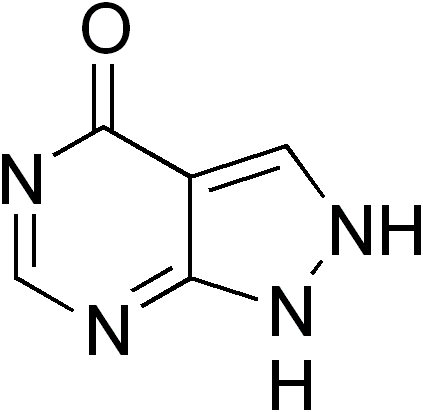
Frequently Asked Questions
Who is Allopurinol hypersensitivity syndrome?
AHS is a serious immune-mediated drug reaction triggered by the gout medication allopurinol, most often striking patients who already have compromised kidney function. It typically reveals itself roughly three weeks after the patient begins taking the drug, presenting as a widespread rash or, in its most dangerous form, as blistering skin conditions like Stevens-Johnson syndrome or toxic epidermal necrolysis.
What is Allopurinol hypersensitivity syndrome known for?
In the canon, AHS acts as a severe adverse event that can progress from a flat, measles-like eruption to multi-organ involvement including liver and kidney damage. Its most feared manifestations—DRESS, SJS, and TEN—represent the high-stakes endgame where skin sloughs off in sheets and internal organs begin to fail.
Why is Allopurinol hypersensitivity syndrome important?
AHS matters because it affects about one in every 1,000 people prescribed allopurinol, making it a statistically significant and potentially fatal complication of a widely used gout treatment. The discovery of the HLA-B*58:01 genetic marker—which raises a patient's risk by a factor of 80 to 580—has reshaped prescribing guidelines, especially in populations where that allele is more common.
Who is most vulnerable to Allopurinol hypersensitivity syndrome?
The single biggest risk factor is preexisting chronic kidney disease, which is present in nearly half of all AHS cases. Beyond that, carrying the HLA-B*58:01 allele dramatically amplifies susceptibility, and the combination of renal impairment with this genetic marker makes the syndrome far more likely to strike.
More in Syndromes 1-24
Spotted an error? Know more?
Reader corrections go straight into our review queue. Suggest an edit · How this site is sourced