Conservation status
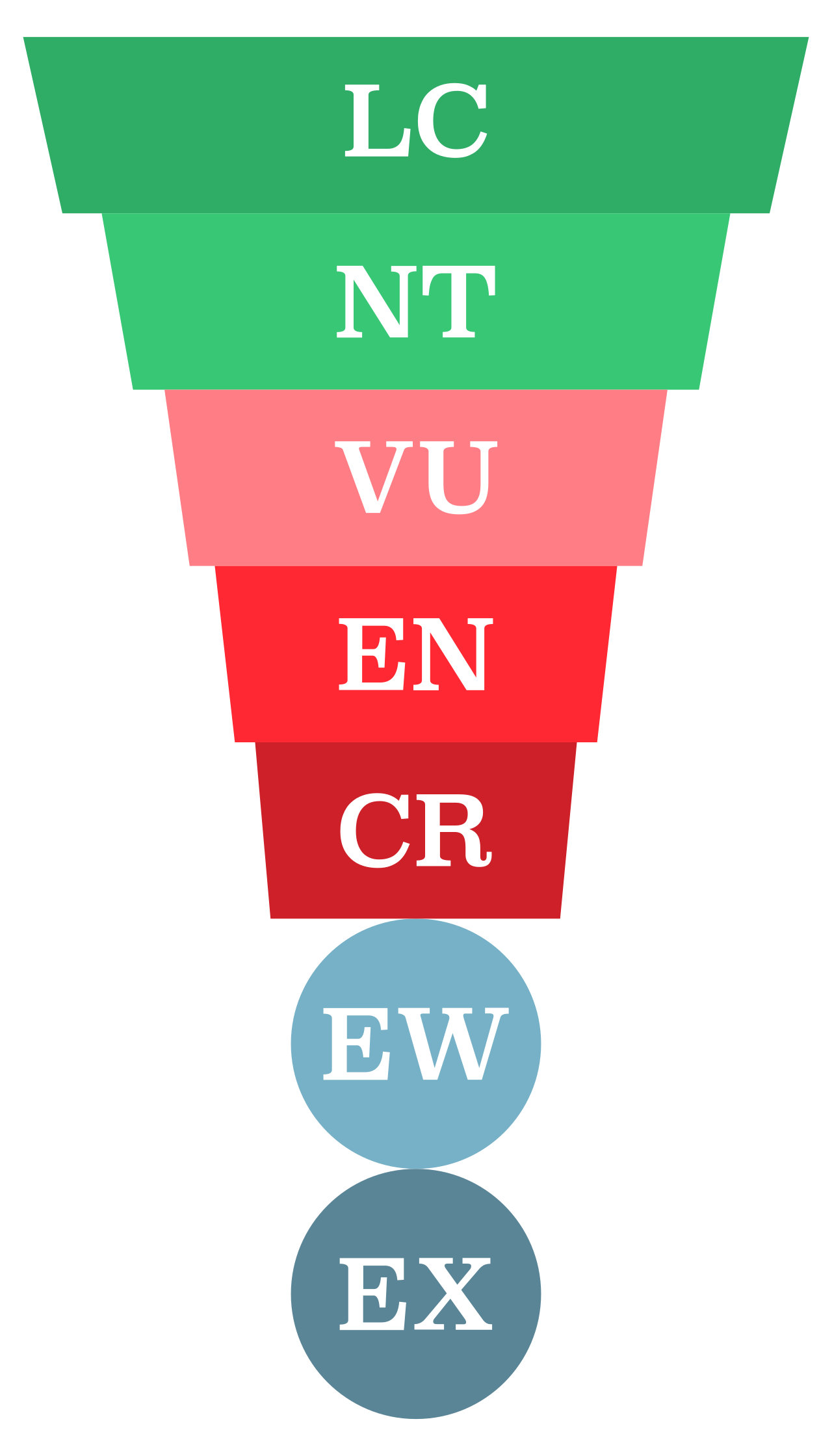
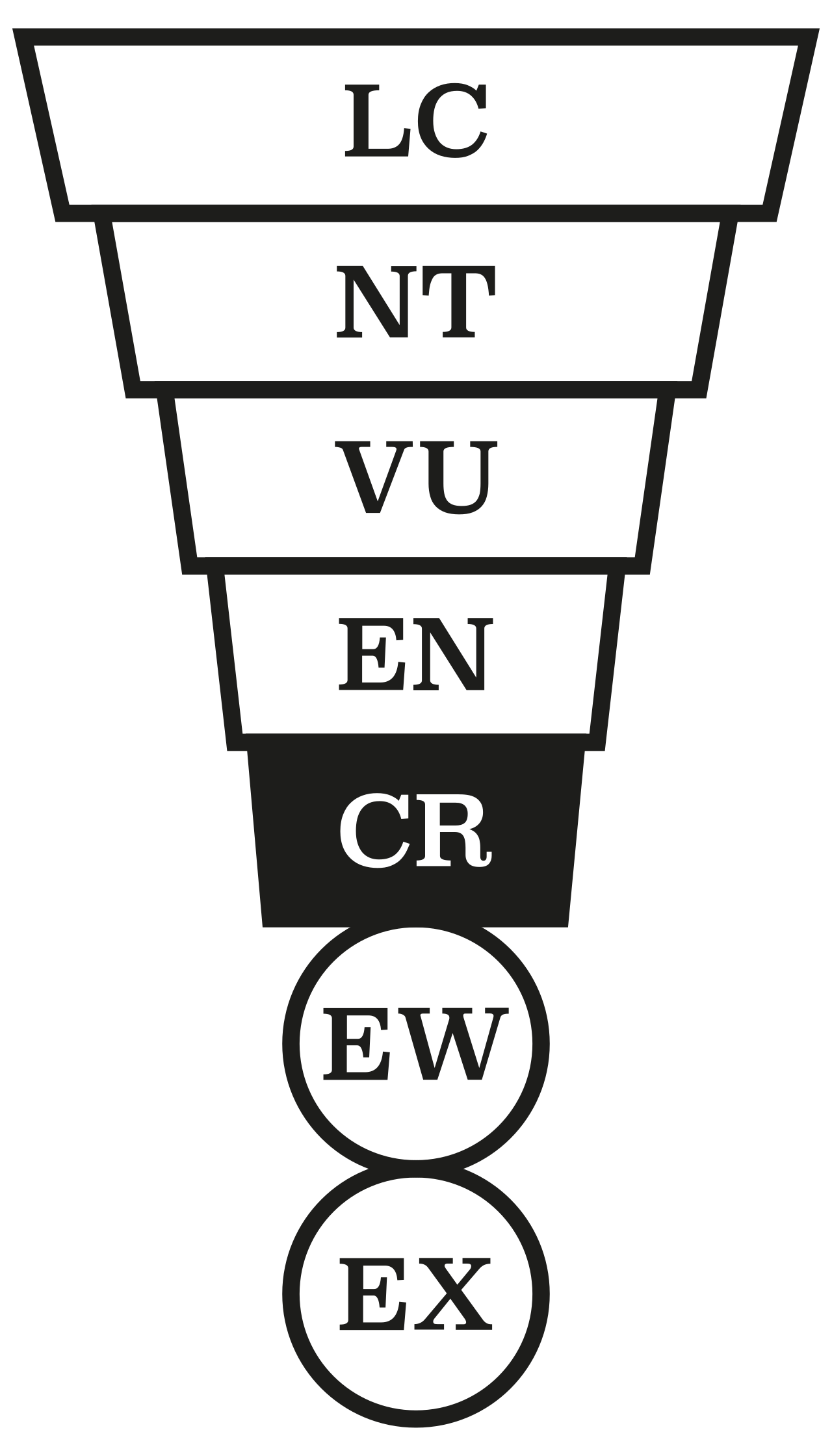
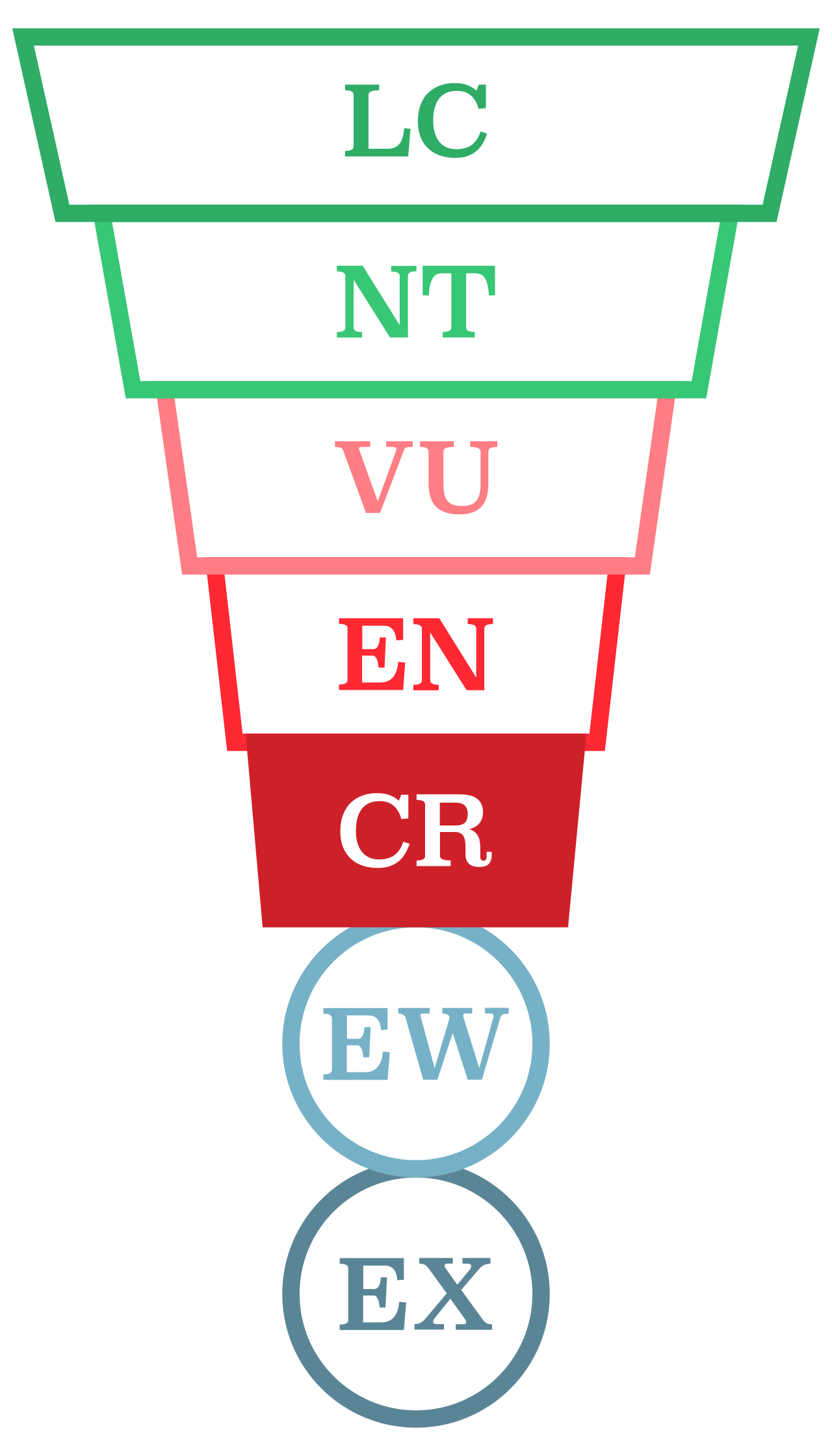
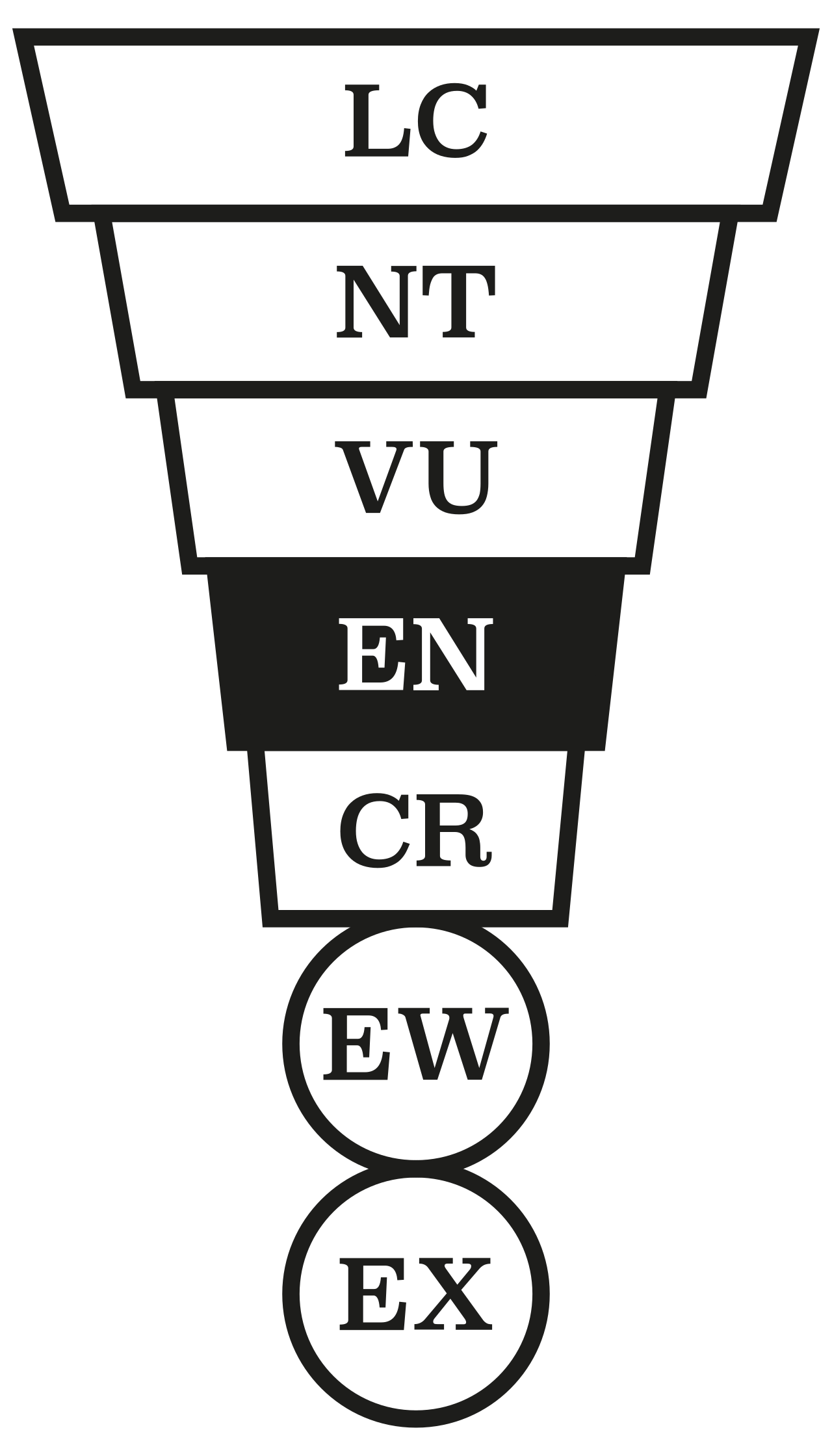
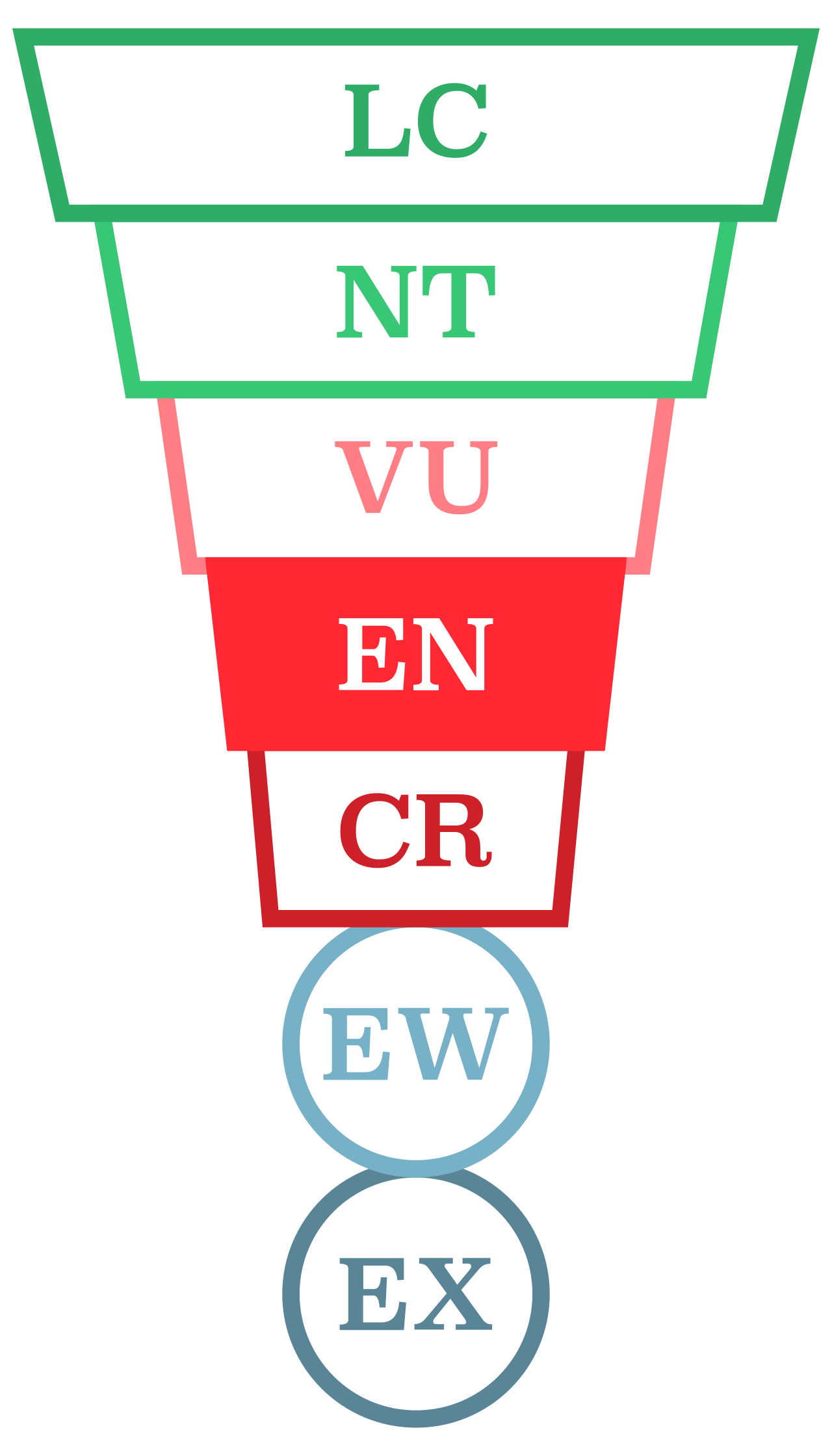
IUCN Red List assessment: Least Concern.

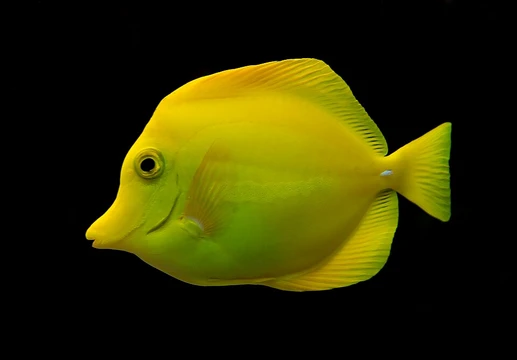
The IUCN Red List currently classifies Zebrasoma flavescens — the vibrant yellow tang — as Least Concern, meaning the species is not considered at immediate risk of extinction.
- Iucn red list category
- Least Concern
- Category code
- LC
- Assessed taxon
- Zebrasoma flavescens (Bennett, 1828)
- Iucn taxon id
- 178015
Lore & Background
IUCN Red List category: Least Concern Category code: LC Assessed taxon: Zebrasoma flavescens (Bennett, 1828) IUCN taxon ID: 178015
While the assessment confirms the species is not currently threatened, the IUCN provides no population trend, precise population size, or detailed threat analysis for this taxon through the public Red List API — leaving gaps in our understanding of its long-term stability.
Reader's Guide
Red List categories are assigned by assessors against published criteria. Follow the source link for the full assessment, including its date, which may be some years old.
Sources IUCN Red List of Threatened Species (taxon 178015) — https://www.iucnredlist.org/species/178015/0 — IUCN Red List category, as redistributed in GBIF's IUCN Red List checklist. iucnredlist.org blocks automated requests, so this link is given in IUCN's canonical form rather than fetch-verified. — Accessed 2026-09-19 GBIF IUCN Red List category endpoint (taxonKey 2379869) — https://api.gbif.org/v1/species/2379869/iucnRedListCategory — The retrievable record this page was built from.
Did You Know?
- The IUCN Red List category for this species is Least Concern — but that doesn't mean it faces no challenges.
- Despite its stable status, the yellow tang's popularity in home aquariums has led to intense collection, especially in Hawaii, where strict management has helped keep populations healthy.
- Scientists are still gathering data on how climate change and ocean acidification may affect the yellow tang's coral reef habitat in the coming decades.
Taxonomy, Naming & Discovery
The yellow tang was first formally described in 1828 by English naturalist Edward Turner Bennett, who assigned it the name Acanthurus flavescens based on specimens gathered from the Hawaiian Islands. The genus name Zebrasoma alludes to the zebra-like bars visible on the type species, the sailfin tang, while the species epithet flavescens is simply a Latin adjective pointing to the fish's vivid yellow coloration. Within its genus, the yellow tang forms a recognized species pair with the scopas tang. The fish also carries several common names—lemon sailfin, yellow sailfin tang, and somber surgeonfish—all reflecting its bright hue and its placement in the Acanthuridae family, which groups together surgeonfishes, unicornfishes, and tangs. Distinguishing morphological features include a moderately protruding snout, a small mouth housing closely spaced spatulate teeth, and a small white defensive spine on the caudal peduncle that sets it apart from many other reef-dwelling species.
Conservation Crisis & Recovery
The yellow tang's enormous popularity in the saltwater aquarium trade nearly pushed its wild populations to the brink. In Hawaii alone, an estimated 300,000 to 500,000 specimens were pulled from the ocean every year, and the islands supplied as much as 70% of the global aquarium market for this species before an export ban was enacted. By the late 1990s, stocks were in freefall. In response, nine marine protected areas were established along the Hawaiian coastline, and today more than 70% of the species' natural range is shielded from collection and fishing. A turning point arrived in 2010 when researchers, including coauthor Mark Hixon, demonstrated that yellow tang larvae can ride ocean currents for over 100 miles and reseed reefs far from their origin, proving that fish spawned inside marine reserves can replenish fished areas at a distance. This larval-drift mechanism has been credited with aiding the fishery's recovery. In 2015, scientists achieved captive breeding, offering a sustainable alternative to wild harvesting for the aquarium industry.
Biology, Coloration & Physical Traits
Adult yellow tangs grow to roughly 20 centimeters in length with a body thickness of only 1 to 2 centimeters, and males typically outsize females. Their most arresting feature is their brilliant yellow coloration, which undergoes a striking nightly transformation: after dark the hue fades and a prominent brownish patch appears in the center of the body, bisected by a horizontal white band. By morning the vivid yellow returns. The fish carries five dorsal spines alongside 23 to 26 soft dorsal rays, three anal spines with 19 to 22 anal soft rays, and a small white spine on the caudal peduncle that serves as a defensive weapon. Dental development is notable—juveniles bear 12 upper and 14 lower teeth, while adults develop 18 upper and 22 lower. In the wild these fish can live beyond 40 years. During mating, males shift color and display a shimmering behavior that makes them distinguishable from otherwise very similar-looking females.
Ecology, Diet & Reproductive Strategy
Yellow tangs occupy tropical shallow reefs at depths from 2 to 46 meters across the Pacific, stretching from the Ryukyu and Mariana Islands eastward to Hawaii and westward toward Japan, in waters between 24 and 28 degrees Celsius. They are primarily herbivorous, grazing on filamentous and uncalcified turf algae, and occasionally consume zooplankton. In a remarkable ecological niche, they provide cleaning services to marine turtles by stripping algal growth from their shells. Spawning takes place year-round but peaks around the full moon, hinting at lunar periodicity in their reproductive cycle. Pairs or small groups release eggs into open water, and no parental guarding or care follows hatching. Larvae can drift more than 100 miles before settling, a mechanism that links distant reef populations. In the wild the fish are preyed upon by larger fish, sharks, crabs, and octopuses, and they generally live alone or in small schools.
Gallery
Elsewhere in Yellow tang
Spotted an error? Know more?
Reader corrections go straight into our review queue. Suggest an edit · How this site is sourced