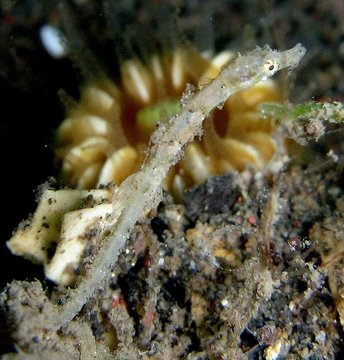
Acentronura breviperula
Source-cited species reference: taxonomy from WoRMS, biology from FishBase, occurrence map from GBIF, description from Wikipedia.

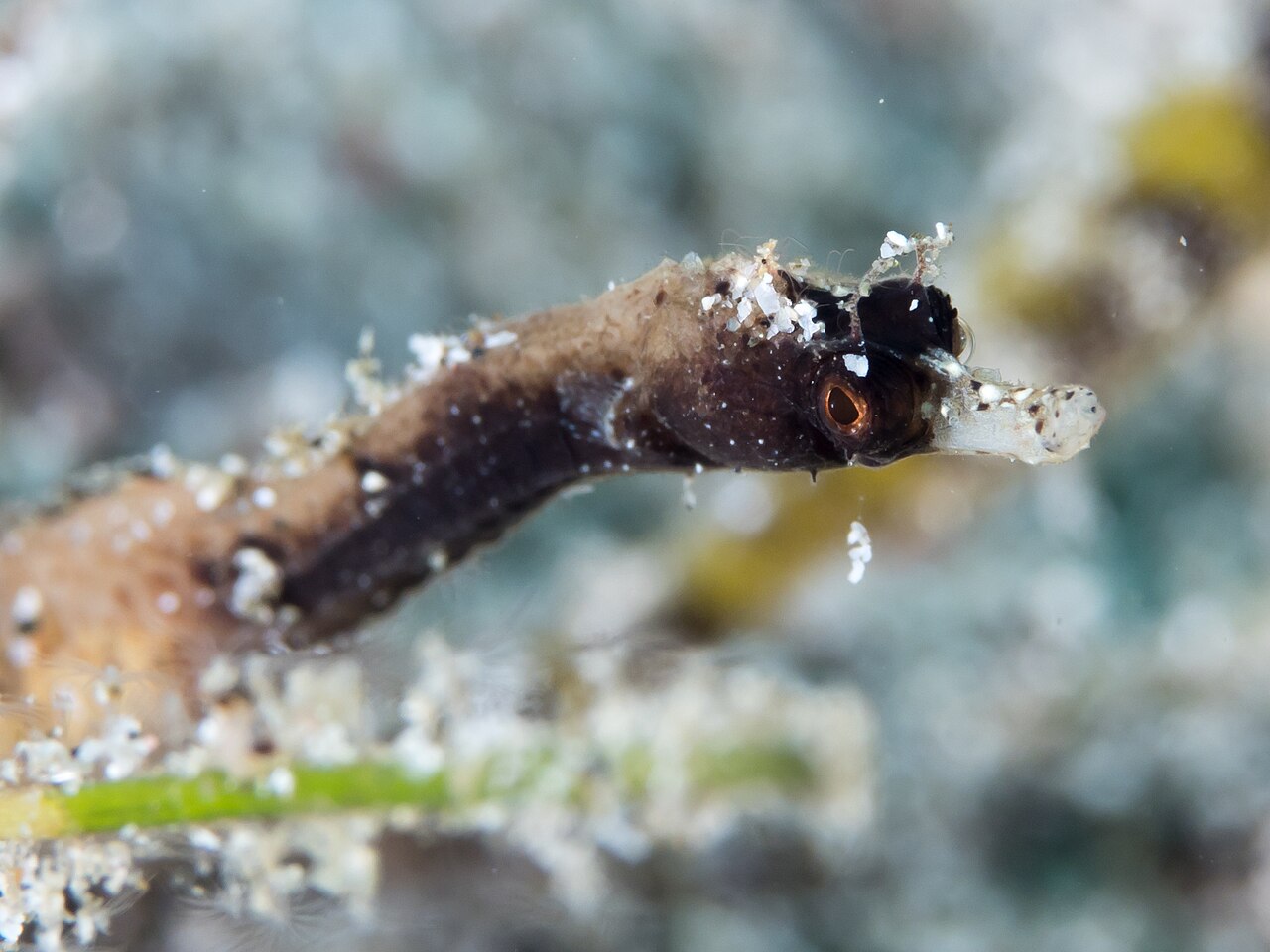
Steve Childs · CC BY 2.0
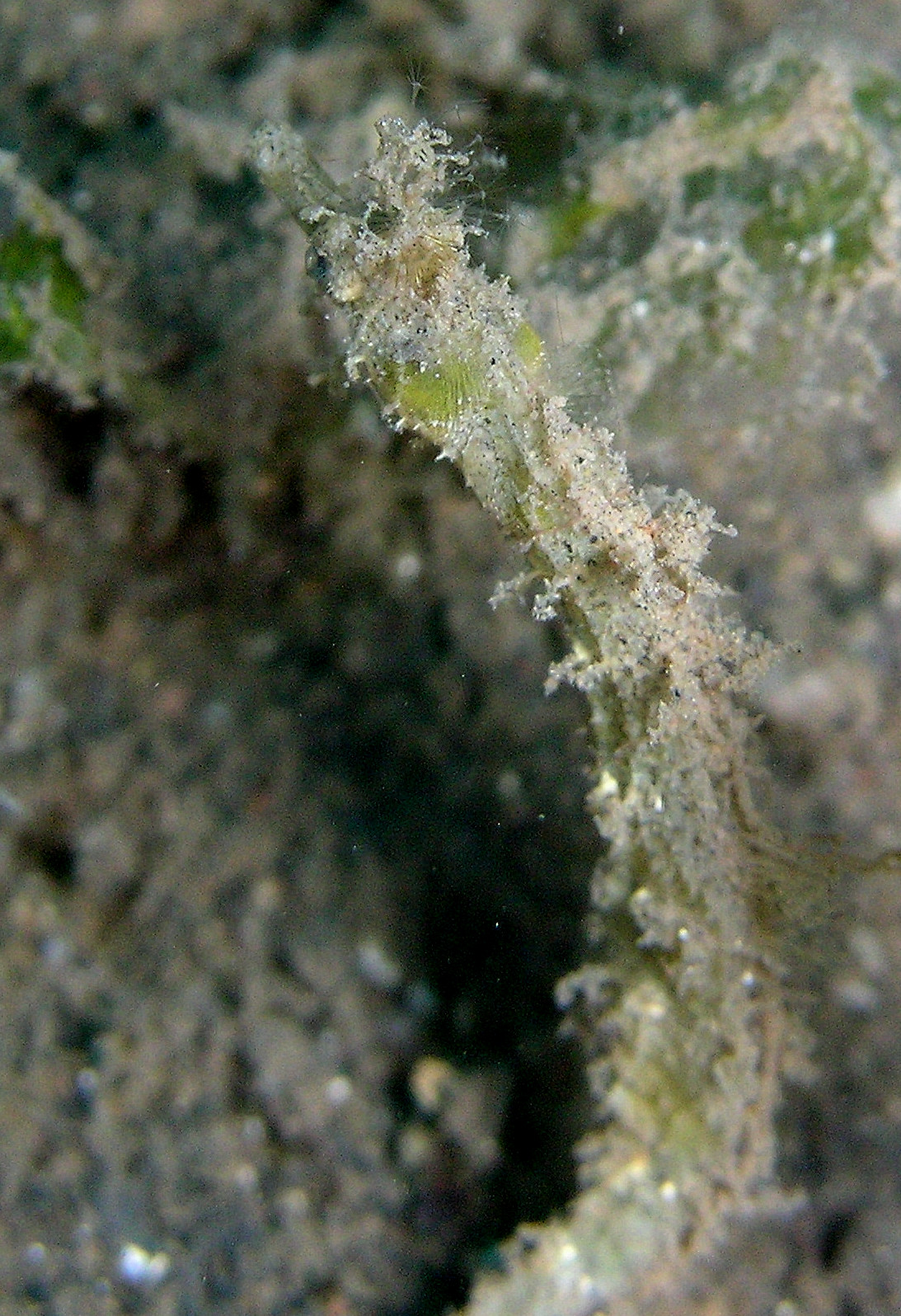
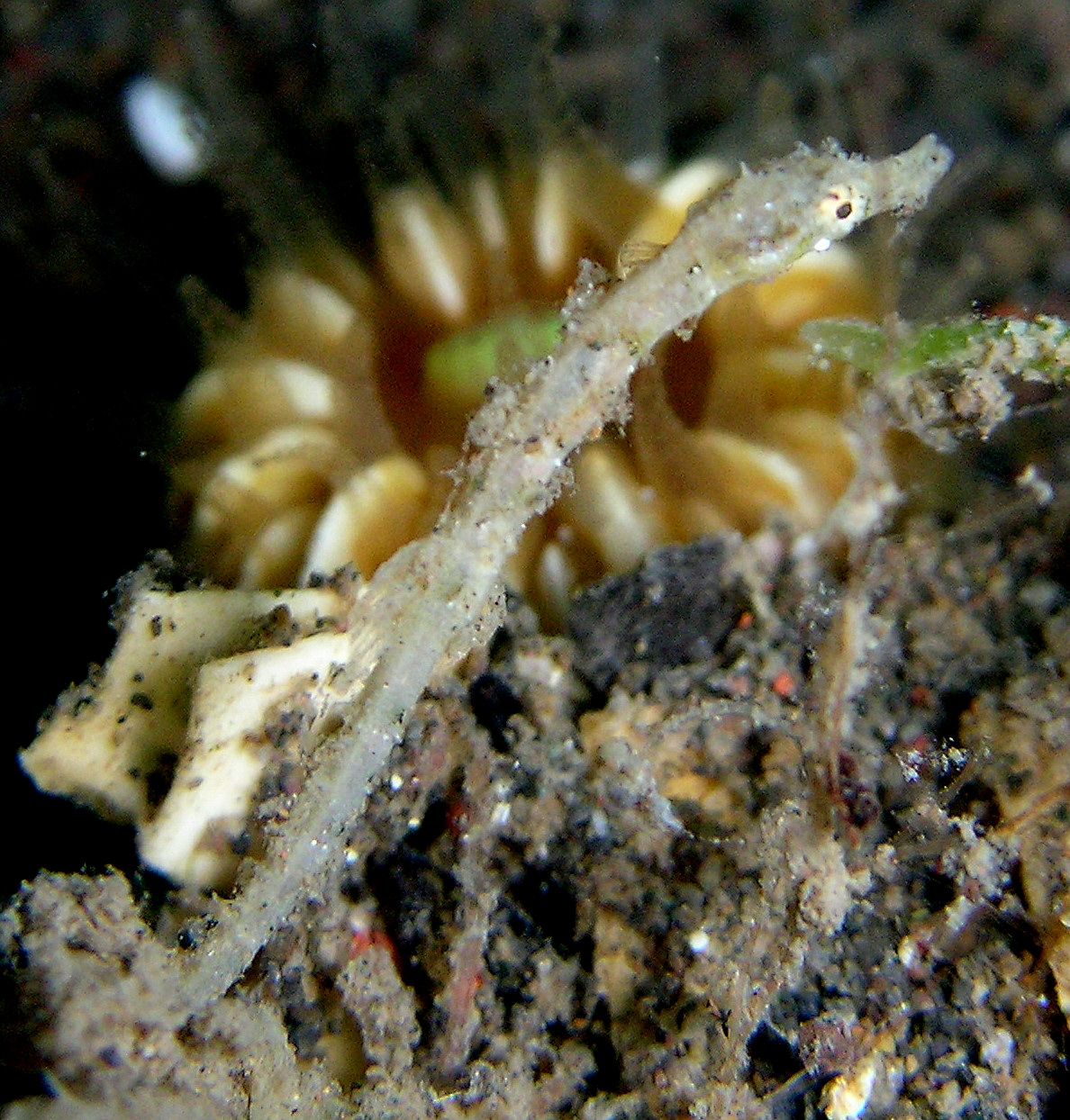
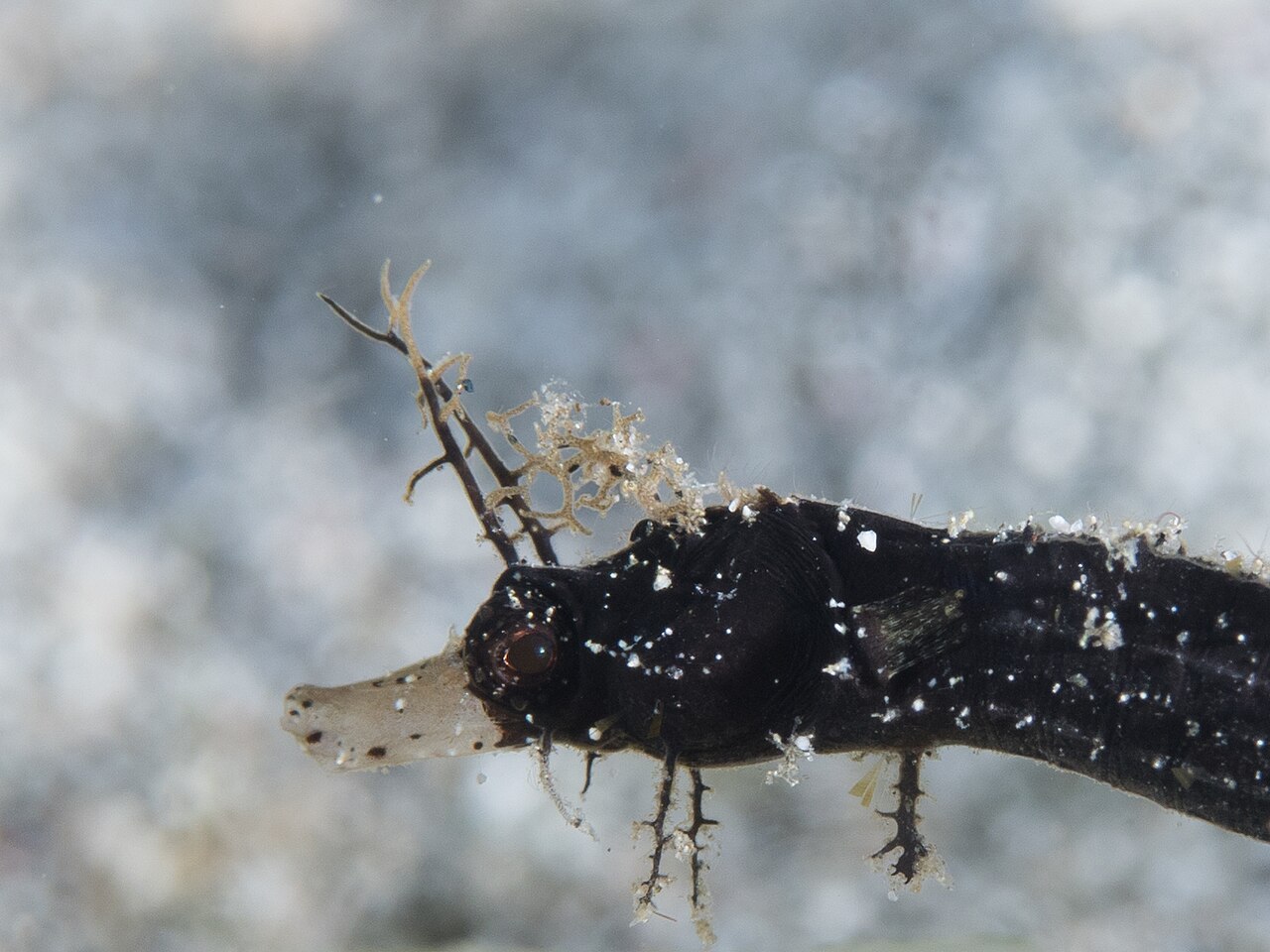
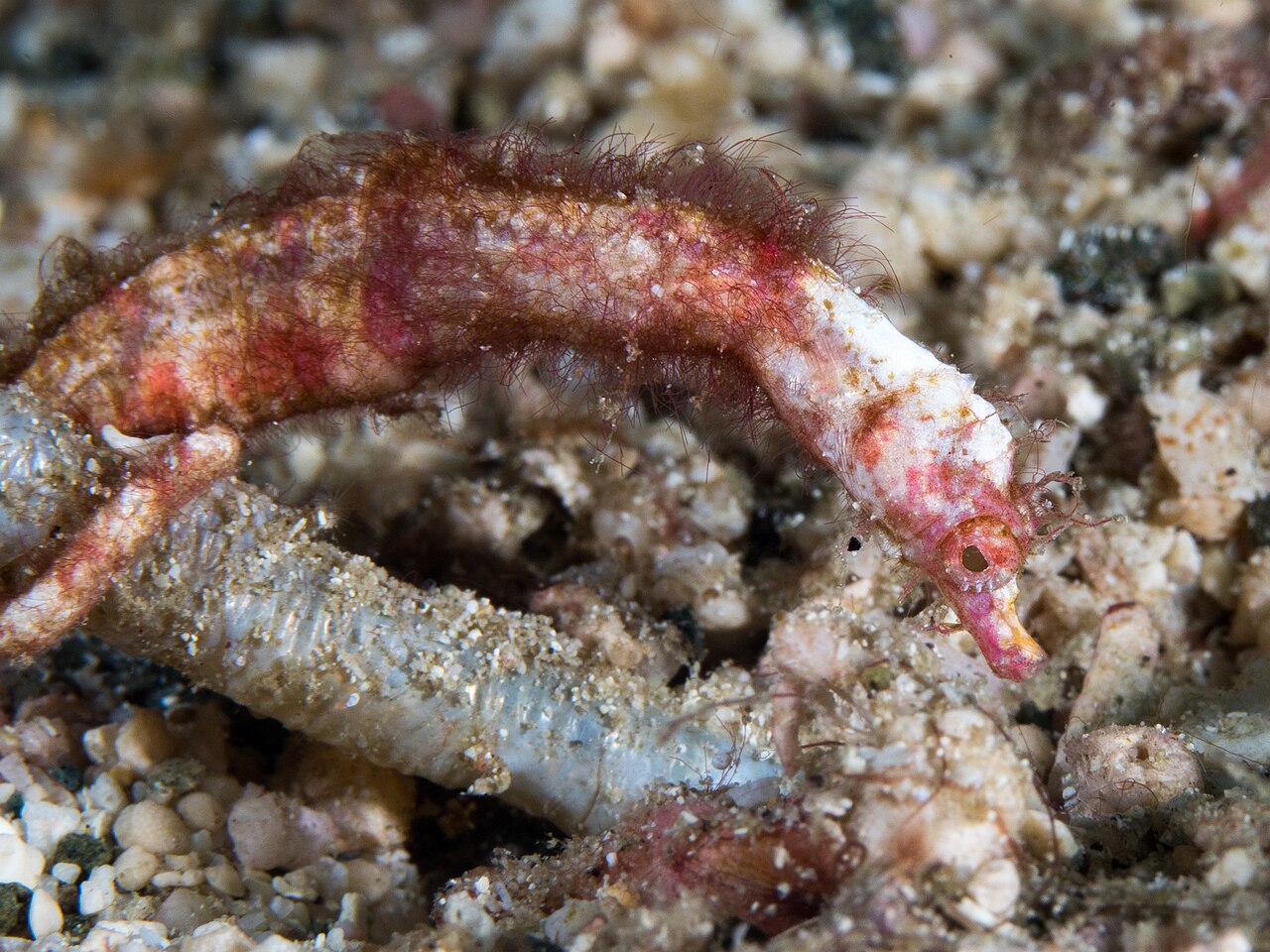
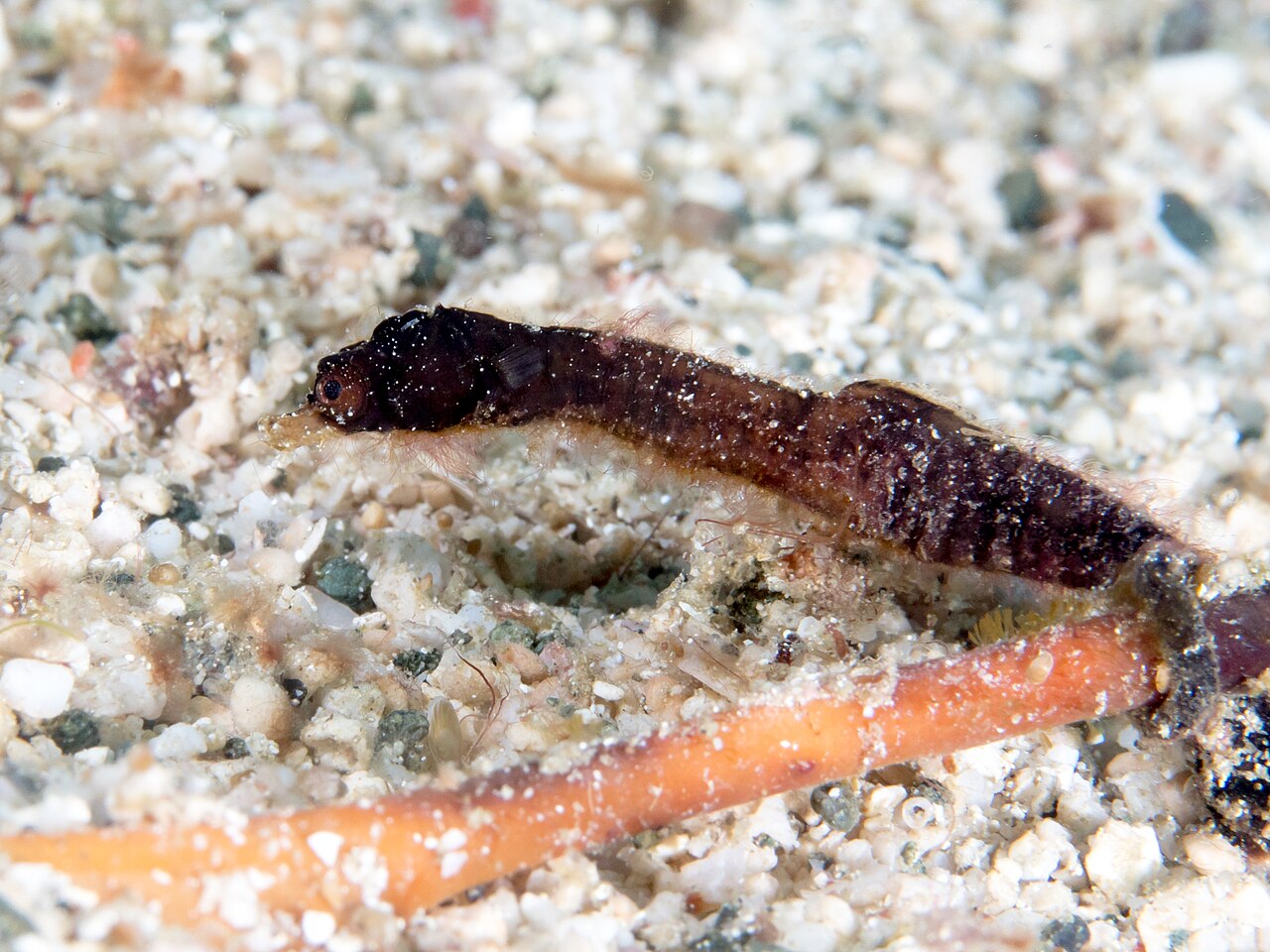
Acentronura breviperula, also known as the shortpouch pygmy pipehorse, dwarf pipehorse and northern little pipehorse, is a species of pygmy pipehorse, a member of the family Syngnathidae, the seahorses and pipefishes. It occurs in the Indo-Pacific region from the eastern Andaman Sea, through the Malay Archipelago to the Western Pacific as far east as New Guinea and the northern Great Barrier Reef.
- Scientific name
- Acentronura breviperula
- Authority
- Fraser-Brunner & Whitley, 1949
- Family
- Syngnathidae
- Order
- Syngnathiformes
- Maximum length
- 5 cm
- Depth range
- 1–47 m
- Habitat zone
- reef-associated
- Gbif occurrence records
- 220
Taxonomic Identity and the Species Debate
Acentronura breviperula occupies an uncertain position in the classification of pygmy pipehorses. While it is recognized as a distinct name within the family Syngnathidae, its standing as a separate species remains a point of active disagreement among taxonomic authorities. A significant number of researchers do not treat it as an independent entity at all; instead, they fold it entirely into Acentronura tentaculata, effectively rendering the name breviperula a synonym rather than a valid species designation. This means that depending on which authority one consults, the animal may be listed as its own species or simply as a variant within a broader, more widely recognized taxon. The debate underscores how difficult it can be to draw clear boundaries between closely related pipehorse forms, particularly when morphological differences are subtle and geographic overlap complicates the picture. For anyone studying or cataloguing Syngnathidae, the breviperula question remains an open thread rather than a settled entry in the taxonomic record.
A Contested Geographic Range
The question of where Acentronura breviperula actually lives is as unsettled as its very existence as a separate name. One school of thought places the species across a vast stretch of the western Indo-Pacific, a range that would extend from the coastal waters off East Africa all the way to New Caledonia and the northern reaches of the Great Barrier Reef. Under that interpretation, the pygmy pipehorse would be a wide-ranging inhabitant of tropical and subtropical seas spanning thousands of kilometres. A competing view, however, is far more restrictive. Authorities who do not recognise breviperula as distinct instead describe the related Acentronura tentaculata as endemic to the Red Sea, confining the entire group to a single, geographically bounded body of water. The contrast between a pan-Indo-Pacific distribution and a Red Sea–only range is enormous, and it highlights how much the species' perceived ecology and conservation profile shift depending on which taxonomic framework a researcher adopts.
Place Within the Pipehorse Family
Acentronura breviperula belongs to the family Syngnathidae, the large and diverse group that encompasses seahorses, pipehorses, and their close relatives. Within that family, it is specifically classified as a pygmy pipehorse, a designation that signals its position among the smaller members of the Syngnathidae rather than the more familiar, larger pipehorse forms. Its closest named relative in the available literature is Acentronura tentaculata, a species that carries several common names reflecting its diminutive build: shortpouch pygmy pipehorse, northern little pipehorse, and dwarf pipehorse. The repeated use of words like pygmy, little, and dwarf across these names paints a consistent picture of a small-bodied animal within the pipehorse lineage. The genus Acentronura itself groups these tiny representatives together, distinguishing them from other Syngnathidae genera that include larger or morphologically different species. Understanding breviperula therefore requires placing it firmly within this broader family context, where its small size and pygmy classification are defining features.
Names, Synonyms, and the Language of Taxonomy
The naming history of Acentronura breviperula is inseparable from the taxonomic dispute surrounding it. The specific epithet breviperula identifies the animal as a distinct species in certain classifications, yet a substantial body of authority treats it as nothing more than a junior synonym absorbed into Acentronura tentaculata. That parent species, in turn, is known by a cluster of common names that all emphasise its small stature: shortpouch pygmy pipehorse, northern little pipehorse, and dwarf pipehorse. The variety of colloquial labels suggests that the animal has been observed and described in different regions or by different research traditions, each community settling on its own descriptive shorthand. Meanwhile, the scientific name breviperula sits in tension with tentaculata, two Latin designations that represent competing views of whether one is looking at a single widespread species or two separate ones. For a fan or enthusiast trying to identify this creature in the field or in a museum collection, the nomenclature alone can be a source of genuine confusion, and the correct label to use depends entirely on which taxonomic authority one follows.
Gallery
Frequently Asked Questions
What is Acentronura breviperula?
Acentronura breviperula is a tiny marine fish commonly called the shortpouch pygmy pipehorse or dwarf pipehorse. It belongs to the seahorse and pipefish family (Syngnathidae) and was first formally described by Fraser-Brunner and Whitley in 1949.
Where is Acentronura breviperula found?
This species ranges across the Indo-Pacific, stretching from the eastern Andaman Sea through the Malay Archipelago and eastward to New Guinea and the northern Great Barrier Reef.
How large does Acentronura breviperula grow?
Adults reach a maximum total length of about 5 centimeters, making it one of the smallest members of the pipehorse group.
What is the taxonomic classification of Acentronura breviperula?
It sits in the order Syngnathiformes, family Syngnathidae, and is classified as a species of pygmy pipehorse. The binomial name was established by Fraser-Brunner and Whitley in their 1949 description.
At what depths does Acentronura breviperula live?
This little pipehorse has been recorded from shallow waters down to roughly 47 meters, spanning a depth range of approximately 1 to 47 meters.
Spotted an error? Know more?
Reader corrections go straight into our review queue. Suggest an edit · How this site is sourced