
Hatred (video game)
A controversial isometric shooter about a genocide crusade.

STEPHVE · CC BY 2.0
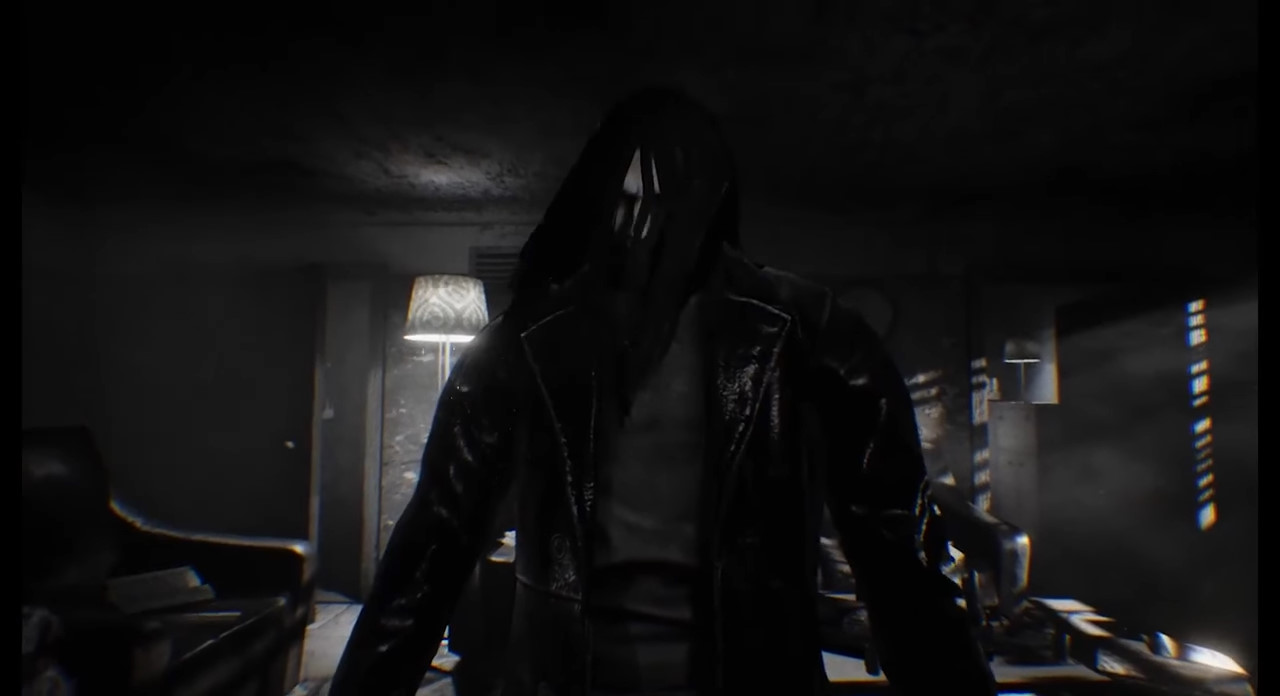
Hatred is an isometric shoot 'em up video game from the Polish studio Destructive Creations, released on June 1, 2015, for Microsoft Windows. Players take on the role of a misanthropic mass-killer called "The Antagonist" or "Not Important," who sets out on a "genocide crusade" to kill as many people as possible. The developer described the game as a reaction against trends in video games like political correctness, politeness, bright colors, and the idea of games as art. Its announcement trailer in October 2014 was called "controversial" by many game journalists. Valve briefly removed the game from Steam Greenlight because of its extreme violence, but later brought it back with a personal apology from Gabe Newell. It was greenlit a second time on December 29, 2014, and released on June 1, 2015.
Upon release, Hatred received mostly negative reviews from the video game press. Critics found the game repetitive and lacking variety, and they criticized its violent and controversial content, though a few praised its gameplay mechanics.
The gameplay is a shooter from an isometric perspective. The protagonist hates the world and the "human worms" living on it, and he begins a genocide crusade against all of humanity. The player can carry three weapons, some grenades, and drive certain vehicles. Health regenerates by executing incapacitated people—these kills often switch to cinematic camera angles, but a "safe execution" option lets the character simply shoot the victim from above, similar to the original Postal and its Redux. If the character dies, the level restarts unless the player has completed sidequests that grant a few respawn points. The character's voice acting is minimal, and his ideology and motivations are mostly left open to interpretation.
The plot follows a man known only as "Not Important." Disgusted by human society and existence, he decides to go on a one-way killing spree in New York City. Starting in his neighborhood and moving to 1 Police Plaza, he kills dozens of civilians and NYPD officers, which prompts a government response. After escaping by train, he plans to commit suicide and kill millions by blowing up a nearby nuclear power plant. He obtains Composition C plastic explosive by storming Fort O'Connor military base and wiping out everyone there.
Quick Facts
- Title
- Hatred
- Developer
- Destructive Creations
- Director
- Jarosław Zieliński
- Designer
- Jakub Stychno · Arkadiusz Filip
- Programmer
- Piotr Bąk · Tomasz Widenka
- Writer
- Herr Warcrimer
- Composer
- Adam Skorupa
- Engine
- Unreal Engine 4
- Platforms
- Windows, Linux
- Released
- June 1, 2015
- Genre
- Shoot 'em up
- Modes
- Single-player
Facts from the source article.
Lore & Background
Hatred was the first game by Destructive Creations, a Polish developer based in Gliwice, whose staff previously worked at The Farm 51. The developer described the game as a reaction to trends of political correctness, politeness, vivid color, and video games as art, aiming to recall the industry's history as a rebellious medium with surface-level entertainment. The player character's dialogue was written by Herr Warcrimer, vocalist of Polish black metal band Infernal War and industrial blackened death metal band Iperyt, whose song 'Particular Hatred' appears in the game. The voice actor used the pseudonym 'Clint Westwood' to remain anonymous. Instrumental songs from Norwegian death metal band Blood Red Throne also appear in the soundtrack.
The plot follows a man known only as 'Not Important', who, disgusted by human society, commits a one-way killing spree in New York City. After killing dozens of civilians and NYPD officers, he escapes by train, then storms a military base to obtain plastic explosives, and finally plants them on a nuclear reactor. As he dies from gunshot wounds, he activates the explosive trigger, leveling New York City and killing millions. The game's isometric perspective allows the player to carry three weapons and grenades, drive vehicles, and regenerate health by performing executions on incapacitated people, which can involve cinematic camera switches or a toggleable 'safe execution' where the character simply shoots the victim.
Upon its October 2014 announcement, the trailer was characterized as controversial by multiple video game journalists. Valve removed the game from Steam Greenlight shortly after, but later brought it back with a personal apology from Gabe Newell. It was greenlit on December 29, 2014. The game received an 'Adults Only' rating from the ESRB in January 2015, making it the third video game to receive that rating for extreme violence rather than sexual content, and the only one with no sexual content at all. A developer disputed the rating, calling it 'some kind of achievement' even though they were 'not quite convinced' due to its association with sexually explicit games.
Reader's Guide
Hatred's significance lies primarily in its status as a lightning rod for debates about violent content in video games. Its announcement trailer provoked genuine revulsion from outlets like Polygon, and the game was banned from Twitch due to its AO rating. The developer's stated intent—to push back against perceived trends of political correctness and games as art—positioned Hatred as a deliberate provocation rather than a conventional entertainment product. Critics panned the game for being repetitive and lacking variation, though some acknowledged its gameplay mechanics. The game's AO rating effectively prevented mainstream retail distribution in the United States and barred it from console platforms, as all three major console manufacturers forbid AO-rated games. Hatred remains notable as the only game to receive an AO rating with no sexual content, and its journey through Steam Greenlight—removed, then reinstated with an apology from Valve's co-founder—highlighted the tensions between platform policies and developer expression. Post-release, the game received free downloadable content titled Survival in September 2015, adding new maps, characters, difficulty modes, and cheat options. In October 2019, a spin-off comic book series was released in conjunction with Behemoth Comics. A Nintendo Switch port was announced in April 2020, but as of 2026, it has not been released.
Did You Know?
- The game was temporarily removed from Steam Greenlight after its announcement trailer, then reinstated with a personal apology from Gabe Newell.
- The Unreal Engine 4 logo was removed from the game's trailer at the request of Epic Games.
The Steam Greenlight Firestorm
The October 2014 announcement trailer for Hatred immediately drew fire from video game journalists who labeled it controversial. Destructive Creations CEO Jarosław Zieliński later admitted he hadn't anticipated the sheer magnitude of the backlash, nor the surprising volume of supportive fan mail that poured in. He maintained the trailer hadn't crossed a moral line and that anyone who objected simply needed to look elsewhere. The controversy escalated sharply when Valve pulled the game from Steam Greenlight on December 15, 2014, with a company representative stating they would not publish Hatred. The very next day, the title was restored to the service, and Gabe Newell personally sent an apology to the development team. The incident only amplified the game's profile; it became the most-voted title on the platform and was officially greenlit on December 29, 2014. The episode became a recurring touchstone in industry discussions about content moderation on digital storefronts.
Gameplay and the Philosophy of Joylessness
Hatred presents an isometric shooter in which the player embodies a mass-murdering villain who despises humanity and sets out on what the game calls a genocide crusade. The player can wield three weapons, throw grenades, and drive vehicles through levels. A distinctive mechanic ties survival directly to violence: health regenerates only through performing executions on downed victims, which trigger cinematic camera shifts or a simpler safe execution where the character points his gun downward and fires, echoing the original Postal. If the player dies, the entire level restarts unless sidequests have unlocked limited respawn points. The character's voice acting is deliberately sparse, leaving his ideology open to interpretation. Destructive Creations framed the game as a rejection of what they saw as industry trends toward political correctness, pastel palettes, and games-as-art, aiming instead for a rebellious medium with no fake philosophy inserted. The dark ambient score and joyless character design were crafted to provoke the question why rather than provide answers.
The Plot of Not Important
The story follows a man identified only as Not Important, a misanthrope who decides to take a one-way trip through New York City, killing as many people as possible before ending his own life. His spree begins in his neighborhood and escalates to 1 Police Plaza, where he mows down civilians and NYPD officers, triggering a government response. After escaping by train, he formulates a plan to kill millions by detonating a nuclear power plant near the city. To do this, he storms Fort O'Connor military base to steal Composition C plastic explosive, wiping out the entire installation. He then infiltrates the power plant, plants the charge on the reactor, and attempts to overload it via the security system. Whether or not his plan succeeds, soldiers converge and shoot him repeatedly in the chest. As he dies, laughing, he triggers the explosive. The plant detonates, leveling New York City and killing millions. The narrative offers no redemption, no moral lesson, just a man's final act of hatred made absolute.
A Polish Studio and a Metal-Soaked Soundtrack
Hatred is the debut title of Destructive Creations, a small studio based in Gliwice, Poland, whose staff largely came from fellow Polish developer The Farm 51. The team chose to target only Microsoft Windows, citing their limited size, and aimed for distribution through Steam and GOG.com. The game runs on Unreal Engine 4 with Nvidia PhysX physics, though Epic Games requested the Unreal logo be removed from the promotional trailer. The player character's dialogue was penned by Herr Warcrimer, vocalist for Polish black metal bands Infernal War and Iperyt, whose track Particular Hatred appears in the game. The character's voice was performed by an actor using the pseudonym Clint Westwood, who reportedly wished to remain anonymous. Instrumental compositions from Norwegian death metal band Blood Red Throne also feature in the soundtrack. In January 2015, the ESRB assigned an Adults Only rating, effectively barring mainstream U.S. retail and all three major console platforms. A Nintendo Switch port was announced in April 2020 but, as of 2026, has not materialized.
Gallery



Frequently Asked Questions
What is Hatred (video game)?
Hatred is an isometric top-down shooter created by the Polish studio Destructive Creations, released for Windows on June 1, 2015. You play as a misanthropic mass-killer on a self-described 'genocide crusade,' with the sole objective of slaughtering as many civilians as possible.
Who is the protagonist of Hatred (video game)?
The player character is referred to as 'The Antagonist' or 'Not Important,' a deeply misanthropic killer with no hero arc or redemption. There is no traditional narrative motivation beyond the desire to kill every person encountered.
What engine and platform does Hatred (video game) use?
The game was built on Unreal Engine 4 and shipped exclusively for Microsoft Windows. It carries an ESRB Adults Only (AO) rating reflecting its extreme violent content.
Why was Hatred (video game) controversial?
The developer positioned the title as a deliberate backlash against what they perceived as rising political correctness, pastel aesthetics, and the 'games as art' trend in the industry. Its October 2014 announcement trailer drew sharp criticism from journalists, and Valve briefly removed the game from Steam.
More in Shoot 'Em Ups 1-23
Spotted an error? Know more?
Reader corrections go straight into our review queue. Suggest an edit · How this site is sourced