Radio telescope
Specialized antenna and receiver for detecting cosmic radio waves.

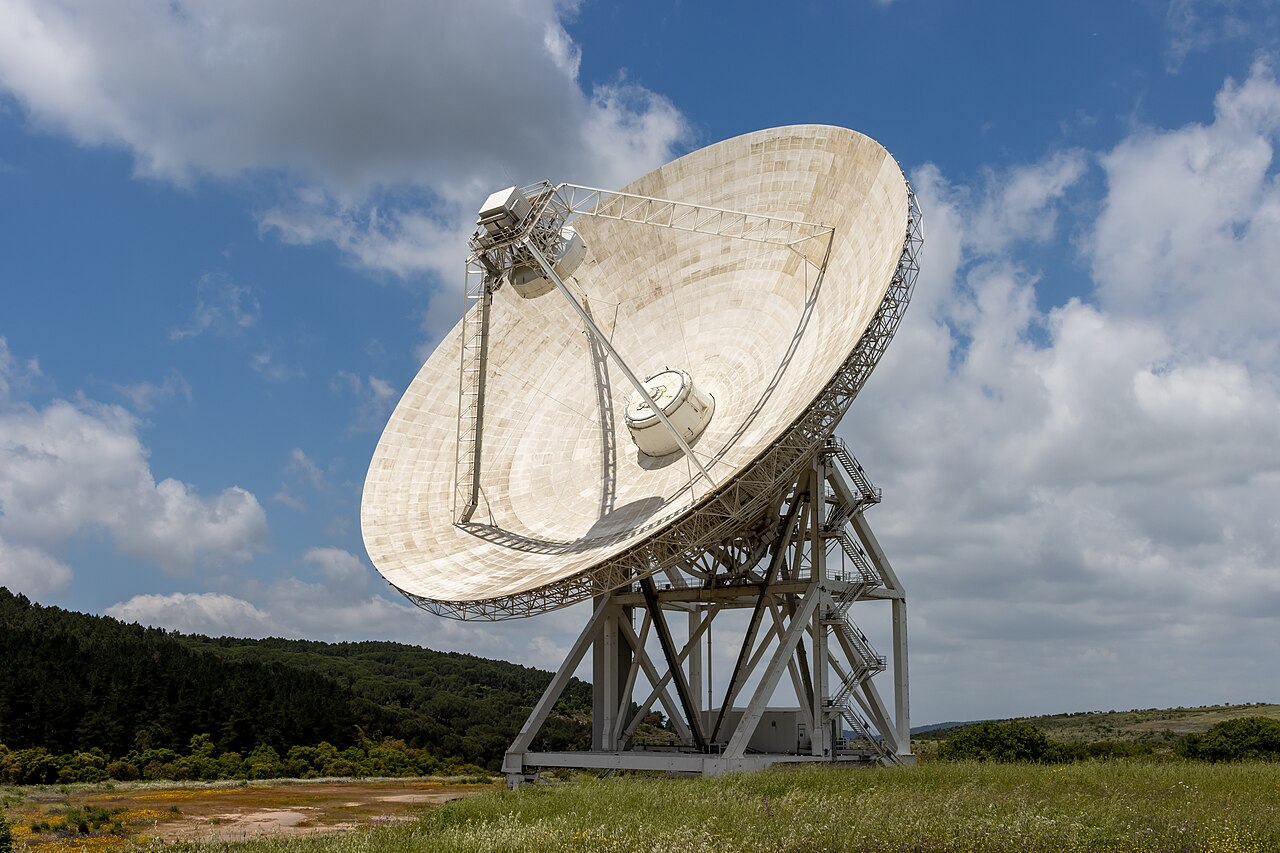
Photograph by Mike Peel ( www.mikepeel.net ). · CC BY-SA 4.0
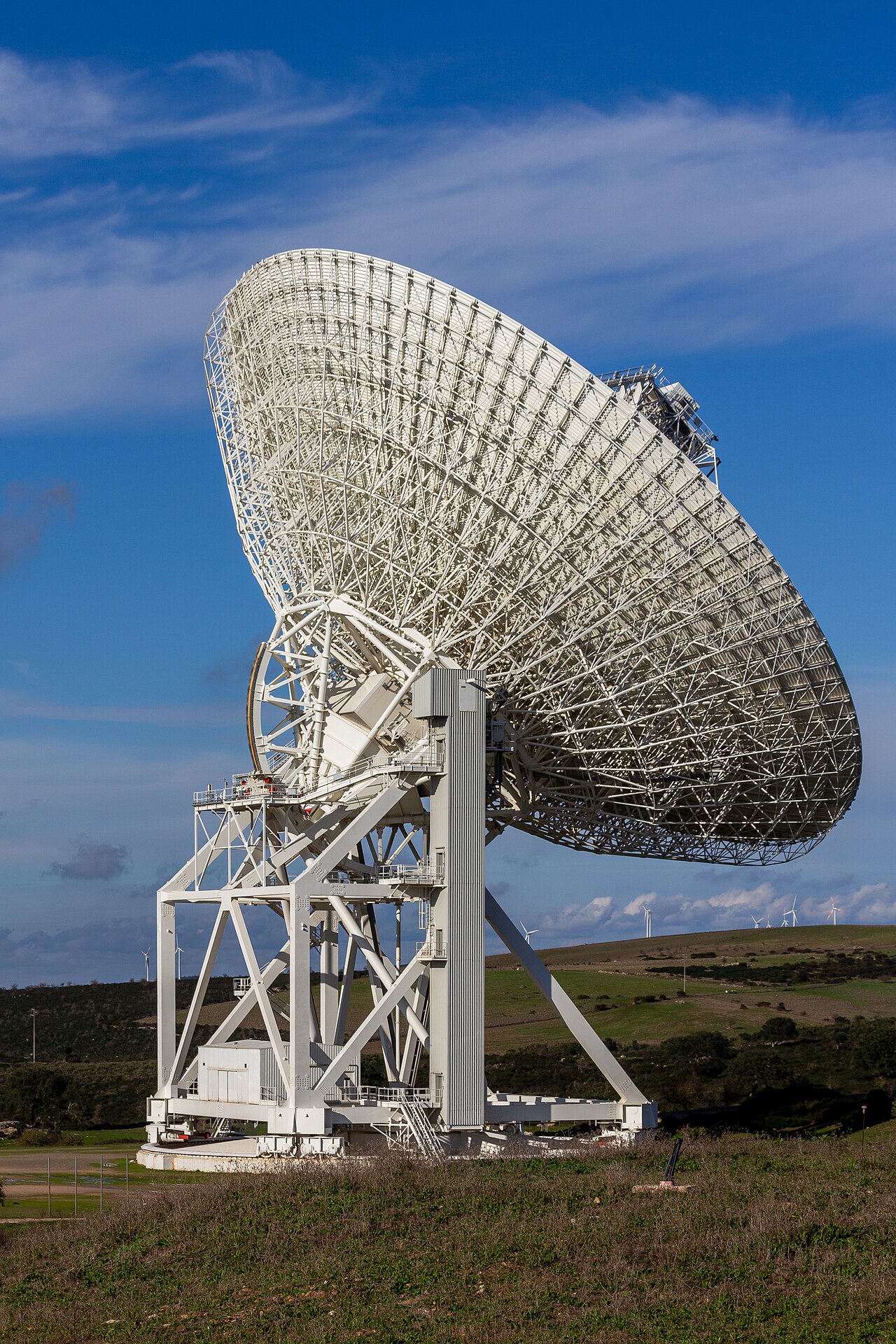
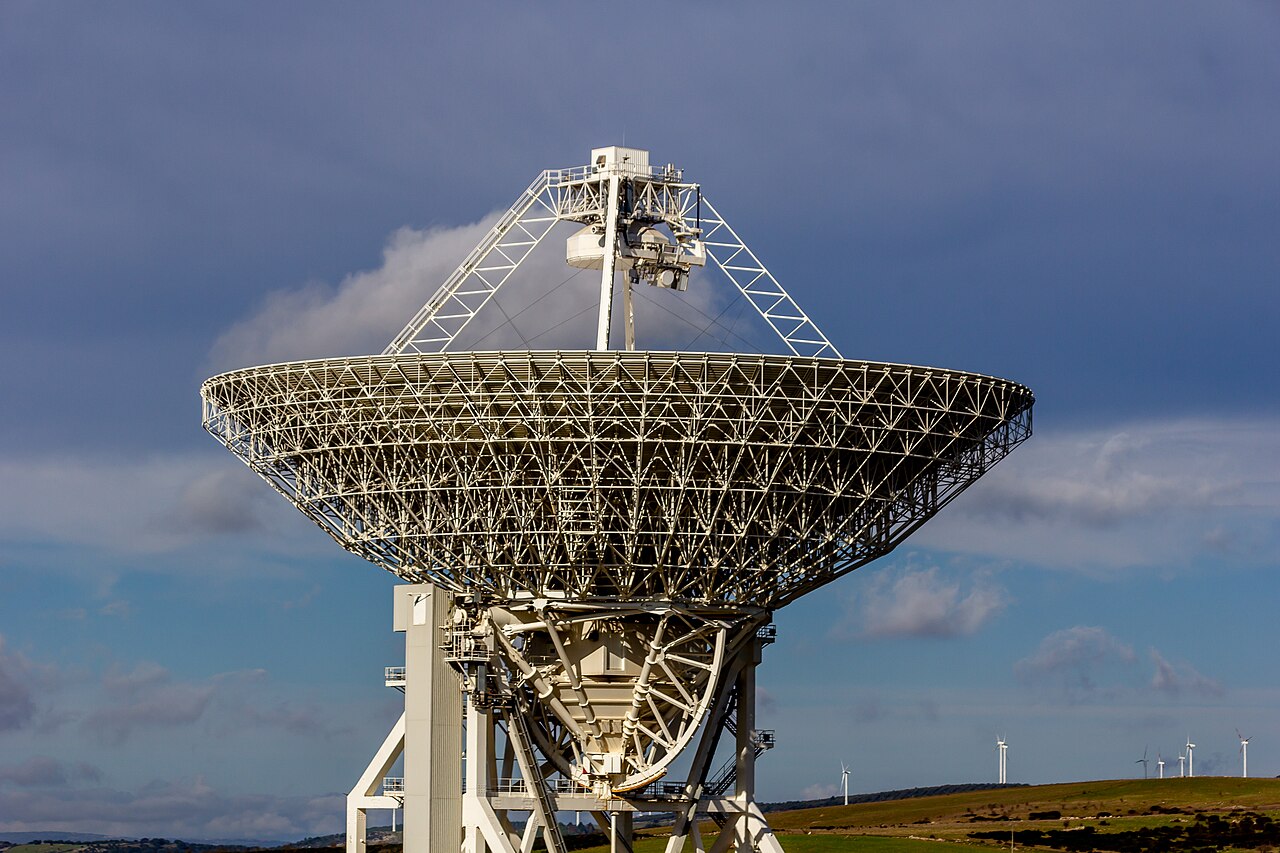
A radio telescope is a specialized antenna and radio receiver designed to detect faint radio waves emitted by astronomical objects in the sky. It serves as the primary tool for radio astronomy, which focuses on the radio frequency portion of the electromagnetic spectrum, much like optical telescopes observe visible light. One advantage over optical telescopes is that radio telescopes can operate equally well during the day and at night. Because celestial radio sources—such as planets, stars, nebulas, and galaxies—are extremely distant, their radio signals are incredibly weak. To capture enough energy for study, radio telescopes must have very large antennas and highly sensitive receiving equipment.
The first detection of radio waves from space was made in 1932 by engineer Karl Guthe Jansky at Bell Telephone Laboratories in Holmdel, New Jersey, using an antenna originally built to investigate radio receiver noise. Jansky’s antenna was an array of dipoles and reflectors designed for 20.5 MHz signals, mounted on a turntable that allowed it to rotate in any direction—earning it the nickname “Jansky’s merry-go-round.” It measured about 100 feet (30 meters) in diameter and stood 20 feet (6 meters) tall. After months of recording signals from all directions, Jansky categorized the static into three types: nearby thunderstorms, distant thunderstorms, and a faint, steady hiss of unknown origin. This hiss repeated every 23 hours and 56 minutes—the length of a sidereal day—leading him to conclude it came from outside the Solar System. By comparing his data with optical maps, he determined the radiation originated from the Milky Way, strongest toward the constellation Sagittarius.
The first purpose-built radio telescope was constructed in 1937 by amateur radio operator Grote Reber in his backyard in Wheaton, Illinois. It was a 9-meter (30-foot) parabolic dish. Reber repeated Jansky’s work, confirming the Milky Way as an off-world radio source, and conducted the first sky survey at very high radio frequencies, discovering additional sources. The rapid advancement of radar technology during World War II later fueled the growth of radio astronomy, leading universities and research institutes to build large radio telescopes.
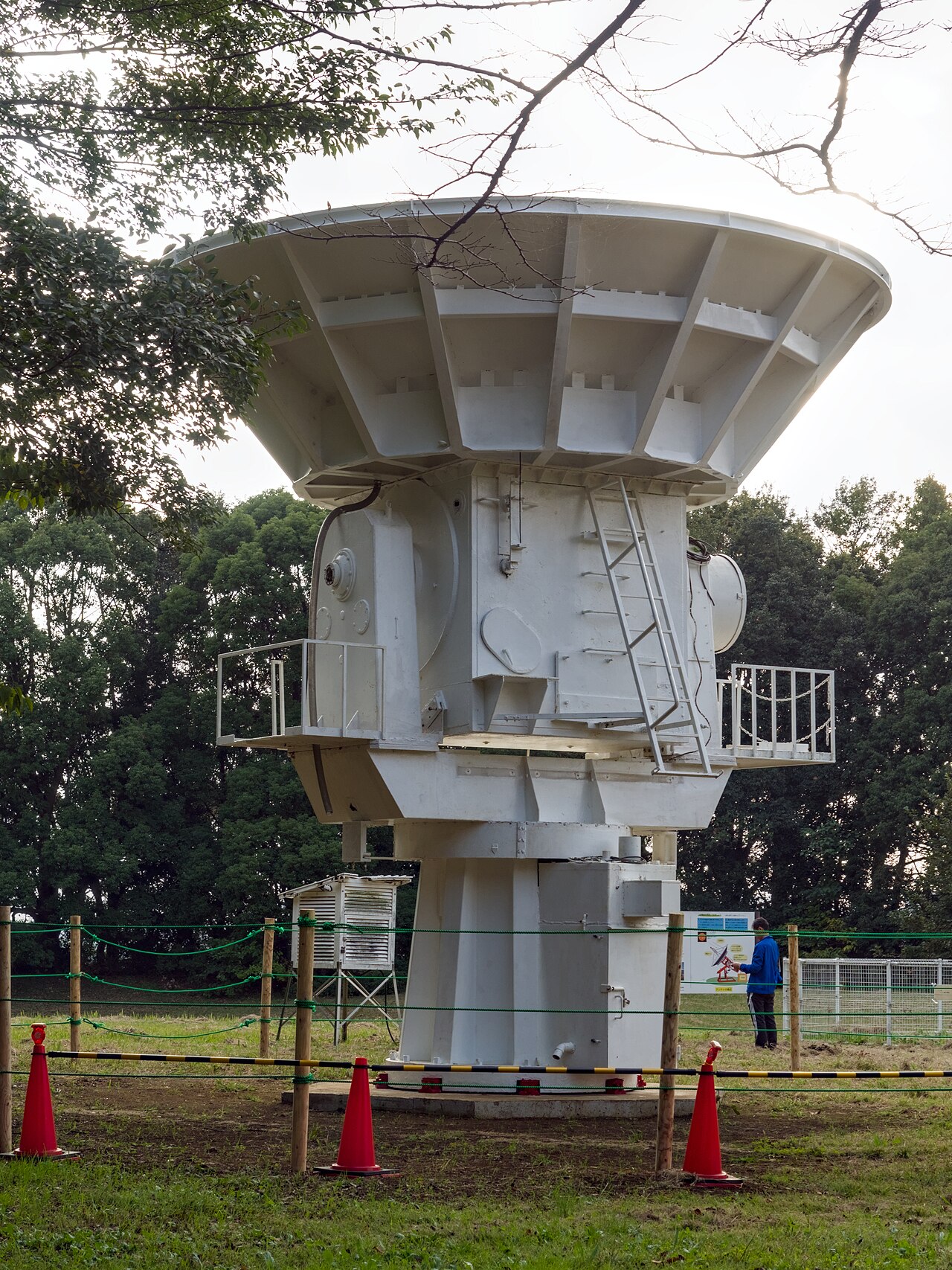
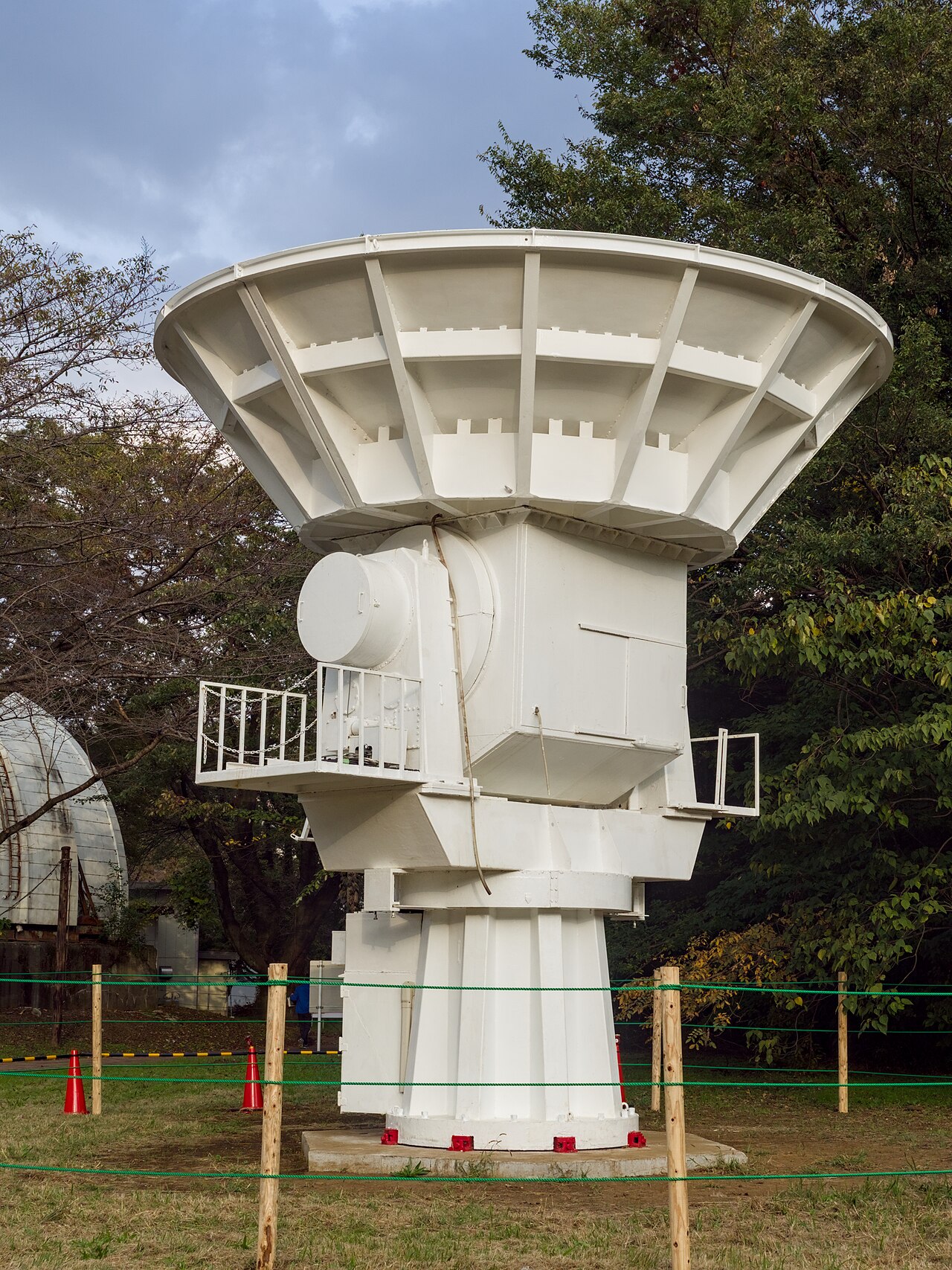
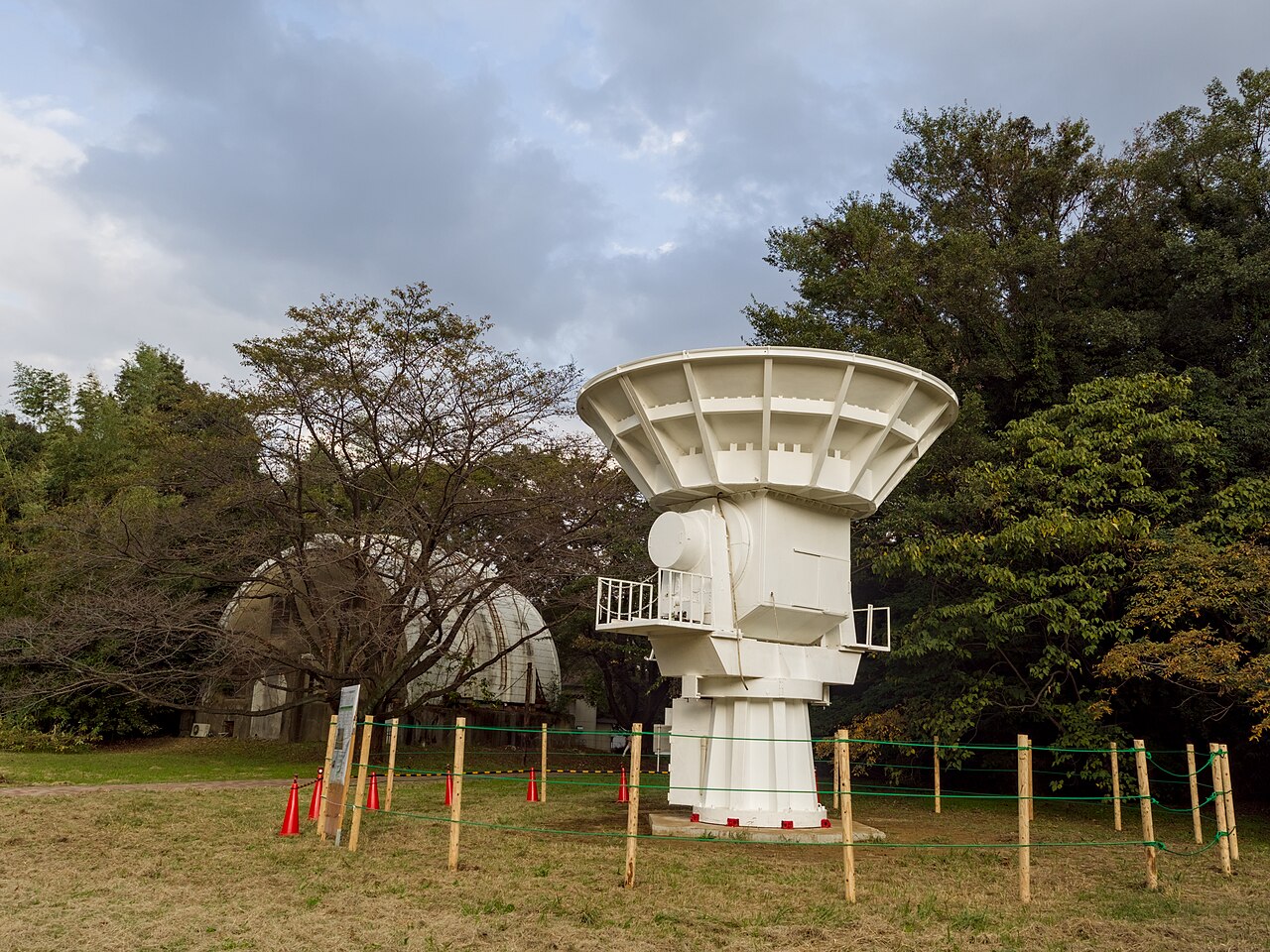
Radio telescopes come in various designs, sizes, and configurations because the radio spectrum spans a huge range of frequencies. For wavelengths from 30 meters to 3 meters (10–100 MHz), antennas are often directional arrays similar to TV antennas or large stationary reflectors with movable focal points. At these long wavelengths, reflector surfaces can be made from coarse wire mesh like chicken wire. At shorter wavelengths, parabolic dish antennas are most common. The angular resolution of a dish depends on the ratio of its diameter to the wavelength observed. Telescopes operating at wavelengths of 3 meters to 30 cm (100 MHz to 1 GHz) are typically over 100 meters in diameter, while those working at wavelengths shorter than 30 cm (above 1 GHz) range from 3 to 90 meters in diameter.
Radio observatories are usually built far from major population centers to avoid electromagnetic interference from radio, television, radar, vehicles, and other man-made electronics. The increasing use of radio frequencies for communication makes astronomical observations more difficult, and efforts to protect frequency allocations for science are coordinated by the Scientific Committee on Frequency Allocations for Radio Astronomy and Space Science. Notable frequency bands used by radio telescopes include the United States National Radio Quiet Zone, Channel 37 (608–614 MHz), the hydrogen line at 1,420.40575177 MHz (used by The Big Ear to detect the Wow! signal), 1,406 MHz, 430 MHz, and the Waterhole band (1,420–1,666 MHz). The Arecibo Observatory had multiple receivers covering various frequencies.
- largest fully steerable dish radio teles
- 100-meter Green Bank Telescope in West Virginia, USA (constructed 2000)
- second largest filled-aperture telescope
- Arecibo radio telescope in Puerto Rico (collapsed 1 December 2020)
Lore & Background
The rapid development of radar during World War II created technology applied to radio astronomy after the war, and radio astronomy became a branch of astronomy, with universities and research institutes constructing large radio telescopes.
Reader's Guide
Radio telescopes are essential for studying the radio frequency portion of the electromagnetic spectrum, complementing optical astronomy. They are typically large parabolic dish antennas, used individually or linked in arrays. Radio observatories are preferentially located far from major population centers to avoid electromagnetic interference from man-made devices. The range of frequencies in the radio spectrum is very large, so antenna designs vary widely: at longer wavelengths, directional arrays or large stationary reflectors with movable focal points are used; at shorter wavelengths, parabolic dishes predominate. The angular resolution of a dish is determined by the ratio of its diameter to the wavelength observed. signal. The increasing use of radio frequencies for communication makes astronomical observations more difficult, and negotiations to defend frequency allocation are coordinated by the Scientific Committee on Frequency Allocations for Radio Astronomy and Space Science.
Did You Know?
- The Arecibo radio telescope, which collapsed on 1 December 2020, was one of the few radio telescopes also capable of active radar imaging of near-Earth objects.
From Static to Stars
The story of radio astronomy begins not with a quest for the cosmos but with a mundane engineering problem. In 1932, Karl Guthe Jansky, working at Bell Telephone Laboratories in Holmdel, New Jersey, was tasked with identifying sources of static that disrupted radiotelephone service. His solution was a rotating array of dipoles and reflectors tuned to 20.5 MHz, roughly 100 feet across and 20 feet tall, mounted on a turntable that let him sweep the sky in every direction. Colleagues nicknamed it "Jansky's merry-go-round." After months of logging signals from all directions, he sorted the interference into nearby thunderstorms, distant storms, and a faint, steady hiss of unknown origin. That hiss repeated on a 23-hour, 56-minute cycle—the sidereal day—telling him the source was fixed on the celestial sphere. Cross-referencing with optical star charts, Jansky traced the radiation to the Milky Way, strongest toward Sagittarius. Five years later, amateur radio operator Grote Reber built a 9-meter parabolic dish in his Wheaton, Illinois backyard, confirmed the galactic source, and carried out the first high-frequency sky survey, effectively founding the discipline.
Engineering Diversity Across the Spectrum
Because the radio portion of the electromagnetic spectrum spans an enormous range of wavelengths, no single antenna design can serve all observations. At the long-wavelength end—30 meters down to 3 meters, corresponding to 10 to 100 MHz—telescopes typically take the form of directional antenna arrays resembling oversized television antennas, or large stationary reflectors equipped with movable focal points. Since the wavelengths involved are so long, the reflecting surfaces can be built from coarse wire mesh, something as simple as chicken wire, rather than solid metal. Move to shorter wavelengths and the picture changes dramatically: parabolic dish antennas become the dominant configuration. The angular resolution of any dish is governed by the ratio of its diameter to the wavelength under observation, a relationship that dictates just how large the structure must be to achieve useful detail. Instruments operating between 3 meters and 30 centimeters (100 MHz to 1 GHz) are generally well over 100 meters in diameter, while those probing wavelengths shorter than 30 centimeters (above 1 GHz) range from 3 to 90 meters across.
The Fight for Quiet Frequencies
Radio waves arriving from planets, stars, nebulae, and distant galaxies are extraordinarily faint, which is why radio telescopes demand both very large collecting antennas and extremely sensitive receiving electronics. That sensitivity creates a vulnerability: any nearby electromagnetic noise can drown out the signal. For this reason, radio observatories are deliberately sited far from major population centers, keeping them away from the constant electromagnetic interference generated by radio and television broadcasts, radar systems, motor vehicles, and countless other electronic devices. The problem is intensifying as more of the radio spectrum gets allocated to commercial and military communications. In the United States, a National Radio Quiet Zone exists to protect observation bands. Internationally, the Scientific Committee on Frequency Allocations for Radio Astronomy and Space Science coordinates negotiations to defend the portions of the spectrum most valuable for studying the universe. Key protected bands include Channel 37 (608–614 MHz), the 21-centimeter Hydrogen line at 1,420.40575177 MHz, the so-called Waterhole spanning 1,420 to 1,666 MHz, and specific allocations at 1,406 MHz and 430 MHz.
Monumental Scales and Pioneering Measurements
The drive to capture ever-fainter signals has produced instruments of staggering physical scale. China's Five-hundred-meter Aperture Spherical Telescope, completed in 2016, stands as the world's largest filled-aperture radio telescope, its 500-meter dish presenting a collecting area comparable to thirty football fields. At the other end of the engineering spectrum, the Arecibo Observatory housed multiple receivers that together covered the entire 1 to 10 GHz range, while the Wilkinson Microwave Anisotropy Probe mapped the cosmic microwave background radiation across five distinct frequency bands centered on 23, 33, 41, 61, and 94 GHz. The Hydrogen line at 1,420 MHz proved pivotal when the Big Ear telescope used it to detect the famous Wow! signal. Unlike their optical counterparts, radio telescopes impose no night-time restriction; they can observe the sky in full daylight as readily as under a star-filled night. Individual dishes may also be linked electronically into arrays, multiplying their effective collecting power and angular resolution far beyond what any single antenna could achieve.
Gallery
Frequently Asked Questions
What is a radio telescope?
A radio telescope is a purpose-built antenna paired with a highly sensitive receiver, engineered to capture faint radio-frequency signals emitted by objects in space. It serves as the primary instrument of radio astronomy, allowing scientists to study the universe in wavelengths invisible to the human eye.
How does a radio telescope differ from an optical telescope?
Unlike optical telescopes, which must wait for darkness, radio telescopes can observe the sky continuously, day or night, because sunlight does not block the radio waves they detect. They also depend on enormous dish structures and ultra-sensitive electronics rather than lenses or mirrors, since the signals they capture are incredibly faint.
Why do radio telescopes need such large antennas?
Astronomical radio sources are so distant that their signals arrive at Earth with extremely low strength, far weaker than the visible light from the same objects. To compensate, engineers build very large collecting dishes and pair them with highly sensitive receivers to pull a usable signal out of the background noise.
What is the largest fully steerable dish radio telescope in the world?
The 100-meter Green Bank Telescope in West Virginia, USA, holds that title and was completed in 2000. Its ability to point in any direction distinguishes it from fixed-aperture installations like the former Arecibo dish.
What happened to the Arecibo radio telescope?
The Arecibo radio telescope in Puerto Rico, once the second-largest filled-aperture dish on Earth, suffered a structural collapse on December 1, 2020. Its failure ended decades of groundbreaking observations and marked one of the most notable losses in radio astronomy history.
More in Science & Measurement 1-16
Spotted an error? Know more?
This is a living reference — every entry is fact-audited, and reader corrections feed straight into our audit queue. Suggest an edit · See this site's audit record