
Alraune
A novel about a soulless woman born from artificial insemination.

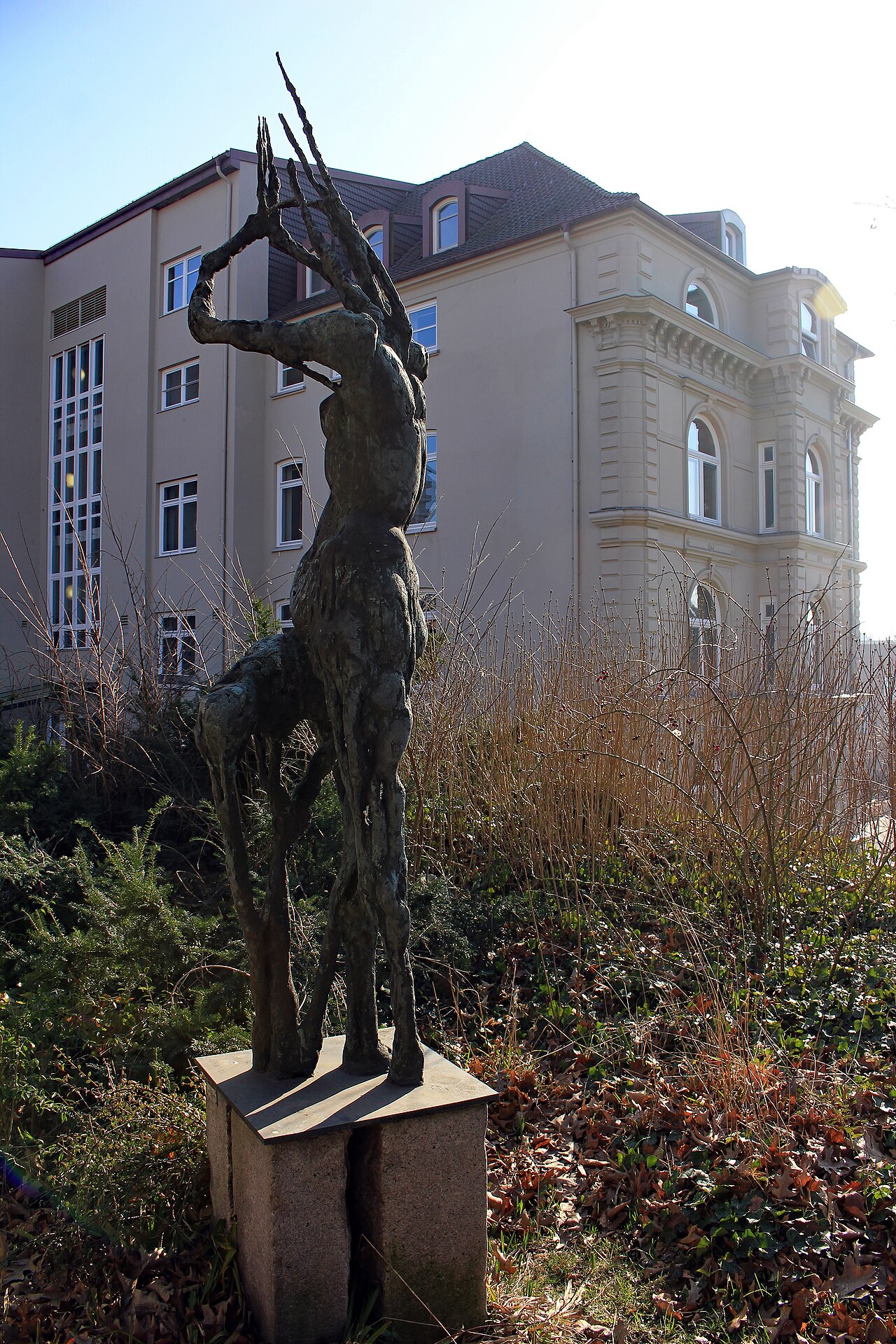
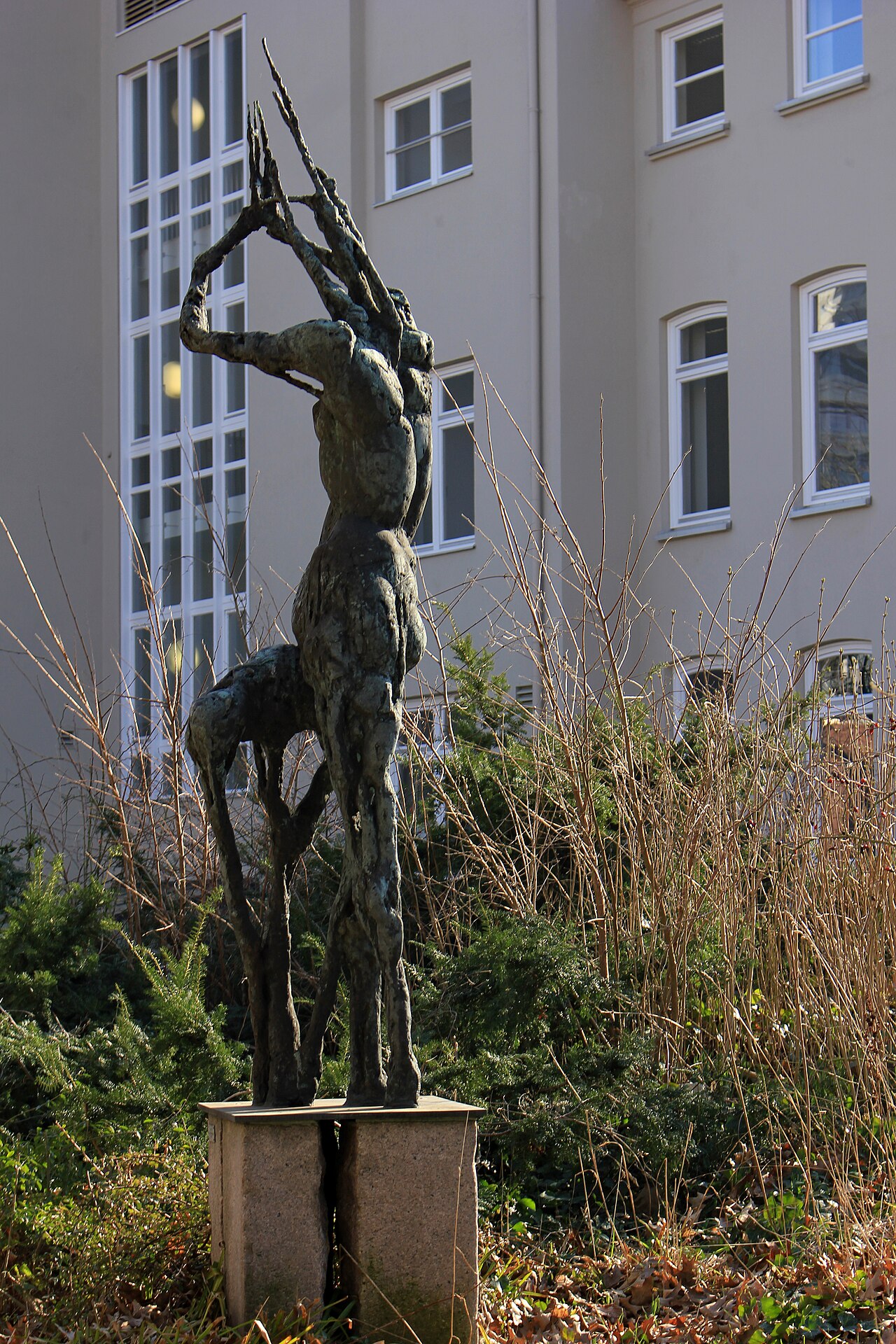
Rüdiger Stehn from Kiel, Deutschland · CC BY-SA 2.0
Alraune is a novel by German novelist Hanns Heinz Ewers, published in 1911, and also the name of its female lead character. The story draws on a medieval German legend about the mandrake root, which was believed to be produced from the semen of hanged men. The novel explores themes of artificial insemination, heredity, and the conflict between genetics and environment.
Quick Facts
- Author
- Hanns Heinz Ewers
- Genre
- Science fantasy, horror, dark fantasy, Gothic
Facts from the source article.
Lore & Background
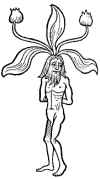
The basis of the story of Alraune dates to the Middle Ages in Germany. The humanoid-shaped mandrake root was widely believed to be produced by the semen of hanged men under the gallows. Alchemists claimed that hanged men ejaculated after their necks were broken and that the earth absorbed their final 'strengths.' In some versions, it is blood instead of semen. The root was used in love philtres and potions, while its fruit was supposed to facilitate pregnancy. Witches who 'made love' to the mandrake root were said to produce offspring that had no feelings of real love and had no soul.
Reader's Guide
The novel Alraune, published in 1911 by Hanns Heinz Ewers, deviates from the myth by concentrating on issues of artificial insemination and individuality: genetics versus environment. The story follows Professor Jakob ten Brinken, who impregnates a prostitute with the semen of a hanged murderer, resulting in a female child who has no concept of love. The girl, Alraune, suffers from obsessive sexuality and perverse relationships, eventually learning of her unnatural origins and avenging herself against the professor. The novel has inspired numerous adaptations, including several films from 1918 to 1952 and a series of comic books from 1998 to 2004. The 1928 silent film, directed by Henrik Galeen and starring Brigitte Helm, is regarded by critics as the definitive version. The work remains significant for its early exploration of artificial insemination and the nature-versus-nurture debate.
Did You Know?
- The novel Alraune was published in 1911 by German novelist Hanns Heinz Ewers.
- The book originally featured illustrations by Ilna Ewers-Wunderwald.
- The 1928 silent film adaptation, directed by Henrik Galeen, is regarded by critics as the definitive version of Alraune.
- When the 1928 film was first shown in Britain, film censors removed details of the woman's origins, confusing British audiences.
Medieval Roots and the Mandrake Myth
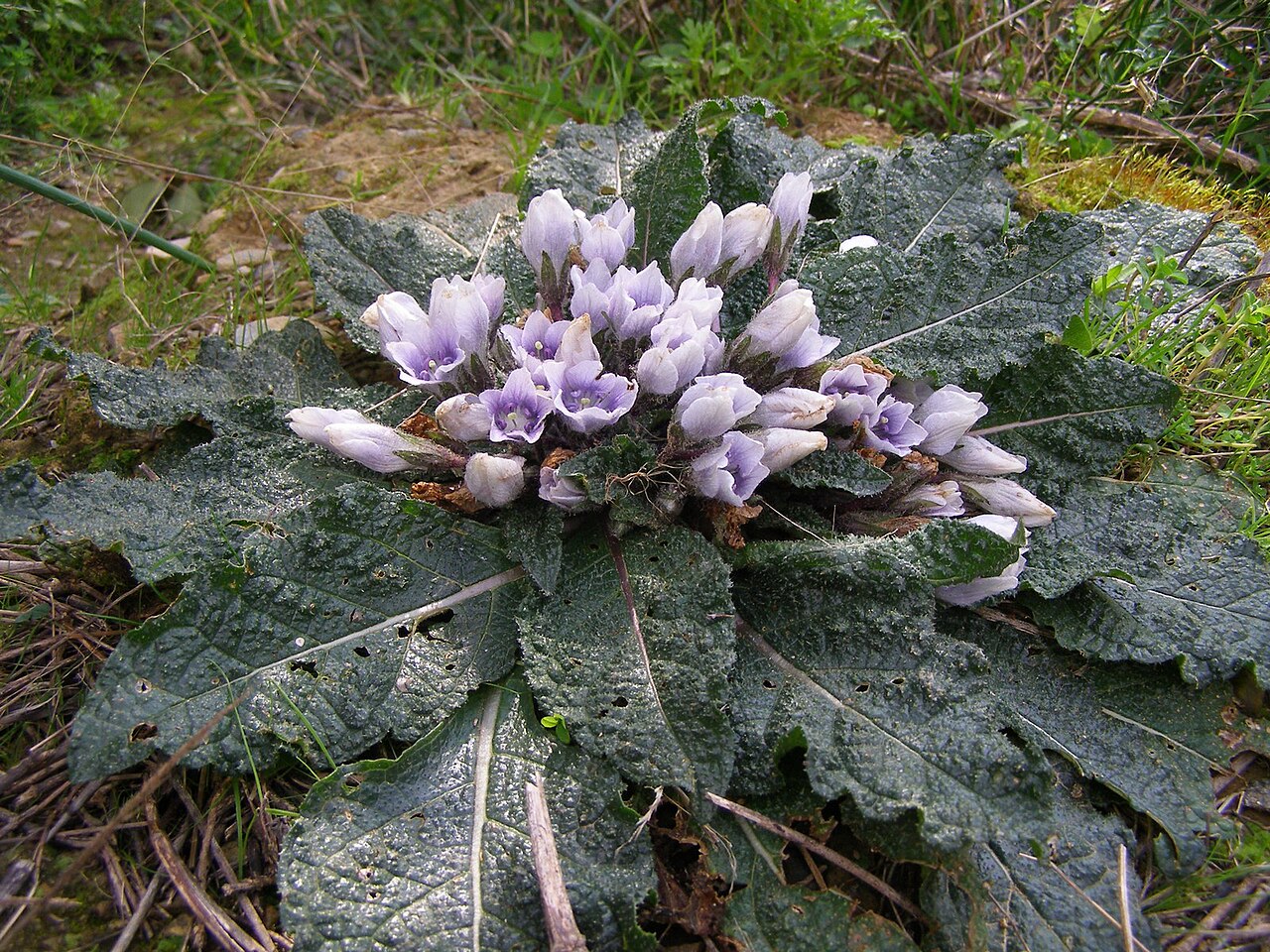
The story of Alraune draws its deepest roots from medieval German folklore surrounding the mandrake plant, known botanically as Mandragora officinarum. Because the root often grew in a shape resembling a small human figure, it became entangled in a web of superstitious belief that persisted for centuries. Alchemists of the period maintained that when a man was hanged and his neck snapped, his body released a final discharge—whether semen or, in some tellings, blood—and that the soil beneath the gallows absorbed this essence, sprouting a mandrake root in response. The plant itself was woven into folk medicine and occult practice: its root was ground into love philtres and potions, while its fruit was thought to aid a woman in conceiving. Perhaps the most chilling element of the legend held that a witch who engaged in a sexual union with the root would bear a child utterly devoid of genuine affection and, most damningly, of a soul. This medieval mythology provided the mythological skeleton upon which Ewers would later construct his modern, scientific nightmare.
The Novel's Narrative and Its Scientific Horror
Hanns Heinz Ewers published Alraune in 1911, and the work deliberately transposes the old mandrake legend into a laboratory setting, shifting the question from supernatural curse to the cold mechanics of heredity. The protagonist, Professor Jakob ten Brinken, is a researcher obsessed with the laws of inheritance. In his lab, he uses the semen of a hanged murderer to impregnate a prostitute, producing a daughter who is born without any concept of love. The professor takes the child in and raises her as his own. As Alraune grows, she is haunted by obsessive sexuality and a string of perverse relationships. When she eventually uncovers the truth of her unnatural origins, her response is one of vengeance directed squarely at the man who created her. The novel thus frames its horror not as a witch's curse but as a philosophical confrontation between nature and nurture, between what is genetically inherited and what is shaped by environment. The original edition was illustrated by Ilna Ewers-Wunderwald, lending the text a visual dimension that reinforced its uncanny atmosphere.
A Proliferation of Screen Adaptations
Alraune proved extraordinarily fertile ground for filmmakers across several decades. The earliest known adaptation was a 1918 Hungarian production running approximately eighty minutes, now believed to be lost to history. That same year, Eugen Illés directed an eighty-eight-minute German version titled Alraune, die Henkerstochter, genannt die rote Hanne. The most celebrated screen treatment arrived in 1928: a one-hundred-and-twenty-five-minute silent black-and-white film directed by Henrik Galeen, starring Brigitte Helm as Alraune and Paul Wegener as Professor ten Brinken. Critics have long regarded this version as the definitive cinematic Alraune, though British censors excised the passages explaining the heroine's origins, leaving audiences confused by her motivations. Richard Oswald followed with a 1930 sound remake of one hundred and three minutes, again casting Helm. In 1952, Arthur Maria Rabenalt delivered a black-and-white feature with an all-star German cast, pairing Hildegard Knef in the title role with Erich von Stroheim as the scientist. Each adaptation reinterpreted the novel's central tensions for its own era.
Enduring Resonance and Later Reimaginings
The thematic DNA of Alraune continues to echo through later creative works and broader intellectual conversations. Between 1998 and 2004, German comic artist Tony Greis produced a series of black-and-white comic books bearing the Alraune title, though these stories depart substantially from Ewers' novel. In Greis' version, the central character is under a curse that forces her to live as if she were Alraune until she can find a way to break free. The novel's preoccupation with artificial creation, the absence of a soul, and the tension between inherited traits and environmental shaping place it in dialogue with a constellation of related concepts: the homunculus, the gynoid, the practice of artificial insemination, and the perennial nature-versus-nurture debate. It also sits alongside the figure of Alruna in the broader Germanic mythological landscape. The fact that Alraune has been adapted into films spanning from Weimar-era Germany to the postwar period, and reimagined in comics more than eighty years after Ewers' original publication, testifies to the lasting power of his central question: what does it mean to be a person when one's very existence is the product of another's design?
Gallery
Frequently Asked Questions
Who is Alraune?
Alraune is the title character of a 1911 German novel by Hanns Heinz Ewers. She is a woman brought into existence through artificial insemination and is depicted as fundamentally lacking a soul.
What legend inspired the novel Alraune?
The story is rooted in a medieval German folk belief that the mandrake root grows from the semen of hanged men. Ewers reworked that myth into a modern narrative about laboratory-created human life.
Who wrote Alraune and when was it published?
German novelist Hanns Heinz Ewers authored the book, which appeared in 1911 in its original German. It is a work of fiction that has since been adapted into film.
What major themes does Alraune explore?
The novel centers on artificial insemination, heredity, and the tension between genetic inheritance and environmental influence. It also asks whether a being produced without natural conception can truly possess a soul.
Is Alraune considered science fiction?
Although catalogued simply as fiction, the novel engages with proto-scientific ideas such as artificial reproduction and the nature of consciousness. Its speculative premise about creating a soulless human in a laboratory places it squarely within the science fiction tradition.
More in Science fiction novels adapted into films 1-24
Spotted an error? Know more?
Reader corrections go straight into our review queue. Suggest an edit · How this site is sourced