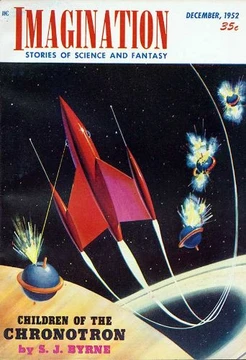
S.N.U.F.F.
A dystopian novel of media warfare and artificial worlds.

S.N.U.F.F. is a science fiction novel by Russian writer Victor Pelevin, published in 2011. The book presents a dystopian post-apocalyptic world divided between a poor, technologically backward region called Urkaina and a wealthy, advanced artificial flying city named Big Byz (or Byzantium). It critiques media manipulation, political hypocrisy, and the commodification of violence and pleasure.
- Type
- Novel
- Author
- Victor Pelevin
- Published
- 2011
- Language
- Russian (original)
- Genre
- Science fiction, dystopia
- Setting
- Post-apocalyptic Urkaina and Big Byz
Lore & Background
The story is narrated by Damilola Karpov, a pilot of a remotely controlled drone equipped with cameras and weapons. He broadcasts poverty and chaos from Urkaina to portray its people, called 'Orcs', as barbaric. Another invented term is 'smart free speech', meaning intelligent alignment with political trends to earn money and avoid ostracism. In Big Byz, a custom among elites is using robotic women as sexual partners, and sex with persons under 46 is prohibited, though the rule is hypocritically enforced only in public. The population of Big Byz is replenished by immigrants from Urkaina and by child-buyers who purchase babies from poor villages. Rich immigrants can install a virtual 'London' landscape in their apartments for prestige.
Reader's Guide
S.N.U.F.F. employs genre patterns of late twentieth-century dystopian literature, dividing its fictional space into two realms: the lower world of Urkaina and the upper world of Byzantium. Despite their apparent contrast, both worlds are identical in essential characteristics, differing only in technical sophistication. In both, fundamental needs are strictly regulated, with pleasure quantified in monetary terms governing both societies. The novel uses irony rather than utopian didacticism. Damilola serves as narrator and critic, eventually becoming critical of the system, while Grym, a young orc, pursues truth and breaks free from both worlds. The book's significance lies in its satirical examination of media-driven warfare, political manipulation, and the commodification of human experience, reflecting contemporary concerns about propaganda and consumerism.
Did You Know?
- The acronym S.N.U.F.F. stands for 'Special Newsreel/Universal Feature Film'.
- Big Byz pilots wear costumes of Batman or Ninja Turtles during wars against Urkaina.
- The novel includes a term 'smart free speech' for following political trends to earn money.
- Sex with persons under 46 is prohibited in Big Byz, but only public acts are punished.
More in Russian science fiction novels 1-24
Spotted an error? Know more?
Reader corrections go straight into our review queue. Suggest an edit · How this site is sourced