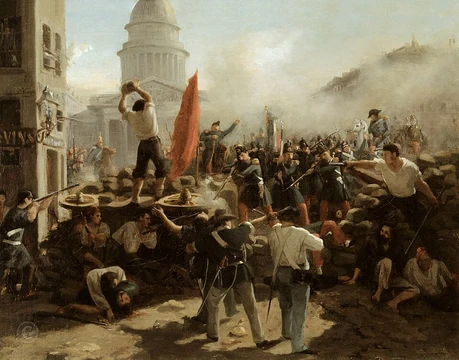
Mexican Revolution
A decade-long civil war that reshaped Mexico.

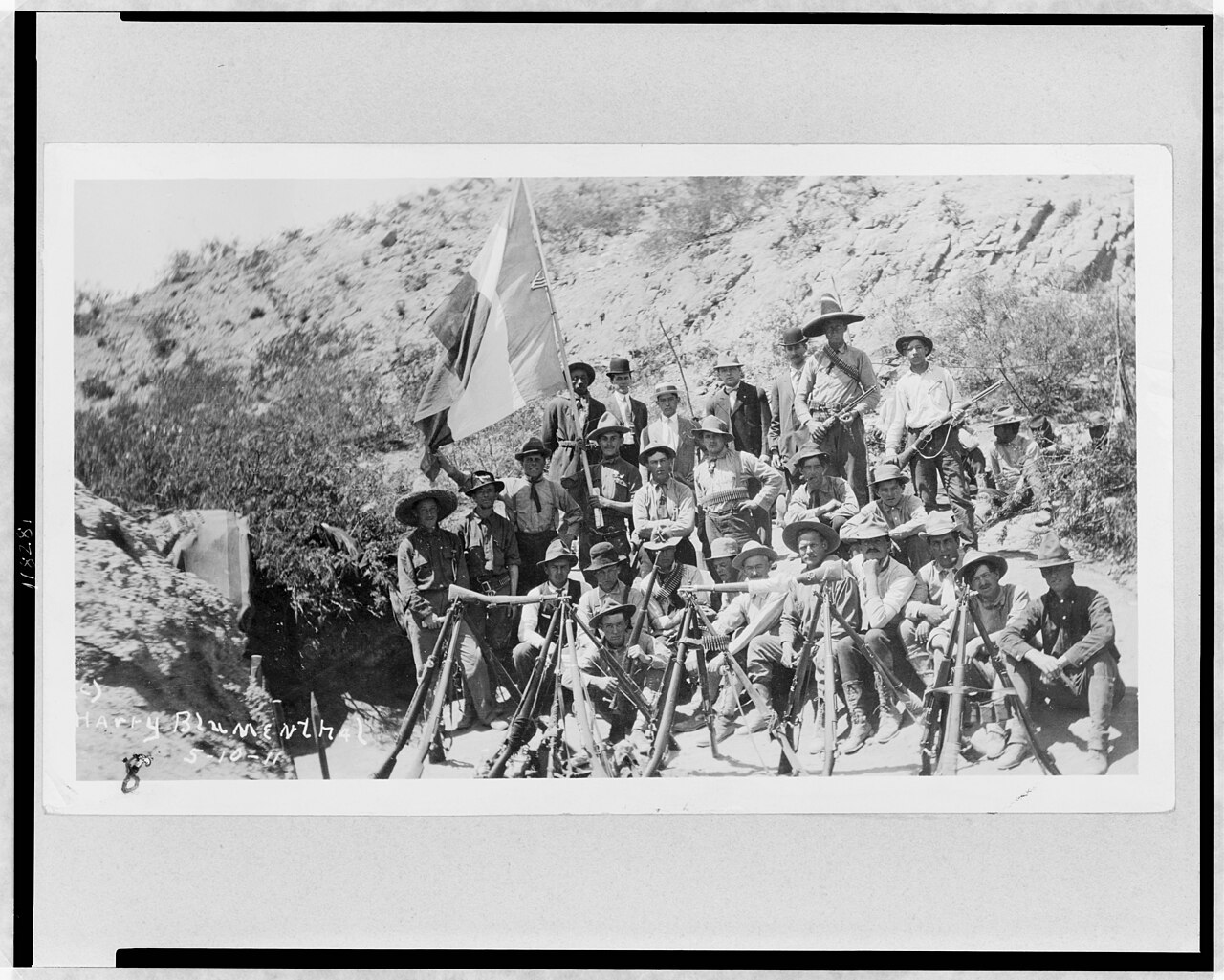
Blumenthal, Harry, photographer · Public domain
The Mexican Revolution (Revolución mexicana) was a series of armed regional conflicts that lasted from November 20, 1910, to December 1, 1920. Often described as the most significant event in modern Mexican history, it dismantled the Federal Army, replaced it with a revolutionary military, and reshaped the nation’s culture and government. The northern Constitutionalist faction won the military struggle and wrote the 1917 Constitution, which sought to establish a powerful central government. Revolutionary generals then held power from 1920 to 1940. Though primarily a civil war, foreign nations—especially the United States—with economic and strategic interests in Mexico influenced the outcome. The conflict killed roughly one million people, most of them non-combatants.
President Porfirio Díaz had ruled for decades (1876–1911), but despite growing unpopularity, no one expected a revolution in 1910. The aging Díaz could not manage a controlled presidential succession, sparking a power struggle among elites and the middle class amid severe labor unrest, including the Cananea and Río Blanco strikes. Wealthy northern landowner Francisco I. Madero ran against Díaz in the 1910 election; after Díaz jailed him, Madero called for an armed uprising in the Plan of San Luis Potosí. Rebellions began in Morelos, just south of the capital, and then spread widely across northern Mexico. The Federal Army proved unable to suppress them, revealing its weakness and encouraging rebels. Díaz resigned in May 1911 and went into exile. An interim government took over until elections, kept the Federal Army intact, and demobilized revolutionary forces. This first phase was brief and relatively bloodless.
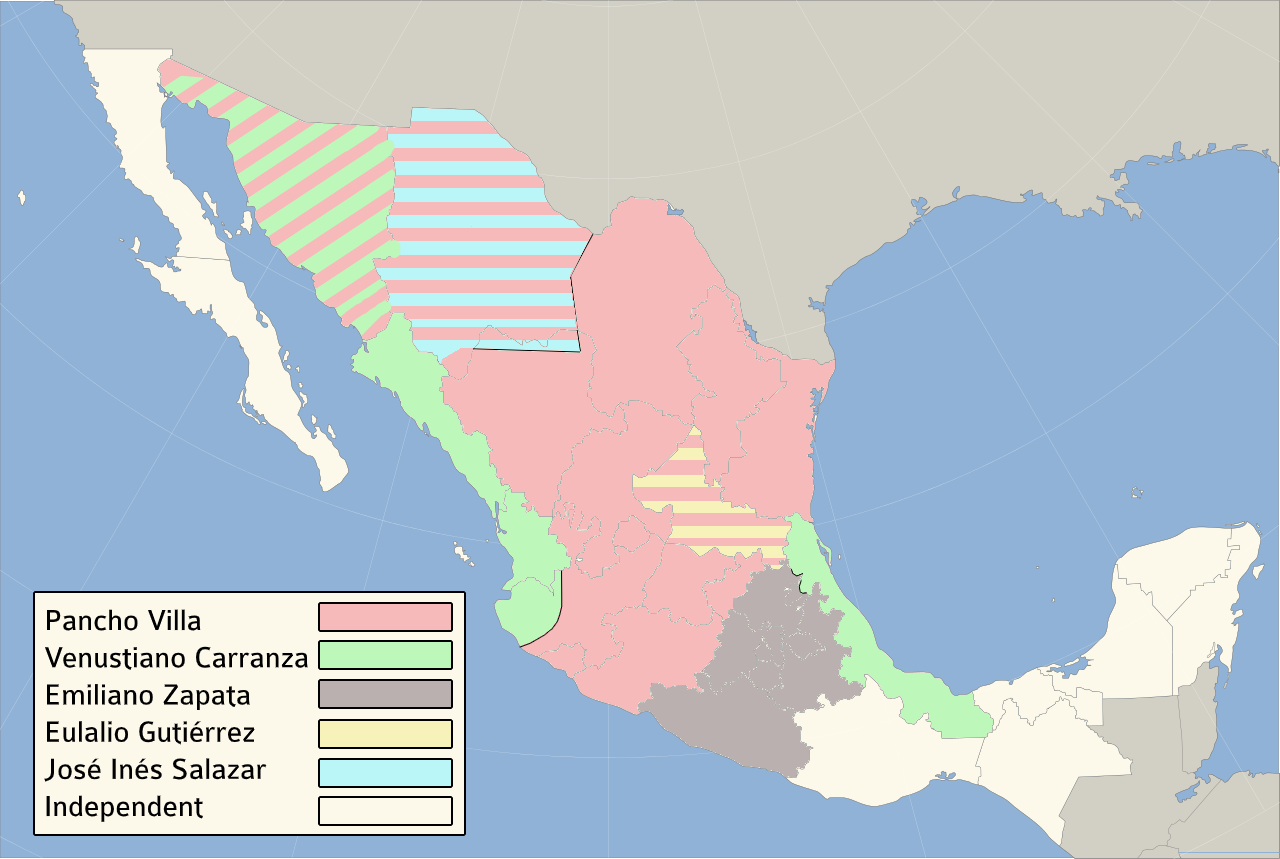
Madero won the presidency and took office in November 1911. He immediately faced an armed rebellion led by Emiliano Zapata in Morelos, where peasants demanded swift agrarian reform. Politically inexperienced, Madero’s fragile government struggled with further regional uprisings. In February 1913, former Díaz-era generals staged a coup in Mexico City, forcing Madero and Vice President Pino Suárez to resign. Both were assassinated days later on orders from the new president, Victoriano Huerta. This sparked a bloodier phase of the Revolution. A northern coalition, the Constitutionalist Army led by Coahuila Governor Venustiano Carranza, opposed Huerta’s counter-revolutionary regime, while Zapata’s forces continued fighting in Morelos. Huerta’s government lasted from February 1913 to July 1914, when revolutionary armies defeated the Federal Army. The revolutionaries then turned on each other; Carranza’s Constitutionalists defeated the forces of former ally Francisco “Pancho” Villa by summer 1915.
Carranza consolidated power, and a new constitution was promulgated in February 1917. The Mexican Constitution of 1917 established universal male suffrage, promoted secularism, workers’ rights, economic nationalism, and land reform, and strengthened federal authority. Carranza served as president from 1917 until 1920. When he tried to impose a civilian successor, northern revolutionary generals rebelled. Carranza fled Mexico City and was killed. From 1920 to 1940, revolutionary generals held the presidency, each completing their term (except from 1928 to 1934). During this period, state power became more centralized, revolutionary reforms were implemented, and the military was brought under civilian control. The Revolution was a decade-long civil war that produced new political leaders who gained power and legitimacy through their revolutionary roles. The political party they founded in 1929—later the Institutional Revolutionary Party (PRI)—ruled Mexico until the 2000 presidential election. The Revolution’s end is not clearly defined; even Vicente Fox, the conservative winner in 2000, claimed his election was heir to Madero’s 1910 democratic bid, linking his own legitimacy to the Revolution.
- start_date
- 20 November 1910
- end_date
- 1 December 1920
- field
- Civil war and revolution
- nationality
- Mexican
- known_for
- Overthrow of Porfirio Díaz, drafting of the 1917 Constitution, establishment of
Verified Timeline
Lore & Background
The decades-long regime of President Porfirio Díaz (1876–1911) was increasingly unpopular, but there was no foreboding in 1910 that a revolution was about to break out. The aging Díaz failed to find a controlled solution to presidential succession, resulting in a power struggle among competing elites and the middle classes, which occurred during a period of intense labor unrest, exemplified by the Cananea and Río Blanco strikes. When wealthy northern landowner Francisco I. Madero challenged Díaz in the 1910 presidential election and Díaz jailed him, Madero called for an armed uprising against Díaz in the Plan of San Luis Potosí. Rebellions broke out first in Morelos (immediately south of the nation's capital city) and then to a much greater extent in northern Mexico. The Federal Army could not suppress the widespread uprisings, showing the military's weakness and encouraging the rebels. Díaz resigned in May 1911 and went into exile, an interim government was installed until elections could be held, the Federal Army was retained, and revolutionary forces demobilized. The first phase of the Revolution was relatively bloodless and short-lived.
Reader's Guide
The Mexican Revolution was primarily a civil war, but foreign powers, having important economic and strategic interests in Mexico, figured in the outcome of Mexico's power struggles; the U.S. involvement was particularly high. The conflict led to the deaths of around one million people, mostly non-combatants. The revolutionary conflict resulted in the Mexican Constitution of 1917, which established universal male suffrage, promoted secularism, workers' rights, economic nationalism, and land reform, and enhanced the power of the federal government. Revolutionary generals held power from 1920 to 1940, and the political party they founded in 1929, which would become the Institutional Revolutionary Party (PRI), ruled Mexico until the presidential election of 2000. When the Revolution ended is not well defined, and even the conservative winner of the 2000 election, Vicente Fox, contended his election was heir to the 1910 democratic election of Francisco Madero, thereby claiming the heritage and legitimacy of the Revolution.
Did You Know?
- The conflict led to the deaths of around one million people, mostly non-combatants.
- The Federal Army had some 9,000 officers commanding 25,000 rank-and-file on the books, with about 7,000 padding the rosters so officers could collect subsidies for nonexistent soldiers.
- By 1900, over ninety percent of Mexico's communal lands had been sold, and an estimated 9.5 million peasants were forced into the service of wealthy landowners.
- The political party founded in 1929 by revolutionary leaders became the Institutional Revolutionary Party (PRI), which ruled Mexico until the presidential election of 2000.
- The conservative winner of the 2000 election, Vicente Fox, contended his election was heir to the 1910 democratic election of Francisco Madero.
The Porfiriato and the Spark of 1910
Porfirio Díaz, who first seized the presidency in 1876, held power almost continuously until 1911 in an era now called the Porfiriato. The constitution was amended to allow unlimited presidential re-election, and regular elections were widely considered sham exercises, marked by contentious irregularities. Díaz consolidated power by playing opposing factions against each other and by expanding the Rurales, a force of armed and mounted police directly under his control that seized land from local peasants. By 1900, over ninety percent of Mexico's communal lands were sold, with an estimated 9.5 million peasants forced into the service of wealthy landowners or hacendados. His watchwords were 'Order and Progress.' The economy took a great leap through construction of factories, industries, and infrastructure such as railroads and dams, but wealth, political power, and access to education were concentrated among a handful of elite landholding families. A drought from 1907 to 1909 exacerbated conditions, and intense labor unrest erupted in strikes at Cananea and Río Blanco. When wealthy northern landowner Francisco I. Madero challenged Díaz in the 1910 presidential election and Díaz jailed him, Madero called for an armed uprising against Díaz in the Plan of San Luis Potosí. Rebellions broke out first in Morelos and then to a much greater extent in northern Mexico. The Federal Army could not suppress the widespread uprisings, showing the military's weakness and encouraging the rebels. Díaz resigned in May 1911 and went into exile.
A Decade of Blood: The Civil War's Phases
Madero was elected President, taking office in November 1911. He immediately faced the armed rebellion of Emiliano Zapata in Morelos, where peasants demanded rapid action on agrarian reform. Politically inexperienced, Madero's government was fragile, and further regional rebellions broke out. In February 1913, prominent army generals from the former Díaz regime staged a coup d'etat in Mexico City, forcing Madero and Vice President Pino Suárez to resign. Days later, both men were assassinated by orders of the new president, Victoriano Huerta. This initiated a new and bloody phase of the Revolution, as a coalition of northerners opposed to the counter-revolutionary regime of Huerta, the Constitutionalist Army led by the Governor of Coahuila Venustiano Carranza, entered the conflict. Zapata's forces continued their armed rebellion in Morelos. Huerta's regime lasted from February 1913 to July 1914, and the Federal Army was defeated by revolutionary armies. The revolutionary armies then fought each other, with the Constitutionalist faction under Carranza defeating the army of former ally Francisco 'Pancho' Villa by the summer of 1915. The conflict was primarily a civil war, but foreign powers, having important economic and strategic interests in Mexico, figured in the outcome of Mexico's power struggles; the U.S. involvement was particularly high. The conflict led to the deaths of around one million people, mostly non-combatants.
The 1917 Constitution: Rewriting the Social Contract
Carranza consolidated power and a new constitution was promulgated in February 1917. The Mexican Constitution of 1917 established universal male suffrage, promoted secularism, workers' rights, economic nationalism, and land reform, and enhanced the power of the federal government. Carranza became President of Mexico in 1917, serving a term ending in 1920. He attempted to impose a civilian successor, prompting northern revolutionary generals to rebel. Carranza fled Mexico City and was killed. The Constitution of 1917 aimed to create a strong central government and remains the present-day constitution of Mexico.
Generals, Parties, and a Century of Legacy
From 1920 to 1940, revolutionary generals held the office of president, each completing their terms (except from 1928-1934). This was a period when state power became more centralized, and revolutionary reform implemented, bringing the military under the civilian government's control. The political party those leaders founded in 1929, which would become the Institutional Revolutionary Party (PRI), ruled Mexico until the presidential election of 2000. The Revolution was a decade-long civil war, with new political leadership that gained power and legitimacy through their participation in revolutionary conflicts. When the Revolution ended is not well defined, and even the conservative winner of the 2000 election, Vicente Fox, contended his election was heir to the 1910 democratic election of Francisco Madero, thereby claiming the heritage and legitimacy of the Revolution.
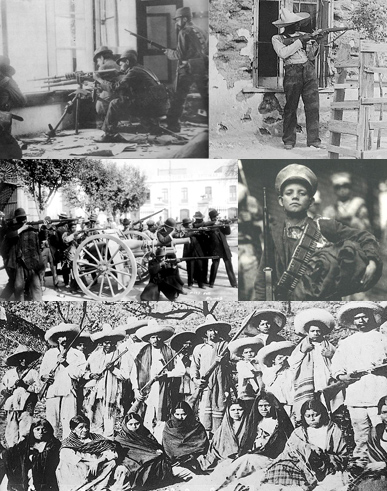
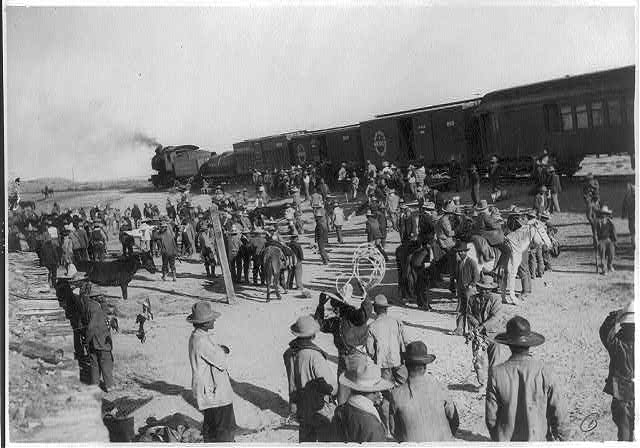
Gallery
Frequently Asked Questions
What is the Mexican Revolution?
The Mexican Revolution was a prolonged chain of armed regional conflicts that fundamentally restructured the country's military, political institutions, and cultural identity. It is widely cited as the single most formative event in Mexico's modern era.
When did the Mexican Revolution take place?
The conflict unfolded over roughly a decade, opening on 20 November 1910 and closing on 1 December 1920. Its extended duration reflects the fact that it was not one decisive battle but a succession of interconnected regional wars.
Who were the key players in the Mexican Revolution?
The uprising was triggered by the fall of long-time authoritarian ruler Porfirio Díaz, and the northern Constitutionalist faction ultimately won the war on the battlefield. That faction then went on to draft the 1917 Constitution and build a stronger central state.
What lasting changes did the Mexican Revolution bring?
It dismantled the old Federal Army and replaced it with a new revolutionary military force, while also overhauling the country's political and social structures. Its most enduring institutional legacy is the Constitution of Mexico that remains in force today.
Why is the Mexican Revolution considered so important?
It tore down an entrenched one-man regime and rebuilt Mexico's government, military, and social order over the course of about ten years. Because the constitutional and political framework it produced still shapes the country, it is frequently called the defining moment of modern Mexican history.
More in Revolutions & Uprisings 1-15
Spotted an error? Know more?
This is a living reference — every entry is fact-audited, and reader corrections feed straight into our audit queue. Suggest an edit · See this site's audit record