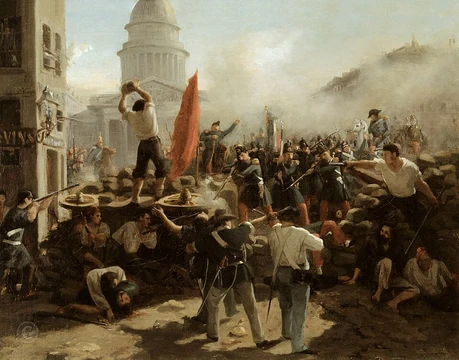
1911 Revolution
Revolution that ended over two millennia of imperial rule in China.

Gary Lee Todd, Ph.D. · CC0
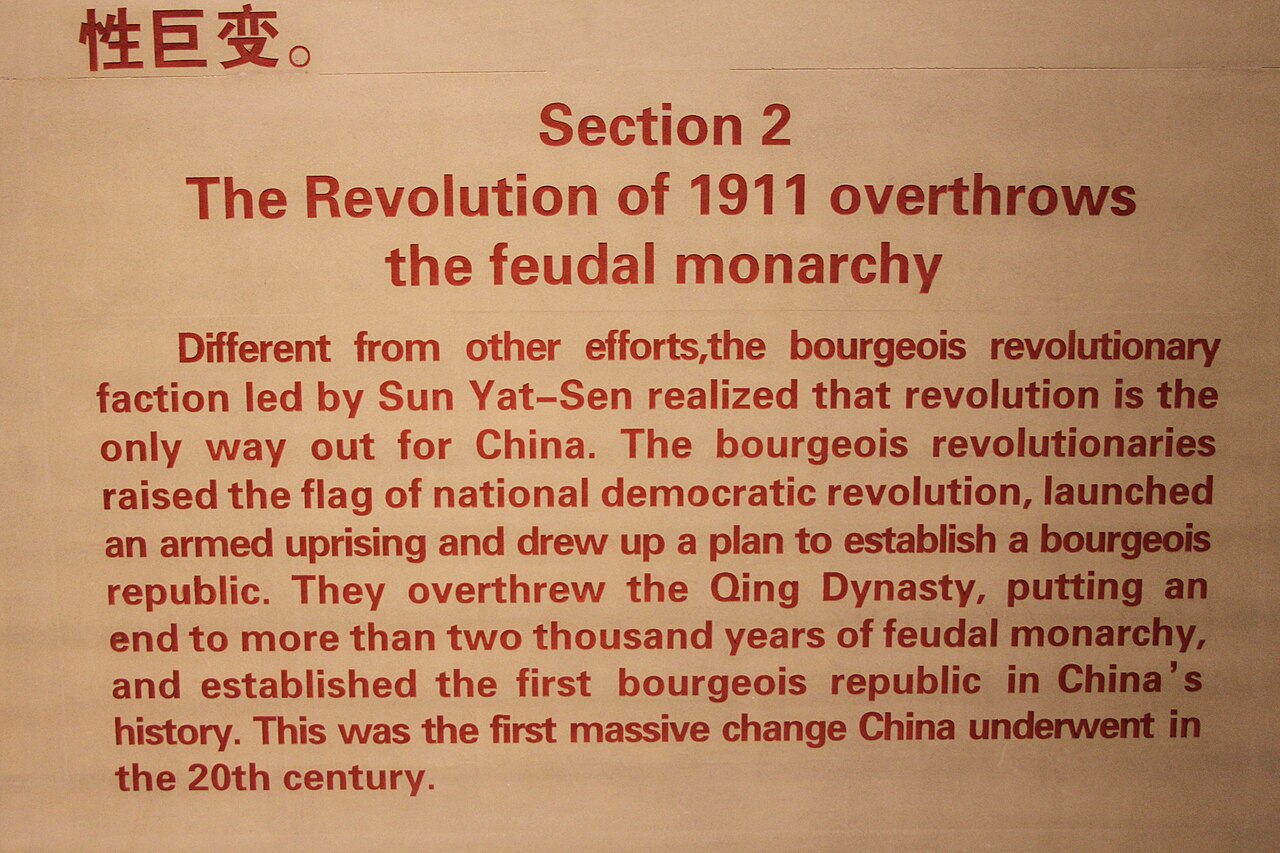
In 1911, a revolution ended more than two thousand years of imperial rule in China, toppling the Qing dynasty after 267 years and establishing the Republic of China. This upheaval, known as the Xinhai Revolution (from the sexagenary cycle label for 1911), was the result of a decade of unrest, revolts, and uprisings. It marked the beginning of China’s early republican era.
The Qing dynasty had long struggled with internal reform and foreign aggression. After 1900, conservatives in the court saw reform programs as too radical, while reformers considered them too slow. Various factions debated how to proceed: underground anti-Qing groups, revolutionaries in exile, reformers hoping to modernize the monarchy, and activists across the country all weighed in on whether—and how—to overthrow the dynasty.
Ethnic tensions between the ruling Manchu minority and the Han majority fueled much of this discontent. Although the court publicly claimed equality, key military and administrative posts were mostly held by Manchus before the Taiping rebellion, and Han Chinese had no reciprocal privileges. Anti-Manchu sentiment never fully disappeared during the Qing’s 268 years. Early thinkers like Gu Yanwu and Wang Fuzhi advocated overthrowing the Qing and restoring the Ming, and their ideas persisted in secret societies and underground organizations. Movements such as the Revolt of the Three Feudatories, the White Lotus Rebellion, the Taiping Heavenly Kingdom, and the activities of the Tiandihui all expressed ethnic resistance. Sun Yat-sen later wrote in his Three Principles of the People that the Manchu conquest had made the Han a conquered people, and that China had been subjugated twice—under the Yuan and the Qing. Early revolutionary propaganda, according to Feng Ziyou, relied on texts like the *Record of Ten Days at Yangzhou* and the *Record of the Jiading Massacre*. Huang Xing noted that his family had a testamentary injunction never to serve the Qing. After the Boxer Rebellion, as China’s peril deepened and student movements in Japan grew, the anti-Manchu tide became unstoppable.
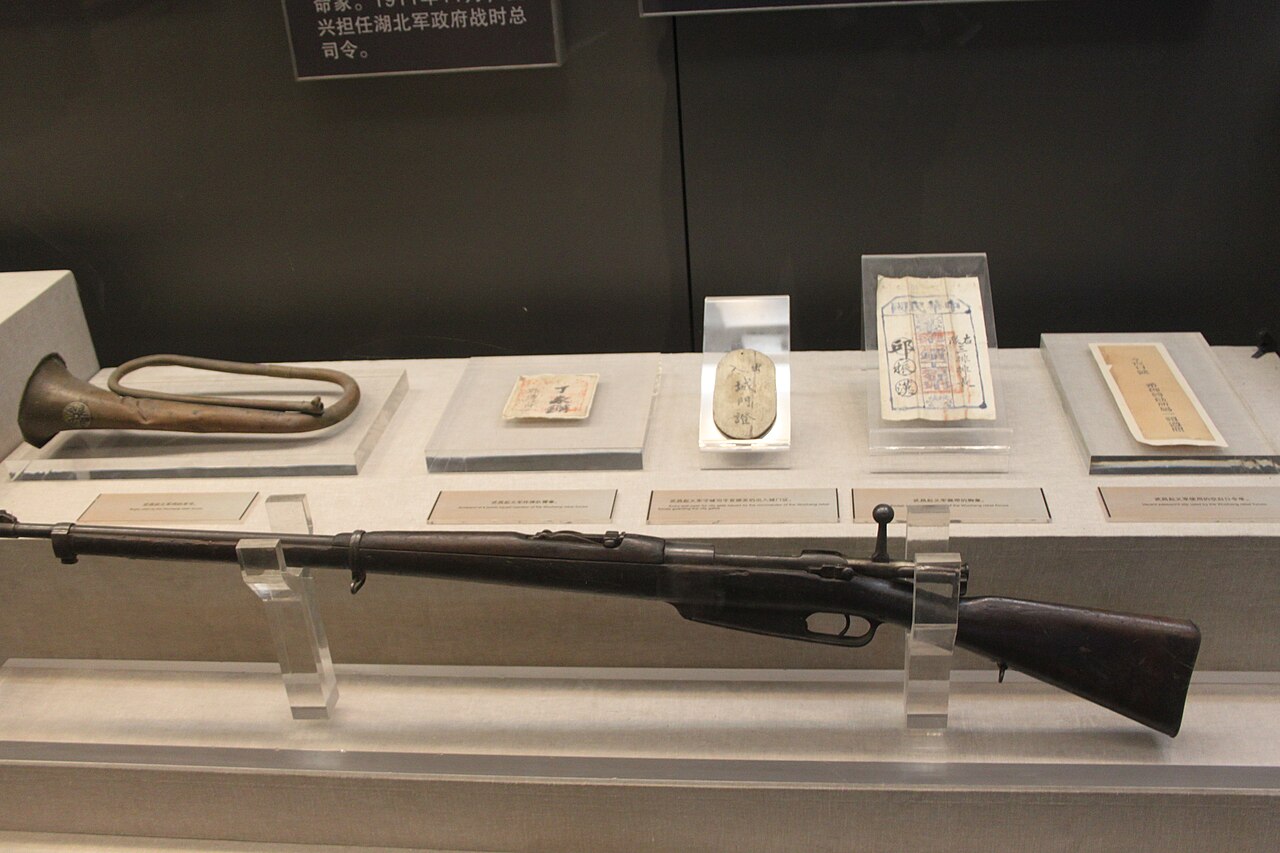
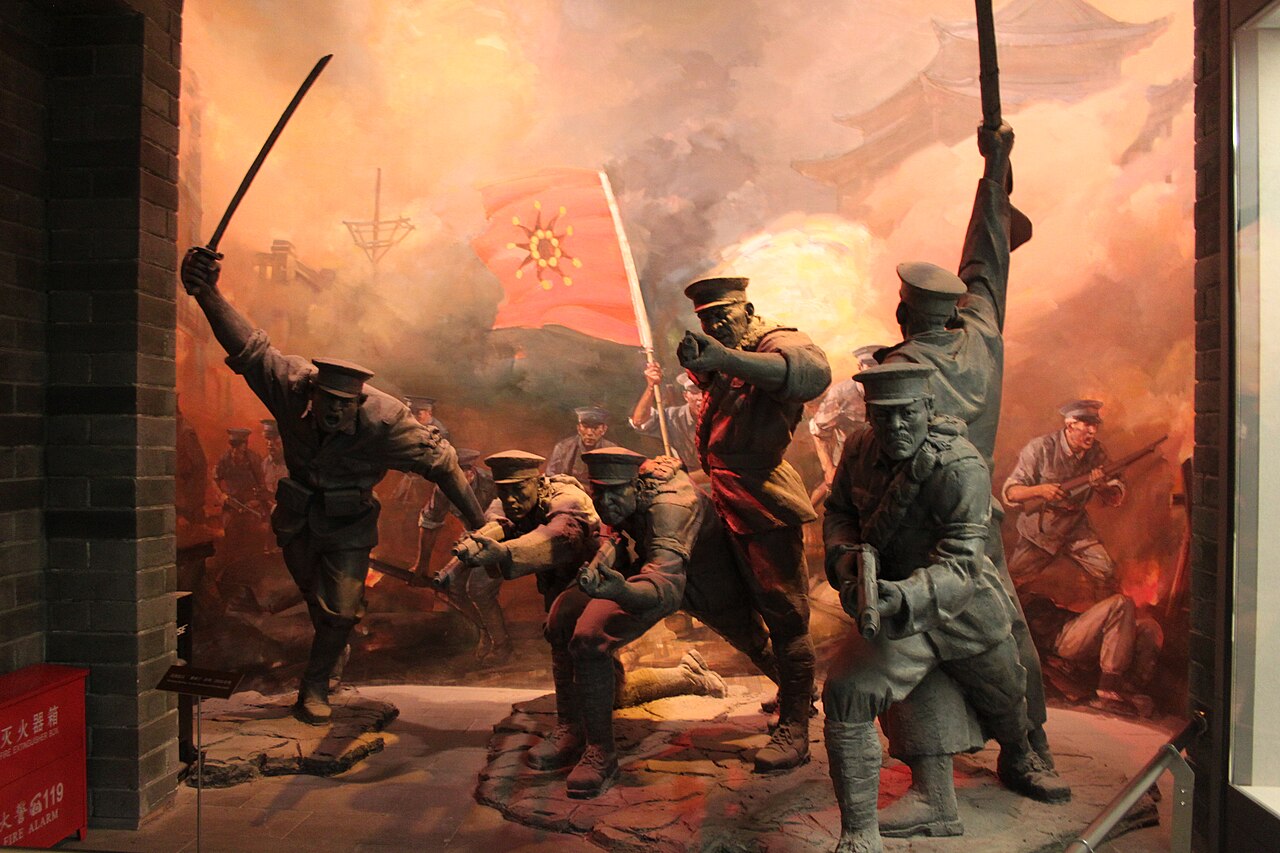
The revolution’s flashpoint came on 10 October 1911 with the Wuchang Uprising, an armed rebellion by members of the New Army. Similar revolts broke out spontaneously across the country, and revolutionaries in every province renounced the Qing. On 1 November, the Qing court appointed Yuan Shikai, leader of the Beiyang Army, as prime minister, and he began negotiations with the revolutionaries. In Nanjing, a provisional coalition government was formed. On 1 January 1912, the Advisory Council declared the Republic of China, with Sun Yat-sen, leader of the Tongmenghui, as its president. A brief civil war between north and south ended in compromise: Sun resigned in favor of Yuan, who would become president if he secured the Qing emperor’s abdication. The six-year-old Xuantong Emperor abdicated on 12 February 1912, and Yuan was sworn in as president on 10 March.
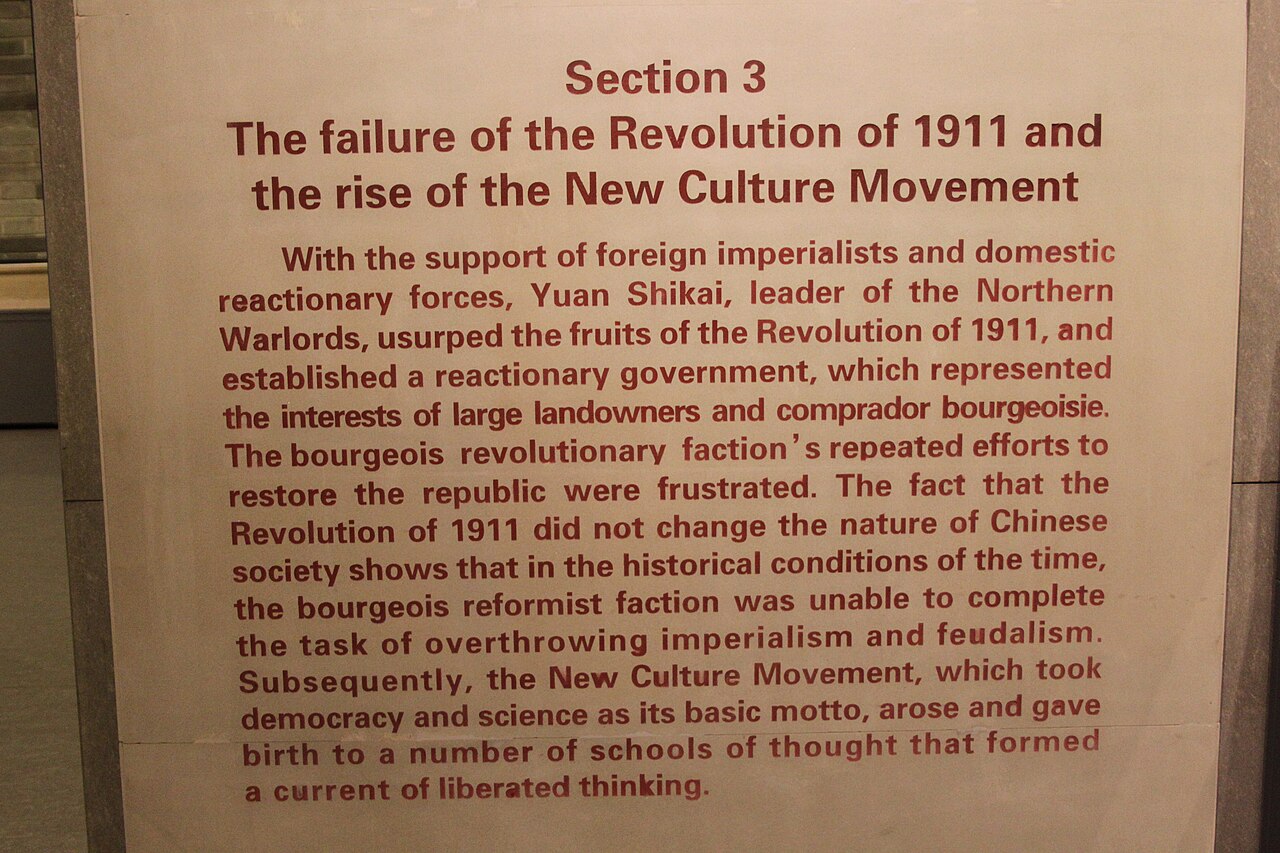
In December 1915, Yuan restored the monarchy, proclaiming himself the Hongxian Emperor, but strong opposition from the population and the army forced his abdication in March 1916. The republic was reinstated, but Yuan’s failure to consolidate a legitimate central government before his death in June 1916 led to decades of political division and warlordism, including an attempt to restore the Qing dynasty.
Today, both the Republic of China and the People’s Republic of China claim to be the legitimate successors to the 1911 Revolution and honor its ideals: nationalism, republicanism, modernization, and national unity. 10 October is celebrated as National Day in the Republic of China on Taiwan and as the Anniversary of the 1911 Revolution in China.
- field
- Revolution
- nationality
- Chinese
- known_for
- Overthrowing the Qing dynasty and establishing the Republic of China
Verified Timeline
Lore & Background
The flashpoint came on 10 October 1911 with the Wuchang Uprising, an armed rebellion by members of the New Army. Similar revolts then broke out spontaneously around the country, and revolutionaries in every province renounced the Qing dynasty. On 1 November 1911, the Qing court appointed Yuan Shikai (leader of the Beiyang Army) as prime minister, and he began negotiations with the revolutionaries. In Nanjing, revolutionary forces created a provisional coalition government. On 1 January 1912, the Advisory Council declared the establishment of the Republic of China, with Sun Yat-sen, leader of the Tongmenghui, as President of the Republic of China. A brief civil war between the North and the South ended in compromise. Sun resigned in favor of Yuan, who would become president of the new national government if he could secure the abdication of the Qing emperor. The edict of abdication of the six-year-old Xuantong Emperor was promulgated on 12 February 1912. Yuan was sworn in as president on 10 March 1912.
Reader's Guide
The Qing had long struggled to reform the government and resist foreign aggression, but conservatives in the Qing court opposed the program of reforms after 1900 as too radical and reformers considered it too slow. Several factions, including underground anti-Qing groups, revolutionaries in exile, reformers who wanted to save the monarchy by modernizing it, and activists across the country debated how or whether to overthrow the Qing dynasty. The governments of both the Republic of China and the People's Republic of China consider themselves the legitimate successors to the 1911 Revolution and honor the ideals of the revolution, including nationalism, republicanism, modernization of China, and national unity. 10 October is the National Day of the Republic of China on Taiwan, and the Anniversary of the 1911 Revolution in China.
Did You Know?
- The revolution's name 'Xinhai' derives from the traditional Chinese calendar, where 'Xinhai' (辛亥) is the label corresponding to 1911 according to the sexagenary cycle.
- The flashpoint of the revolution was the Wuchang Uprising on 10 October 1911, an armed rebellion by members of the New Army.
- The edict of abdication of the six-year-old Xuantong Emperor was promulgated on 12 February 1912, ending the 267-year reign of the Qing dynasty.
- In December 1915, Yuan Shikai restored the monarchy and proclaimed himself the Hongxian Emperor, but was forced to abdicate in March 1916 due to strong opposition.
- Early revolutionary propaganda used texts like the Record of Ten Days at Yangzhou and the Record of the Jiading Massacre to fuel anti-Manchu sentiment.
The Wuchang Uprising and the Birth of a Republic
What began as a single provincial revolt on 10 October 1911—the Wuchang Uprising by members of the New Army—quickly ignited a cascade of spontaneous uprisings across the country, with revolutionary forces in every province formally renouncing allegiance to the Qing dynasty. In the wake of this upheaval, the Qing court made a fateful move on 1 November by appointing Yuan Shikai, commander of the Beiyang Army, as prime minister, hoping his political acumen could broker a resolution. Meanwhile, in Nanjing, revolutionary leaders assembled a provisional coalition government. On 1 January 1912, the Advisory Council declared the establishment of the Republic of China, with Sun Yat-sen as President. A short civil war between northern and southern forces ultimately resolved through negotiation rather than total victory. Sun agreed to step down in Yuan's favor, contingent on Yuan securing the abdication of the young Xuantong Emperor. The edict of abdication was promulgated on 12 February 1912, and Yuan was sworn in as president on 10 March 1912.
Centuries of Ethnic Resentment
For over two and a half centuries, the Manchu-led Qing court had pursued a policy of placing the Manchus first (首崇滿洲) to govern China, a practice that bred deep and persistent ethnic conflict with the Han majority. Early Han intellectuals like Gu Yanwu and Wang Fuzhi had long articulated the idea of overthrowing Manchu rule and restoring the Ming, and their writings continued to circulate through underground networks and secret societies. The Taiping Heavenly Kingdom war, the White Lotus Rebellion, the Revolt of the Three Feudatories, and various Ming-loyalist movements all expressed a spirit of ethnic resistance. By the late 1890s, as China's perilous situation deepened after the Boxer Rebellion, anti-Manchu sentiment surged again. Sun Yat-sen drew explicitly on this tradition, declaring in his Three Principles of the People that 'the Manchu conquest of China was a conquest of the majority by the minority' and that under Qing rule, the Han were 'four hundred million oppressed and discriminated-against subjects of a conquered nation.' Early revolutionary propaganda relied heavily on texts like the Record of Ten Days at Yangzhou and the Record of the Jiading Massacre. Huang Xing recounted that his distant ancestor had written a testamentary injunction that the descendants of the Huang family should never serve as officials under the Qing.
Yuan Shikai and the Republic's Fragile Foundation
Yuan Shikai's trajectory encapsulates the revolution's unresolved tensions. In December 1915, Yuan restored the monarchy and proclaimed himself the Hongxian Emperor, but the move was met with strong opposition by the population and the Army, leading to his abdication in March 1916 and the Republic's reinstatement. Yuan's failure to consolidate a legitimate central government before his death in June 1916 led to decades of political division and warlordism, including an attempt at imperial restoration of the Qing dynasty.
Enduring Legacy and Dual Commemoration
Both the Republic of China and the People's Republic of China trace their legitimacy to this event, each honoring its core ideals of nationalism, republicanism, modernization, and national unity. The revolution's name in Chinese, Xinhai, derives from the traditional sexagenary calendar cycle, where 'Xinhai' (辛亥) is the label corresponding to 1911. 10 October is the National Day of the Republic of China on Taiwan, and the Anniversary of the 1911 Revolution in China.
Gallery
Frequently Asked Questions
What is the 1911 Revolution?
The 1911 Revolution was a Chinese uprising that dismantled the Qing dynasty and gave birth to the Republic of China. It is broadly recognized as the turning point that shifted the nation from centuries of imperial governance into a republican framework.
Who was the central figure behind the 1911 Revolution?
Sun Yat-sen is most closely tied to the revolution, having spent years organizing opposition to the Qing court and articulating a vision for a modern republic. His ideological framework, the Three Principles of the People, served as the political compass for the new state.
What did the 1911 Revolution actually accomplish?
It abolished the Qing monarchy, thereby ending a stretch of unbroken imperial rule that stretched back roughly two thousand years. In its wake, the Republic of China was proclaimed, ushering in the country's early republican era.
Why is the 1911 Revolution considered so historically significant?
It shattered a political order that had defined Chinese governance for millennia, making it one of the most consequential regime changes in modern history. Its legacy continued to shape every later push for reform, republicanism, and national identity in China.
What happened in China in the years following the 1911 Revolution?
The fledgling republic quickly faced warlord fragmentation, political instability, and uneven modernization across the country. Still, the revolution cemented the foundational principle that China's future rested on a republican rather than an imperial system.
More in Revolutions & Uprisings 1-15
Spotted an error? Know more?
This is a living reference — every entry is fact-audited, and reader corrections feed straight into our audit queue. Suggest an edit · See this site's audit record