Bronchodilator
Substances that dilate airways to improve airflow.
Last updated
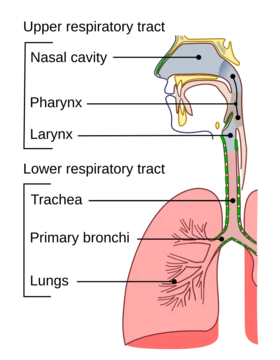
A bronchodilator (sometimes called a broncholytic, though that term can also include substances that block secretions) is an agent that widens the bronchi and bronchioles. This reduces resistance in the airways and allows more air to flow into the lungs. These substances can occur naturally in the body or be given as medications, most often via inhalers, to treat breathing problems. They are most effective for obstructive lung diseases, especially asthma and chronic obstructive pulmonary disease (COPD).
Short-acting β2-adrenergic agonists
Their use in bronchiolitis and bronchiectasis is debated, and they are often prescribed for restrictive lung diseases despite a lack of proven benefit. Bronchodilators come in two main types: short-acting and long-acting. Short-acting ones provide quick, "rescue" relief from sudden airway narrowing, while long-acting ones are used regularly to control and prevent symptoms.
The three main classes of prescription bronchodilators are beta-2 adrenergic agonists (available in both short- and long-acting forms), anticholinergics (also short- and long-acting), and theophylline (which is long-acting only). Short-acting β2-adrenergic agonists are rescue medications that offer fast, temporary relief from asthma symptoms or flare-ups. They typically work within 20 minutes and last four to six hours. These inhaled drugs are best for sudden, severe, or new asthma symptoms.
Taken 15 to 20 minutes beforehand, they can also prevent symptoms triggered by exercise or cold air. Some, like salbutamol, are lung-specific (β2-selective) and relieve bronchospasms without the unwanted heart effects of non-selective β-agonists such as ephedrine or epinephrine. Patients who need these rescue medications often or regularly should see a doctor, as this suggests uncontrolled asthma and a possible need to adjust their daily maintenance medications. Long-acting β2-adrenergic agonists are taken routinely to control and prevent airway narrowing, not for fast relief.
Long-acting β2-adrenergic agonists
They take longer to start working but keep airways open for up to 12 hours. Usually taken twice daily alongside an anti-inflammatory medication, they maintain open airways and prevent asthma symptoms, especially at night. Examples include salmeterol and formoterol. Anticholinergics include tiotropium (Spiriva) and ipratropium bromide.
Anticholinergics
Tiotropium is a long-acting, 24-hour anticholinergic used for COPD. Ipratropium bromide, available only as an inhalant, is used for asthma and COPD. As a short-acting anticholinergic, it improves lung function and lowers the risk of exacerbations in symptomatic asthma, but it will not stop an asthma attack already in progress.
Because it has no effect on asthma symptoms when used alone, it is usually paired with a short-acting β2-agonist. Though considered a rescue medication, it can take a full hour to work, so it plays a secondary role in acute asthma treatment. Dry throat is the most common side effect; if it gets in the eyes, it can briefly blur vision. Combining anticholinergics with short-acting β2-agonists has been shown to reduce hospital admissions for acute asthma in both children and adults.
Other
Theophylline, available in oral and injectable forms, is a long-acting bronchodilator that prevents asthma episodes. It belongs to the methylxanthine chemical class (along with caffeine) and is prescribed for severe or hard-to-control asthma. It must be taken one to four times daily without missing doses, and blood tests are needed to monitor therapy and adjust dosage. Side effects can include nausea, vomiting, diarrhea, stomach or headache, rapid or irregular heartbeat, muscle cramps, nervousness, and hyperactivity, which may signal a need for dosage change.
It can also promote acid reflux (GERD) by relaxing the lower esophageal sphincter. Certain medications (like seizure and ulcer drugs, and antibiotics containing erythromycin) can interfere with theophylline. Coffee, tea, colas, cigarette smoking, and viral illnesses can also affect its action. A physician must monitor dosage to match each patient's needs.
Some psychostimulants with amphetamine-like action—such as amphetamine, methamphetamine, and cocaine—also have bronchodilating effects and were once used for asthma due to a lack of effective β2-agonists, but they are now rarely, if ever, used medically for this purpose. Gaseous carbon dioxide relaxes airway muscles as well: hypocapnia from deliberate hyperventilation increases airway resistance, while hypercapnia from inhaling carbon dioxide reduces it. However, this bronchodilating effect lasts only four to five minutes.
This observation led to the development of S-1226, a carbon dioxide-enriched air formulated with nebulized perflubron. Common bronchodilators are divided into short- and long-acting groups. Short-acting ones are used for relief of airway narrowing; long-acting ones are mainly for prevention. Short-acting bronchodilators include salbutamol/albuterol (Proventil or Ventolin) and levosalbutamol/levalbuterol (Xopenex).
Quick Facts
- Specialty
- Pulmonology
Facts from the source article.
Lore & Background
Bronchodilators are divided into short-acting and long-acting groups. Short-acting medications provide quick or 'rescue' relief from acute bronchoconstriction, while long-acting bronchodilators help to control and prevent symptoms.
The three types of prescription bronchodilating drugs are beta-2 adrenergic agonists (short- and long-acting), anticholinergics (short- and long-acting), and theophylline (long-acting). Short-acting β2-adrenergic agonists, such as salbutamol, are specific to the lungs and can relieve bronchospasms without unwanted cardiac side effects. Long-acting β2-adrenergic agonists, such as salmeterol and formoterol, are taken twice a day with an anti-inflammatory medication to maintain open airways.
Reader's Guide
Bronchodilators are central to the management of obstructive lung diseases, particularly asthma and chronic obstructive pulmonary disease. Their significance lies in their ability to rapidly relieve acute bronchoconstriction and to prevent symptoms over the long term. Short-acting β2-agonists serve as rescue medications, while long-acting agents and anticholinergics provide sustained control.
Theophylline, though effective, requires careful monitoring due to side effects and interactions. The development of combination therapies, such as pairing anticholinergics with short-acting β2-agonists, has reduced hospital admissions for acute asthma exacerbations. Despite their utility, bronchodilators are of unproven significance in restrictive lung diseases, and their use in bronchiolitis and bronchiectasis remains somewhat controversial.
Frequently Asked Questions
What is a Bronchodilator?
A bronchodilator is a substance—either produced naturally by the body or delivered as a medication—that widens the bronchi and bronchioles to reduce airway resistance and allow more air to reach the lungs. They are most commonly administered through inhalers for people experiencing breathing difficulties.
What conditions does Bronchodilator treat?
Bronchodilators are primarily used to manage obstructive lung diseases, with asthma and chronic obstructive pulmonary disease (COPD) being the two most common conditions they address. By opening up narrowed airways, they help restore adequate airflow to the lungs.
What are the main types of Bronchodilator?
Bronchodilators come in two primary categories: short-acting and long-acting. Short-acting versions provide rapid relief for acute episodes, while long-acting ones offer sustained airway opening over extended periods.
How does Bronchodilator work in the body?
The substance acts by relaxing the smooth muscle surrounding the bronchi and bronchioles, effectively widening the air passages. This reduces resistance in the respiratory tract and increases the volume of air that can flow into the lungs with each breath.
More in Respiratory & Infectious Diseases
Sources
Compiled from Wikipedia and the sources listed below. Text from Wikipedia is available under CC BY-SA 4.0; this entry is adapted from it.
- Wikipedia: Bronchodilator (CC BY-SA 4.0).
- Word definitions: the Codexery glossary, each quoted from its Wikipedia article.
Spotted an error? Know more?
Reader corrections go straight into our review queue. Suggest an edit · How this site is sourced