Amoxicillin
Last updated
Amoxicillin is a penicillin-type antibiotic, specifically an aminopenicillin, used to fight bacterial infections. It is taken by mouth, or less often given as a shot into a muscle or as a quick intravenous injection. Common side effects include nausea and a rash, and it can raise the chance of yeast infections; when combined with clavulanic acid, it also increases the risk of diarrhea. People allergic to penicillin should avoid it.
Those with kidney problems may need a lower dose. It appears safe to use during pregnancy and while breastfeeding. Amoxicillin belongs to the beta-lactam family of antibiotics.
It treats a range of infections: middle ear infections, strep throat, pneumonia, skin infections, urinary tract infections, Salmonella infections, Lyme disease, chlamydia, and infections of the mouth and teeth (odontogenic infections). For acute otitis media in children under six months, amoxicillin is standard. In children older than two, it usually offers no benefit, but it may help those under two with bilateral ear infections or ear drainage. Dosing for ear infections was traditionally three times daily, but twice-daily or once-daily dosing works just as well.
Respiratory infections
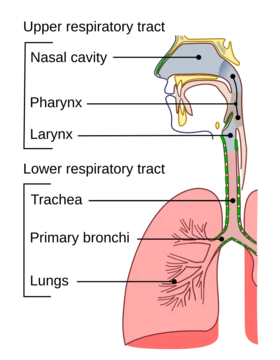
Most sinusitis is viral, so amoxicillin is ineffective there, and its small benefit is often outweighed by side effects. It is the first-line empirical treatment for uncomplicated bacterial sinusitis in both children and adults when cultures are unavailable. For community-acquired pneumonia in adults, it is the preferred first-line drug, either alone for mild-to-moderate cases or combined with a macrolide; it works as well as co-amoxiclav for hospitalized patients. The World Health Organization recommends it for non-severe pneumonia and for preventing anthrax after inhalation exposure.
H. pylori
For stomach infections with Helicobacter pylori, amoxicillin is part of a multi-drug regimen, typically with a proton-pump inhibitor and a macrolide; other combinations, including one with bismuth subsalicylate, also work. It treats early Lyme disease effectively, with no better or worse outcomes than other oral antibiotics. It is used for odontogenic infections and after tooth extractions, especially in people with weakened immune systems. For skin infections like acne vulgaris, it often works when other antibiotics such as doxycycline or minocycline have failed.
Prevention of bacterial endocarditis
In resource-limited settings, the WHO recommends amoxicillin for infants with pneumonia when hospitalization is not possible, and combined with gentamicin for other severe infections. It is also used to prevent bacterial endocarditis in high-risk people undergoing dental work, to prevent infections in people without spleens or with damaged spleens (such as those with sickle-cell disease), and for anthrax prevention and treatment. The United Kingdom advises against using it for endocarditis prophylaxis, though this recommendation has not changed infection rates.
Because some bacteria produce beta-lactamase enzymes that break down amoxicillin, it is often combined with clavulanic acid (a beta-lactamase inhibitor), a combination called co-amoxiclav. Amoxicillin is a moderate-spectrum, bacteriolytic antibiotic in the aminopenicillin family.
Lore & Background
It is available as a generic medication and is on the World Health Organization's List of Essential Medicines.
Reader's Guide
Amoxicillin is a moderate-spectrum, bacteriolytic β-lactam antibiotic in the aminopenicillin family. It is taken orally, or less commonly by intramuscular injection or IV bolus. Common adverse effects include nausea and rash; it may increase the risk of yeast infections, and when combined with clavulanic acid, diarrhea. It should not be used in those allergic to penicillin.
Its use in pregnancy and breastfeeding does not appear to be harmful. The drug is effective against susceptible Gram-positive and Gram-negative bacteria, including Streptococcus, Bacillus subtilis, Enterococcus, Haemophilus, Helicobacter, and Moraxella, while Citrobacter, Klebsiella, and Pseudomonas aeruginosa are resistant. Some E. coli and most clinical strains of Staphylococcus aureus have developed resistance.
Amoxicillin is recommended as first-line treatment for community-acquired pneumonia, acute otitis media in younger children, and early cutaneous Lyme borreliosis. It is also used in multi-drug regimens for Helicobacter pylori and for post-exposure anthrax prophylaxis. Adverse effects can include rare neurotoxicity at high plasma concentrations and allergic reactions that may be fatal due to anaphylaxis. Between 3 and 10% of children develop a late-onset maculopapular rash.
Also in the Codexery
More in Respiratory & Infectious Diseases
Sources
Compiled from Wikipedia and the sources listed below. Text from Wikipedia is available under CC BY-SA 4.0; this entry is adapted from it.
- Wikipedia: Amoxicillin (CC BY-SA 4.0).
- Word definitions: the Codexery glossary, each quoted from its Wikipedia article.
Spotted an error? Know more?
Reader corrections go straight into our review queue. Suggest an edit · How this site is sourced