Asthma
A chronic inflammatory airway disease with variable symptoms and no cure.
Last updated
Asthma is a common long-term inflammatory disease of the airways, characterized by variable and recurring symptoms and reduced lung function. It is thought to be caused by a combination of genetic and environmental factors, and there is no known cure, though it can be controlled.
Lore & Background
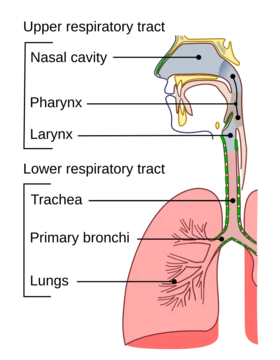
Asthma causes recurrent episodes of wheezing, shortness of breath, chest tightness, and coughing, often worse at night, in early morning, or with exercise or cold air. A sudden worsening, called an asthma attack or exacerbation, can occur when allergens, pollen, dust, or other particles are inhaled, causing bronchioles to constrict and produce mucus, restricting oxygen flow to the alveoli. Symptoms may occur a few times a day or a few times per week.
Asthma is classified according to severity, control of symptoms, phenotypes, and endotypes. The two main endotypes are T2-high and T2-low, distinguished by the type of inflammation present. Asthma is often associated with other conditions such as allergic diseases, COPD, exercise-induced bronchoconstriction, obesity, gastroesophageal reflux disease, and mental health conditions like anxiety and depression.
Diagnosis is usually based on pattern of symptoms, response to therapy over time, and spirometry lung function testing. Treatment includes avoiding triggers, inhaled corticosteroids, long-acting beta agonists, antileukotriene agents, and for rapidly worsening symptoms, inhaled short-acting beta2 agonists, oral corticosteroids, and oxygen therapy. In very severe cases, intravenous corticosteroids and hospitalization may be required.
Reader's Guide
It often begins in childhood and was recognized as early as ancient Egypt. The condition is considered a syndrome due to diversity in onset, symptoms, outcomes, and response to treatment. Asthma severity is determined by the amount of medication required to control symptoms, while control is assessed by symptom frequency, impairment, rescue inhaler use, and objective tests.
The distinction between asthma and COPD lies in the fluctuating nature of expiratory airflow in asthma versus chronic obstruction in COPD. Understanding phenotypes and endotypes, such as T2-high and T2-low, helps guide treatment approaches, though mechanisms for T2-low asthma remain poorly researched. There is no cure, but symptoms can be prevented and suppressed with appropriate management.
Did You Know?
- The word asthma comes from the Greek ἆσθμα (âsthma), meaning 'panting'.
- Most asthma-related deaths occur in low- and lower-middle-income countries.
More in Respiratory & Infectious Diseases
Sources
Compiled from Wikipedia and the sources listed below. Text from Wikipedia is available under CC BY-SA 4.0; this entry is adapted from it.
- Wikipedia: Asthma (CC BY-SA 4.0).
- Word definitions: the Codexery glossary, each quoted from its Wikipedia article.
Spotted an error? Know more?
Reader corrections go straight into our review queue. Suggest an edit · How this site is sourced