
Donna Summer
American singer who won the first Grammy for Best Female Rock Vocal Performance.
Last updated

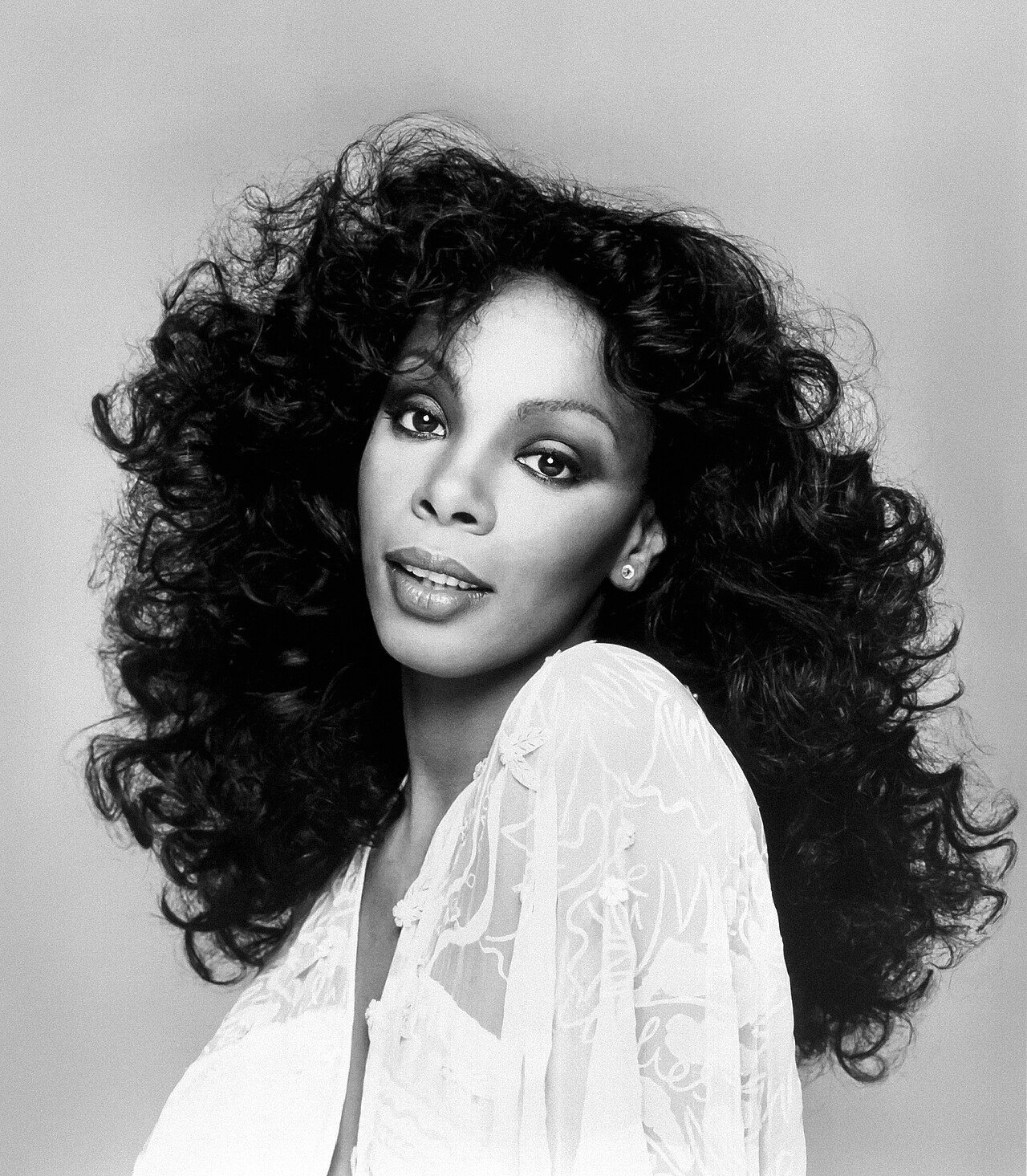
Kirt Edblom · CC BY-SA 2.0
Donna Adrian Gaines, known professionally as Donna Summer, was an American singer and songwriter who rose to fame during the disco era of the 1970s and became widely recognized as the "Queen of Disco." Born and raised in Boston, she dropped out of high school before graduating and began her career as the lead singer of a blues rock band called Crow, later moving to New York City. In 1968, she joined the German adaptation of the musical Hair in Munich, where she lived for several years, acting and singing. There, she met producers Giorgio Moroder and Pete Bellotte, and released her first album, Lady of the Night, in 1974, which was only available in Europe.
After recording the groundbreaking disco anthem "Love to Love You Baby" and releasing it in Europe, she signed with Casablanca Records in 1975 for its North American release. The single became her first top five hit on the Billboard Hot 100, peaking at number two in 1976. Her first three Casablanca albums—Love to Love You Baby, A Love Trilogy, and Four Seasons of Love—all went gold in the US, earning her the informal title "First Lady of Love" in the music press. Her 1977 album I Remember Yesterday produced the top ten US and number one UK hit "I Feel Love," later hailed as one of the most important records in pop music history.
1979–1980: Bad Girls and fallout with Casablanca
After recording much of her early work in Munich, Summer and her producers relocated to the United States, where she continued releasing successful singles such as "Last Dance," "MacArthur Park," "Heaven Knows," "Hot Stuff," "Bad Girls," "Dim All the Lights," "No More Tears (Enough Is Enough)" with Barbra Streisand, and "On the Radio." Starting in 1978, she topped the Billboard 200 with the live album Live and More, beginning a streak of three consecutive number one albums, including Bad Girls (1979) and the compilation On the Radio: Greatest Hits Volumes I & II (1980). She became the first and only artist to have three number one double albums, all certified platinum or higher, with Bad Girls selling over two million copies. In 1979, she became the first female artist to record three number one singles in one calendar year.
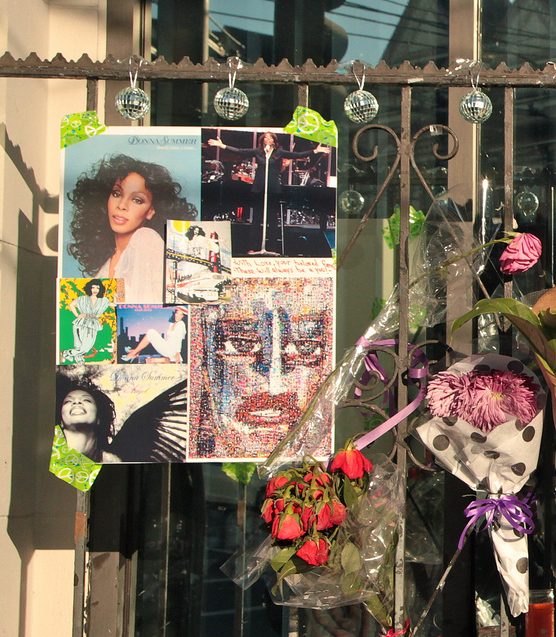
Background
Donna Summer's "Hot Stuff" was a turning point in her career, showing a significant rock direction alongside her established disco sound. The song featured a guitar solo by ex-Doobie Brother and Steely Dan guitarist Jeff "Skunk" Baxter. It was produced by English producer Pete Bellotte and Italian producer Giorgio Moroder. "Hot Stuff" was certified Platinum by the RIAA and remained at number one on the Billboard Hot 100 chart for three non-consecutive weeks. It spent the longest time in the top ten in 1979: fourteen weeks.
The song also topped the US Dance Club Songs chart, with Summer's follow-up "Bad Girls" as a double A-side. "Hot Stuff" was the seventh biggest song of 1979 in the US. The popular 12" single edition plays the full 6:47 version of the song and then segues into "Bad Girls" 4:55 version. In 2018, a remix by Ralphi Rosario and Erick Ibiza entitled "Hot Stuff 2018" went to number one on the US Dance Club Songs chart. The song was ranked No. 104 on Rolling Stone's list of "The 500 Greatest Songs of All Time" in 2010.
Chart Dominance and Commercial Triumph
Hot Stuff arrived in 1979 as the lead single from Donna Summer's seventh studio album, Bad Girls, released through Casablanca Records. The track became the second of four Billboard Hot 100 number-one hits in Summer's career, holding the top spot for three non-consecutive weeks and spending a remarkable fourteen weeks inside the top ten—the longest such run of any song that year. On the dance floor, the track also claimed the top position on the US Dance Club Songs chart, paired as a double A-side with the follow-up "Bad Girls." The popular twelve-inch single edition offered listeners the full six-minute-and-forty-seven-second version before seamlessly seguing into the four-minute-and-fifty-five-second cut of "Bad Girls," creating a continuous listening experience that rewarded dedicated fans. For Summer, the song cemented her status as a defining voice of late-1970s popular music while simultaneously expanding her audience well beyond the disco crowd that had first championed her work.
Frequently Asked Questions
Why is Donna Summer called the "Queen of Disco"?
The title stuck because she dominated the disco charts throughout the 1970s with a string of massive singles that made her the genre's most visible face. Her powerful vocal delivery and dance-floor anthems positioned her as the undisputed top artist of that movement.
When and where was Donna Summer born?
She was born on December 31, 1948, in Boston, Massachusetts. She later adopted the shorter stage name Donna Summer for her professional music career.
How did Donna Summer die?
Donna Summer passed away on May 17, 2012, in Naples, Florida, at the age of 63. Her death brought an end to a career that had spanned several decades of popular music.
More in Pop & Rock Solo Artists
Sources
Compiled from Wikipedia and the sources listed below. Text from Wikipedia is available under CC BY-SA 4.0; this entry is adapted from it.
- Wikipedia: Donna Summer (CC BY-SA 4.0).
Spotted an error? Know more?
Reader corrections go straight into our review queue. Suggest an edit · How this site is sourced