Julius Caesar (play)
Shakespeare's tragedy of political conspiracy and civil war in Rome.
Last updated

William Shakespeare · Public domain
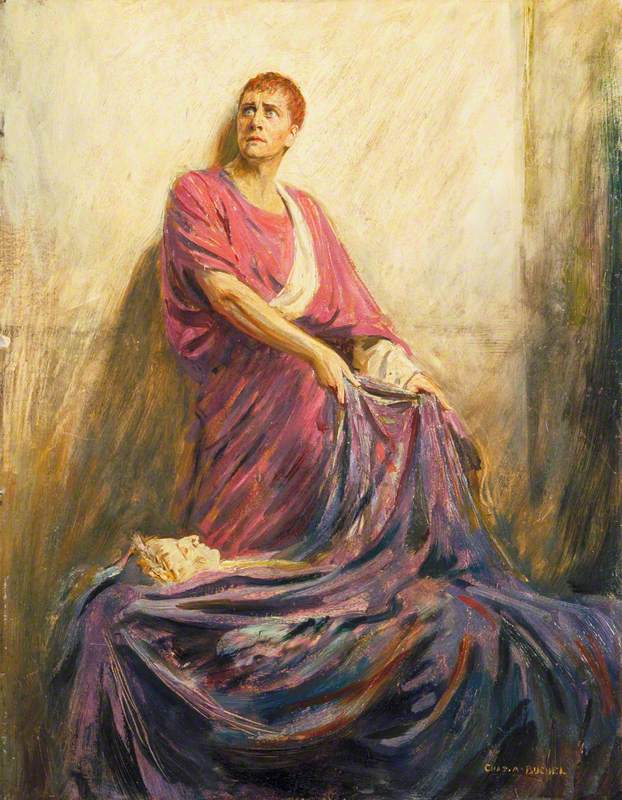
It concludes with Antony's tribute to Brutus as "the noblest Roman of them all."[1] The assassination plot against Julius Caesar and the ensuing conflict between factions are the central events of the play.[2][3]
Quick Facts
- Author
- William Shakespeare
- Genre
- Historical tragedy
- Setting
- Ancient Rome
- Main source
- Thomas North's translation of Plutarch's Lives
Facts from the source article.
Key facts and history
Caesar ignores a soothsayer and his wife Calpurnia's premonitions before going to the Senate.[2] Caesar's dying words include "Et tu, Brute?" and "Then fall, Caesar!"[2] The conspirators claim they killed Caesar to prevent an autocrat and do not flee the scene.[4] Antony's speech, beginning "Friends, Romans, countrymen," turns public opinion against the assassins.[4]
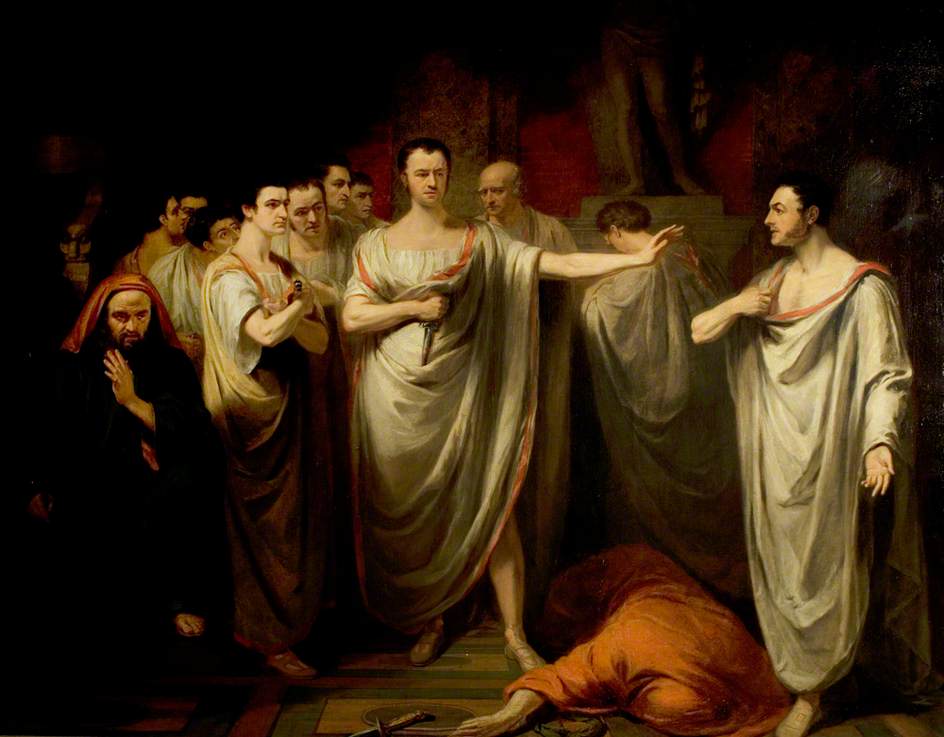
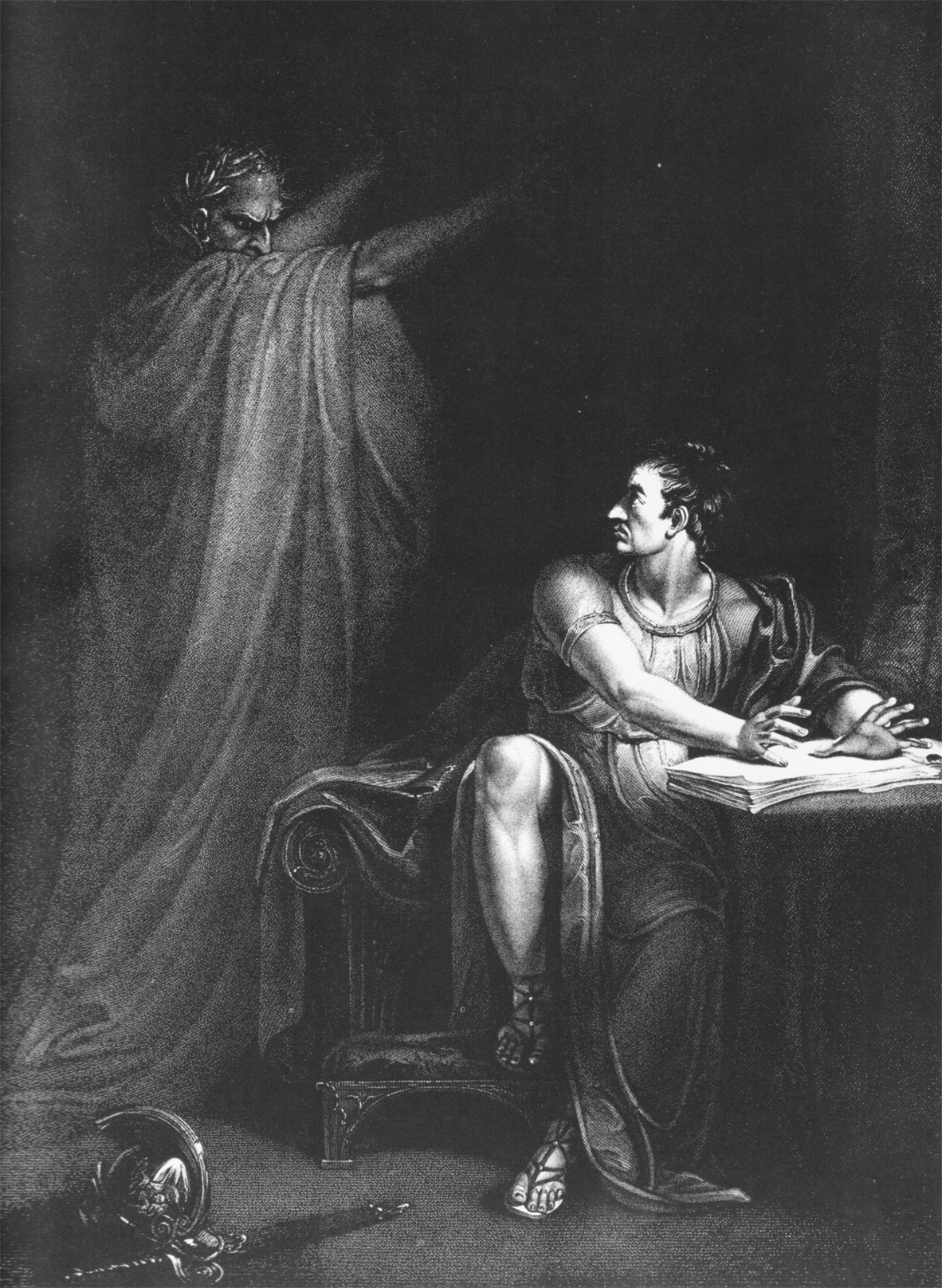
Brutus speaks to the crowd to justify the assassination, and for a short time the people support him.[4] Brutus accuses Cassius of accepting bribes, which he says taints their act; they make peace after Brutus tells Cassius that his wife died by suicide.[5] Brutus is visited by Caesar's ghost, which tells him they will meet at Philippi and warns of defeat.[3]
What the cited sources add
A 2004 Cambridge University Press edition of the play runs 208 pages.[6] The 2004 Cambridge University Press edition's character list includes citizens, Calpurnia, Portia, a soothsayer, Artemidorus, the poet Cinna, a cobbler, a carpenter, a poet, and Lucius, Brutus' attendant.[7][6]
References
- Wikipedia, "Julius Caesar (play)" (CC BY-SA 4.0), which cites: "Julius Caesar, Act 5, Scene 5, Line 68." (original not read by us) en.wikipedia.org
- Wikipedia, "Julius Caesar (play)" (CC BY-SA 4.0), which cites: "Julius Caesar, Act 3, Scene 1, Line 77." (original not read by us) en.wikipedia.org
- Wikipedia, "Julius Caesar (play)" (CC BY-SA 4.0), which cites: "Julius Caesar, Act 4, Scene 3, Line 283." (original not read by us) en.wikipedia.org
- Wikipedia, "Julius Caesar (play)" (CC BY-SA 4.0), which cites: "Julius Caesar, Act 3, Scene 2, Line 73." (original not read by us) en.wikipedia.org
- Wikipedia, "Julius Caesar (play)" (CC BY-SA 4.0), which cites: "Julius Caesar, Act 4, Scene 3, Lines 19–21." (original not read by us) en.wikipedia.org
- Open Library record, ISBN 9780521535137 ("Julius Caesar"). CC0 (metadata); book content not read. openlibrary.org
- Wikipedia, "Julius Caesar (play)" (CC BY-SA 4.0), which cites: Spevack, "Julius Caesar", Cambridge University Press, 2004, p. 74 (we also read that source) en.wikipedia.org
Each numbered sentence above was checked against the source it cites before publication. Sentences citing Wikipedia adapt text from the English Wikipedia article Julius Caesar (play) (contributors), used under CC BY-SA 4.0; this entry is available under the same licence. Other sources were used for facts only; no text or images are copied from them.
More in Plays & Drama
Sources
Compiled from Wikipedia and the sources listed below. Text from Wikipedia is available under CC BY-SA 4.0; this entry is adapted from it.
- Wikipedia: Julius Caesar (play) (CC BY-SA 4.0).
Spotted an error? Know more?
Reader corrections go straight into our review queue. Suggest an edit · How this site is sourced