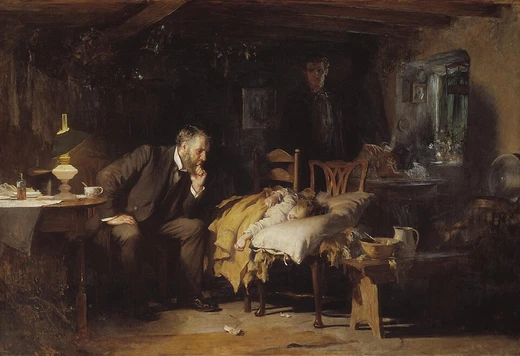
Hunayn ibn Ishaq
Abbasid translator and physician who advanced the translation of Greek medical works.

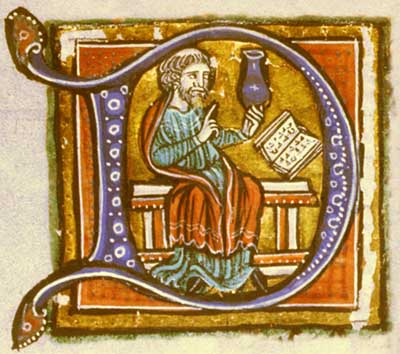
Christies.com · Public domain
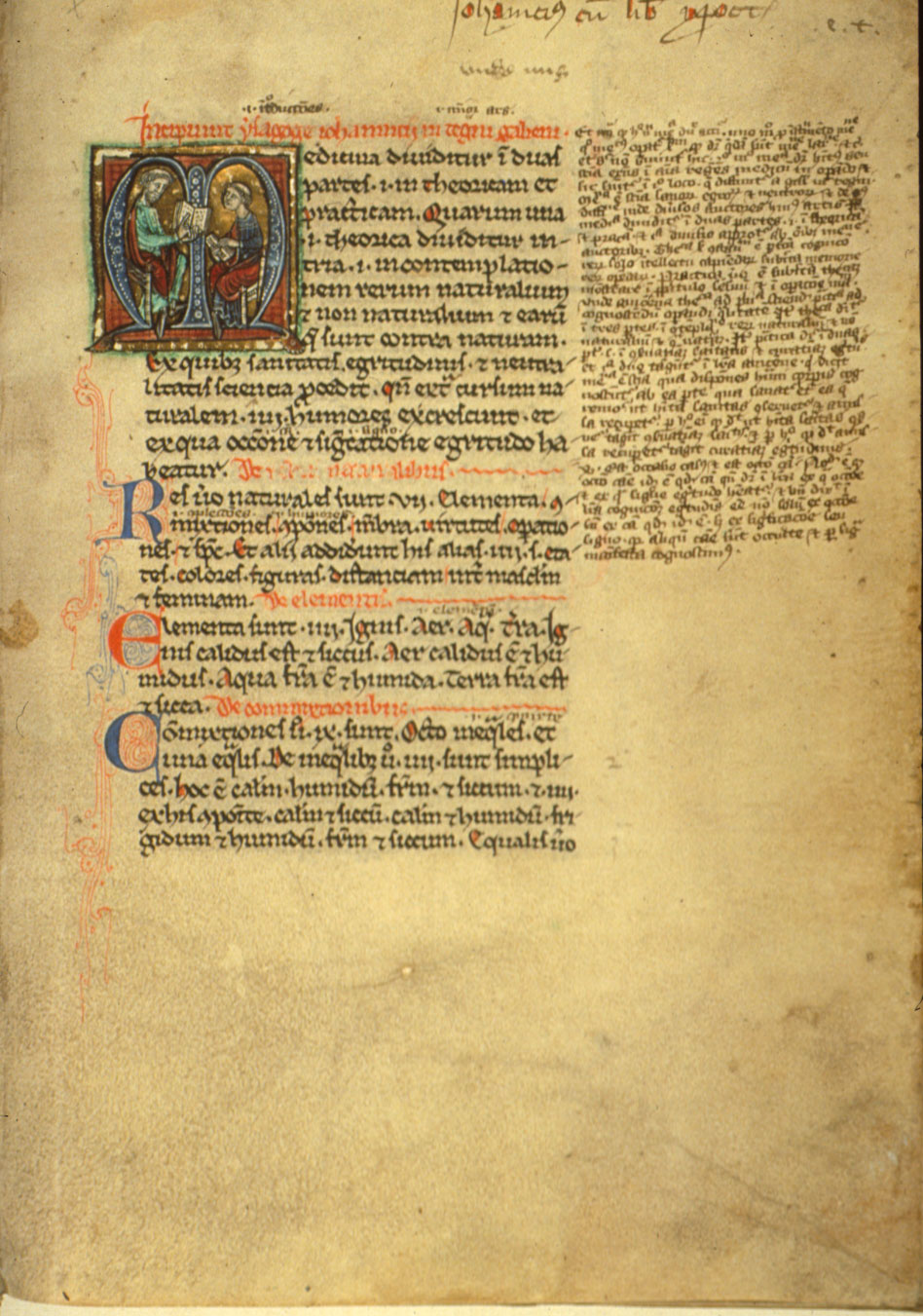
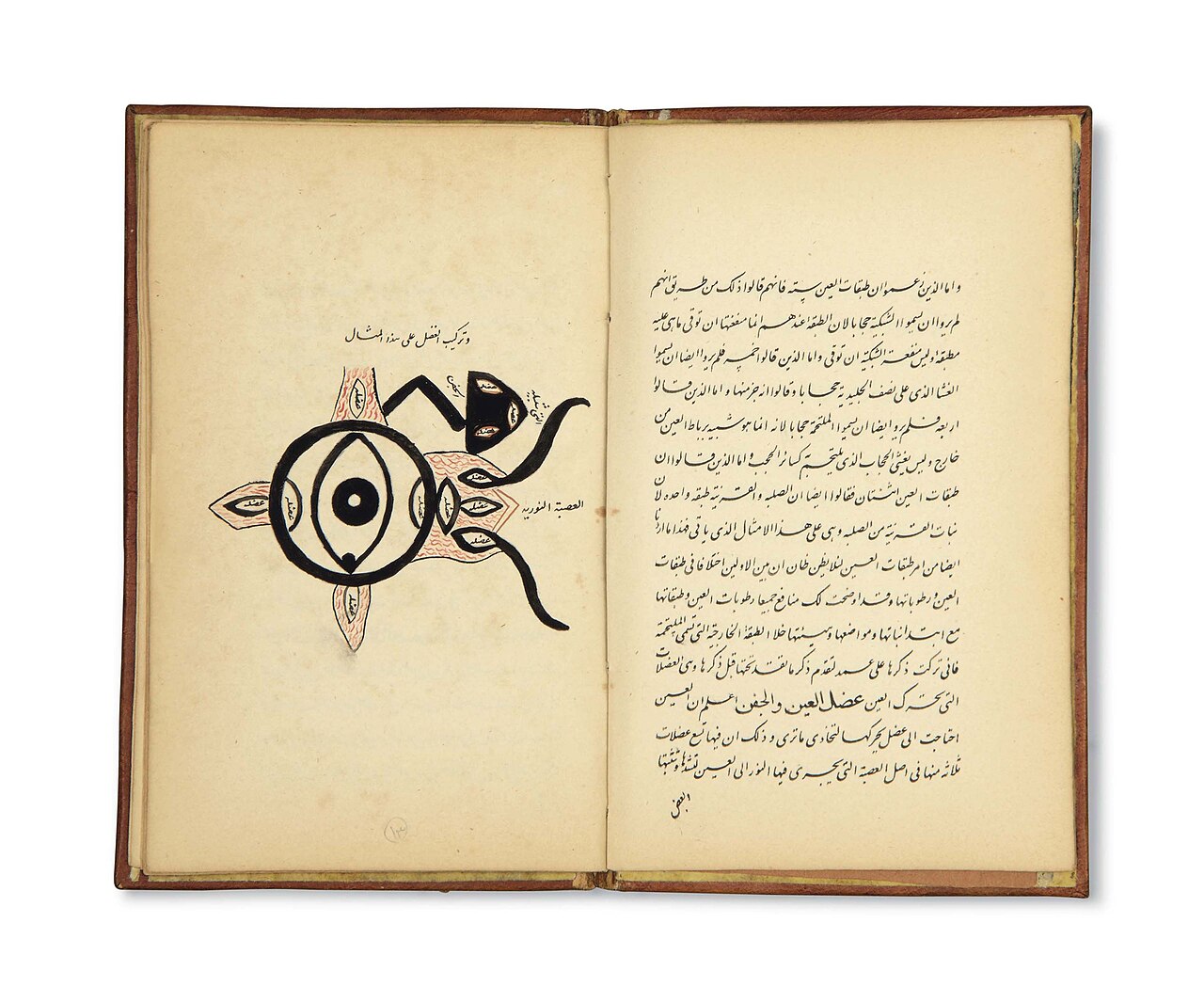
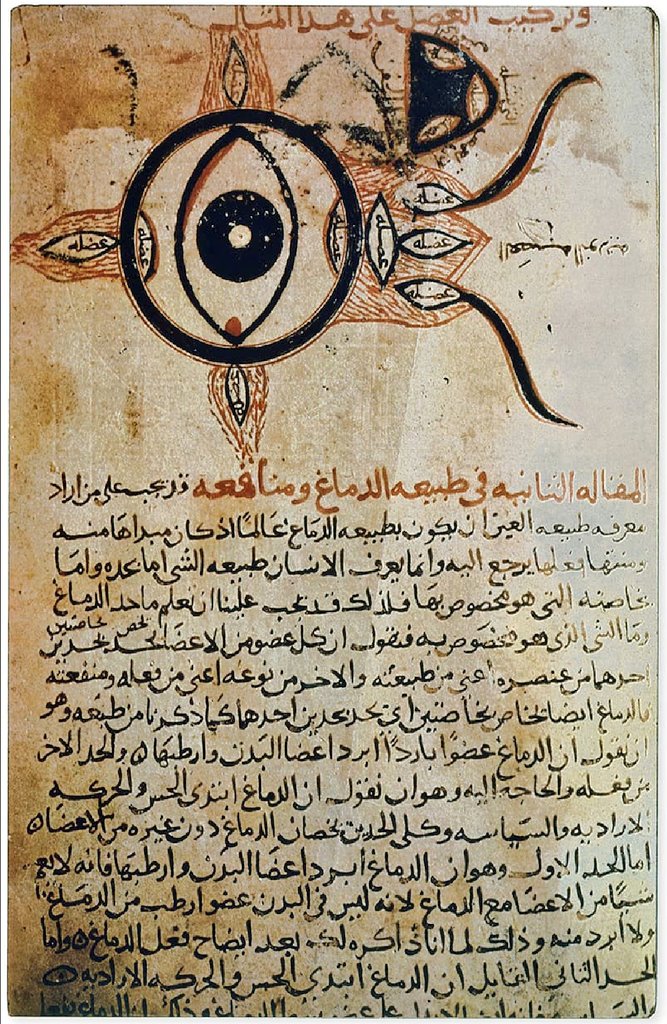
During the Abbasid era, Hunayn ibn Ishaq al-Ibadi became the most productive translator of Greek medical and scientific treatises, mastering Arabic, Syriac, Greek, and Persian, and was called the 'Sheikh of the Translators.' Born in 808 in al-Hirah to an ethnic Arab Christian family belonging to the Church of the East, he was part of the ʿIbad community, known for literacy and multilingualism. After studying Syriac and Arabic as a child, he moved to Baghdad to study medicine under the renowned physician Yuhanna ibn Masawayh. His persistent questioning, however, led to a falling out, prompting Hunayn to leave and master Greek abroad. Upon returning, he impressed ibn Masawayh by reciting Homer and Galen, leading to reconciliation and collaboration. Caliph al-Mamun recognized his talents and placed him in charge of the House of Wisdom, where Greek works were translated for scholars, and also sent him to Byzantium to seek manuscripts. Hunayn translated countless works, including Plato’s *Timaeus*, Aristotle’s *Metaphysics*, and the Old Testament, into Syriac and Arabic. He personally translated 129 works by Galen, traveling to find one, *De demonstratione*, of which he located only half in Damascus. He produced 36 original books, 21 on medicine, and wrote on philosophy, religion, and Arabic grammar. His *Book of the Ten Treatises of the Eye* was the first systematic treatment of ophthalmology, detailing the eye’s anatomy, diseases, and treatments, and he may have originated the idea that the crystalline lens sits at the eye’s center. His method of translation was widely followed by later scholars.
- field
- Translation, medicine, science, ophthalmology
- nationality
- Assyrian/Syriac Christian (from al-Hirah, Abbasid era)
- known_for
- Chief translator of Greek works, key figure in the translation movement, author of 'Book of the Ten Treatises of the Eye'
Lore & Background
Hunayn ibn Ishaq al-Ibadi was an Iraqi Arab Christian scholar of the Church of the East, born in al-Hirah, the former Lakhmid capital, to an ethnic Arab family from the literate, multilingual ʿIbad community. He mastered Arabic, Syriac, Greek, and Persian. After studying medicine in Baghdad under Yuhanna ibn Masawayh, he left to perfect his Greek abroad, returning to impress his teacher by reciting Homer and Galen. He became the era's most productive translator of Greek medical and scientific works, known as the "Sheikh of the Translators." He translated 129 works of Galen alone, traveling to Damascus to find half of a missing treatise. His method, emphasizing accuracy, was widely followed. He produced 36 original books, 21 on medicine, and wrote on philosophy, religion, and Arabic grammar. His "Book of the Ten Treatises of the Eye" was the first systematic textbook on ophthalmology, detailing the eye's anatomy, diseases, and treatments, and advancing the idea that the crystalline lens sits at the eye's center. He worked at the House of Wisdom in Baghdad, translating Plato, Aristotle, and the Old Testament into Syriac and Arabic. His fame extended far beyond his local community.
Reader's Guide
Hunayn ibn Ishaq's significance lies in his role as the era's most productive translator of Greek medical and scientific treatises, which directly enabled the transmission of classical knowledge into Arabic and Syriac. His method of translation set a standard for accuracy that later translators followed, and his original works, especially in ophthalmology, advanced medical understanding for centuries. By laying the foundations of Islamic medicine, he influenced both Eastern and Western medical traditions; his Latin name Johannitius reflects his impact on Europe. The translations he and his team produced—covering philosophy, mathematics, natural science, and medicine—were essential to the Abbasid Translation Movement, though the exact role of the House of Wisdom remains debated. His ethical stand against poisoning and his systematic approach to medicine and translation cemented his legacy as a pivotal figure in the history of science.
Did You Know?
- He wrote the first systematic textbook on ophthalmology, 'Book of the Ten Treatises of the Eye,' which reflects the ancient and medieval view that the crystalline lens is at the eye's center.
- He was imprisoned for a year after refusing Caliph al-Mutawakkil's request to formulate a poison, citing the physician's oath.
- He mastered four languages: Arabic, Syriac, Greek, and Persian.
Gallery
Frequently Asked Questions
What is Hunayn ibn Ishaq best known for?
He earned the title 'Sheikh of the Translators' for his prolific rendering of Greek medical and scientific texts into Arabic. His work was a cornerstone of the broader translation movement that carried classical knowledge into the Islamic world.
What languages did Hunayn ibn Ishaq work in?
He was fluent in Arabic, Syriac, Greek, and Persian, which let him translate directly from original Greek sources rather than depending on intermediate versions.
What is Hunayn ibn Ishaq's most famous authored work?
He wrote the 'Book of the Ten Treatises of the Eye,' a systematic text on ophthalmology that became a foundational reference in the study of eye disease and surgery.
Why is Hunayn ibn Ishaq important to the history of medicine?
His translations opened Greek medical and scientific knowledge to Arabic-speaking scholars, profoundly shaping the trajectory of Islamic medicine and science. Though he is not credited as the sole founder of Islamic medicine, his role as chief translator made him indispensable to the field's development.
More in Pioneers Of Medicine 1-24
Spotted an error? Know more?
This is a living reference — every entry is fact-audited, and reader corrections feed straight into our audit queue. Suggest an edit · See this site's audit record