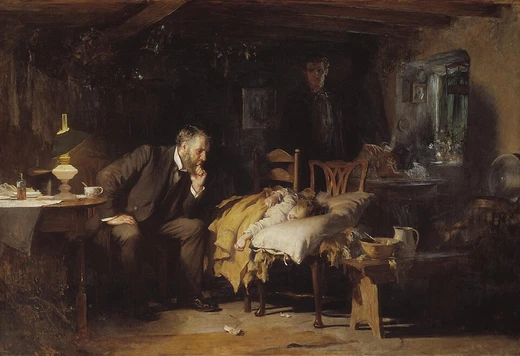
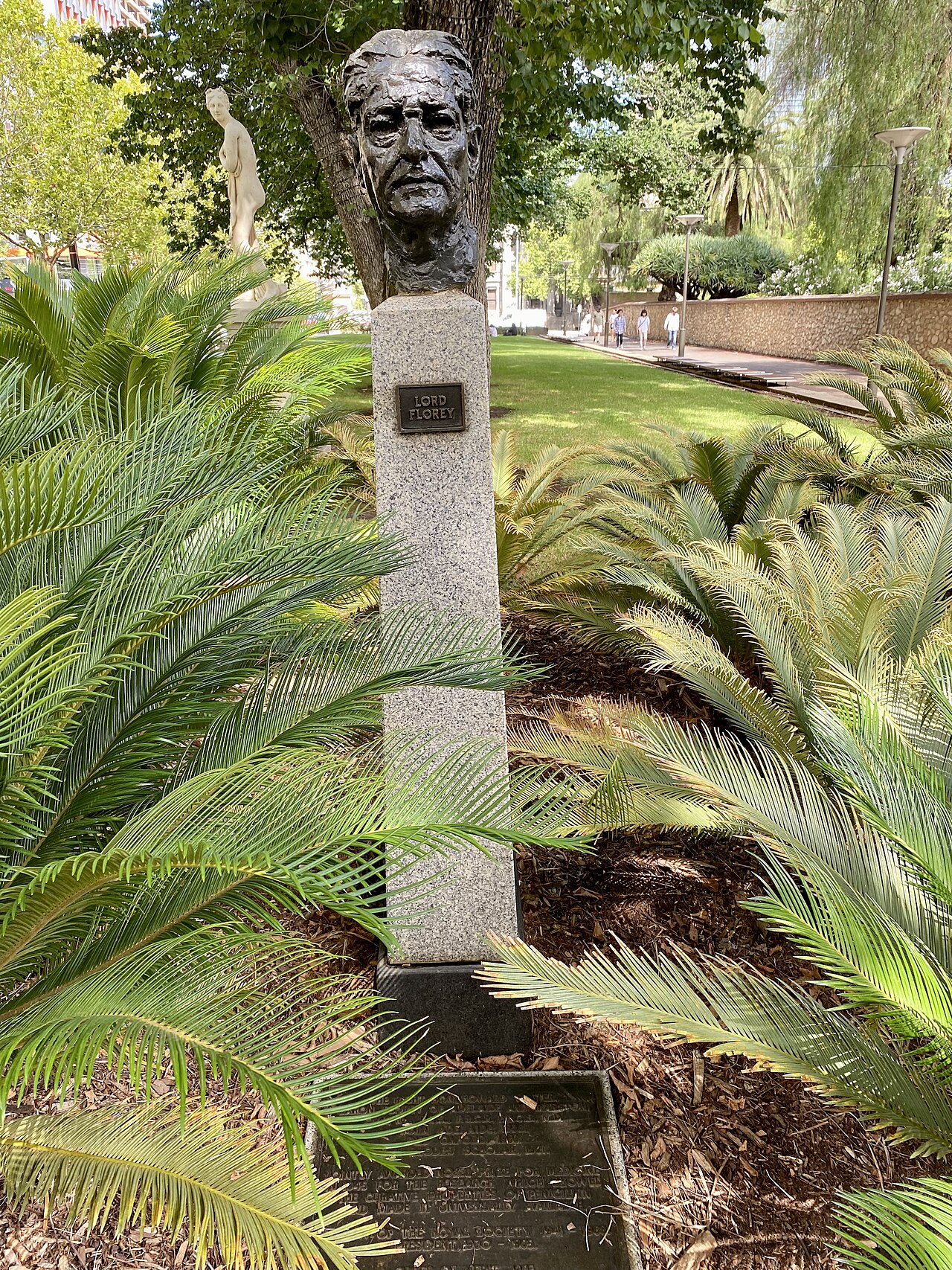
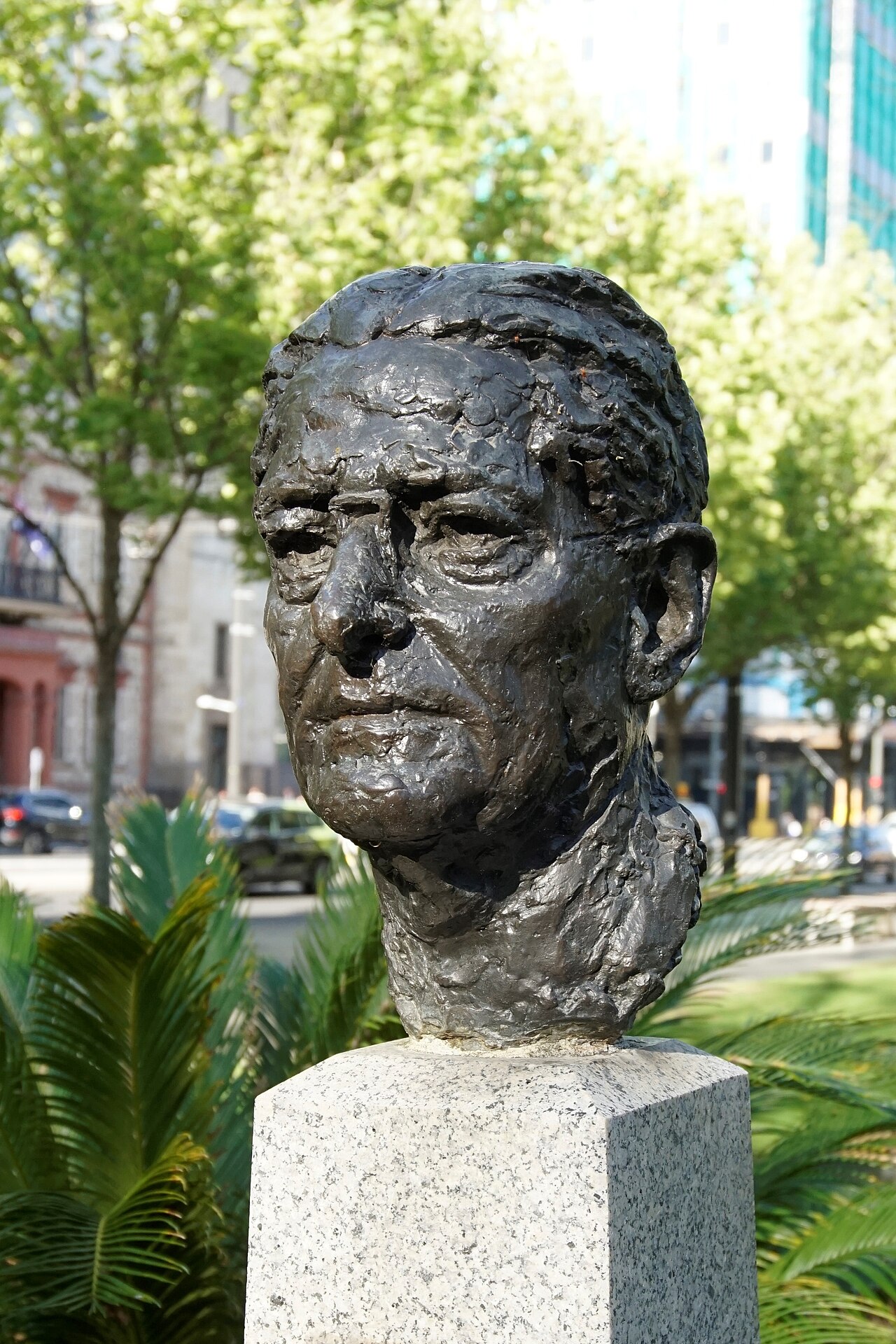
Howard Florey
Australian pharmacologist who turned penicillin into a life-saving drug.

Pangalau · CC BY-SA 4.0
Howard Walter Florey, later Baron Florey of Adelaide and Marston, was born on 24 September 1898 and died on 21 February 1968. An Australian pharmacologist and pathologist, he was a co-recipient of the 1945 Nobel Prize in Physiology or Medicine alongside Ernst Chain and Sir Alexander Fleming, awarded for the discovery of penicillin and its curative effect in various infectious diseases. While Fleming garnered most of the public recognition for penicillin, it was Florey and his Oxford University team who transformed it into a practical and effective medication, a full decade after Fleming had stopped working on it. The group devised methods to cultivate, purify, and mass-produce the drug, assessed its safety and effectiveness in animal tests, and conducted the initial human trials. In 1941, they treated an Oxford police constable, who began to recover but eventually died because Florey could not yet produce enough penicillin. Later trials in Britain, the United States, and North Africa proved highly successful.
Florey graduated from the University of Adelaide, then studied at Oxford as a Rhodes Scholar and in the United States on a Rockefeller Foundation fellowship. In 1935, he became director of the Sir William Dunn School of Pathology at Oxford, where he built a multidisciplinary team capable of tackling large research projects. Beyond penicillin, his research covered lysozyme, contraception, and cephalosporins. He helped found the Australian National University and its John Curtin School of Medical Research, and served as the university’s chancellor from 1965 until his death. Elected a fellow of the Royal Society in 1941, he served as its president from 1960 to 1965, overseeing its move to Carlton House Terrace and the creation of ties with European organizations. In 1962, he became provost of The Queen’s College, Oxford.
Florey’s work is estimated to have saved over 80 million lives, and the Australian scientific and medical community considers him one of its greatest figures. Prime Minister Sir Robert Menzies stated, “In terms of world well-being, Florey was the most important man ever born in Australia.”
Florey was born on 24 September 1898 in Malvern, a southern suburb of Adelaide, South Australia. His surname rhymes with “sorry.” He was the only son of Joseph Florey, a bootmaker from Oxfordshire, England, who had moved to London as a boy when Florey’s grandfather set up a bootmaking business. Joseph’s first wife, Charlotte Ames, bore two daughters: Charlotte (born 1880) and Anne (born 1882). After Charlotte contracted pulmonary tuberculosis, the family emigrated to South Australia, hoping the climate would help. Her health worsened, and she died in April 1886. Joseph started his own bootmaking business in Adelaide and married Bertha Mary Waldham, his housekeeper’s daughter. Their first child, Hilda, was born on 6 September 1890 and became a bacteriologist and pioneer in laboratory medicine. A second daughter, Valetta, was born in 1891. Florey thus had two older sisters and two older half-sisters.
In 1906, the family moved to “Coreega,” a mansion in the Adelaide suburb of Mitcham. Florey attended Unley Park School, a local private school, commuting two miles each day by horse-drawn tram with Mollie Clampett, a friend from the nearby rectory. At school, he gained the lifelong nickname “Floss,” a common diminutive of “Florence.” He transferred to Kyre College, a private boys’ school, in 1908, and entered St Peter’s College, Adelaide, in 1911, where he excelled in chemistry, physics, mathematics, and history. He played cricket, Australian football, tennis, and competed in track and field as a sprinter and high jumper. Four scholarships covered his education. He served in the Senior Cadets, becoming a second lieutenant in August 1916. Though he wished to enlist after World War I broke out in 1914, his parents refused permission. He became head boy in his final year and ranked twelfth in the state in his final exams.
Rather than follow his father into business, Florey chose to study medicine, like his sister Hilda. He entered the University of Adelaide in March 1917, with a state scholarship covering all fees. This allowed him to continue after his father died of a heart attack on 15 September 1918, when the shoe company was found insolvent and liquidated. Coreega and other properties were sold, and in 1920 the family moved into a bungalow in Glen Osmond. At university, Florey participated in athletics and tennis. He edited the Medical Students’ Society’s Review and the Adelaide University Magazine. Through the latter, he met fellow medical student Mary Ethel Hayter Reed, asking her to contribute an article on Women in Medicine.
Florey decided to pursue medical research, which required studying abroad. In August 1920, he applied for a Rhodes Scholarship to study at Oxford. He was announced as the successful South Australian candidate on 8 December. The scholarship was a high honour, carrying a stipend of £300 (equivalent to about $47,000 in 2022). The Rhodes Committee wanted him to start in October, the beginning of Oxford’s academic year, which meant either postponing the scholarship for a year or deferring his final medical exams until he returned.
- born
- 24 September 1898, Malvern, Adelaide, South Australia
- died
- 21 February 1968
- field
- Pharmacology, pathology
- nationality
- Australian
- known_for
- Development of penicillin as a usable drug; Nobel Prize in Physiology or Medicin
Verified Timeline
Lore & Background
Howard Florey was born in Malvern, a southern suburb of Adelaide, South Australia, on 24 September 1898. He was the only son of Joseph Florey, a bootmaker from Oxfordshire in England, and Bertha Mary Waldham. He attended Unley Park School, then transferred to Kyre College in 1908, and entered St Peter's College, Adelaide, in 1911, where he excelled in chemistry, physics, mathematics and history. He entered the University of Adelaide in March 1917, his fees paid entirely by a state scholarship. He passed his examinations with second-class honours and was awarded his Bachelor of Medicine, Bachelor of Surgery degree in absentia in December 1921. He studied at the University of Oxford as a Rhodes Scholar, enrolling at Magdalen College, where he studied physiology under Sir Charles Scott Sherrington. He also studied in the United States on a fellowship from the Rockefeller Foundation, working at the University of Pennsylvania and Cornell University Medical College. In 1935, Florey became director of the Sir William Dunn School of Pathology at Oxford, where he assembled a multidisciplinary staff that could tackle major research projects. His team developed techniques for growing, purifying and manufacturing penicillin, tested it for toxicity and efficacy on animals, and carried out the first clinical trials. In 1941, they used it to treat a police constable from Oxford; he started to recover, but subsequently died because Florey was unable, at that time, to make enough penicillin. Later trials in Britain, the United States and North Africa were highly successful. Florey also researched many other subjects, most notably lysozyme, contraception and cephalosporins. Florey was involved in the founding of the Australian National University in Canberra and the establishment of its John Curtin School of Medical Research, and served as chancellor of the Australian National University from 1965 until his death in 1968. He was elected a fellow of the Royal Society in 1941, and as its president from 1960 to 1965, he oversaw its move to new accommodations at Carlton House Terrace and the establishment of links with European organisations. In 1962, he became provost of The Queen's College, Oxford.
Reader's Guide
Florey's work is central to the history of antibiotics. Although Alexander Fleming is often credited with discovering penicillin, it was Florey and his Oxford team who transformed it into a useful and effective drug, ten years after Fleming had abandoned its development. Their first clinical trial in 1941, treating a police constable from Oxford, ended in the patient's death because Florey could not make enough penicillin at that time. Later trials in Britain, the United States and North Africa were highly successful. Florey's discoveries are estimated to have saved over 80 million lives. His contributions extended beyond penicillin to research on lysozyme, contraception and cephalosporins. He also played a key role in founding the Australian National University and its John Curtin School of Medical Research. Australian prime minister Sir Robert Menzies said, "In terms of world well-being, Florey was the most important man ever born in Australia." Florey's legacy is that of a meticulous scientist who led a multidisciplinary team to solve a major medical problem.
Did You Know?
- Florey's surname rhymes with 'sorry'.
- He acquired the lifelong nickname 'Floss' at school.
- In 1941, Florey and his team used penicillin to treat a police constable from Oxford, who started to recover but died because Florey could not make enough penicillin at that time.
- Florey served as president of the Royal Society from 1960 to 1965, overseeing its move to Carlton House Terrace.
- Australian prime minister Sir Robert Menzies said, 'In terms of world well-being, Florey was the most important man ever born in Australia.'
From Lab Curiosity to Life-Saving Drug
Although Alexander Fleming is often credited as the sole discoverer of penicillin, it was Howard Florey and his Oxford team who transformed that initial observation into a practical, life-saving medicine roughly a decade after Fleming had set the project aside. Working at the University of Oxford, Florey's group developed the essential techniques for cultivating, purifying, and manufacturing the compound on a scale that made therapeutic use possible. They rigorously tested its toxicity and effectiveness in animal models before moving to human patients. In 1941, they administered penicillin to an Oxford police constable who was gravely ill. He began to improve, yet ultimately succumbed to his infection because Florey simply could not produce sufficient quantities of the drug at that stage. The subsequent clinical trials conducted across Britain, the United States, and North Africa proved overwhelmingly successful. For this collective achievement, Florey shared the 1945 Nobel Prize in Physiology or Medicine with Ernst Chain and Fleming, recognized specifically for bringing penicillin's curative power to bear against a range of infectious diseases.
Architect of a Multidisciplinary Research Culture
Florey's academic trajectory took him from a state-funded medical degree at the University of Adelaide to the hallowed halls of Oxford, where he arrived as a Rhodes Scholar in the early 1920s. A Rockefeller Foundation fellowship also sent him to the United States for further study. By 1935 he had been appointed director of the Sir William Dunn School of Pathology at Oxford, a position that gave him the platform to build something genuinely new: a multidisciplinary research team capable of tackling large-scale scientific problems that no single specialist could solve alone. Under his leadership, the school became a hub of ambitious inquiry well beyond penicillin. Florey personally pursued research into lysozyme, contraceptive methods, and cephalosporins, demonstrating a breadth of scientific curiosity that extended far into the mid-twentieth century. His approach to staffing and project design—gathering chemists, pharmacologists, and clinicians under one roof—set a template for collaborative biomedical research that would influence laboratories for generations.
Chancellor, Provost, and President of Science
Beyond the laboratory, Florey devoted enormous energy to shaping the institutions that housed scientific and medical education. He played a formative role in establishing the Australian National University in Canberra and in creating its John Curtin School of Medical Research, ensuring that Australia would have a world-class centre for biomedical inquiry. From 1965 until his death in 1968 he served as chancellor of that university. In Britain, his institutional leadership was equally significant. Elected a Fellow of the Royal Society in 1941, he went on to serve as its president from 1960 to 1965, a tenure during which he oversaw the Society's relocation to new premises at Carlton House Terrace and forged connections with European scientific bodies. In 1962 he was named provost of The Queen's College at Oxford, adding yet another layer to a career that wove together research, administration, and public service across two continents. His commitment to building enduring academic structures proved as consequential as his bench science.
A Family of Makers and a Legacy Measured in Millions
Born in the Adelaide suburb of Malvern in 1898, Howard Florey grew up in a household shaped by craftsmanship and loss. His father, Joseph, was a bootmaker originally from Oxfordshire who had emigrated to South Australia after his first wife died of tuberculosis. His mother, Bertha, was the daughter of the family's housekeeper. Among his siblings was Hilda, who became a leading figure in bacteriology and helped pioneer the field of laboratory medicine—an example that clearly pointed young Florey toward the sciences rather than his father's trade. After Joseph's sudden death in 1918 and the liquidation of the shoe business, a state scholarship carried Florey through his medical studies at Adelaide. He carried the nickname "Floss" from his school days at Unley Park. The scale of his ultimate contribution is staggering: his work on penicillin is estimated to have saved more than eighty million lives. Australian Prime Minister Robert Menzies summed it up by describing Florey as the single most consequential Australian ever to have lived, when measured by the well-being of the world.
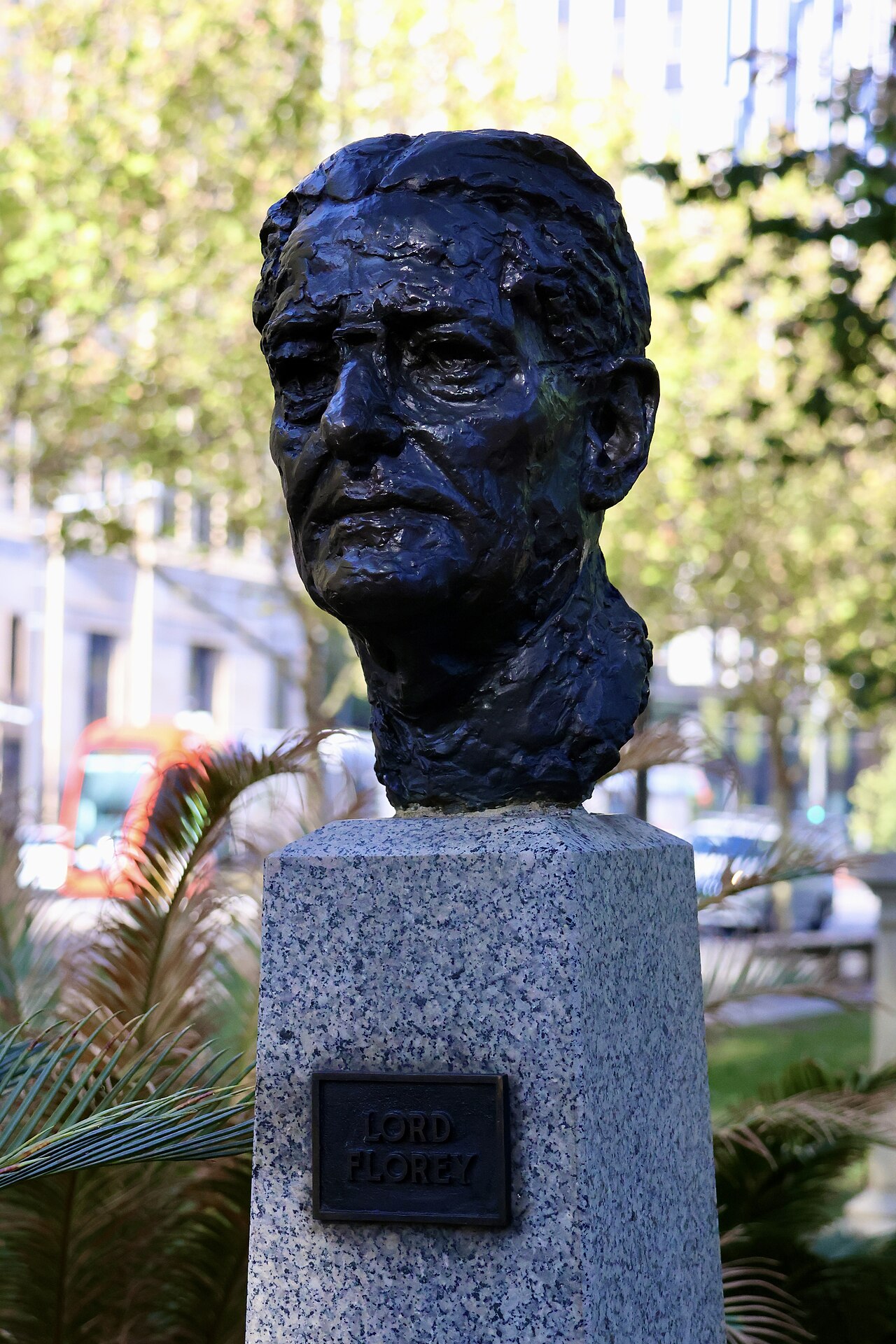
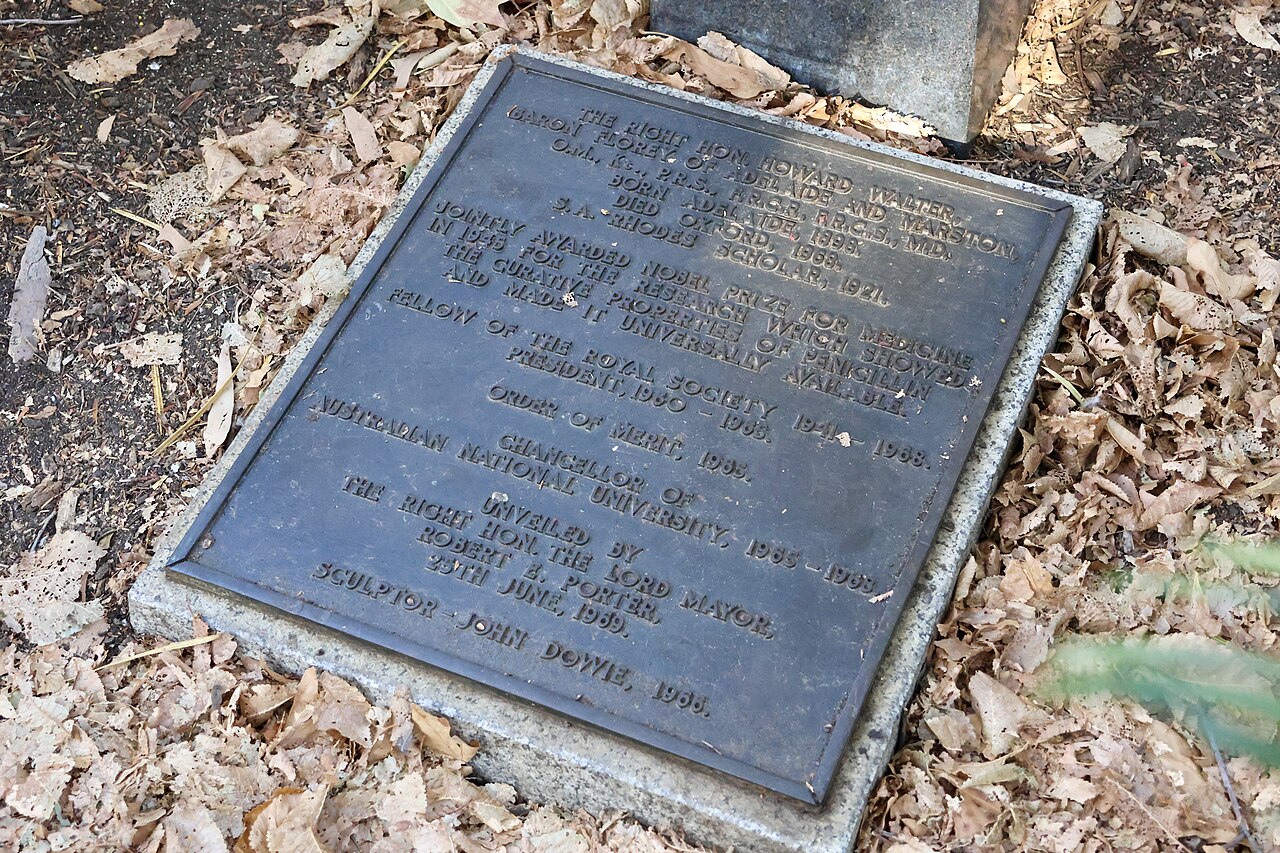
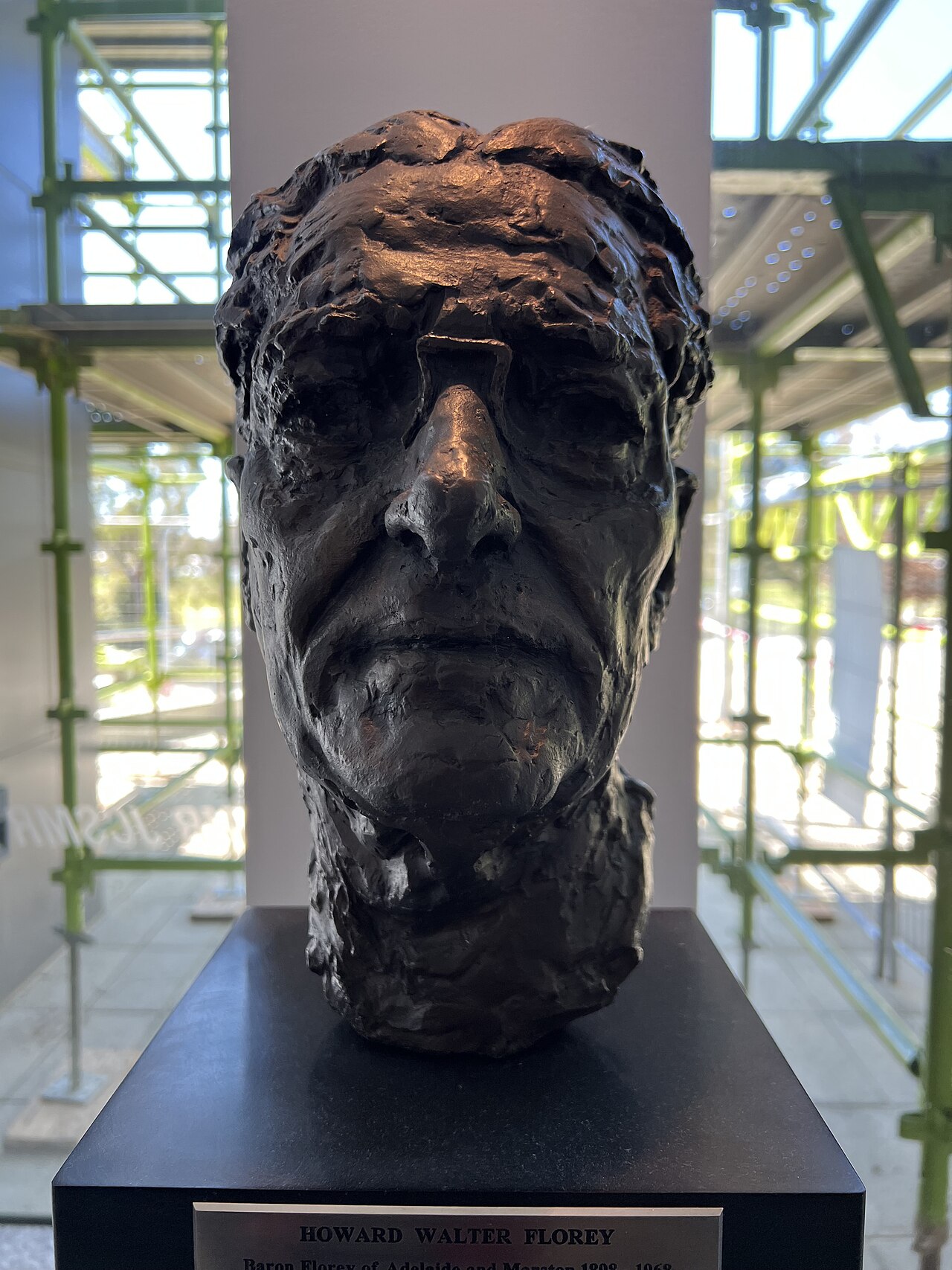
Gallery

Frequently Asked Questions
Who is Howard Florey?
Howard Florey was an Australian pharmacologist and pathologist born in Adelaide in 1898 who led the Oxford team that turned penicillin from a lab curiosity into a practical, life-saving medication. He oversaw the purification, large-scale cultivation, animal testing, and first human trials that made the drug usable in hospitals.
What exactly did Florey contribute compared to Fleming?
Fleming identified the antibacterial properties of penicillin, but Florey and his group at Oxford figured out how to grow it in sufficient quantities, purify it reliably, and prove it could treat real infections in living patients. In practical terms, they converted a laboratory observation into a medicine that could save lives.
Did Howard Florey win a Nobel Prize?
Yes, in 1945 he shared the Nobel Prize in Physiology or Medicine with Ernst Chain and Alexander Fleming for developing penicillin as a therapeutic agent. Following the award he was ennobled as Baron Florey of Adelaide and Marston.
Where was Howard Florey born and what was his nationality?
He was born on 24 September 1898 in Malvern, a suburb of Adelaide, South Australia, and remained an Australian national throughout his life. His most impactful medical work, however, was carried out in the United Kingdom at the University of Oxford.
Why do fans often say Florey gets less credit than Fleming?
Public memory tends to attach the name "penicillin" almost exclusively to Fleming, even though Florey's team performed the essential work of making it a real, manufacturable drug. His contributions in purification, large-scale cultivation, and clinical testing are what actually saved millions of lives, yet he is frequently mentioned only as a secondary figure in the story.
More in Pioneers Of Medicine 1-24
Spotted an error? Know more?
This is a living reference — every entry is fact-audited, and reader corrections feed straight into our audit queue. Suggest an edit · See this site's audit record