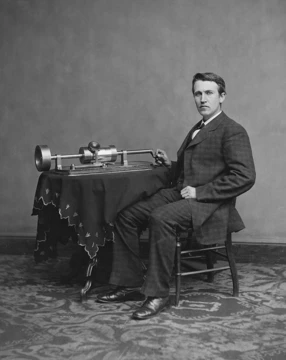
Philip Danforth Armour
Meatpacking industrialist who built a national market through innovation and scale.

Philip Danforth Armour Sr. was an American meatpacking industrialist who founded the Chicago-based firm of Armour and Company. Born on a farm in upstate New York, he first amassed a fortune of about $8,000 during the California gold rush by employing out-of-work miners to build sluices for controlling river water flow. After returning east, he opened a wholesale soap business in Cincinnati before relocating it to Milwaukee. During the American Civil War, Armour capitalized on selling meat to the Union army, making millions. His most famous early coup came near the war’s end when he predicted a Union victory would cause pork prices to drop; he contracted to buy at $40 per barrel, and when prices fell to $18, he netted a profit of $1 to $2 million. In 1875, he moved his base to Chicago, where he and his brothers formed Armour & Company, which initially packed only hogs. Armour revolutionized meatpacking by bringing live hogs to the city for slaughter, inventing an assembly-line disassembly system, canning the product, and achieving economies of scale. He systematically used waste products, boasting he used “everything but the squeal.” To reach national markets, he established a large fleet of refrigerated rail cars, following rival Gustavus Swift’s lead. By 1900, his plants employed 15,000 workers, and his personal wealth reached about $50 million. During the Spanish–American War, his company faced controversy over “embalmed beef” complaints. Armour also engaged in banking and futures speculation in pork and wheat. In the winter of 1879–1880, he personally traveled to Kansas to aid stranded Black Exodusters and raised $1,200 from Chicago businesses for their relief. He retired from business in 1899 and devoted himself to philanthropy, including low-cost housing for workers and founding the Armour Institute of Technology.
- field
- Meatpacking, food processing, banking, futures speculation
- nationality
- American
- known_for
- Founding Armour and Company; innovations in meatpacking including assembly line, refrigerated rail cars, and use of 'everything but the squeal'
Lore & Background
Philip Danforth Armour was born on a farm in upstate New York, one of eight children, and was descended from colonial settlers of Scottish and English origin. At age 19, he joined the California gold rush, walking most of the way from New York with about thirty others, and financed the party with several hundred dollars from his parents. In California, he started a business employing out-of-work miners to build sluices for controlling water flow in mined rivers, earning about $8,000 by age 24. He then moved to Milwaukee, starting a wholesale grocery business, and later partnered with John Plankinton in meatpacking, forming Plankinton, Armour & Company. During the Civil War, Armour capitalized on selling meat to the Union army, making millions. Near the war’s end, he predicted heavy Confederate losses would drop pork prices, contracting to buy at $40 per barrel before prices fell to $18, netting a profit of $1 million to $2 million. In 1875, he moved his base to Chicago, where he and his brothers formed Armour & Company, which packed hogs exclusively for its first eight years. Armour’s innovations included bringing live hogs to the city for slaughter, inventing an assembly line for disassembly, canning the product, and systematically using waste products, boasting he used “everything but the squeal.” He introduced refrigerated rail cars, opening a national market, and by 1900 his plants employed 15,000 workers, with his wealth around $50 million. He also raised funds for stranded Exodusters in Kansas during the winter of 1879–1880.
Reader's Guide
Armour’s transformation of the meatpacking industry rested on a series of practical innovations. He brought live hogs directly to Chicago for slaughter, devised an assembly-line system for disassembling them, and canned the resulting product. His operations achieved enormous economies of scale and meticulous attention to detail; he systematically used every waste product, famously claiming to utilize “everything but the squeal.” The introduction of refrigerated rail cars, following the lead of rival Gustavus Swift, allowed Armour to open a national market; by 1900 his private refrigerator car fleet had grown to over 12,000 units, all built in his own plant. His company became the world’s largest food processing and chemical manufacturing enterprise, and was the first to produce canned meat and among the first to employ assembly-line methods. Armour also expanded into banking and futures speculation on pork and wheat. By 1900 his plants employed 15,000 workers, and his personal wealth reached about $50 million. His career began with an $8,000 profit from the California gold rush, followed by a wholesale soap business in Cincinnati and a move to Milwaukee. During the Civil War he sold meat to the Union army, making millions; his most famous early coup came when he predicted falling pork prices after the war, contracting at $40 per barrel before prices dropped to $18, netting $1–2 million. In the winter of 1879–1880, disturbed by the plight of Exodusters stranded in Kansas, he raised $1,200 from Chicago businesses to aid them. After retiring in 1899, he focused on philanthropy, including low-cost housing for workers and founding the Armour Institute of Technology.
Did You Know?
- He famously declared that his company used 'everything but the squeal' from hogs.
Frequently Asked Questions
Who is Philip Danforth Armour?
He was an American meatpacking industrialist who founded Armour and Company in Chicago and rose to become one of the most prominent figures of the Gilded Age. His work spanned food processing, banking, and futures speculation, making him a defining name in 19th-century American industry.
What innovations did Philip Danforth Armour introduce to meatpacking?
Armour helped bring assembly-line disassembly of animal carcasses into the packing houses and championed the use of refrigerated rail cars so meat could travel hundreds of miles while staying fresh. He also pushed the practice of using virtually every part of the animal, turning what had been waste into sellable products.
How did Philip Danforth Armour build his business empire?
By pairing large-scale slaughter and processing operations with new distribution technology, he turned a regional Chicago trade into a national meat market. His willingness to invest in both machinery and logistics gave Armour and Company a scale that competitors struggled to match.
Why is Philip Danforth Armour considered important in industrial history?
His contributions reshaped how Americans sourced, processed, and shipped protein, effectively creating the backbone of the modern industrial food supply chain. Historians credit him with demonstrating that food processing could be run with the same efficiency and scale as steel or railroads.
More in Pioneers And Innovators 1-23
Spotted an error? Know more?
This is a living reference — every entry is fact-audited, and reader corrections feed straight into our audit queue. Suggest an edit · See this site's audit record