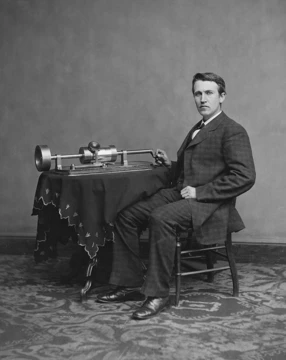
Madam C. J. Walker
Entrepreneur, philanthropist, and activist in Black hair care.

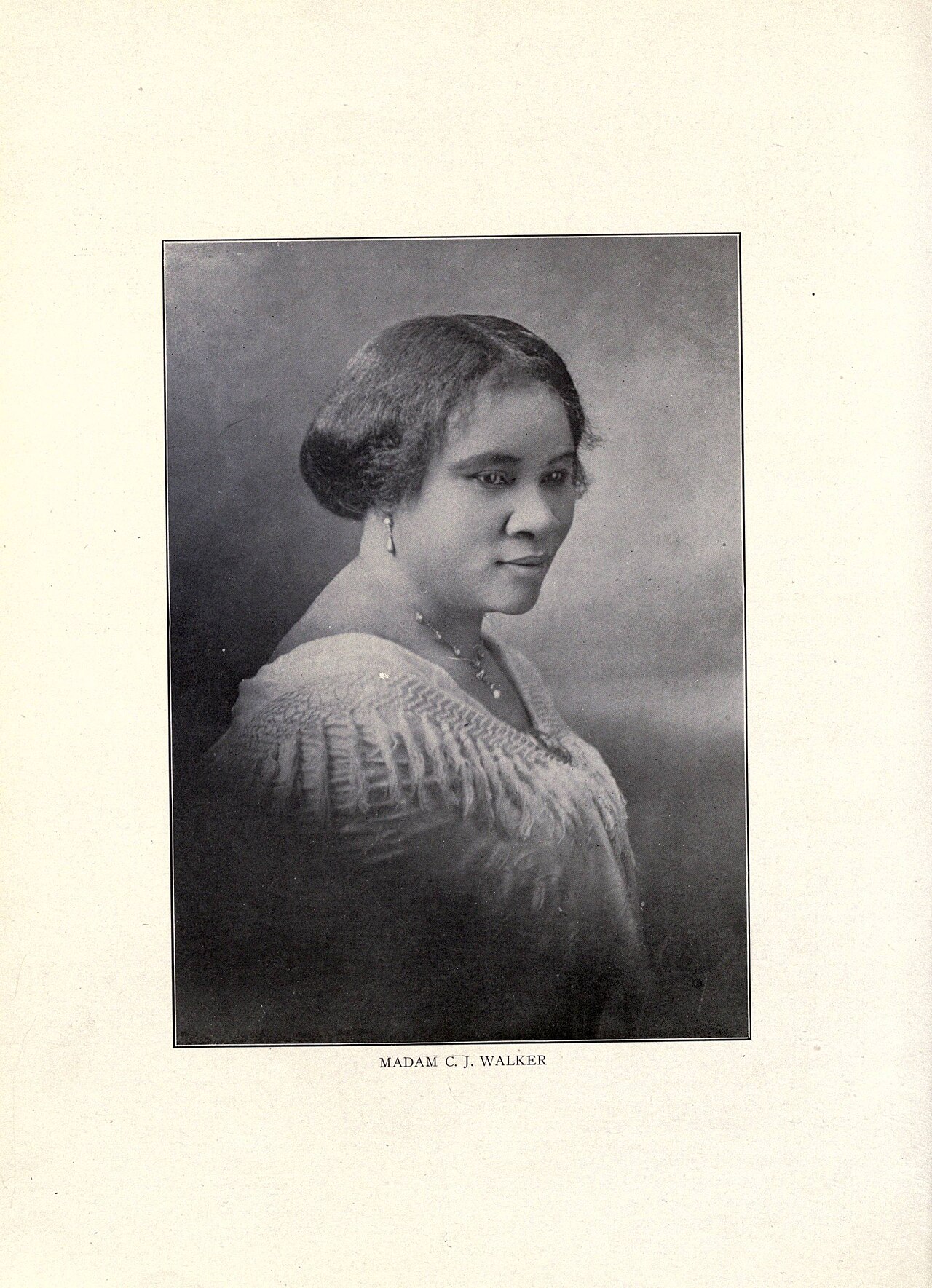
Unknown photographer · Public domain
Madam C. J. Walker was born Sarah Breedlove on December 23, 1867, near Delta, Louisiana, to Owen and Minerva Breedlove. She was the first of her siblings born into freedom, as her older brothers and sister had been enslaved on a Madison Parish plantation. Orphaned by age seven after losing both parents—her mother likely to cholera and her father a year later—she moved to Vicksburg, Mississippi, at ten to live with her sister and brother-in-law. She began working as a domestic servant in childhood and later recalled having only three months of formal education, gained through Sunday school literacy lessons. At fourteen, she married Moses McWilliams to escape abuse from her brother-in-law; they had a daughter, Lelia, born in 1885. After McWilliams’s death in 1887, she worked as a laundress in St. Louis, earning barely a dollar a day, determined to fund Lelia’s education. There, she suffered severe dandruff and baldness from harsh products and poor hygiene conditions common before indoor plumbing. Learning hair care from her barber brothers, she became a commission agent for Annie Turnbo Malone’s Poro Company around the 1904 St. Louis World’s Fair. In 1905, she moved to Denver, developing her own product line, though Malone accused her of stealing a formula. After marrying newspaper salesman Charles Joseph Walker in 1906, she adopted the name Madam C. J. Walker and built a door-to-door business selling cosmetics and hair care for Black women. She later founded the Madam C. J. Walker Manufacturing Company, becoming a self-made millionaire—a first documented in Guinness World Records—and a philanthropist supporting the NAACP and the arts, while her estate Villa Lewaro hosted the African-American community.
- field
- Entrepreneurship, philanthropy, activism
- nationality
- American
- known_for
- First documented self-made female millionaire in America; founder of Madam C. J. Walker Manufacturing Company; hair care and cosmetics for Black women
Lore & Background
Madam C. J. She was the first child in her family born into freedom; her parents and older siblings had been enslaved. Orphaned at age seven, she moved to Vicksburg, Mississippi, at ten, working as a domestic servant. She had only three months of formal education, gained during Sunday school literacy lessons. J. Walker. Walker began her career as a laundress in St. Louis, later selling products for Annie Turnbo Malone's Poro Company. With her husband's help in advertising, she sold products door to door and trained other Black women as sales agents. J. Walker Manufacturing Company with a factory, salon, and beauty school. Walker also became a patron of the arts and donated to the NAACP; her estate, Villa Lewaro in Irvington, New York, served as a social gathering place for the African-American community.
Reader's Guide
Madam C. J. Walker's significance lies in her documented status as the first self-made female millionaire in America, achieved through her hair care and cosmetics business targeting Black women. Her company provided economic opportunities for thousands of Black women as sales agents and beauty culturists, promoting financial independence. Walker's philanthropy and activism, including support for the NAACP, underscored her commitment to social causes. Her legacy is also tied to the broader history of Black entrepreneurship and the beauty industry, though her exact place as the first self-made millionaire is debated due to less documented predecessors like Mary Ellen Pleasant. Walker's methods—heavy advertising in Black newspapers, training programs, and a national sales network—helped build a lasting brand and inspired later generations of Black businesswomen.
Did You Know?
- Walker was the first child in her family born into freedom; her parents and older siblings had been enslaved.
- She had only three months of formal education, gained during Sunday school literacy lessons.
- Walker's product line faced competition from Annie Turnbo Malone's Poro System and Sarah Spencer Washington's Apex System.
- At the time of her death, she was considered the wealthiest African-American businesswoman and wealthiest self-made Black woman in America.
Orphaned at Seven: The Roots of a Self-Made Woman
She was the youngest of six children and the first in her family to be born into freedom; her parents and older siblings had been held in bondage on the Madison Parish plantation of Robert W. Burney. Tragedy struck early: her mother succumbed in 1872, most likely to cholera that had ridden the Mississippi with river passengers, and her father followed a year later. By seven, Sarah was an orphan. At ten, she relocated to Vicksburg, Mississippi, to live with her sister Louvenia and brother-in-law Jesse Powell, where she began laboring as a domestic servant. Her formal schooling amounted to roughly three months of Sunday-school literacy lessons at her local church.
From a Laundress's Wages to a National Hair-Care Empire
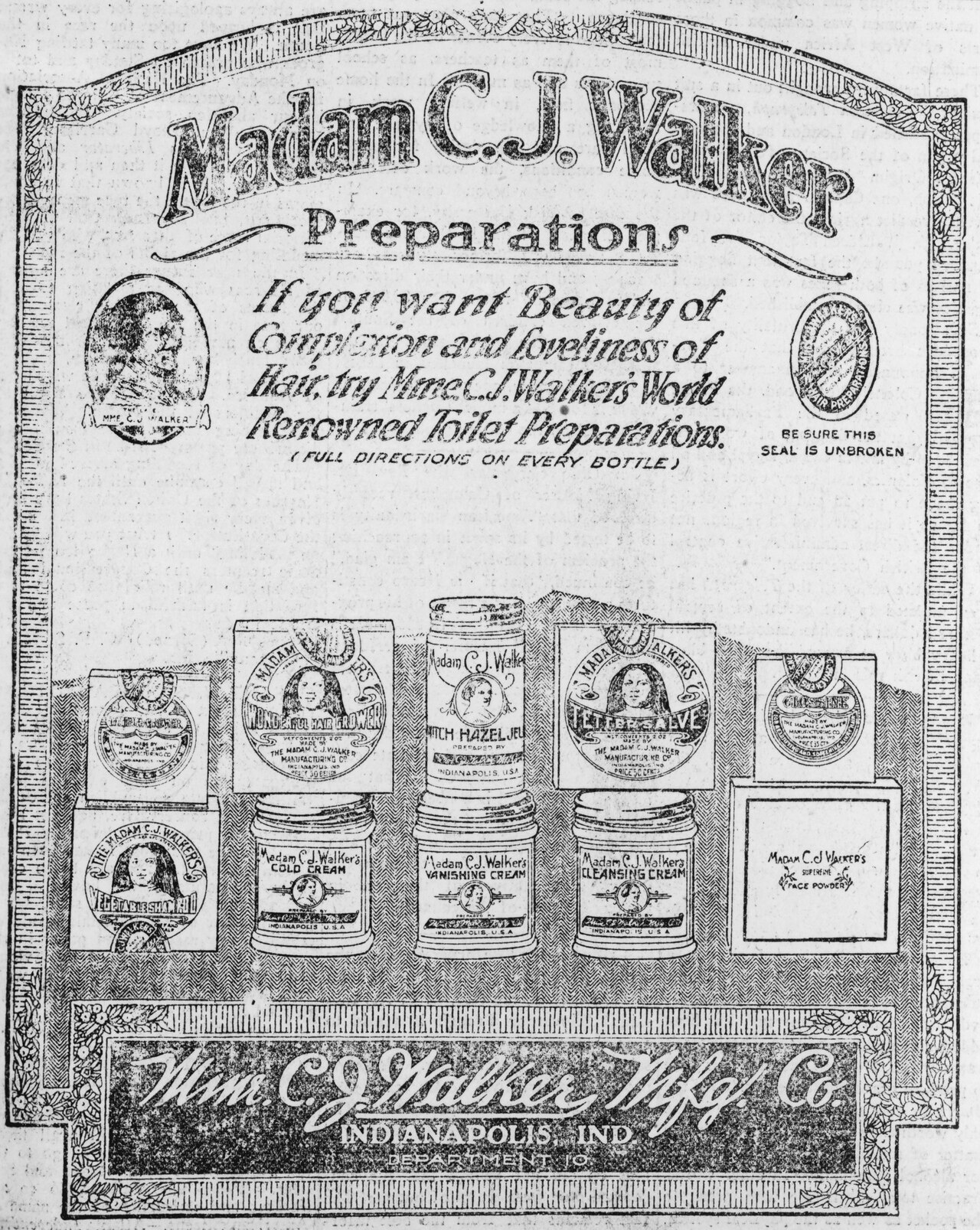
After her first husband's death, Breedlove settled in St. Her driving purpose was securing a proper education for young Lelia. The grueling work, combined with harsh cleansing agents, poor nutrition, and the era's lack of indoor plumbing, left her battling severe dandruff, scalp disorders, and progressive hair loss. She first picked up hair-care knowledge from her brothers, who worked as barbers in the city. The fair's sales fell short because the African-American community was largely overlooked. Yet the experience ignited Breedlove's own ambitions. A bitter dispute followed when Malone accused her of appropriating a petroleum-and-sulfur blend. J. Walker, selling door to door and teaching Black women the Walker System of hair care. By 1908 she had moved to Pittsburgh, opened a beauty parlor, and founded Lelia College to train a national network of licensed agents earning substantial commissions.
Three Marriages, One Daughter, and a Faith That Shaped Her Giving
Breedlove's personal life was marked by loss and reinvention. Charles, a newspaper advertising salesman she had met in St. Louis, became both husband and business partner, offering guidance on promotion and marketing. Lelia, her daughter from her first marriage, had been running the mail-order operation in Denver and later the day-to-day business in Pittsburgh. She adopted her stepfather's surname and became known as A'Lelia Walker. A'Lelia also persuaded her mother to open an office and salon in Harlem in 1913, which grew into a hub of African-American cultural life. Throughout it all, Walker remained a devoted Christian and active member of the African Methodist Episcopal Church, where she had sung in St. Louis. Her faith deeply informed her later philanthropy and commitment to community uplift.
A Millionaire's Generosity: Philanthropy, Activism, and Legacy
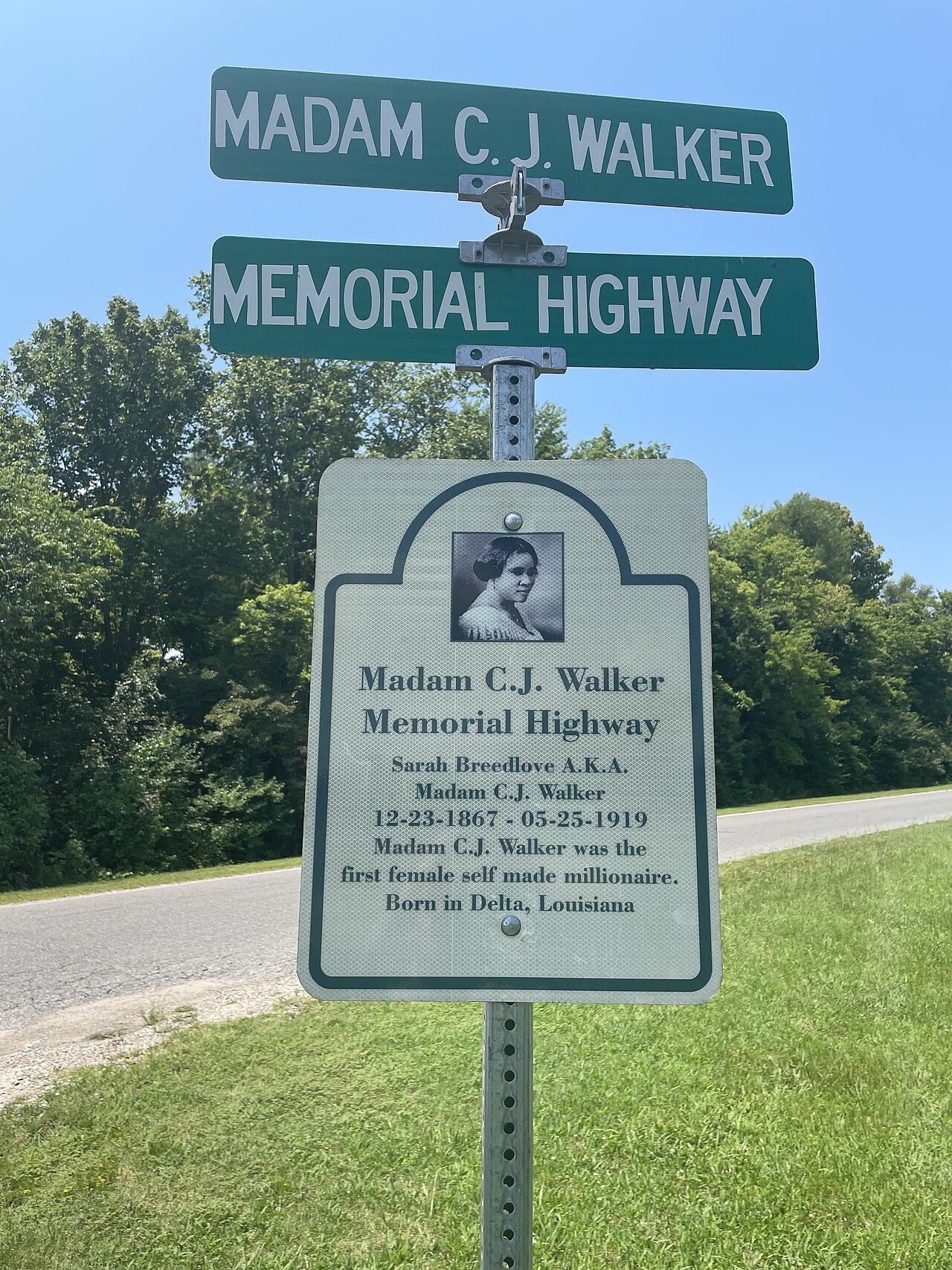
The Guinness Book of World Records credits Walker as the first woman to become a self-made millionaire in America, though some sources note that earlier figures such as Mary Ellen Pleasant may have achieved comparable wealth without equally thorough documentation. Her fortune, built through the Madam C. J. Walker Manufacturing Company and its line of cosmetics and hair-care products for Black women, funded a broad circle of giving. She made financial contributions to organizations including the NAACP and served as a patron of the arts. Her lavish estate, Villa Lewaro in Irvington, New York, functioned as a social gathering place for the African-American community. Walker's vision extended well beyond commerce: she championed Black women's economic independence through her training programs and a national network of licensed sales agents who earned healthy commissions, ensuring that the Walker System opened doors to financial self-sufficiency for women across the country.
Gallery
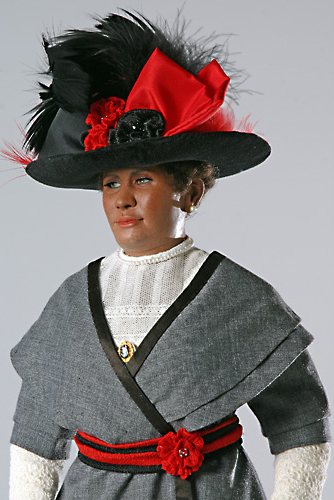
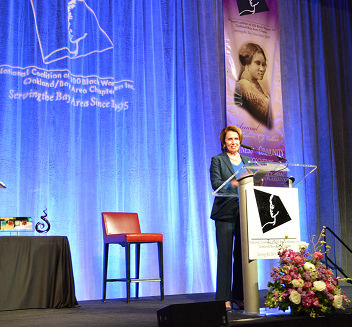
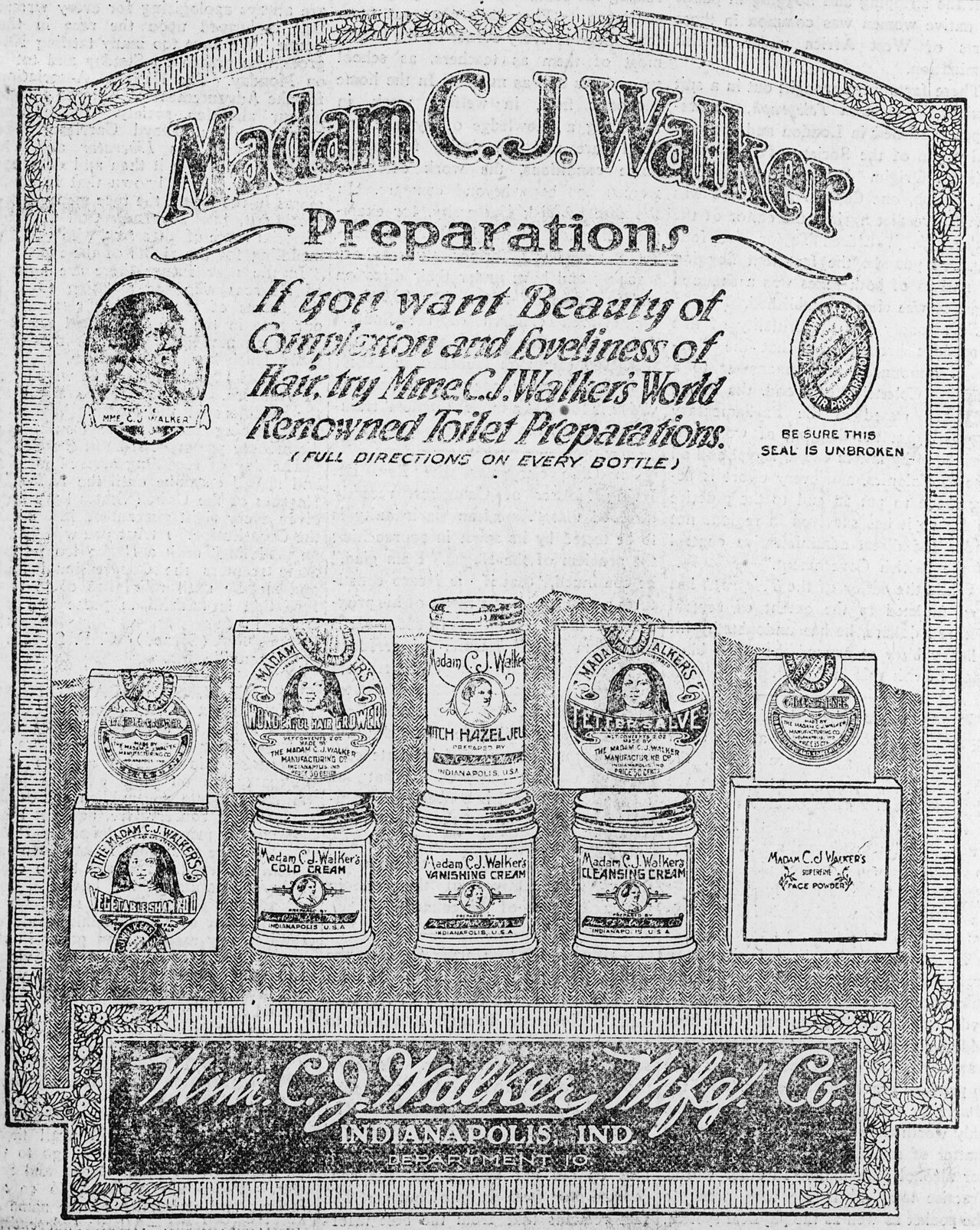
Frequently Asked Questions
How did Madam C. J. Walker build her fortune?
Walker developed and marketed a line of hair care and cosmetics products specifically for Black women through the Madam C. J. Walker Manufacturing Company. Her ability to identify an underserved market and scale a direct product-and-sales operation turned that brand into a multi-million-dollar enterprise.
Why is Madam C. J. Walker considered a pioneer?
As a Black woman in the early 1900s, she broke through racial and gender barriers to build a self-made fortune without outside investors. She also leveraged her wealth and public platform to fund educational causes, support civil rights, and engage in political activism during a deeply segregated era.
More in Pioneers And Innovators 1-23
Spotted an error? Know more?
This is a living reference — every entry is fact-audited, and reader corrections feed straight into our audit queue. Suggest an edit · See this site's audit record