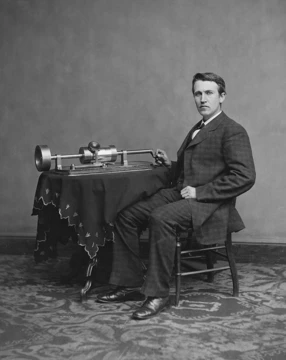
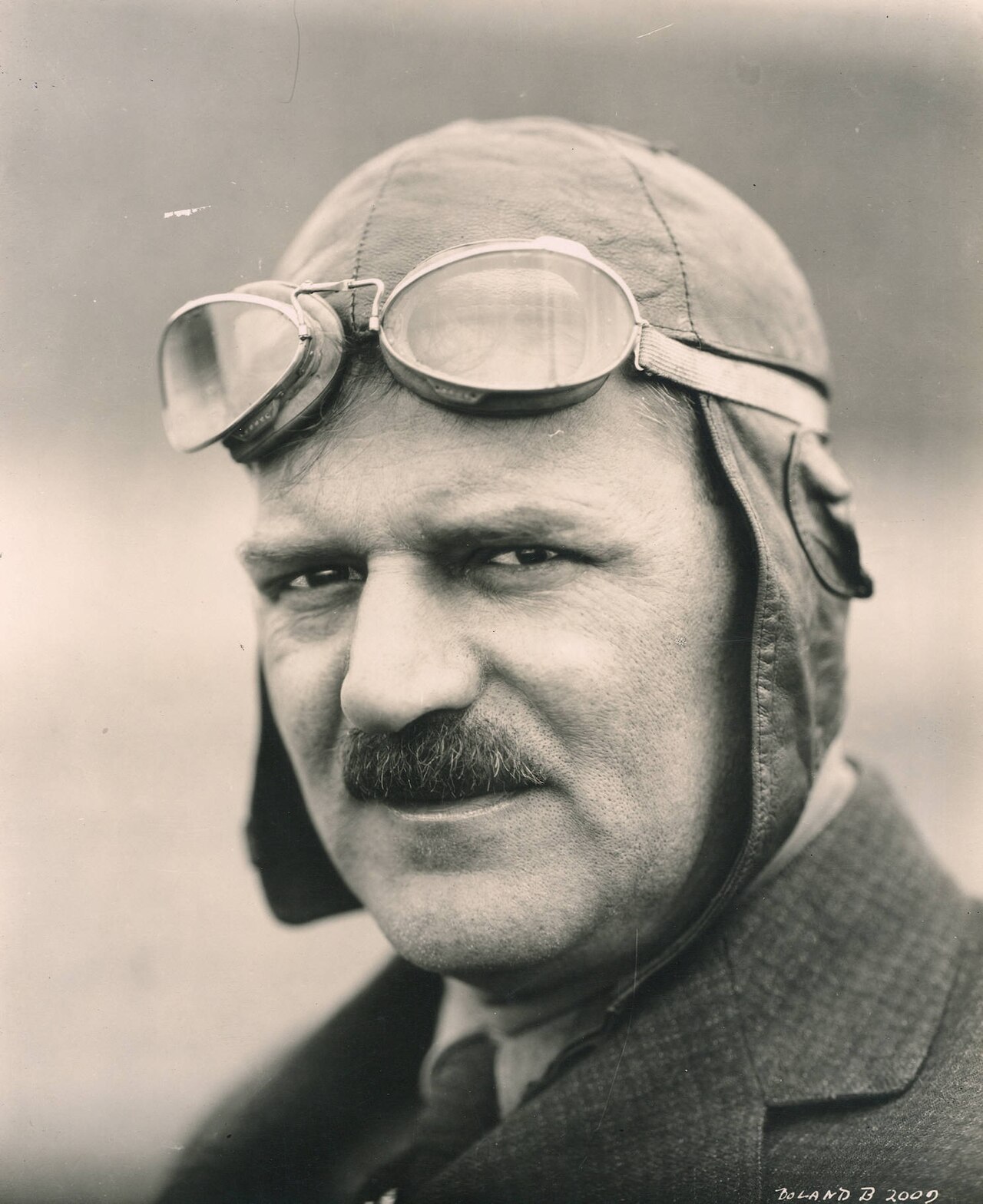
Louis Chevrolet
Swiss-born racer and co-founder of the Chevrolet Motor Car Company.

via Wikipedia: Chevrolet Corvair · see source
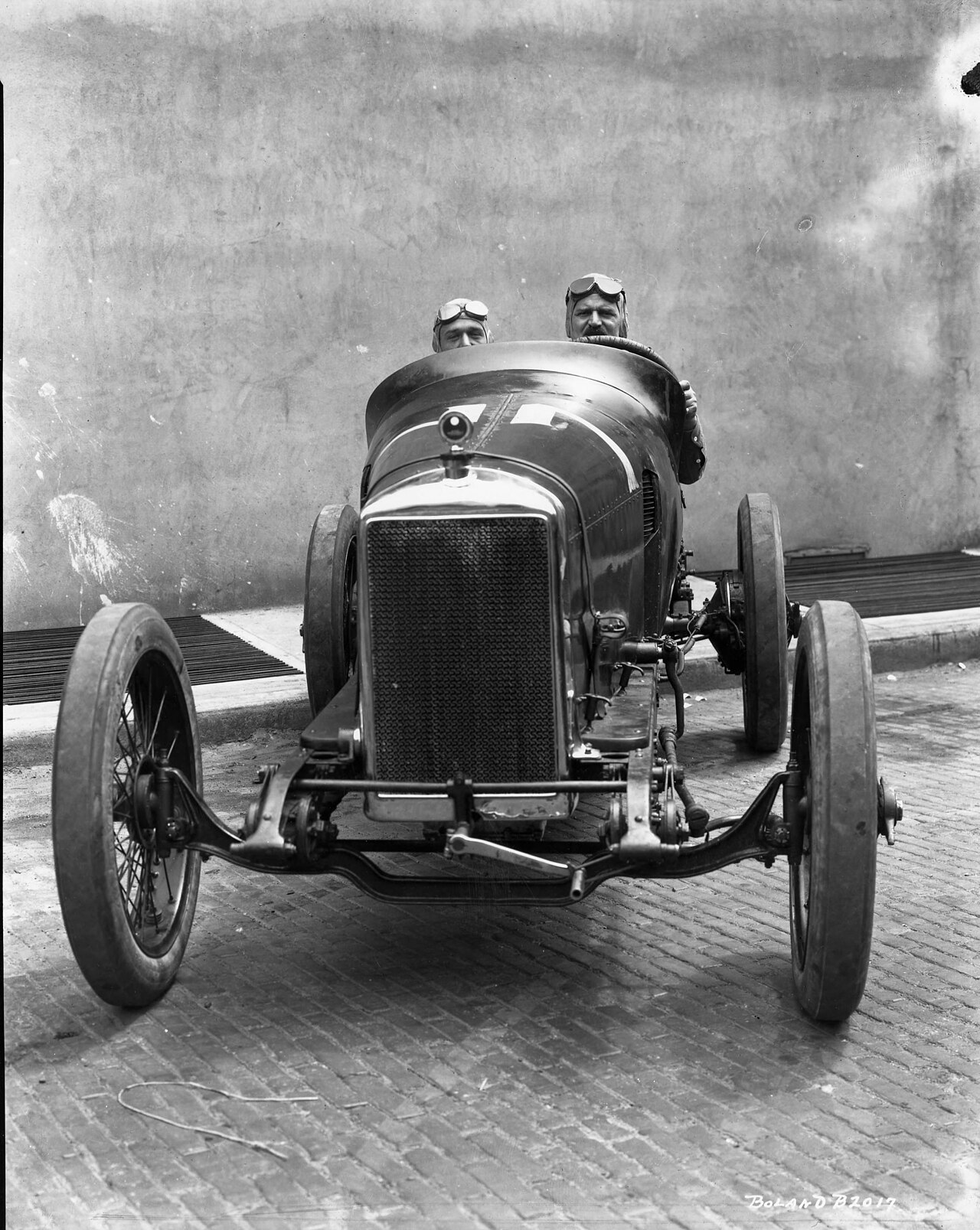
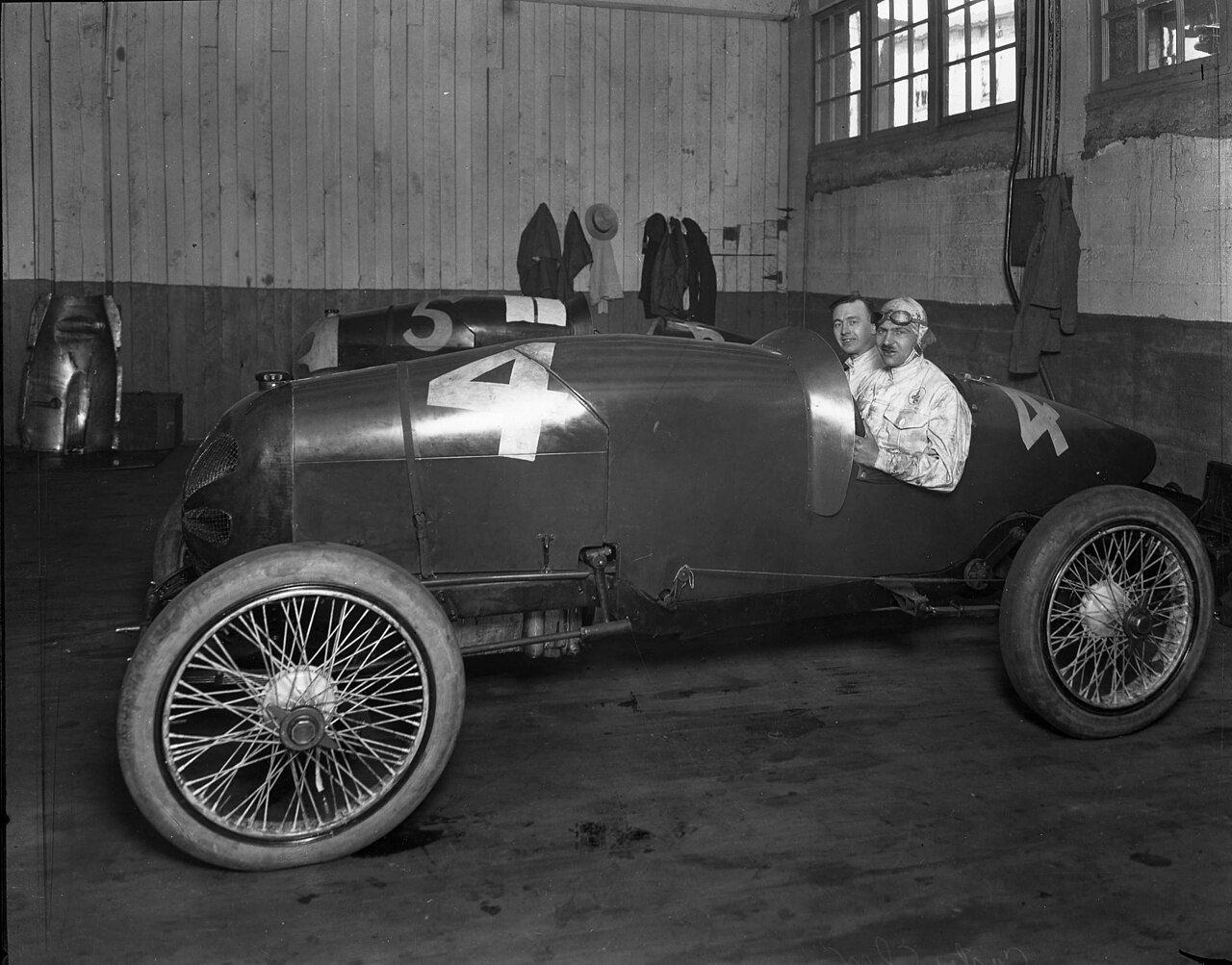
Louis Chevrolet’s legacy rests on his dual contributions to early automotive engineering and competitive racing. Born in Switzerland and raised in France, he developed mechanical skills early, once building a wine pump from a defective single-cylinder motor mounted on a tricycle. After emigrating to the United States, he won the first national championship race sanctioned by the American Automobile Association in 1905, driving a Fiat at Morris Park. His racing career flourished with Buick, where he became a friend of owner William C. Durant. Lacking formal education, Chevrolet learned car design on the job and built an overhead valve six-cylinder engine in his own Detroit machine shop. He is credited as one of three co-designers of the 1910 Buick 60 Special, known as the “Buick Bug.” In 1911, he co-founded the Chevrolet Motor Car Company with his brother Arthur, Durant, and other investors. After disagreements with Durant over design, Chevrolet sold his share in 1915. He later founded the Frontenac Motor Corporation with his brothers, producing racing parts for the Ford Model T and building the Cornelian racer. He competed in the Indianapolis 500 four times, with a best finish of seventh in 1919. His brother Gaston won the 1920 Indianapolis 500 in a Frontenac. Later in life, Chevrolet launched an aircraft engine company that failed during the Great Depression, and he returned to work as a mechanic in the Detroit factories. He died of a heart attack in 1941.
- field
- Automotive engineering, auto racing
- nationality
- Swiss-born American
- known_for
- Co-founding the Chevrolet Motor Car Company, racing career, designing the Frontenac racing car
Lore & Background
Louis-Joseph Chevrolet was a Swiss-born American racing driver, mechanic, and entrepreneur. He was born in La Chaux-de-Fonds, a watchmaking center in northwestern Switzerland, and later moved to Beaune, France, where he developed mechanical skills and an interest in bicycle racing. During this time, he invented a wine pump built from a defective one-cylinder motor mounted on a tricycle. After working in mechanics shops in Beaune and Paris, he emigrated to Montreal, then to New York City, where he worked for a fellow Swiss immigrant’s engineering company and later for the French car manufacturer de Dion-Bouton. Chevrolet won his first race in 1905 driving a Fiat at Morris Park, the first national championship race sanctioned by the American Automobile Association. He drove for Buick, becoming a friend of Buick owner William C. Durant, and learned car design while working there. He built an overhead valve six-cylinder engine in his own machine shop on Grand River Boulevard in Detroit and is credited as one of three co-designers of the 1910 Buick 60 Special, known as the “Buick Bug.” In 1911, he co-founded the Chevrolet Motor Car Company with his brother Arthur, Durant, and other partners. After differences with Durant over car design, he sold his share in 1915. He later founded the Frontenac Motor Corporation with his brothers to make racing parts for the Ford Model T, and also served as vice president and chief engineer of the American Motors Corporation. He drove in the Indianapolis 500 four times, with a best finish of seventh in 1919, and his brother Gaston won the race in 1920 in a Frontenac. Chevrolet later launched an aircraft engine company called Chevrolair, which failed during the Great Depression, after which he returned to work as a mechanic in Detroit factories. He died of a heart attack in Detroit in 1941.
Reader's Guide
Louis Chevrolet’s career combined competitive racing with hands-on mechanical innovation. As a driver, he won the first national championship race sanctioned by the American Automobile Association in 1905, driving a Fiat at Morris Park, and later raced for Buick, where he became a friend of William C. Durant. While at Buick, Chevrolet learned car design despite little formal education and built an overhead valve six-cylinder engine in his own Detroit machine shop; he is credited as one of three co-designers of the 1910 Buick 60 Special, known as the “Buick Bug.” In 1911 he co-founded the Chevrolet Motor Car Company, but disagreements with Durant over design led him to sell his share in 1915. He then helped start McLaughlin’s Company in Canada building Chevrolets, and the Chevrolet company was later merged into General Motors. Chevrolet continued racing, partnering with Howard E. Blood to create the Cornelian racer for the 1915 Indianapolis 500, and with his brothers founded the Frontenac Motor Corporation in 1916, producing racing parts for the Ford Model T and the Fronty-Ford racers. He drove in the Indianapolis 500 four times, with a best finish of seventh in 1919, while his brother Gaston won the 1920 race in a Frontenac. Chevrolet also served as vice president and chief engineer of the short-lived American Motors Corporation in 1916. Later, he launched the aircraft engine company Chevrolair in 1927, which failed during the Great Depression, and he returned to work as a mechanic in the Detroit Chevrolet factories. His engineering and racing legacy directly shaped early automotive design and the growth of General Motors.
Did You Know?
- Louis Chevrolet co-founded the Chevrolet Motor Car Company on November 3, 1911, with his brother Arthur, William C. Durant, and others.
The Compact-Car Gap That Shaped the Corvair
By the late 1950s, the three dominant American automakers had steadily enlarged their entry-level offerings, effectively abandoning the budget-conscious buyer who wanted a smaller, more economical vehicle. Meanwhile, American Motors Corporation had staked its identity on compact, fuel-efficient cars, and its Rambler models helped propel the smaller company to third place in domestic sales. European imports—Volkswagen, Renault, Fiat—further demonstrated that American consumers, particularly those seeking a second car or an affordable alternative, were hungry for smaller vehicles. Ford and Chrysler responded for the 1960 model year with the Falcon and Valiant, essentially scaled-down versions of their conventional cars using industry-standard inline-six engines. Rather than shrinking a familiar formula, Chevrolet committed to an entirely new architecture, producing what would become the Corvair.
A Radical Break from Detroit Orthodoxy
The production Corvair broke nearly every convention Detroit held sacred. That engine was mounted at the rear of the car, driving the rear wheels through a compact transaxle. All four corners received independent suspension, a rarity in mass-produced American vehicles of the era. The structure employed unibody construction instead of the traditional body-on-frame approach. Wider wheels carried low-profile tires, and the exterior styling was deliberately clean and boxy, conspicuously free of the tail fins and large grilles that dominated 1950s and early-1960s showrooms.
Two Generations, a Van, and a Pickup
Across its ten-year run, the Corvair was offered in two distinct generations. When the name was finally attached to the production car, the air in Corvair referenced the engine's cooling system, tying the branding directly to the vehicle's most distinctive mechanical feature.
Controversy, Rebuttal, and the End of an Era
The Corvair's most prominent legacy is tied to a safety controversy that reached well beyond the automobile world. Early models employed rear swing-axle suspension, a design Ralph Nader attacked aggressively in his book Unsafe at Any Speed, arguing the configuration left the car vulnerable to loss of control in extreme handling situations. The controversy became a defining part of the vehicle's public image. Yet the full picture was more complicated than the popular narrative implied. The Corvair thus occupies a dual place in automotive history: a bold engineering departure and a focal point for the consumer-safety debate.
Gallery
Frequently Asked Questions
Who is Louis Chevrolet?
Louis-Joseph Chevrolet was a Swiss-born American racing driver, mechanic, and entrepreneur who, together with his brother, established the Chevrolet Motor Car Company in 1911. He is widely regarded as one of the key figures behind the brand that would become a global automotive icon.
What is Louis Chevrolet most known for?
He is best remembered for co-founding the Chevrolet Motor Car Company, his competitive racing career, and his engineering work on an overhead valve six-cylinder engine. He also designed the Frontenac racing car, which became a landmark in early motorsport.
Why is Louis Chevrolet important to automotive history?
His hands-on approach to engine design and his competitive racing experience directly shaped the performance ethos of early American automobiles. By blending mechanical innovation with track-tested reliability, he helped set a standard that influenced the industry for years to come.
What racing car did Louis Chevrolet design?
He is credited with designing the Frontenac racing car, a vehicle that showcased his expertise in overhead valve engineering and high-performance tuning. The Frontenac became one of the most recognizable machines in early 20th-century auto racing.
More in Pioneers And Innovators 1-23
Spotted an error? Know more?
This is a living reference — every entry is fact-audited, and reader corrections feed straight into our audit queue. Suggest an edit · See this site's audit record