Unreal Engine 4
The fourth version of Unreal Engine, released in March 2014, introducing physically based materials and Blueprints visual scripting.
Unreal Engine 4 (UE4) is the fourth version of Unreal Engine developed by Epic Games. UE4 began development in 2003 and was released in March 2014, with the first game using UE4 launching in April 2014. UE4 introduced support for physically based materials and a new visual programming language called 'Blueprints'. It was succeeded by Unreal Engine 5 in 2022.
Quick Facts
- Developer
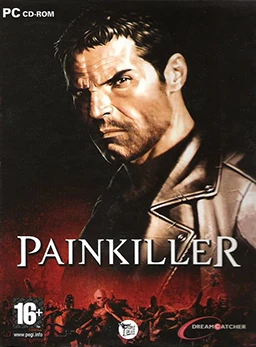
- People Can Fly
- Genre
- First-person shooter
- Protagonist
- Pain
- Notable features
- Fast-paced melee and ranged combat
- environment destruction
- over-the-top visual style
Lore & Background
Development of Unreal Engine 4 began in 2003. In August 2005, Mark Rein revealed it had been in development for two years. By early 2008, Tim Sweeney was basically the only person working on the engine, though the R&D department was set to expand later that year. In 2011 Sweeney said he spent 60% of his day on UE4 research.
The engine was unveiled at GDC 2012 and a public video was released on June 7, 2012. A planned feature called Sparse Voxel Octree Global Illumination (SVOGI) was replaced with a less computationally expensive algorithm due to performance concerns. UE4 was released via a new licensing model on March 19, 2014, with a monthly subscription and 5% royalty on gross revenues. The first game released using UE4 was Daylight on April 29, 2014.
Epic made modifications to UE4 for Fortnite's battle royale mode in September 2017. UE4 officially supported platforms as of version 4.27 (August 2021) include Windows, macOS, Linux, iOS, Android, Nintendo Switch, PlayStation 4, Xbox One, PlayStation 5, Xbox Series X/S, Stadia, Magic Leap, HTC Vive, Oculus, PlayStation VR, OSVR, Samsung Gear VR, and HoloLens 2; it formerly supported Google Daydream and HTML5.
Reader's Guide
Unreal Engine 4 features physically based materials based on a model from Disney's Brent Burley, with parameters BaseColor, Metallic, Roughness, and Cavity. It includes a simplified UI toolkit and a visual scripting system called Blueprints. Real-time hardware-accelerated ray tracing was first unveiled at GDC in March 2018, with beta support added in UE4.22 in April 2019, leveraging DirectX 12 and DirectX Raytracing. Licensing: free for schools and universities from September 4, 2014; an Unreal Engine Marketplace was opened; a $5 million Unreal Dev Grants fund launched on February 19, 2015; from March 2015, UE4 was free for all users with a 5% royalty on revenue over $3,000 per quarter.
Oculus VR announced in October 2016 it would pay royalty fees for Unreal-powered Oculus Rift titles up to $5 million per game. Epic Games Store games using UE4 are exempt from the 5% royalty. Effective May 13, 2020, the royalty exemption amount increased to $1,000,000 in lifetime gross revenue per title.
Did You Know?
- The first game released using Unreal Engine 4 was Daylight on April 29, 2014.
- UE4 introduced a visual scripting system called Blueprints, a successor to UE3's Kismet.
More in Development & Legacy
Elsewhere in Painkiller
Spotted an error? Know more?
Reader corrections go straight into our review queue. Suggest an edit · How this site is sourced