Oral storytelling
Intimate verbal storytelling, flexible and audience-adapted since ancient times.

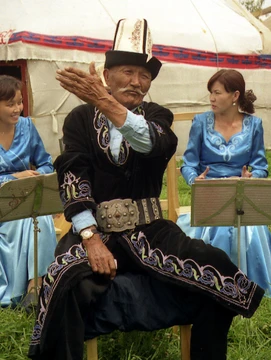
Oral storytelling is a tradition and human activity that goes back to before ancient times. It involves a speaker telling a story aloud to an audience that is physically close, often seated in a circle. This closeness and connection are strengthened by the flexibility of oral storytelling, which lets the tale shift to fit the listeners’ needs or the setting. The audience feels the urgency of a creative process happening in real time and gains a sense of empowerment from taking part in it. The practice builds a personal bond between the storyteller and those listening. The flexibility also applies to the teller. Each storyteller brings their own personality and may add characters, leading to many versions of the same story. Some tellers avoid anything outside the narrative, while others use visual or audio tools, specific actions, or creative strategies and devices to enhance the tale. Storytelling can take many forms: prose, poetry, song, dance, or theatrical performance. Oral storytelling likely goes back as far as human language. It meets the need to turn personal experiences into narrative form. Ancient cultures, such as the Australian Aboriginals, show evidence of storytelling. Community stories provided security through explanation—how life and its forms began, why things happen—along with entertainment and enchantment. Stories connected the present, past, and future, strengthening and maintaining communities. Telling stories nurtures both the listener, who is linked to the storyteller through the tale, and the storyteller, who is linked to the listeners. Early storytelling probably began with simple chants, such as songs sung while grinding corn or sharpening tools. Ancient ancestors created myths to explain natural events and gave superhuman qualities to ordinary people, giving rise to hero tales. Early storytelling combined stories, poetry, music, and dance. Those skilled at it became entertainers, educators, cultural advisors, and historians for their community. Through storytellers, a culture’s history was passed down across generations. The respect given to professional storytellers throughout history shows the importance of stories and storytellers. The 9th-century fictional storyteller Scheherazade from *One Thousand and One Nights*, who saved herself by telling tales, is one example of storytelling’s past value.
- Field
- Oral tradition and performance
- Known for
- Intimate verbal storytelling with flexible, audience-adapted narratives
- Earliest evidence
- Before ancient times, likely as long as human language
- Forms
- Prose, poetry, song, dance, theatrical performance
Lore & Background
Oral storytelling likely originated in simple chants, such as those sung while grinding corn or sharpening tools. Early ancestors created myths to explain natural occurrences and assigned superhuman qualities to ordinary people, originating hero tales. Those who excelled became entertainers, educators, cultural advisors, and historians for the community, handing down cultural history from generation to generation. The importance of storytellers is seen in the respect afforded to professional storytellers, such as the 9th-century fictional Scheherazade of One Thousand and One Nights, who saved herself by telling tales, and Vyasa at the beginning of the Indian epic Mahabharata, who said, 'If you listen carefully, at the end, you'll be someone else.'
Reader's Guide
Oral storytelling fulfills the human need to cast personal experiences in narrative form. It is evident in ancient cultures such as the Australian Aboriginals, offering the security of explanation—how life began and why things happen—as well as entertainment and enchantment. Communities were strengthened through stories that connected the present, past, and future. Telling stories is a nurturing act for both listener and storyteller. In the Middle Ages, storytellers (troubadours or minstrels) appeared in marketplaces and were honored in royal courts, expected to know current tales, university theses, court scandals, herbal medicine, and to compose verses and play instruments. Journeying storytellers exchanged stories, making origins difficult to trace. In the 1800s, Jakob and Wilhelm Grimm collected and edited German oral tales; Peter Christen Asbjørnsen and Jørgen Moe collected Norwegian folk tales; Hans Christian Andersen adapted Danish folktales; and Joseph Jacobs recorded folktales from England, Scotland, and Wales. In the 1900s, Marie Shedlock emphasized storytelling as a natural way to introduce literature to children. The 20th century saw a revival, including the National Storytelling Festival in Jonesborough, Tennessee.
Did You Know?
- Oral storytelling likely has existed as long as human language.
- Some tellers enhance tales with visual and audio tools, actions, and creative strategies.
- In 1290, 426 minstrels were reportedly employed at the wedding of Princess Margaret of England.
- Two female storytellers in the court of King Edward I performed under the names Matill Makejoye and Pearl in the Egg.
More in Oral literature 1-24
Spotted an error? Know more?
Reader corrections go straight into our review queue. Suggest an edit · How this site is sourced