Ebyevugo
Oral praise poetry of the Banyankore people.

Ebyevugo is a form of oral poetry from the Runyankore language, used by the Banyankore people in southwestern Uganda. Poets compose and perform these verses to honor cattle, brides, warriors, and political leaders, capturing the traditional livelihoods, values, and history of the Banyankore, particularly the Bahima, who are cattle herders.
The practice likely began at home gatherings or beer parties, where people came together to talk and share stories. Ebyevugo served as entertainment, education, and a way to build social bonds. It is closely linked to *ibyivugo*, the praise poetry of the Banyarwanda in Rwanda, who share language and culture with the Banyankore. Both forms reflect the pre-colonial divide between the cattle-keeping elite (Bahima/Batutsi) and the farming majority (Bairu/Bahutu).
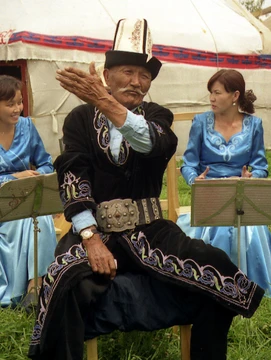
Individual poets, known as *abevugyi*, perform ebyevugo. These poets rely on skill, creativity, and a strong memory to recite the verses. Performances often include drums, flutes, and horns, and the audience joins in with chants, claps, or cheers. The style shifts depending on the context, occasion, and listeners. Today, ebyevugo is still recited in Ankole’s countryside, in homes and at beer spots, but it is most common during the *okuhingira*, the dowry or marriage ceremony.
Ebyevugo helps preserve and pass on Banyankore culture, identity, and history. It celebrates the beauty, strength, and wealth of the people, especially their prized cattle, and praises the bravery and achievements of warriors and leaders like kings and chiefs. The poetry shapes Banyankore behavior and attitudes, and is considered vital to their well-being. Boys were taught it from a young age, growing up knowing how to compose and respect these verses.
- Field
- Oral poetry
- Language
- Runyankore
- Region
- Southwestern Uganda
- People
- Banyankore
- Known for
- Praise poetry for cattle, brides, warriors, and political leaders
Lore & Background
Ebyevugo likely originated at communal gatherings in people’s homes or beer parties, where people met to talk and share experiences. They were also used as a form of entertainment, education, and socialization. Ebyevugo are closely related to ibyivugo, the praise poetry of the Banyarwanda people of Rwanda, who share linguistic and cultural ties with the Banyankore. Both ebyevugo and ibyivugo contain characteristics that reflect the distinction between the cattle-keeping elite (Bahima/Batutsi) and the farming majority (Bairu/Bahutu) in the pre-colonial era.
Reader's Guide
Ebyevugo are significant for the preservation and transmission of Banyankore culture, identity, and history. They celebrate the beauty, strength, and wealth of the Banyankore, especially their prized cattle, and also praise the bravery, heroism, and achievements of Banyankore warriors and political leaders, such as kings and chiefs. Ebyevugo link to the behaviors and attitudes of the Banyankole people and are essential for their well-being. They were taught to male members of society at a young age, and they grew up knowing how to compose and respect them. Performances are interactive, with audience responses of chants, claps, or cheers, and are influenced by context, occasion, and audience. While still recited in the Ankole countryside, the most common occasion for performance today is the okuhingira, the dowry and/or marriage ceremony.
Did You Know?
- Ebyevugo are performed by individual poets called abevugyi.
- Performances are usually accompanied by drums, flutes, and horns.
Roots in Communal Life
Ebyevugo emerged from the everyday social fabric of the Banyankore people in southwestern Uganda, where the Runyankore language carries centuries of oral tradition. Rather than being born in formal institutions, this poetic form likely took shape at informal communal gatherings—inside family homes or at beer parties—where neighbors gathered to converse, share stories, and bond over shared experiences. In these settings, ebyevugo served a triple purpose: they entertained, they educated, and they fostered social cohesion among community members. The tradition also shares deep roots with ibyivugo, the praise poetry of the Banyarwanda people of neighboring Rwanda. The two groups share linguistic and cultural kinship, and both poetic traditions carry echoes of a pre-colonial social structure that distinguished the cattle-keeping elite—known as the Bahima among the Banyankore and the Batutsi among the Banyarwanda—from the farming majority, called the Bairu and Bahutu respectively. This shared heritage underscores how ebyevugo functioned not merely as art but as a mirror of social identity and hierarchy in the region's past.
The Poet and the Performance
At the heart of every ebyevugo performance stands the abevugyi, an individual poet whose craft demands a rare combination of creative flair, sharp memory, and the ability to deliver verse with compelling presence. These poets do not read from scripts; they carry the poetry within themselves, memorizing and reciting compositions that celebrate cattle, brides, warriors, and political leaders. The performance is far from a solitary monologue. It is a dynamic, interactive exchange: the poet calls out, and the audience answers with chants, claps, and cheers, creating a living dialogue between performer and community. Musical accompaniment heightens the experience, with drums, flutes, and horns providing rhythmic and melodic layers beneath the spoken word. Context shapes everything—the specific occasion, the mood of the gathering, and the composition of the audience all influence how a poet structures and delivers the verse. Today, ebyevugo continue to be recited across the Ankole countryside, in private homes and at beer places, though the most celebrated setting remains the okuhingira, the traditional dowry and marriage ceremony, where the poetry takes on its most ceremonial weight.
Praise, Power, and the World of Cattle
Ebyevugo is, at its core, a poetry of praise and celebration, and its subject matter reveals the values that shaped Banyankore society before colonial contact. Cattle sit at the center of this world. The poetry extols the beauty, strength, and wealth embodied in the animals that the Bahima—Banyankore cattle keepers—held in the highest regard. Beyond livestock, the verses honor brides in their beauty, warriors in their bravery and heroism, and political leaders such as kings and chiefs in their achievements and governance. These themes are not arbitrary; they reflect the traditional occupations, social values, and collective history of the Banyankore people. The poetry also encodes a social distinction that was central to pre-colonial life: the divide between the cattle-keeping elite and the farming majority. In this way, ebyevugo functioned as both a celebration of individual and collective excellence and a reinforcement of the social order. The verses are linked to the behaviors and attitudes that the Banyankore considered essential to their well-being, making the poetry a living expression of cultural identity rather than mere entertainment.
A Living Thread: Transmission and Endurance
Ebyevugo endures not as a museum artifact but as a living practice woven into the daily and ceremonial life of the Banyankore. Its transmission has historically been a responsibility passed to young male members of society, who were taught to compose and to respect the poetry from an early age. This early immersion meant that generations grew up with the forms, themes, and etiquette of ebyevugo embedded in their cultural consciousness. The poetry remains a vital vehicle for preserving Banyankore identity, history, and cultural memory, linking present communities to their ancestral past. Even today, the tradition persists in the Ankole countryside, where poets still gather in homes and beer places to perform for appreciative audiences. The okuhingira, the dowry and marriage ceremony, remains the most common and perhaps most emotionally charged occasion for ebyevugo, ensuring that the poetry is heard at the moments when families and communities most need to affirm their shared values. Related oral traditions such as Ekitaguriro, Ekizino, and Omugamba further demonstrate the breadth of Banyankore expressive culture, with ebyevugo occupying a central place within that rich tapestry.
Frequently Asked Questions
What is Ebyevugo?
Ebyevugo is a traditional form of oral poetry spoken in the Runyankore language by the Banyankore people of southwestern Uganda. Poets compose and perform these verses to honor figures such as cattle, brides, warriors, and political leaders.
Where and how is Ebyevugo performed?
The practice most likely originated in home gatherings and beer parties where community members came together to talk and share stories. Performances functioned as entertainment, a means of education, and a way to strengthen social bonds among the Banyankore.
What themes and subjects does Ebyevugo cover?
The verses center on praising cattle, brides, warriors, and political leaders, reflecting the traditional livelihoods and values of the Banyankore. The Bahima, a cattle-herding group within the Banyankore, are particularly highlighted in these compositions.
How does Ebyevugo relate to ibyivugo?
Ebyevugo is closely connected to ibyivugo, the broader praise poetry tradition of the Banyankore. Both forms use spoken verse to celebrate important people and events within the community.
Why is Ebyevugo culturally significant?
It acts as a living vessel for the history, social values, and cattle-herding heritage of the Banyankore people. Through ongoing performance, the tradition keeps their collective identity and ancestral knowledge alive across generations.
More in Oral literature 1-24
Spotted an error? Know more?
Reader corrections go straight into our review queue. Suggest an edit · How this site is sourced