
Nellie Melba
Australian soprano who became a leading voice of her era.

Museums Victoria · CC BY 4.0
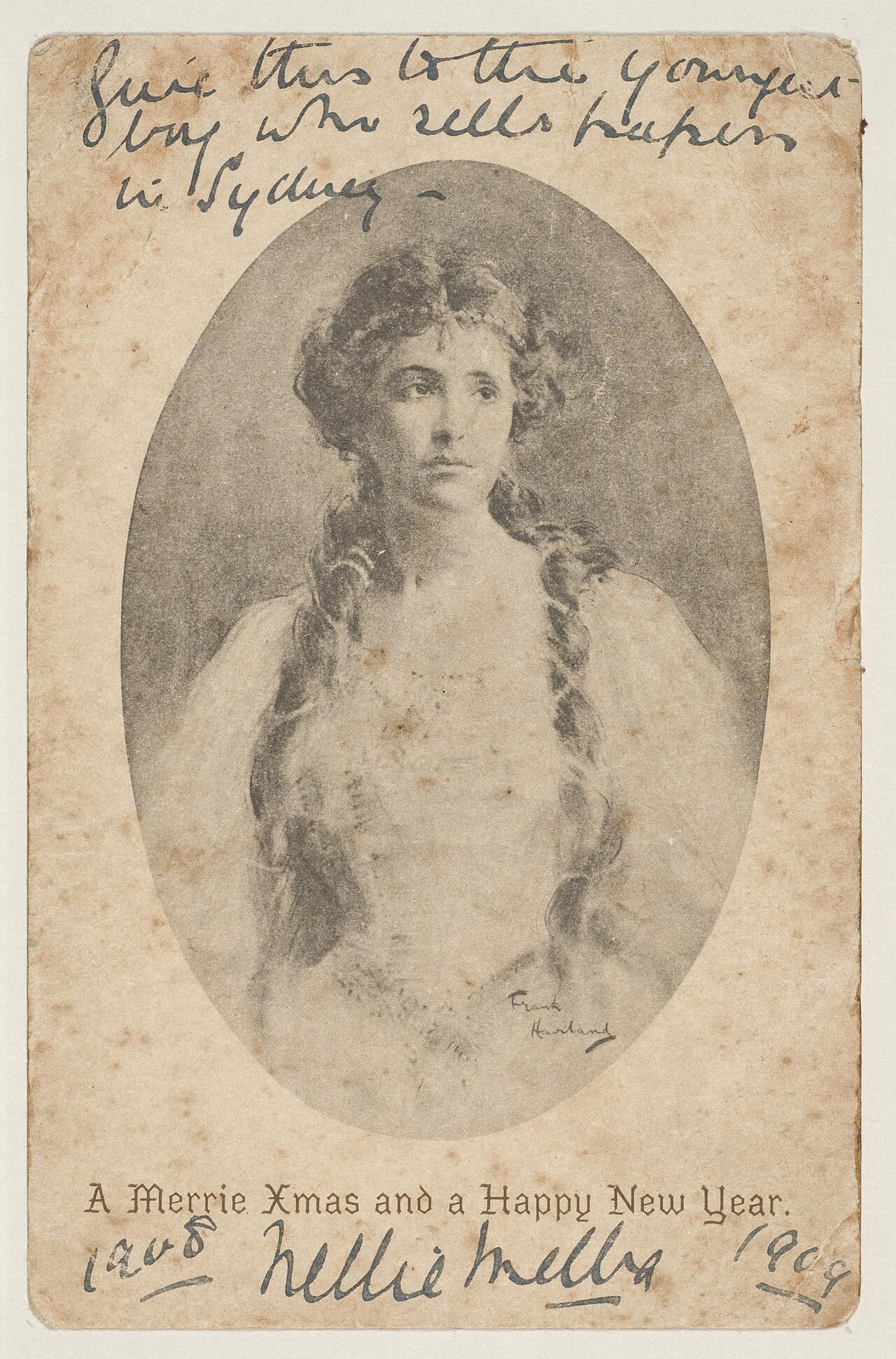
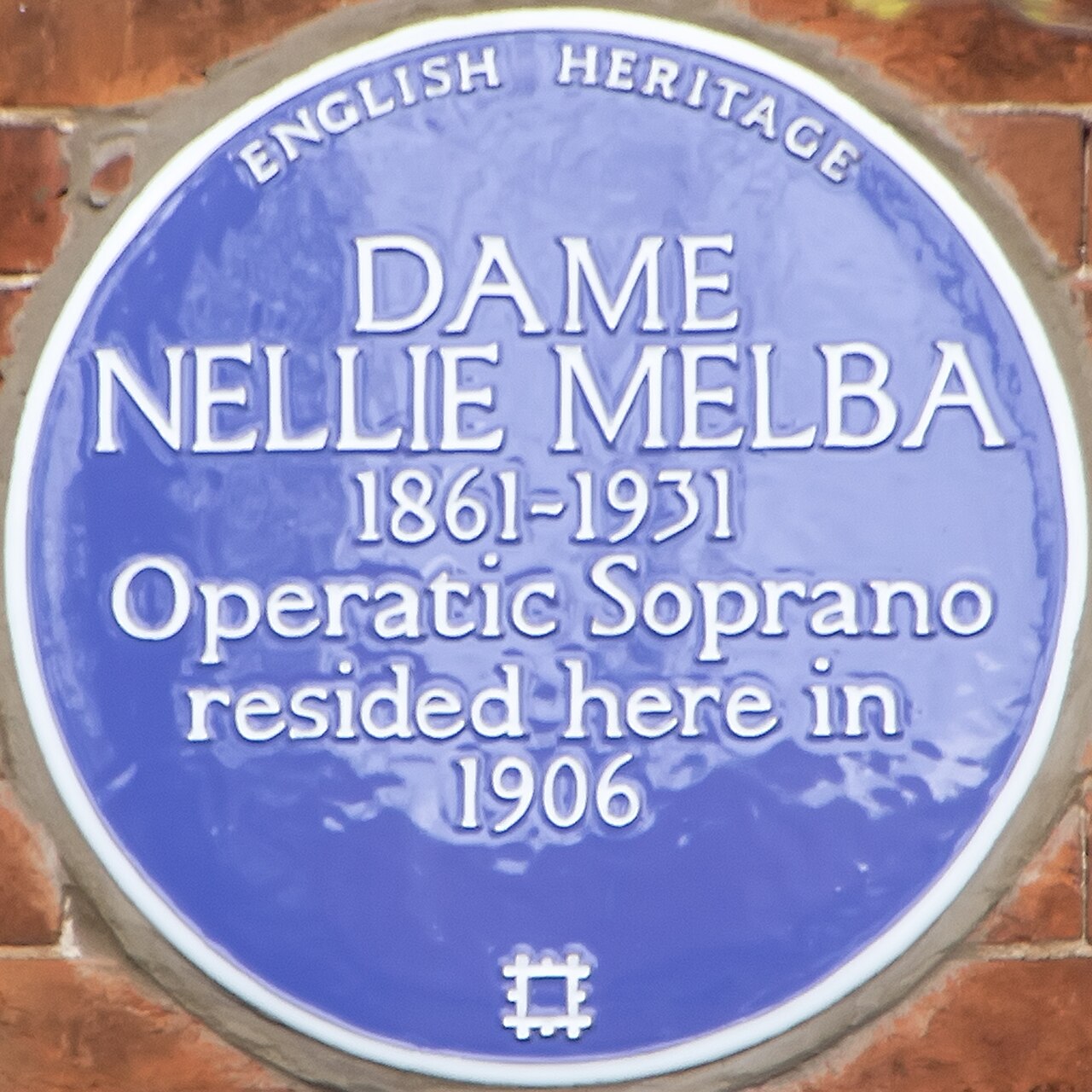
Dame Nellie Melba was born Helen Porter Mitchell on 19 May 1861 in Richmond, Victoria, and died on 23 February 1931 in Australia. She was an Australian operatic lyric coloratura soprano. Melba became a major star in the late Victorian era and early 1900s, and she was the first Australian classical musician to gain worldwide fame. Her stage name came from Melbourne, her hometown.
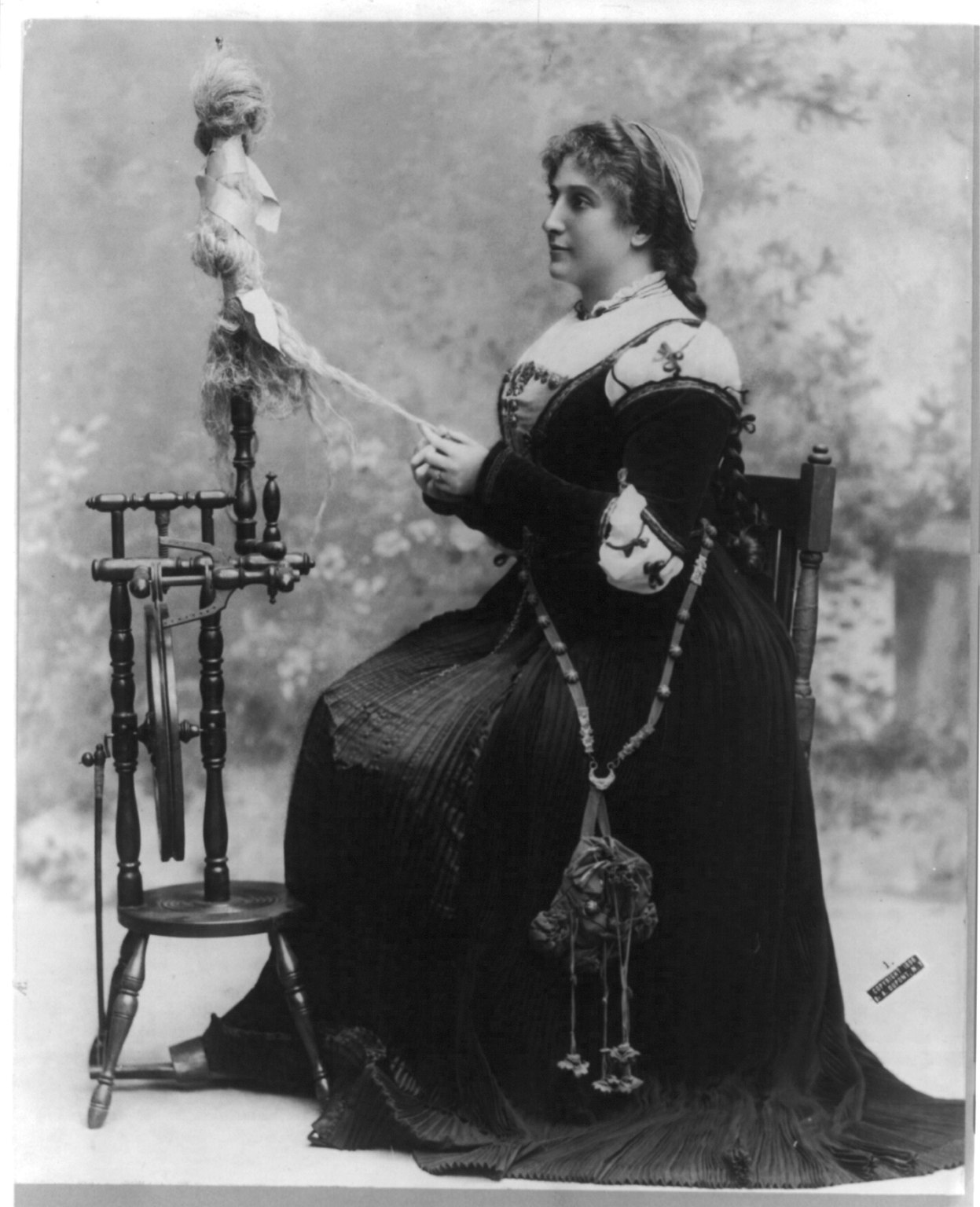
She learned to sing in Melbourne and had some modest local success. After a short, unhappy marriage, she left for Europe to build a career. London did not offer her work in 1886, so she went to Paris to study. There, and soon after in Brussels, she achieved great success. Returning to London, she became the top lyric soprano at Covent Garden from 1888. She then found further success in Paris, elsewhere in Europe, and at the Metropolitan Opera in New York, where she first performed in 1893. Her repertoire was limited; over her entire career she sang only 25 roles and was strongly associated with just 10 of them. She was famous for French and Italian opera but rarely sang German works.
During World War I, Melba raised large sums for wartime charities. She visited Australia often in the 1900s, performing in opera and concerts, and had a house built near Melbourne. She taught singing at the Melbourne Conservatorium. She kept singing until the final months of her life and gave many "farewell" performances. Her death was reported across the English-speaking world, and her funeral was a major national event. Her image appears on the Australian $100 note.
**Life and career**
**Early years** Melba was the eldest of seven children born to builder David Mitchell and his wife Isabella Ann. Her father emigrated from Scotland to Australia in 1852 and became a successful builder. She learned piano and first sang in public at about age six. She attended a local boarding school and later the Presbyterian Ladies' College. She studied singing with Mary Ellen Christian, a former pupil of Manuel García, and with Italian tenor Pietro Cecchi, a respected Melbourne teacher. As a teenager, she performed in amateur concerts around Melbourne and played the church organ. Her father supported her musical studies but strongly opposed a singing career. Her mother died suddenly in 1881.
Her father moved the family to Mackay, Queensland, to build a sugar mill. There, Melba became popular for her singing and piano playing. On 22 December 1882, she married Charles Nesbitt Frederick Armstrong in Brisbane. They had one son, George, born on 16 October 1883. The marriage failed; Charles reportedly beat her more than once. They separated after just over a year, and Melba returned to Melbourne to pursue singing, making her professional concert debut in 1884. Flautist John Lemmone often accompanied her and became a lifelong friend and adviser. Based on local success, she went to London. Her debut at Princes' Hall in 1886 made little impact, and she failed to get work from Sir Arthur Sullivan, Carl Rosa, or Augustus Harris. She then went to Paris to study with leading teacher Mathilde Marchesi, who immediately recognized her potential, exclaiming, "I have a star at last!" Melba progressed so quickly that she sang the "Mad Scene" from *Hamlet* at a matinée at Marchesi's house in December 1886, with the composer present.
Her talent was so clear that impresario Maurice Strakosch gave her a ten-year contract at 1000 francs a year after less than a year of study. She then received a much better offer of 3000 francs per month from the Théâtre de la Monnaie in Brussels, but Strakosch refused to release her and got a court order blocking her. She was in despair until Strakosch suddenly died. Four days later, on 12 October 1887, she made her operatic debut as Gilda in *Rigoletto* at La Monnaie. Critic Herman Klein called her Gilda "an instant triumph" and said she had equal success a few nights later as Violetta in *La traviata*. On Marchesi's advice, she adopted the stage name "Melba," a shortened form of Melbourne.
**London, Paris and New York debuts** Melba made her Covent Garden debut in May 1888 in the title role of *Lucia di Lammermoor*. The reception was friendly but not excited. *The Musical Times* said she was a fluent vocalist and a respectable light soprano but lacked the personal charm for a great stage figure. She was offended when Augustus Harris, then in charge at Covent Garden, offered her only the small role of the page Oscar in *Un ballo in maschera* for the next season. She left England vowing never to return. The following year, she performed at the Opéra in Paris as Ophélie in *Hamlet*; *The Times* called it a brilliant success, praising her flexible voice and expressive acting.
Melba had a strong supporter in London, Lady de Grey, whose opinions mattered at Covent Garden. Melba was persuaded to return, and Harris cast her in *Roméo et Juliette* in June 1889, co-starring with...
- field
- Operatic lyric coloratura soprano
- nationality
- Australian
- known_for
- Leading lyric soprano at Covent Garden; first Australian classical musician with international recognition
Lore & Background
Melba was born in Richmond, Victoria, the eldest of seven children. She studied singing in Melbourne and made a modest success there. Failing to find engagements in London, she studied in Paris with Mathilde Marchesi, who instantly recognized her potential. She adopted the stage name 'Melba' from Melbourne on Marchesi's advice. Her repertoire was small; in her whole career she sang no more than 25 roles and was closely identified with only 10. She was known for performances in French and Italian opera, but sang little German opera. During the First World War, she raised large sums for war charities. She returned to Australia frequently, singing in opera and concerts, and had a house built near Melbourne. She was active in teaching at the Melbourne Conservatorium.
Reader's Guide
Melba's significance lies in her role as the first Australian classical musician to achieve international recognition, becoming one of the most famous singers of the late Victorian era and early twentieth century. Her career was marked by a small but highly focused repertoire, with no more than 25 roles sung, and she was closely identified with only 10. During the First World War, she raised large sums for war charities. She continued to sing until the last months of her life and made many farewell appearances. Her death in Australia was news across the English-speaking world, and her funeral was a major national event.
Did You Know?
- She took the pseudonym 'Melba' from Melbourne, her home town.
- She studied with Mathilde Marchesi in Paris, who exclaimed 'J'ai enfin une étoile!' upon hearing her.
Gallery
Frequently Asked Questions
Who is Nellie Melba?
Nellie Melba was an Australian operatic soprano who rose to become one of the most celebrated singers of the late Victorian and early twentieth centuries. She is remembered as a leading lyric coloratura voice who built her reputation on the world's major stages.
What vocal type and roles was Nellie Melba known for?
She specialized as a lyric coloratura soprano, a voice type suited to roles demanding both melodic warmth and agile high-register ornamentation. Her performances at Covent Garden established her as a leading interpreter of the lyric soprano repertoire.
Why is Nellie Melba historically significant?
She was the first Australian musician to achieve genuine international recognition in the classical world, breaking a long streak of European dominance in opera. Her success helped open the door for later Australian and non-European singers to claim a place on the global operatic stage.
Where did Nellie Melba perform most prominently?
Covent Garden in London was her principal home stage, where she built her reputation as a leading lyric soprano. Her long association with that house helped cement her status among the era's top vocalists.
What era was Nellie Melba most associated with?
Her career spanned the late Victorian period into the early twentieth century, a time when opera was at the height of its cultural prominence. She became one of the defining voices of that transitional era in musical history.
More in Opera & Vocal Legends 1-18
Related in Opera & Vocal Legends
Links follow this subject's own source article.
Spotted an error? Know more?
This is a living reference — every entry is fact-audited, and reader corrections feed straight into our audit queue. Suggest an edit · See this site's audit record